Riding in Melbourne’s Spring Breeze
Around the Bay 100 km Ride Report
For the first time, our editorial team took part in UNITED ENERGY AROUND THE BAY, held in Melbourne, Australia’s vibrant cultural capital!
Commonly known as “Around the Bay,” this is one of Australia’s largest one-day cycling events, set around Port Phillip Bay, just a short distance from Melbourne’s city center. Each of the five courses offers its own unique scenery and attractions, making the event both a relaxed day out for recreational cyclists and a long-distance challenge for more serious riders who have made cycling their profession.
This year, we bring you two ride reports: a 100 km adventure by AYAKA, a cyclist based in Brisbane, and a 220 km challenge by Christine, a cycling influencer living near Melbourne.
Editor M, meanwhile, fully embraced the “fun ride” spirit on the 50 km course. We’ll share that experience in an Instagram diary.
With three riders enjoying the event in three very different ways, Around the Bay proved to have something for everyone.
How about joining us next year for a city ride in Melbourne, a historic cultural capital just two hours ahead of Japan during daylight saving time?
Around The Bay 2026
| Event Name | UNITED ENERGY AROUND THE BAY |
| Event Date | Sunday, October 18, 2026 |
| Location | Melbourne, Australia |
| Courses (Elevation Gain) |
① The Classic: 220 km / 857 m ② 135 km / 645 m ③ 100 km / 751 m ④ 50 km / 566 m ⑤ Lap the Track Family Ride: 6 km or more, as many laps as you like / 7 m |
| Recommended Average Speed | ① 21 km/h ② 16 km/h ③ 12 km/h ④ 10 km/h ⑤ 6 km/h or whatever pace you prefer! |
| Eligibility | Course ⑤: Children aged 14 and under only |
| Capacity | Varies by course (approximately 6,000 participants in total) |
| Entry Fees | ①A$235 ②A$185 ③A$155 ④A$85 ⑤A$25 |
| Official Website | https://bicyclenetwork.com.au/rides-and-events/around-the-bay/ |
Information as of November 2026.
This time, I took on the 100 km course of Around the Bay. Starting from Albert Park, the route heads west to Williamstown before turning back east, passing through Elwood at the 50 km mark and Mordialloc at around 70 km, then heading west again toward the finish. It’s a route that takes riders back and forth along both sides of the starting point.
Text & Photo_Ayaka
Contents
1. A Reassuring Morning Start, Even for Solo Riders
2. Crossing the First Major Challenge: West Gate Bridge
3. Coffee and Melbourne’s Famous Lamington at the 50 km Mark in Elwood
4. Ocean Views in the Second Half of the Ride
5. Mechanical Trouble at the 70 km Mark!
6. The Final 30 km: Beautiful Beaches and a Melbourne Weekend
7. Reflections on Riding Around the Bay 100 km
8. Why I Recommend This Melbourne Cycling Event to Riders from Japan
Bonus 1. SkyBus: A Convenient Way to Reach the City with Your Bike
Bonus 2. An Unexpected Mechanical Problem! Turning to a Local Bike Shop for Help
1. A Reassuring Morning Start, Even for Solo Riders
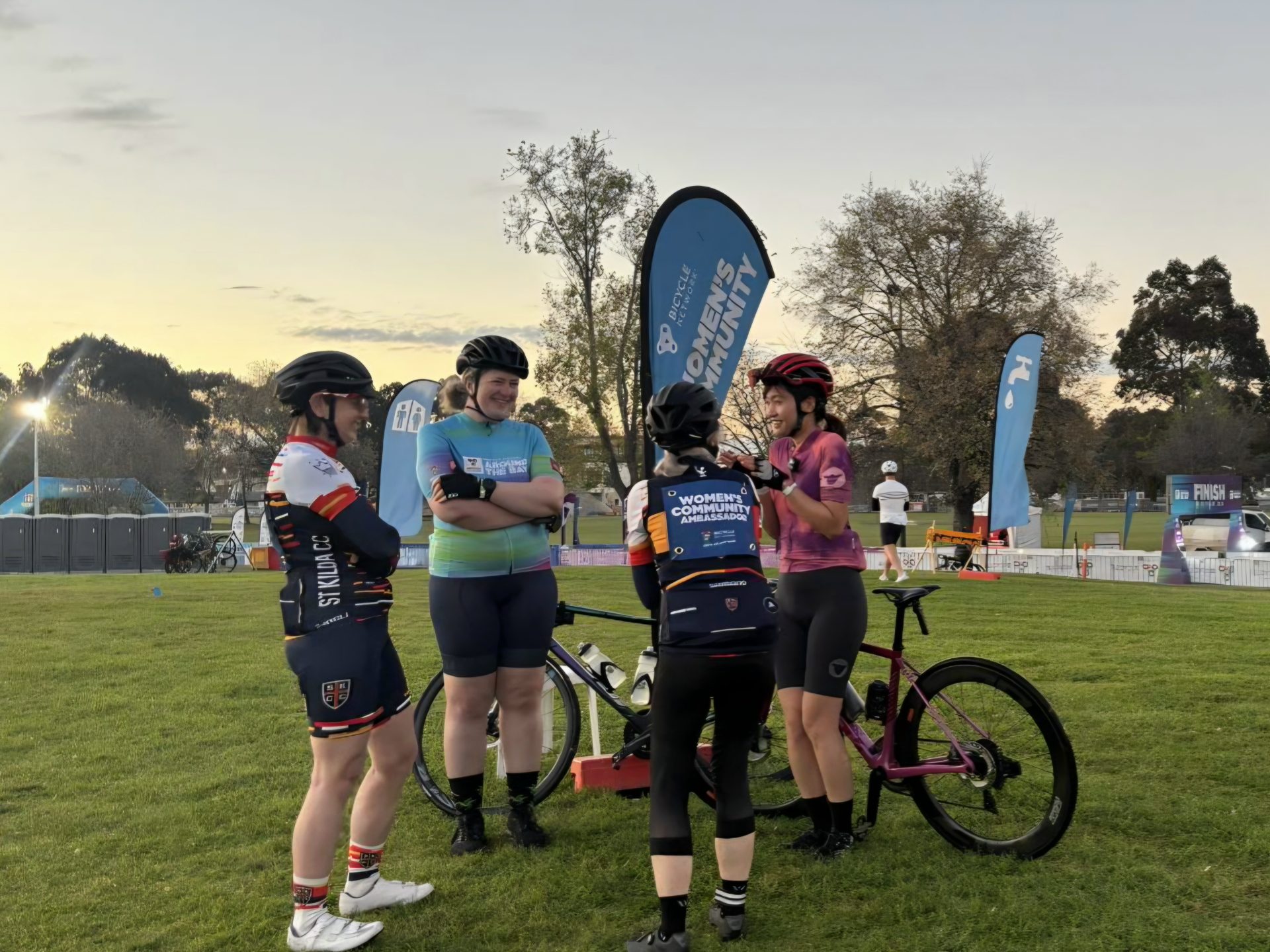
The ride was scheduled to start at 6:45 a.m. Since it was such a special event, I wanted to ride with someone, even if only as far as the first aid station. With that in mind, I had discovered a supported group ride organized by the event host, Bicycle Network’s Women’s Community.
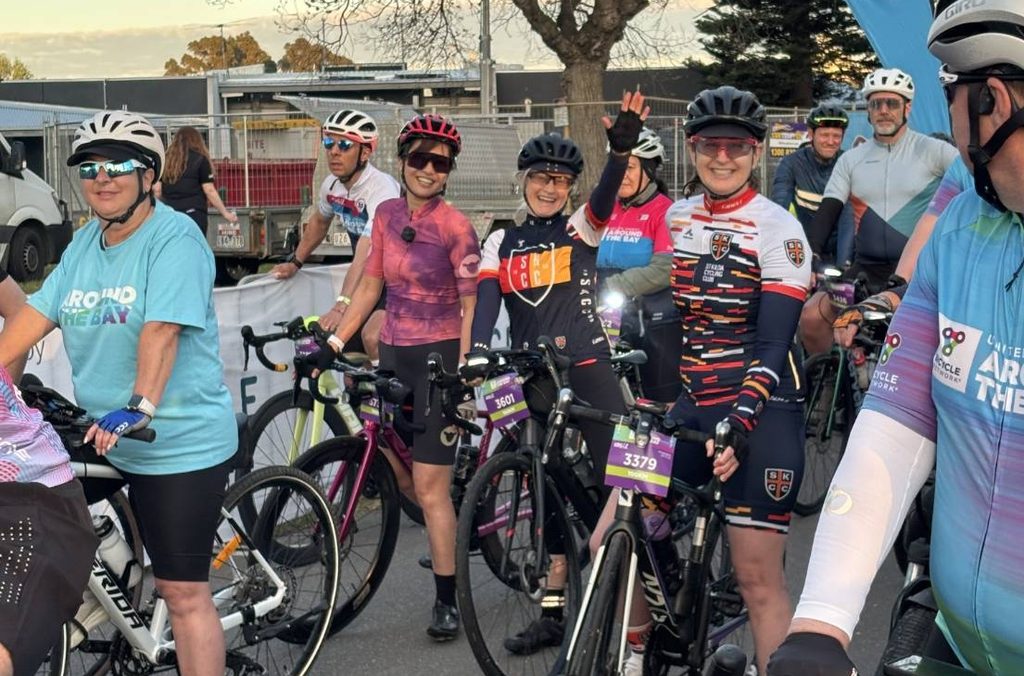
When I arrived at the designated meeting point at 6:15 a.m., Ginny and Sue, two volunteers from a local cycling club, were already waiting for me. We were also joined by Heather, a librarian at a local library. The four of us set off together toward the first aid station, all sharing the same goal: completing the 100 km course.
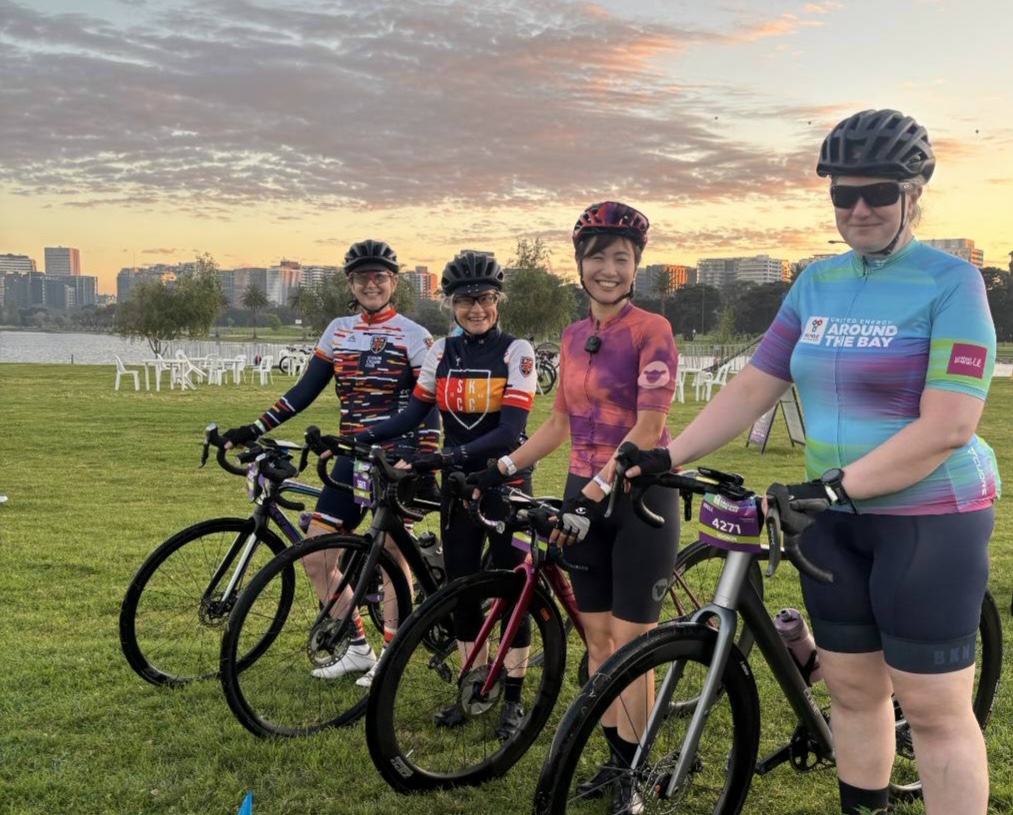
In October, the sun rises in Melbourne at around 6:30 a.m. At the start, the temperature was about 13°C, and it was still dim and chilly. We set off through the city as the morning light gradually began to brighten the streets.
Even when you’re taking part in an event on your own, having someone to share those first few kilometers with makes a world of difference.
2. Crossing the First Major Challenge: West Gate Bridge
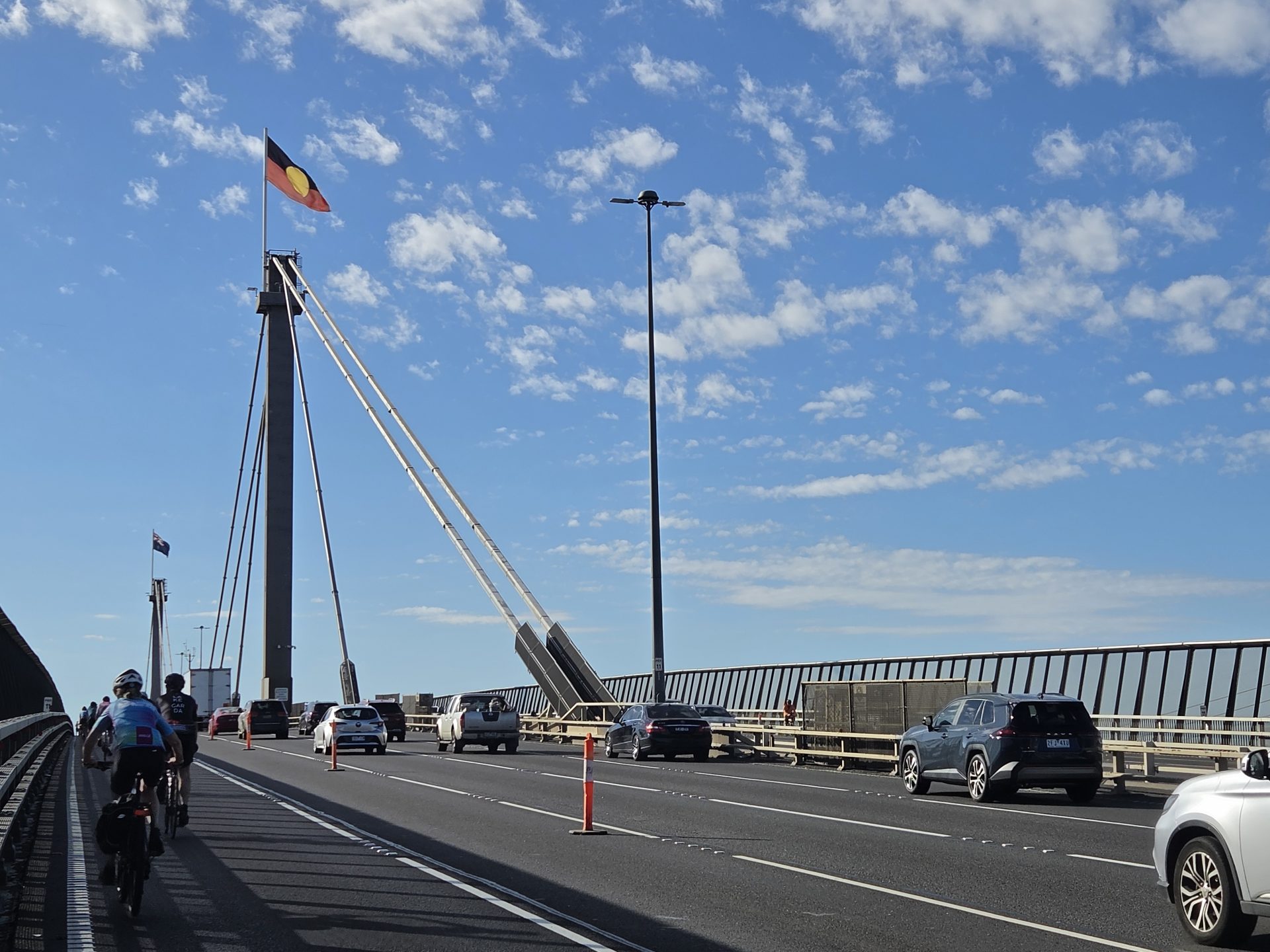
It’s approximately 19 km from Albert Park to the first aid station. The first major highlight of the course is crossing West Gate Bridge by bicycle.
Normally reserved for motor vehicles, the bridge opens to cyclists for this one special day. Having traveled from Brisbane to take part, the entire event felt like an extraordinary experience to me. But I imagine that even for local riders, cycling across this bridge is a rare and exciting opportunity.
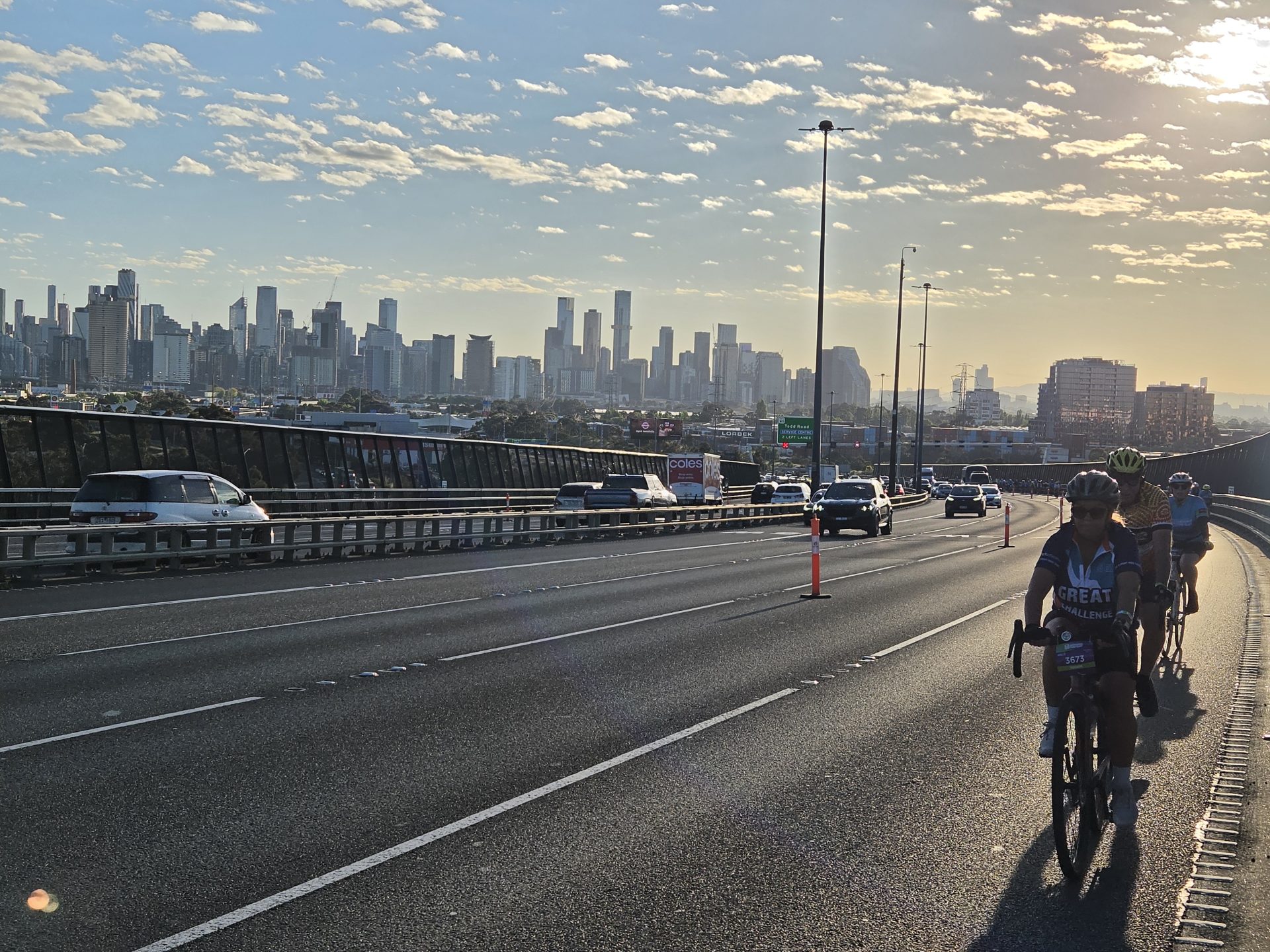
The climb up the bridge takes a little effort, but the reward is the downhill ride on the other side. In fact, this bridge is pretty much the only significant climb and descent along the entire 100 km course. That’s reassuring news for anyone who might feel a little intimidated by the distance.
After crossing the bridge, we arrived at the aid station in Williamstown, where we were greeted by a beautiful harbor view, with the sea stretching out before us.
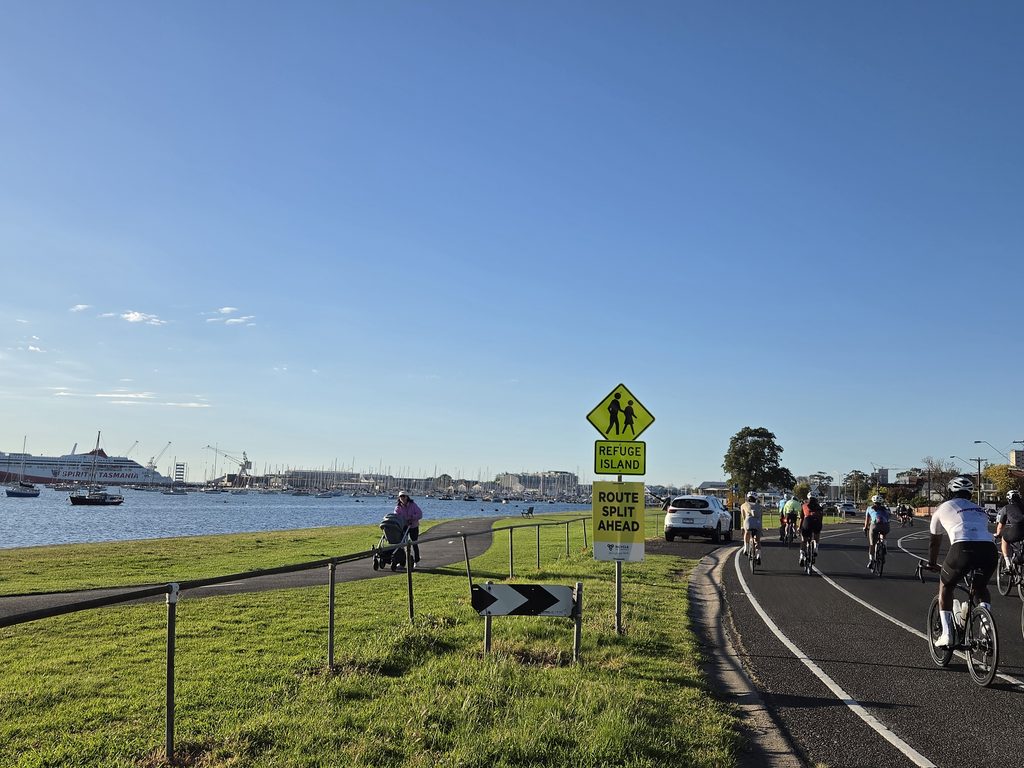
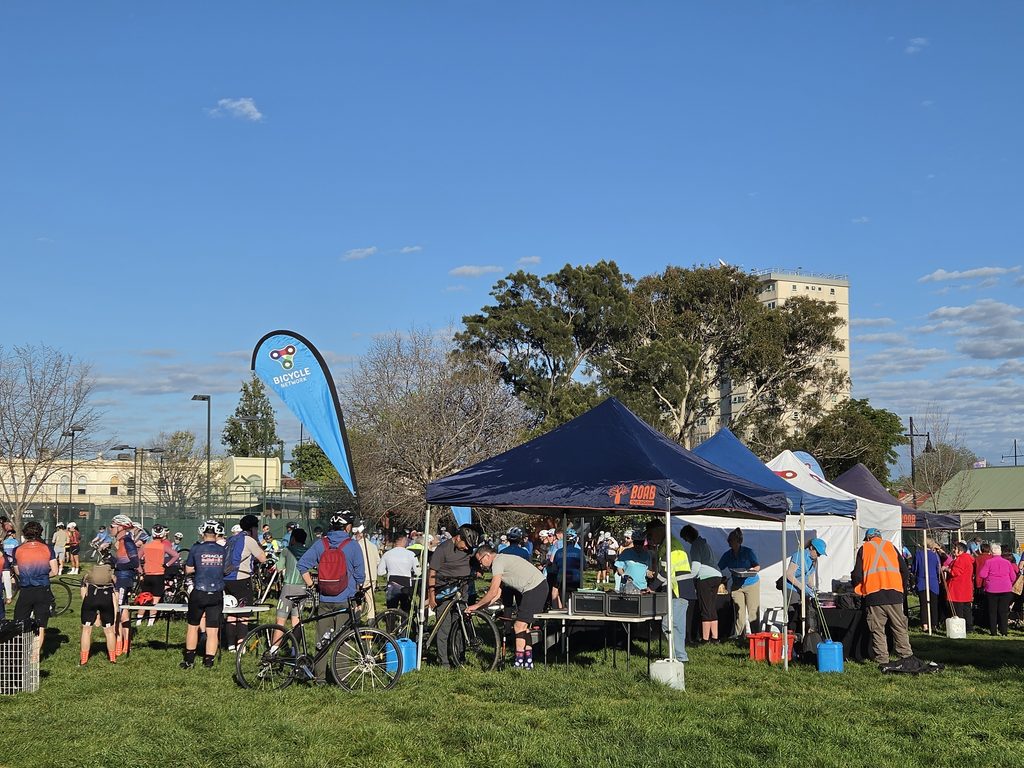
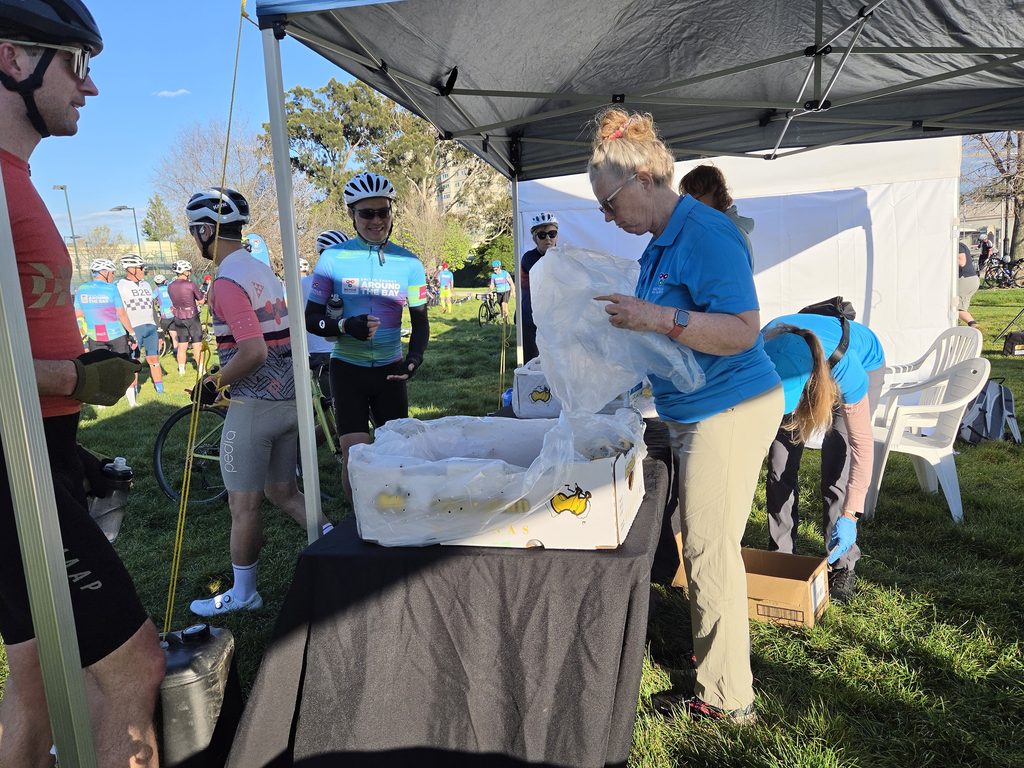
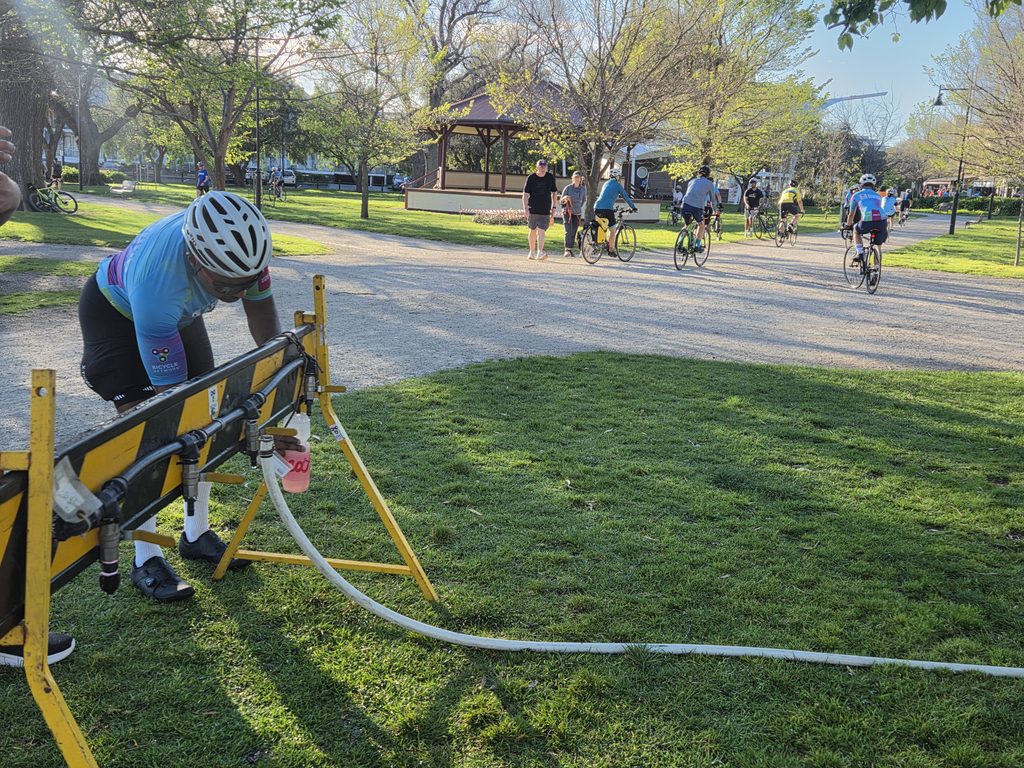
After taking a short break to refill our water bottles and enjoy some bananas, we said goodbye to the riders I’d been cycling with and continued on at our own pace.
3. Coffee and Melbourne’s Famous Lamington at the 50 km Mark in Elwood
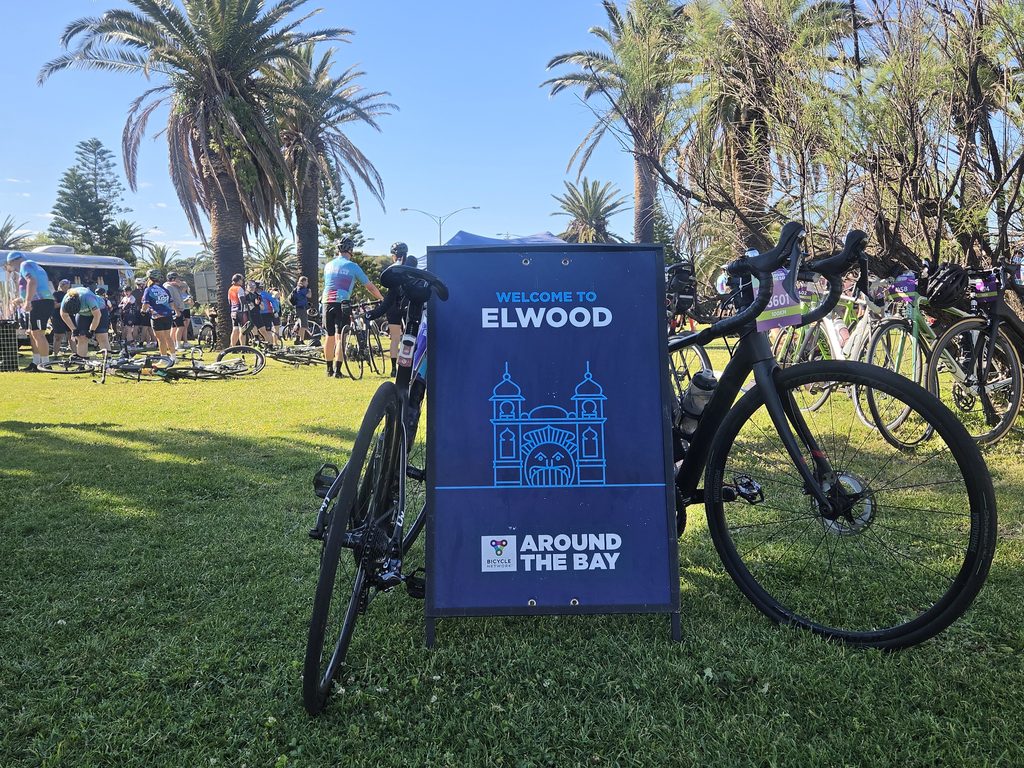
After passing Albert Park, my next destination was Elwood, at the 50 km mark. What caught my eye there was a classic Australian treat: the lamington. It’s a traditional Australian sweet made from sponge cake coated in chocolate and rolled in desiccated coconut.
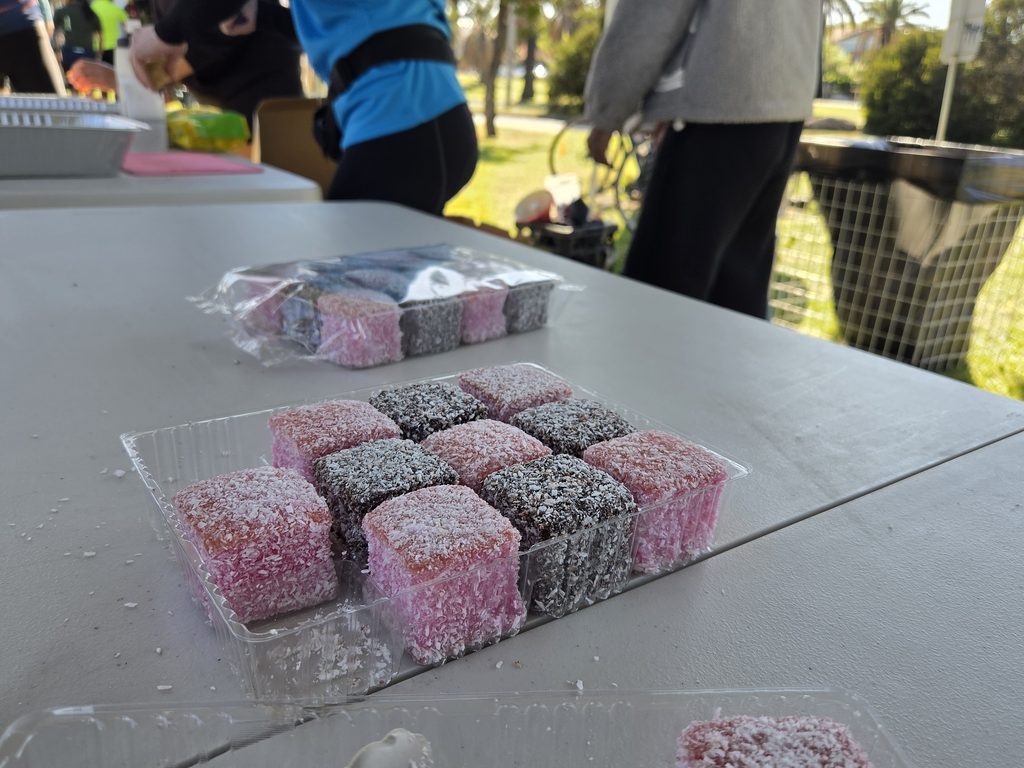
I also picked up a flat white, another Australian favorite, from a coffee truck, and it paired perfectly with the lamington. After all that cycling, the combination of rich coffee and a sweet lamington was just what I needed for a refreshing break.
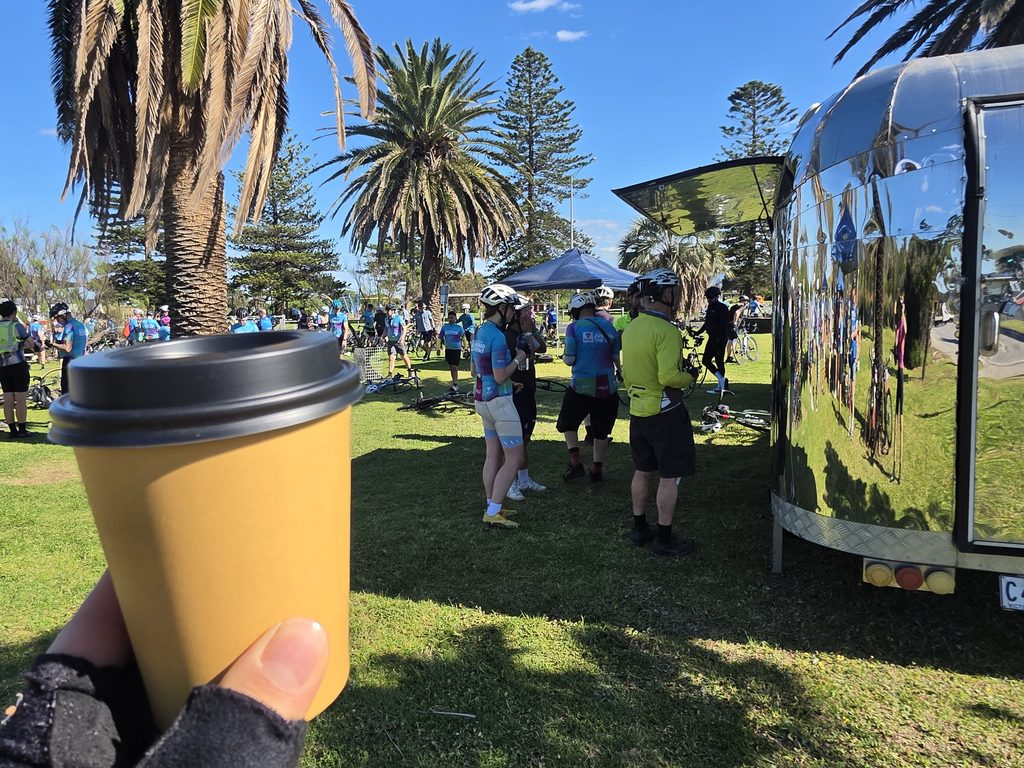
The aid station also gave me a chance to chat with other participants. Some were friends who regularly rode together, while others were groups of colleagues from a local city council who had even made matching cycling jerseys for the event.
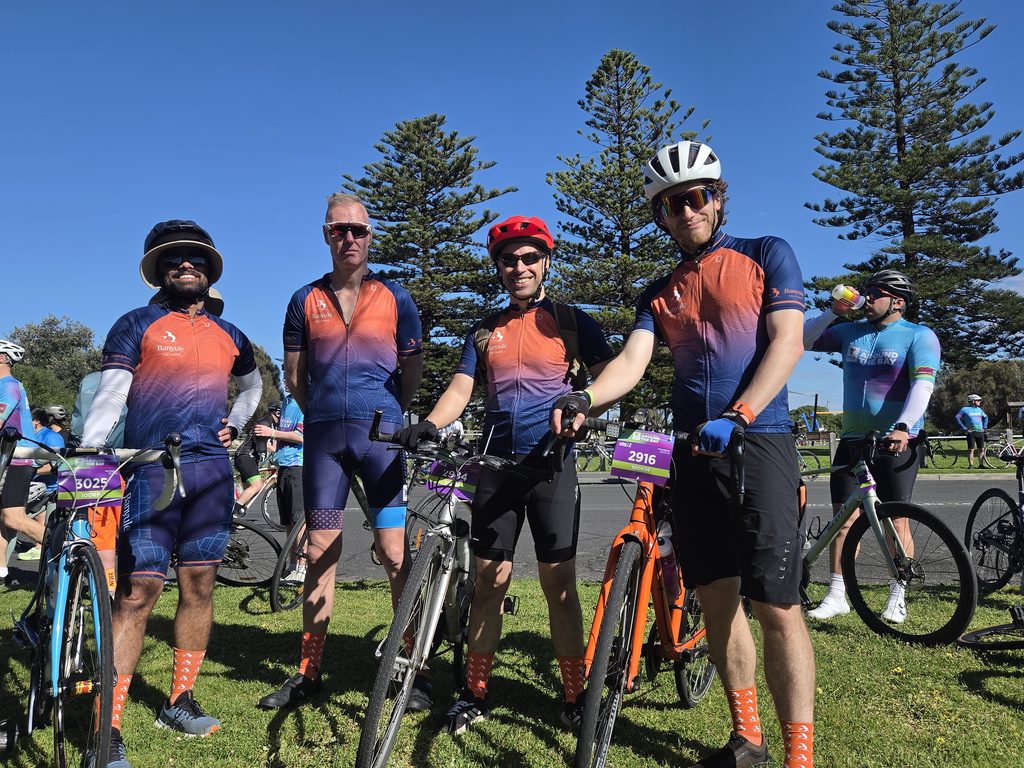
I realized that Around the Bay is more than just a large-scale event attracting riders from far and wide. It’s also a community event deeply rooted in the local area, where people come together to enjoy cycling with friends and colleagues.
4. Ocean Views in the Second Half of the Ride
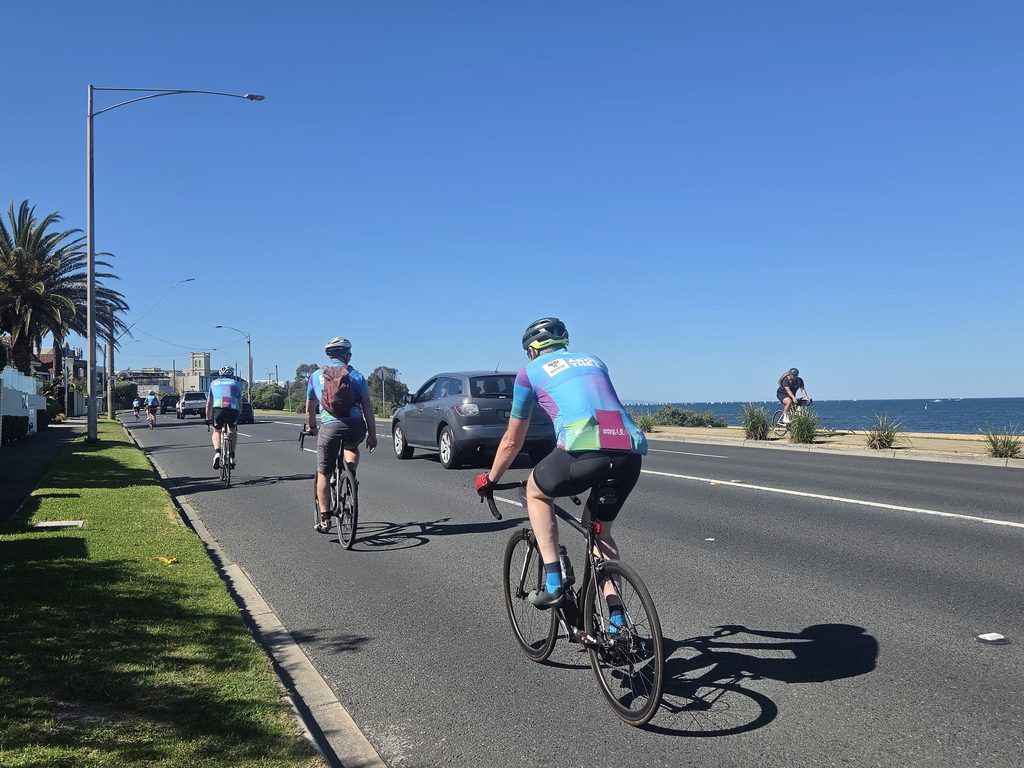
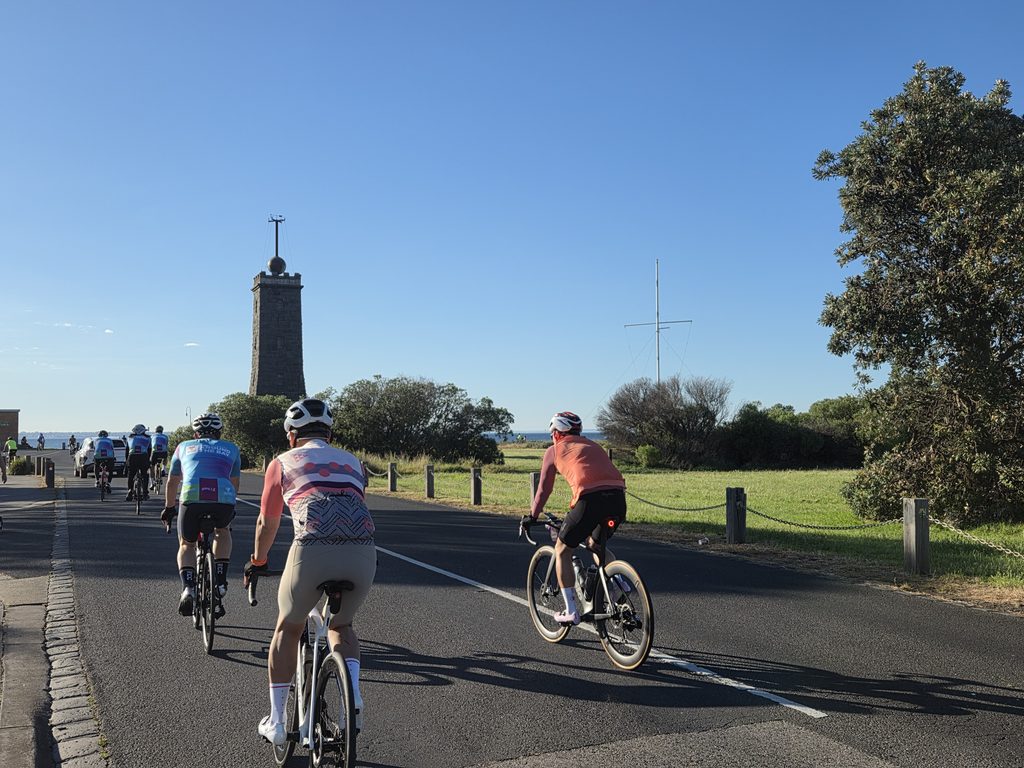
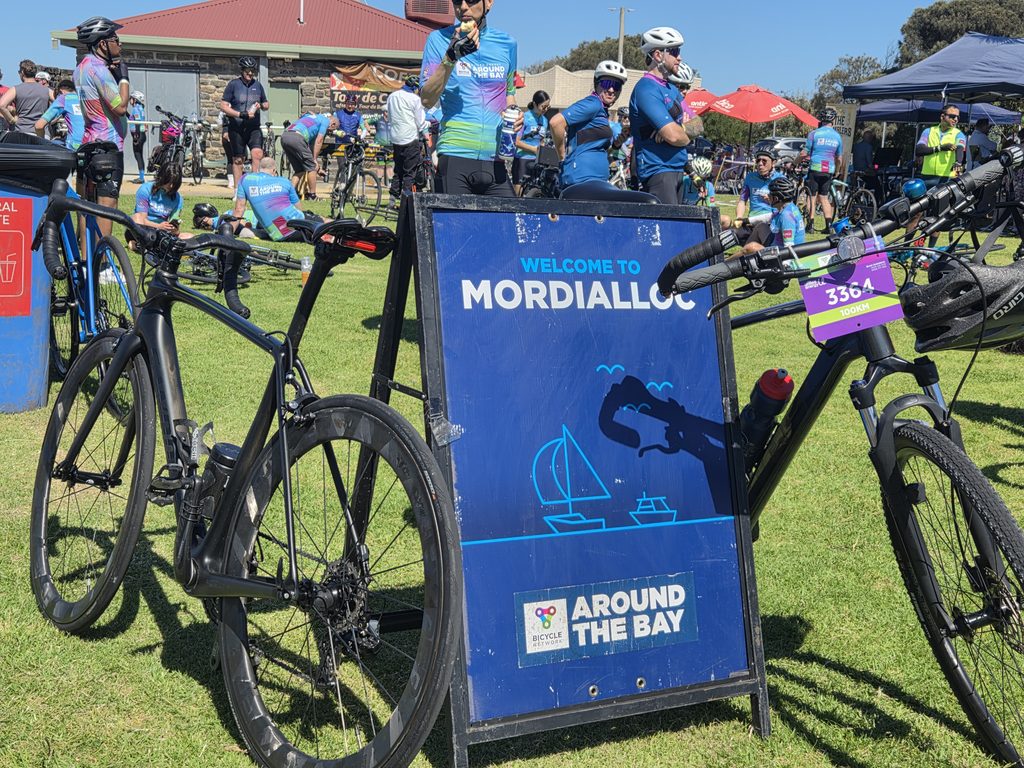
From Elwood, I headed toward Mordialloc at the 70 km mark. This section follows the coastline, with cyclists sharing the road with regular traffic. As a result, there were more frequent stops and starts at traffic lights.
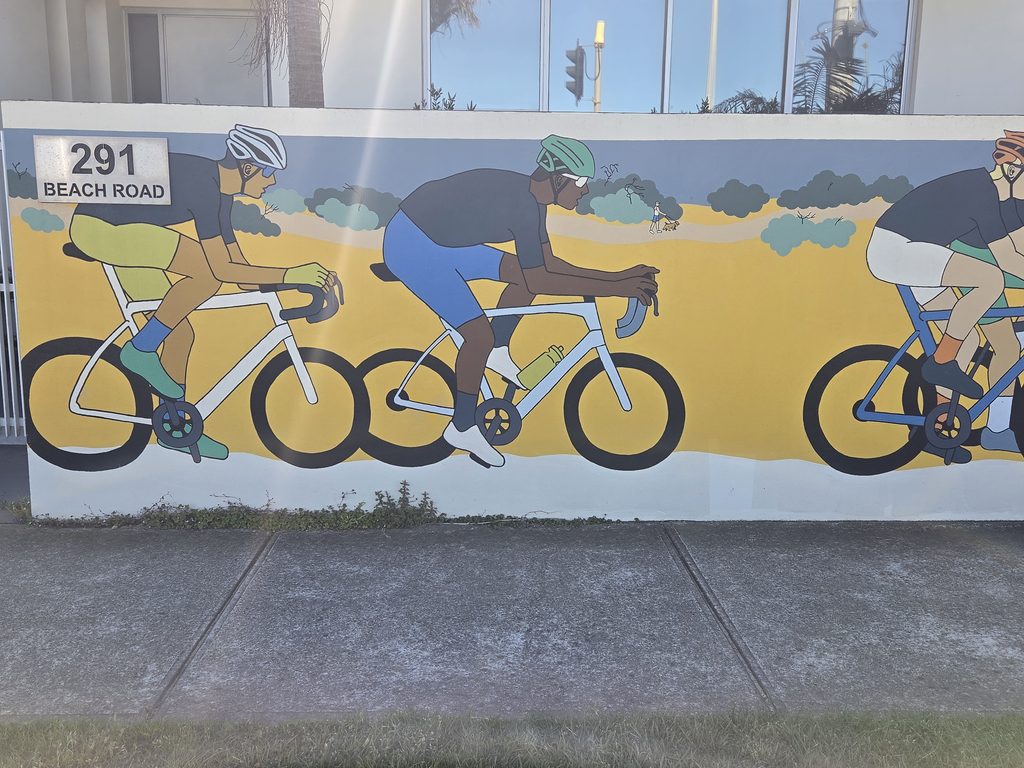
Having to stop just as I was picking up speed, then start pedaling again, gradually took its toll on my energy. It made me realize how important it was not to push too hard in the first half of the ride. Even so, the riders were fairly spread out, each maintaining their own pace, and with the wind in our favor, I was able to make relatively smooth progress.
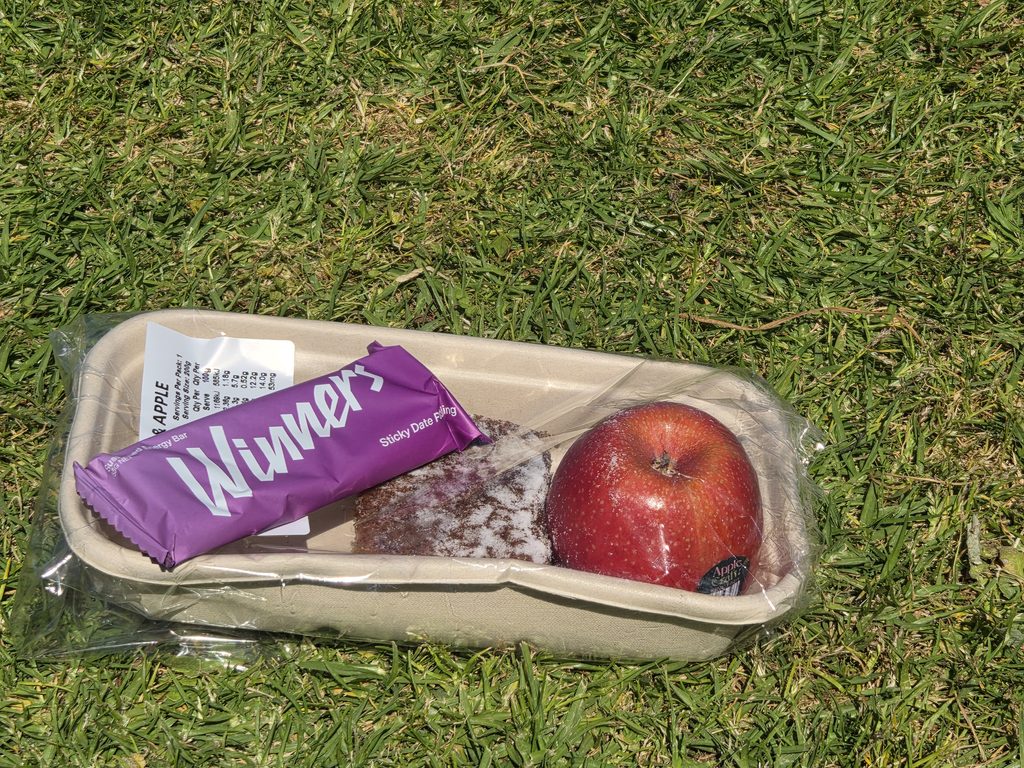
At the Mordialloc aid station, we could refill our bottles with water or an electrolyte sports drink. Bananas, banana cake, and apples were also available to help us refuel.
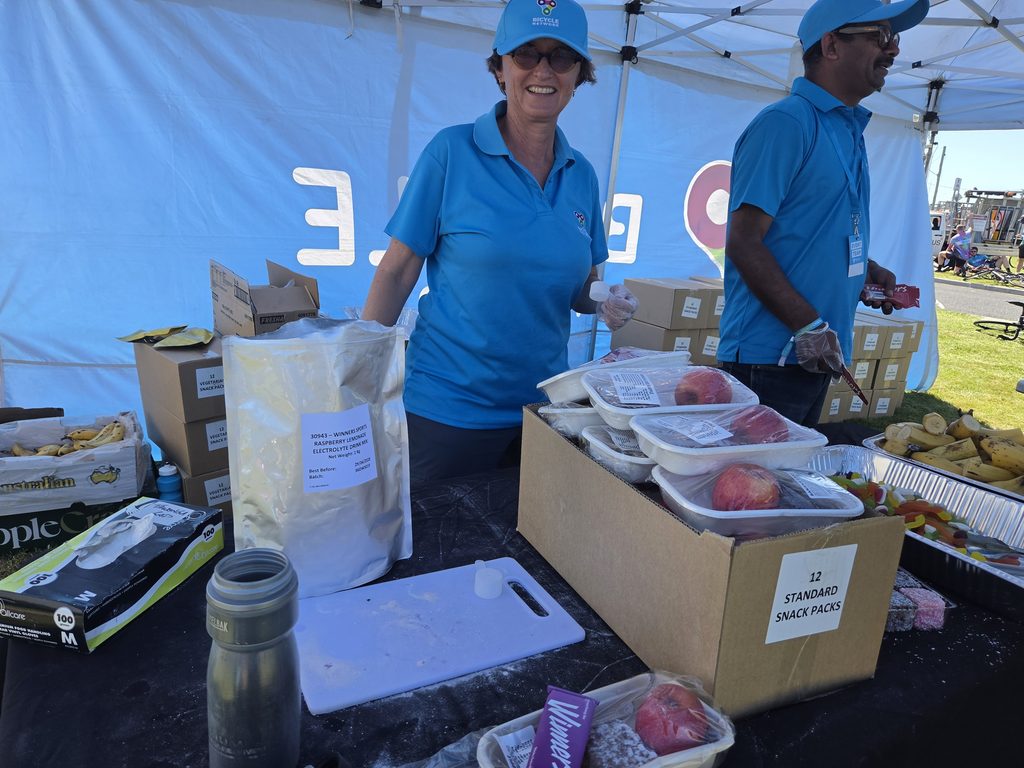
I usually find Australian apples a little too tart for my liking, so I don’t often go out of my way to eat them. But on this day, their refreshing tartness tasted especially good after all that cycling. The juicy, crisp flavor was just what I needed to feel refreshed.
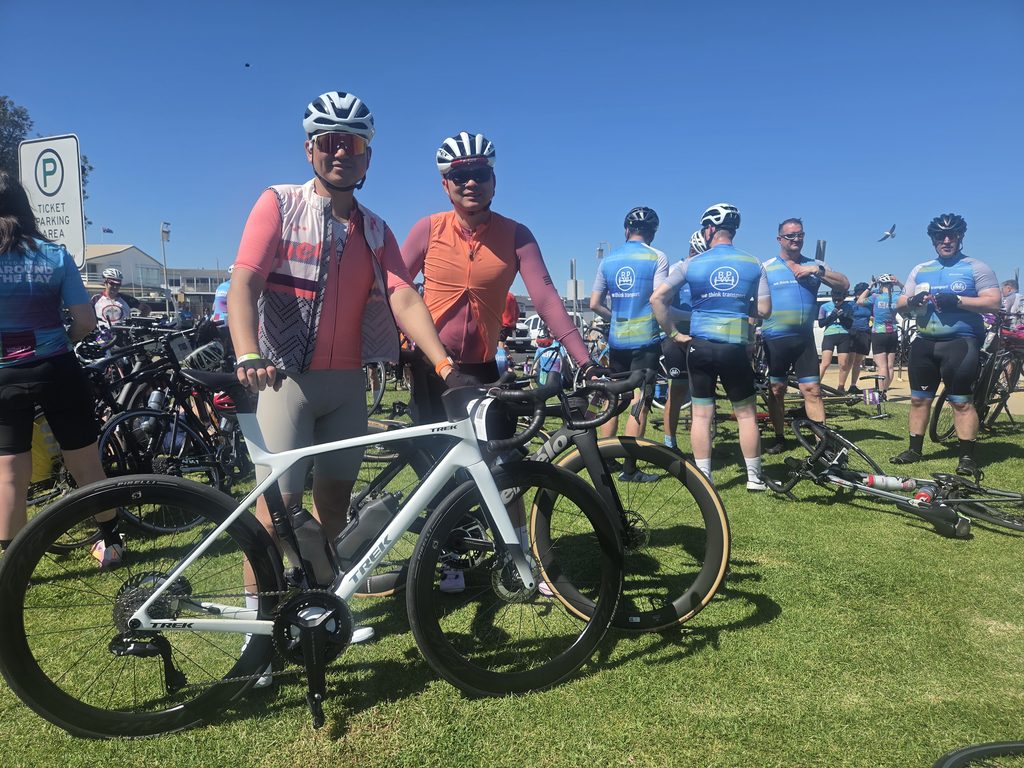
Along the coast, locals were enjoying their day off while tourists explored the area. What struck me was how naturally the cycling event blended into the everyday life of the city.
5. Mechanical Trouble at the 70 km Mark!
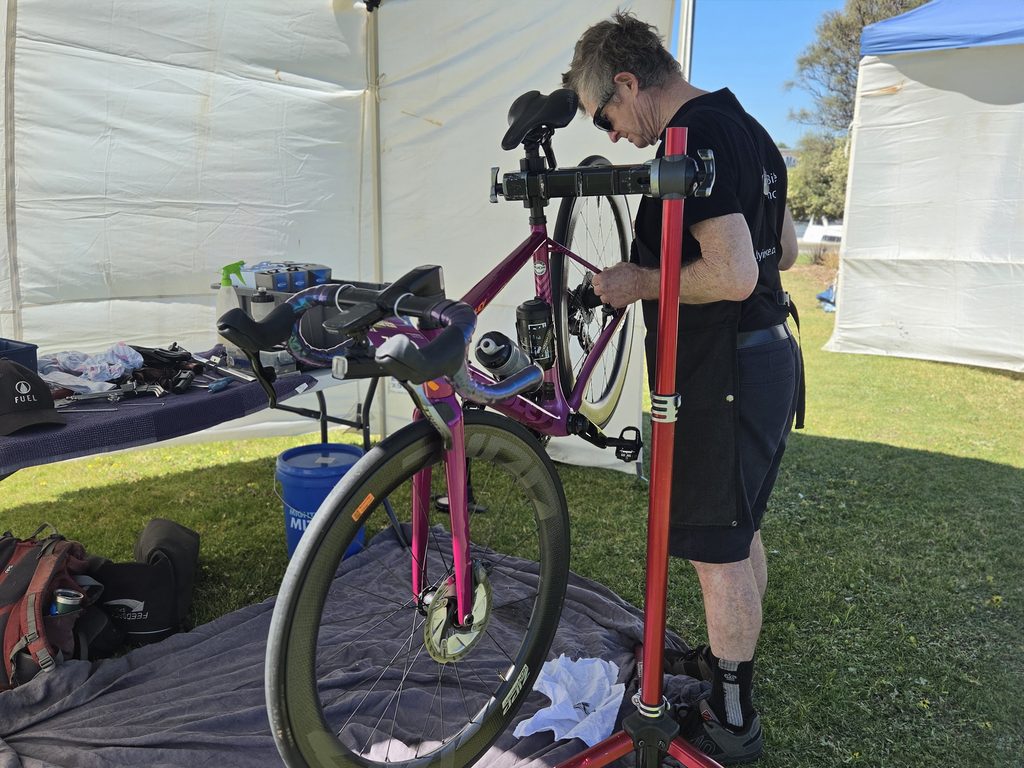
After finishing my break, I was about to set off for the final 30 km when I heard a strange noise coming from my rear wheel. It sounded as though the brake rotor was rubbing against the pads.
Having only just had a problem caused by transporting my bike by plane repaired the day before, I was understandably worried to encounter another issue. So I turned back to the aid station and asked a mechanic for help.
After inspecting the bike and making a few minor adjustments on the spot, the scraping noise was significantly reduced. With that taken care of, I was ready to tackle the remaining 30 km.
As someone who had traveled from afar with my own bike, it was incredibly reassuring to know that mechanics were available to provide support during the event.
6. The Final 30 km: Beautiful Beaches and a Melbourne Weekend
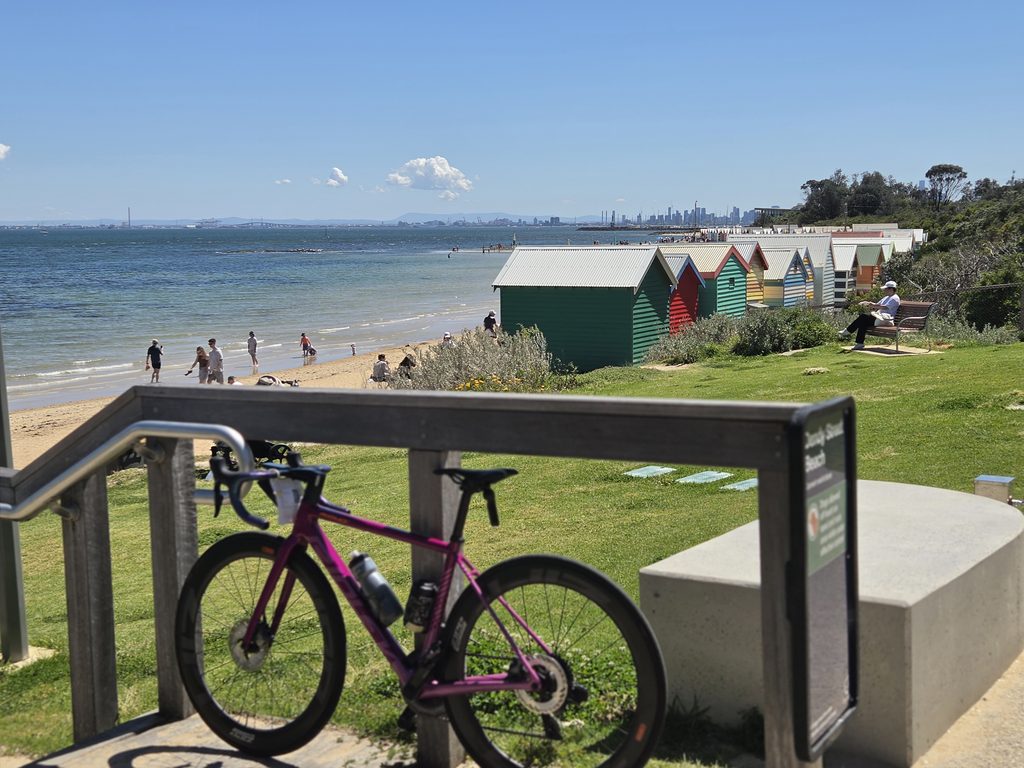
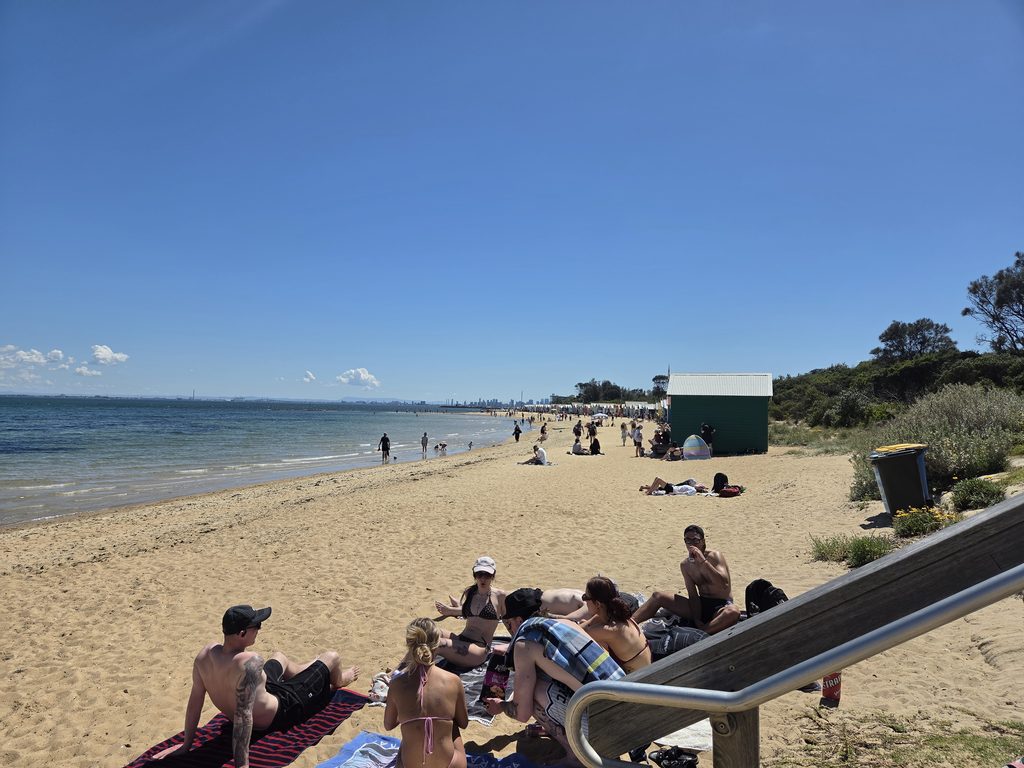
After leaving Mordialloc, we faced a headwind on the return journey. Having enjoyed a relatively smooth ride up to that point, the extra effort felt a little tough. Even so, beautiful coastal scenery kept appearing along the way, from the colorful Brighton Bathing Boxes lining the famous beach to the stunning views of Half Moon Bay.
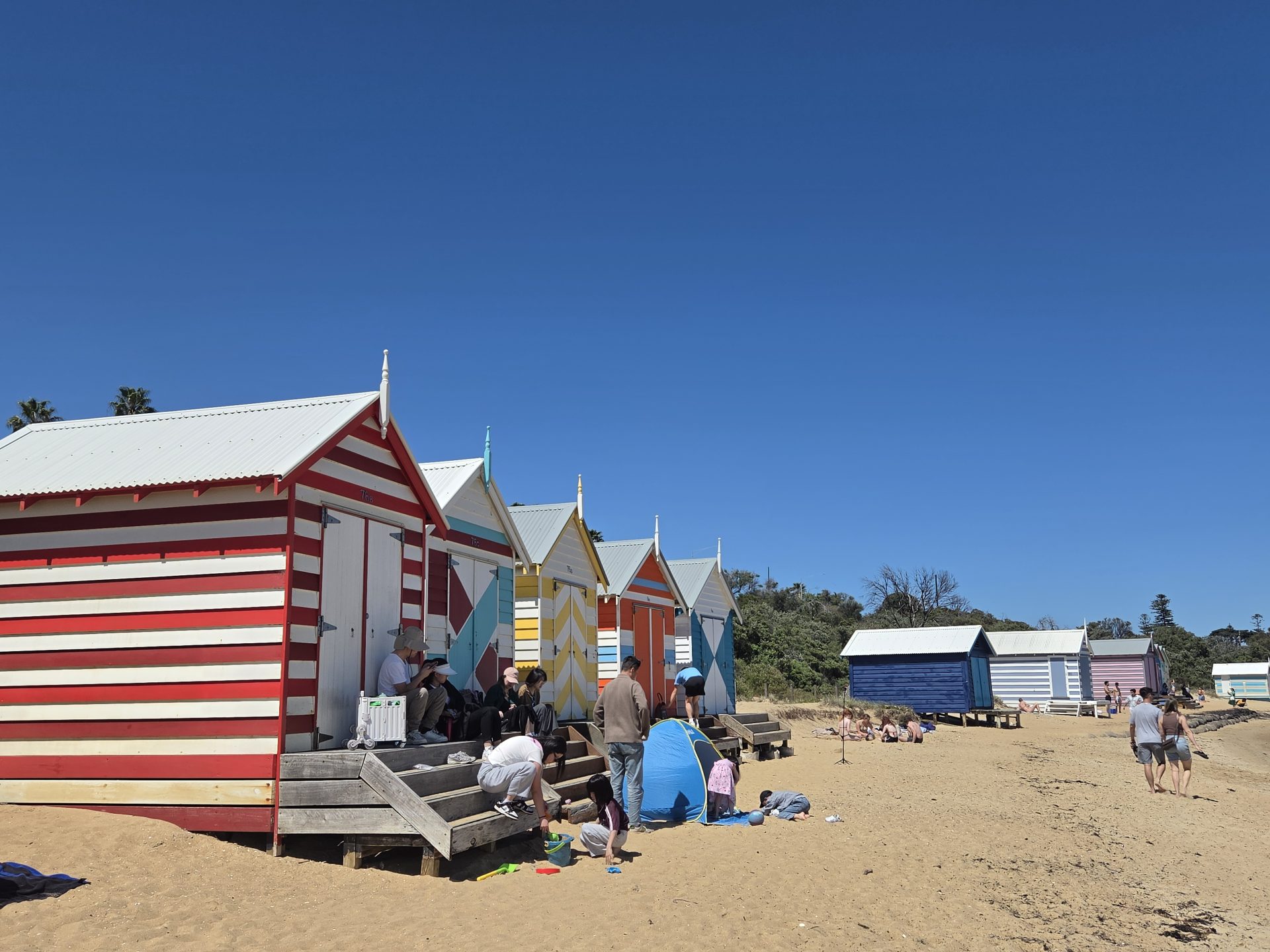
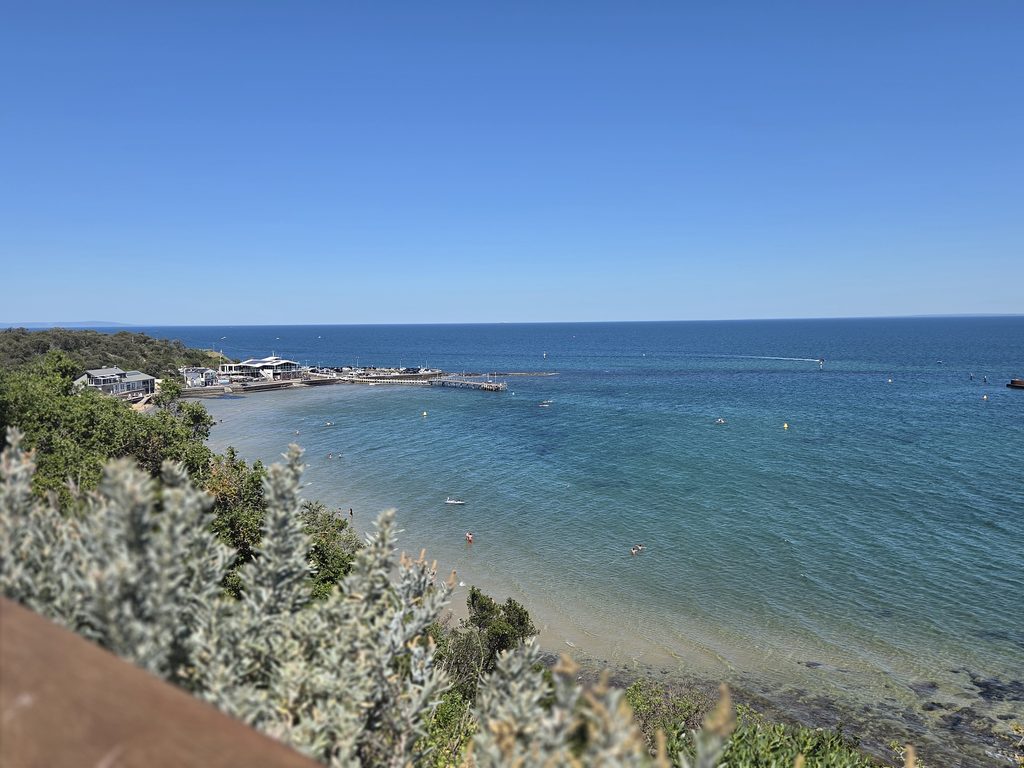
The temperature, which had been around 13°C in the morning, climbed to about 26°C during the day. Along the coast, locals were relaxing and enjoying their time at the beach. One of the pleasures of this event is getting a glimpse of how people in Melbourne spend their weekends as you cycle through the city.
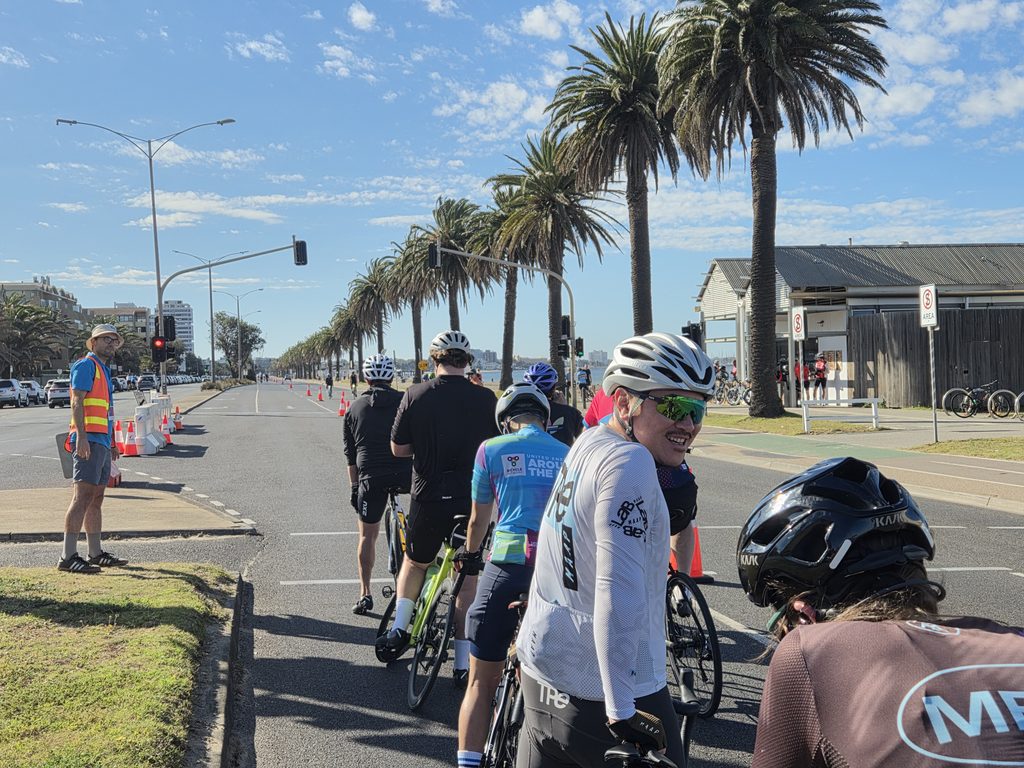
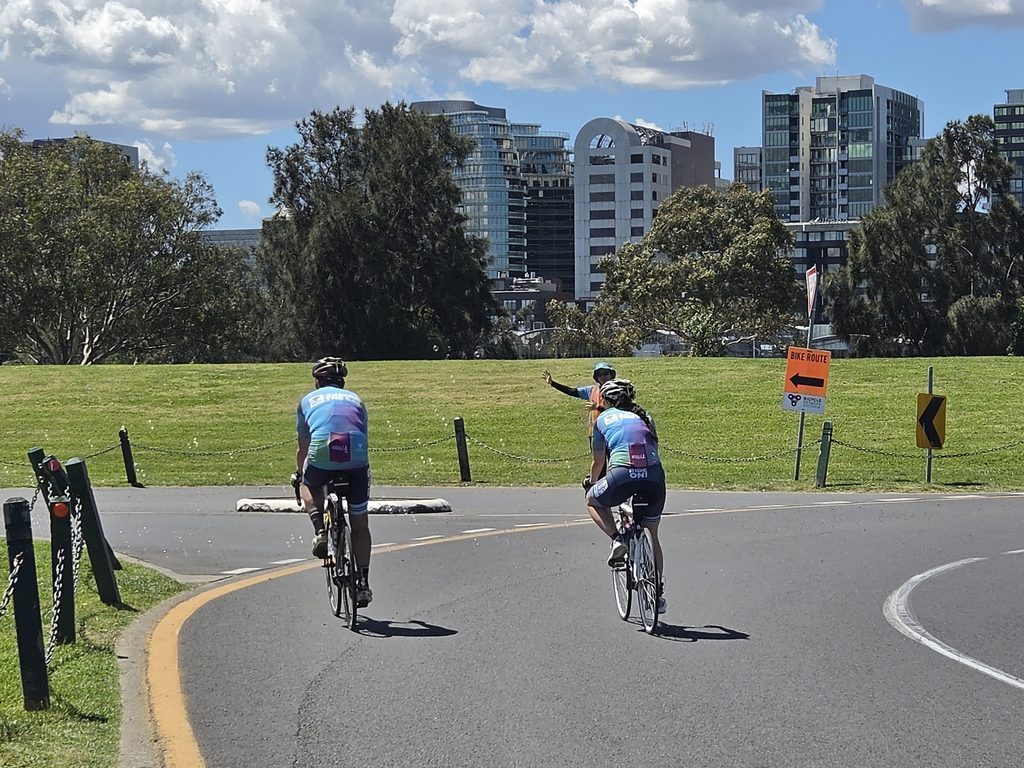
After passing the 90 km mark, the route finally headed back into the city. Roads were closed to traffic for the event, and volunteer marshals were stationed at key points to guide riders along the way. With about 3 km to go, I entered Albert Park once again and headed toward the finish line.
Just before the finish line, a delightful surprise awaited us: bubbles floating through the air! I rode through the bubbles and crossed the finish line, successfully completing the 100 km ride.
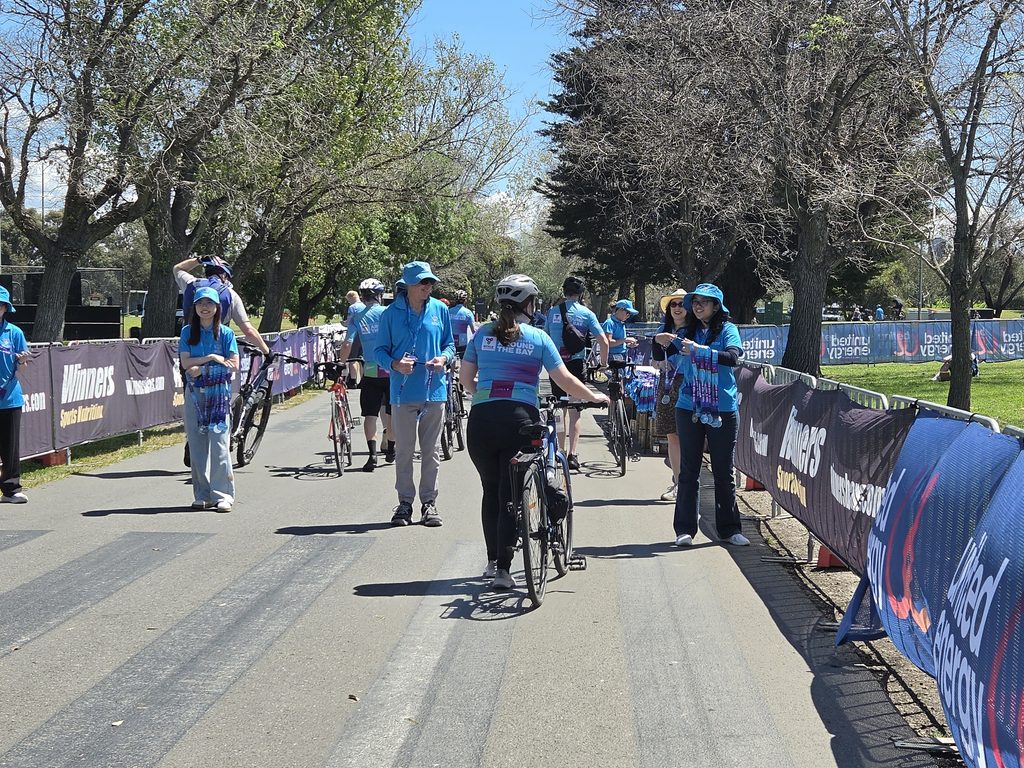
As I got off my bike, volunteers placed a finisher’s medal around my neck. Despite the mechanical trouble along the way, it was a heartwarming welcome at the finish line and a wonderful way to end the ride.
7. Reflections on Riding Around the Bay 100 km
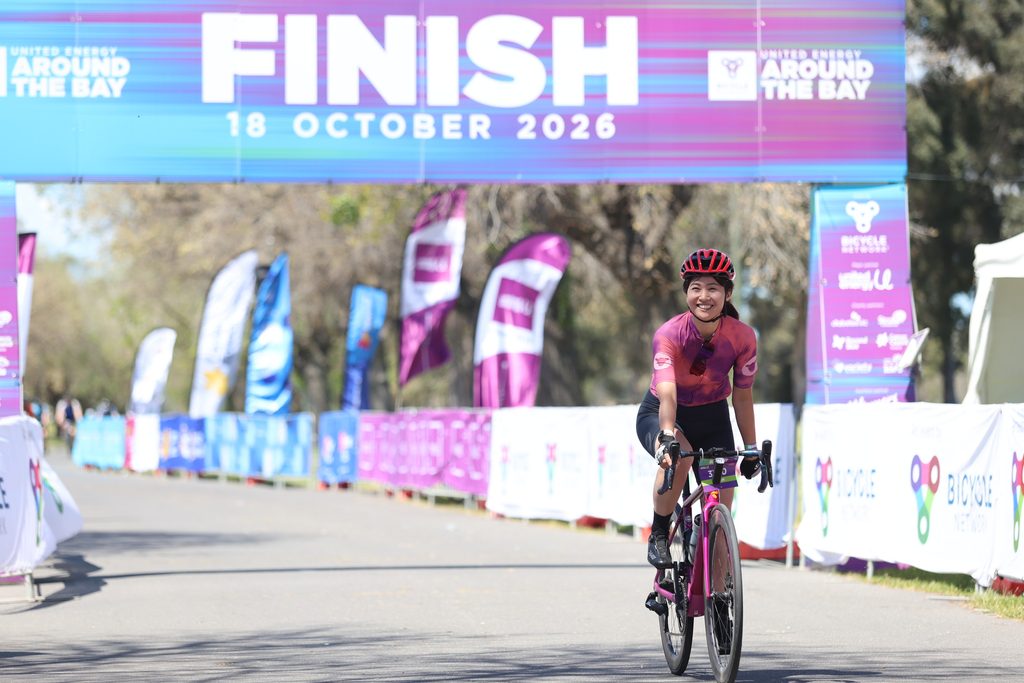
After riding the course myself, I felt that Around the Bay could be a great option for cyclists attempting their first 100 km ride.
Not everyone was riding a road bike. I spotted cross bikes, flat-handlebar bikes known as “hybrid bikes” in Australia, fat bikes, and even bikes similar to everyday city bikes. Even among road bike riders, many were using flat pedals and regular sneakers rather than clipless pedals and cycling shoes.
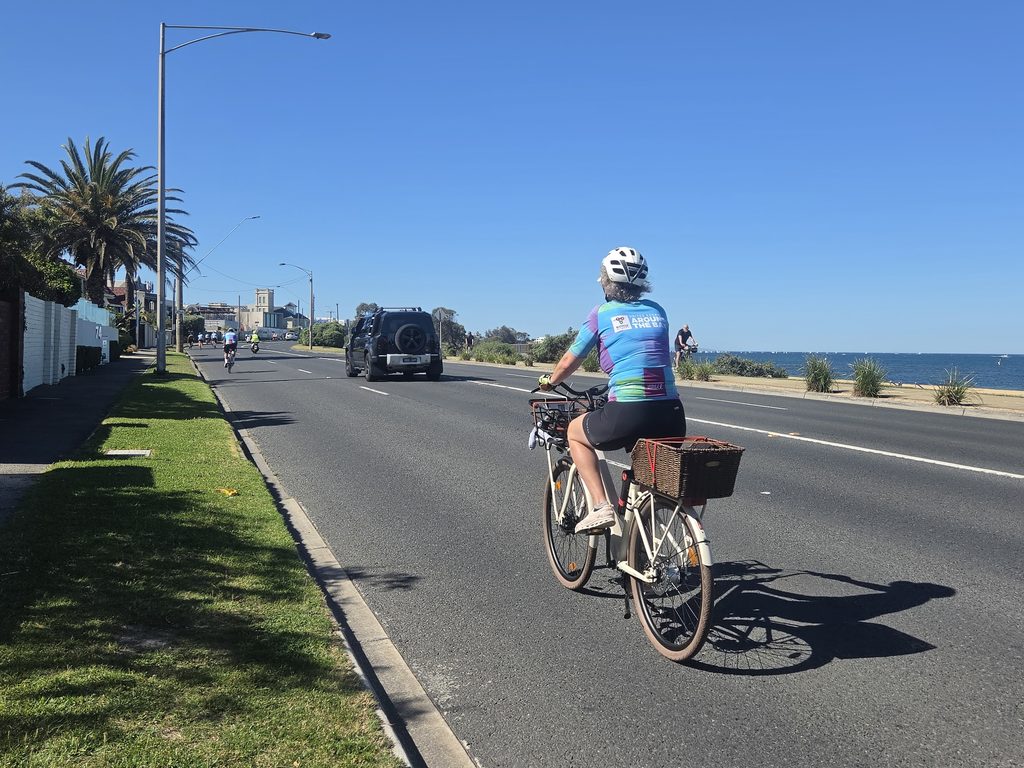
Unlike competitive road races, Around the Bay has a welcoming atmosphere where cyclists can participate with a wide variety of bikes and riding styles. That said, not everyone was a beginner, and I got the impression that many participants were fairly experienced cyclists.
My own average speed was around 23 km/h, and I felt that many other riders were cruising at roughly 23–28 km/h. But what impressed me even more was their excellent cycling etiquette. Riders used hand signals when changing direction or slowing down, kept to the left to allow others to overtake on the right, and rode in single file on narrower sections of the road. Even when sharing the road with regular traffic, everyone seemed mindful of their surroundings and respectful of each other’s pace.
The course is relatively flat, with approximately 751 m of elevation gain. West Gate Bridge accounts for the main climb and descent, and there are three aid stations along the route.
Of course, completing 100 km still requires physical fitness and preparation, and the difficulty can vary depending on the wind and weather conditions. Even so, I felt that Around the Bay is an event well worth considering as a goal for anyone looking to take on their first 100 km ride.
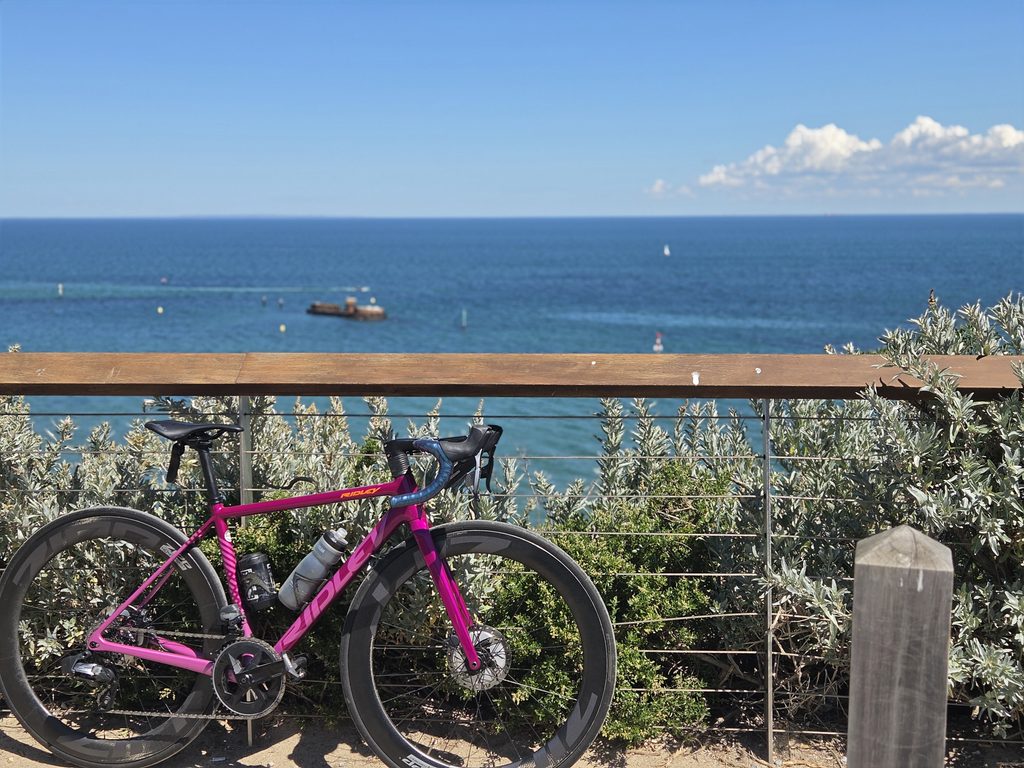
8. Why I Recommend This Melbourne Cycling Event to Riders from Japan
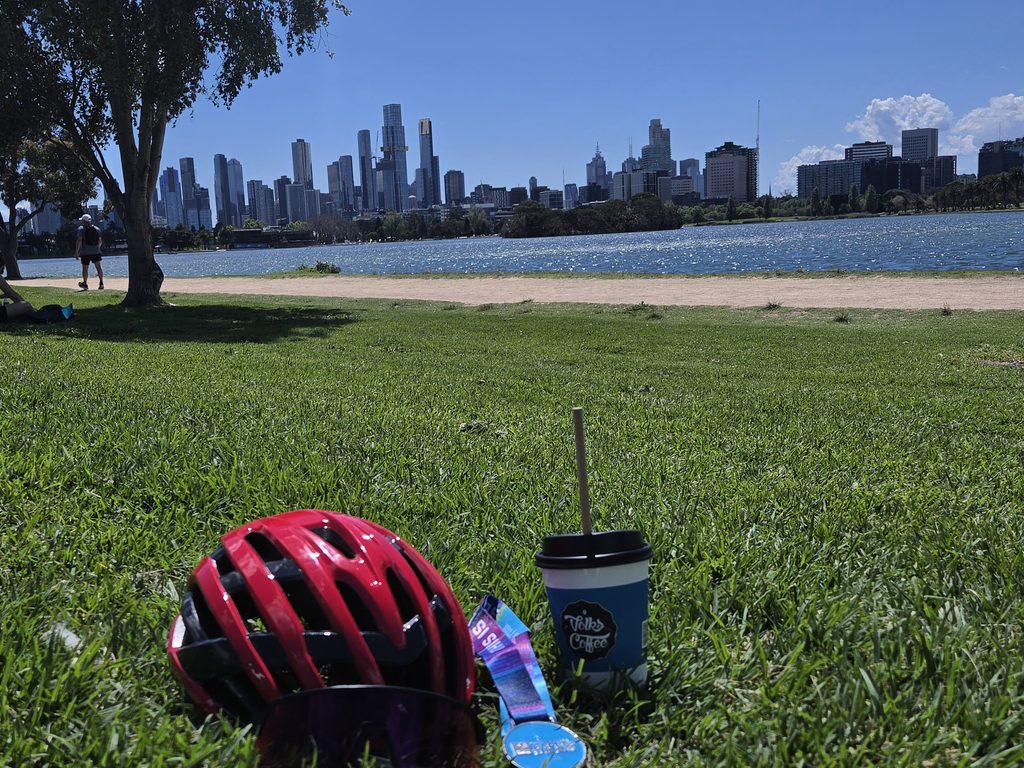
Not everything went smoothly on this ride. From damage to my bike during air travel to the strange noise coming from the brake rotor during the event, there were a few unexpected challenges along the way. Even so, thanks to the support of a local bike shop, event mechanics, and volunteers, I was able to complete the ride safely.
Enjoying beautiful views along the bay, cycling across a bridge normally reserved for cars, and sharing the roads with local riders. Then, at the finish line, being welcomed with floating bubbles and a finisher’s medal.
Another appealing aspect of this event is its accessibility. With convenient transport from the airport to central Melbourne and easy access to the event venue, it’s possible to take part while staying in the city. I would definitely recommend considering Around the Bay if you’re looking to tackle your first 100 km ride, or if you’re interested in cycling events overseas but feel a little nervous about riding through unfamiliar streets and roads.
With the right preparation and a focus on riding at your own pace, completing 100 km can be an incredibly rewarding experience.
This trip, riding through Melbourne’s spring breeze, left me with more than just the satisfaction of finishing. What stayed with me most was the reassurance of riding in a supportive environment and the warmth of the people I met through cycling.
Bonus 1. SkyBus: A Convenient Way to Reach the City with Your Bike
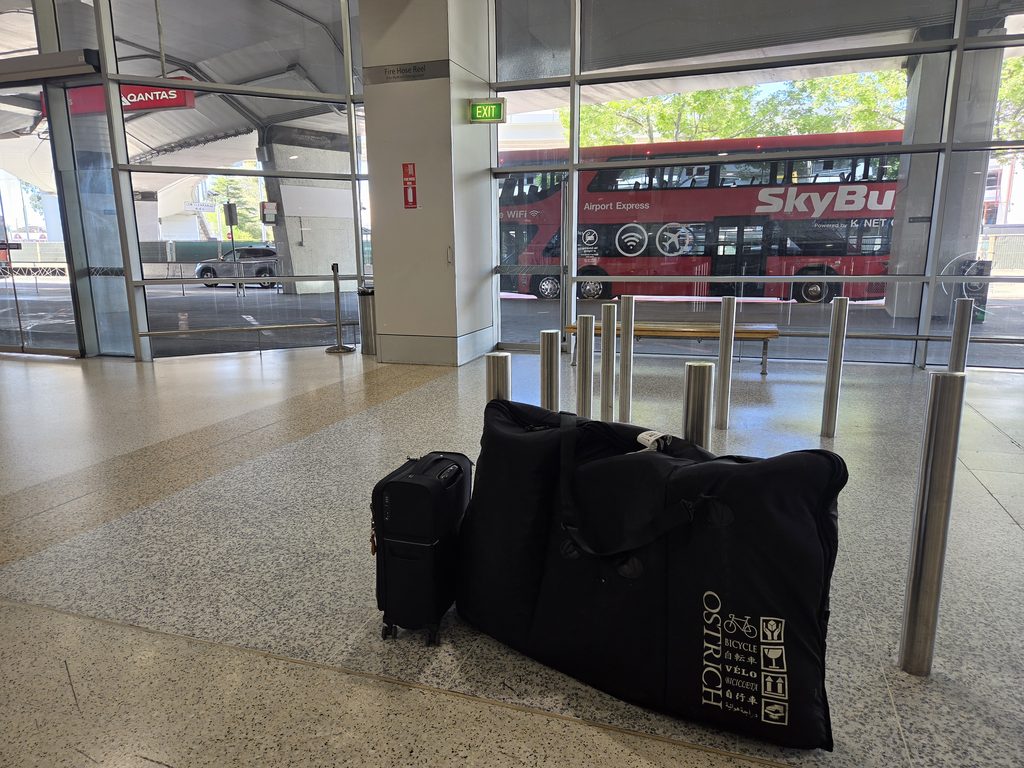
The flight from Brisbane to Melbourne takes approximately two hours. Direct flights are also available from Tokyo, making Melbourne a relatively accessible destination for travelers from Japan.
In Victoria, where Melbourne is located, daylight saving time begins in October. During this period, Melbourne is two hours ahead of Japan.
From Melbourne Airport, it takes approximately 25 minutes to reach the city center by SkyBus, the airport shuttle service. Tickets can be booked online or purchased directly from ticket machines at the bus stop. A one-way ticket cost AUD 25.90 (approximately JPY 2,700).
As of October 2026.
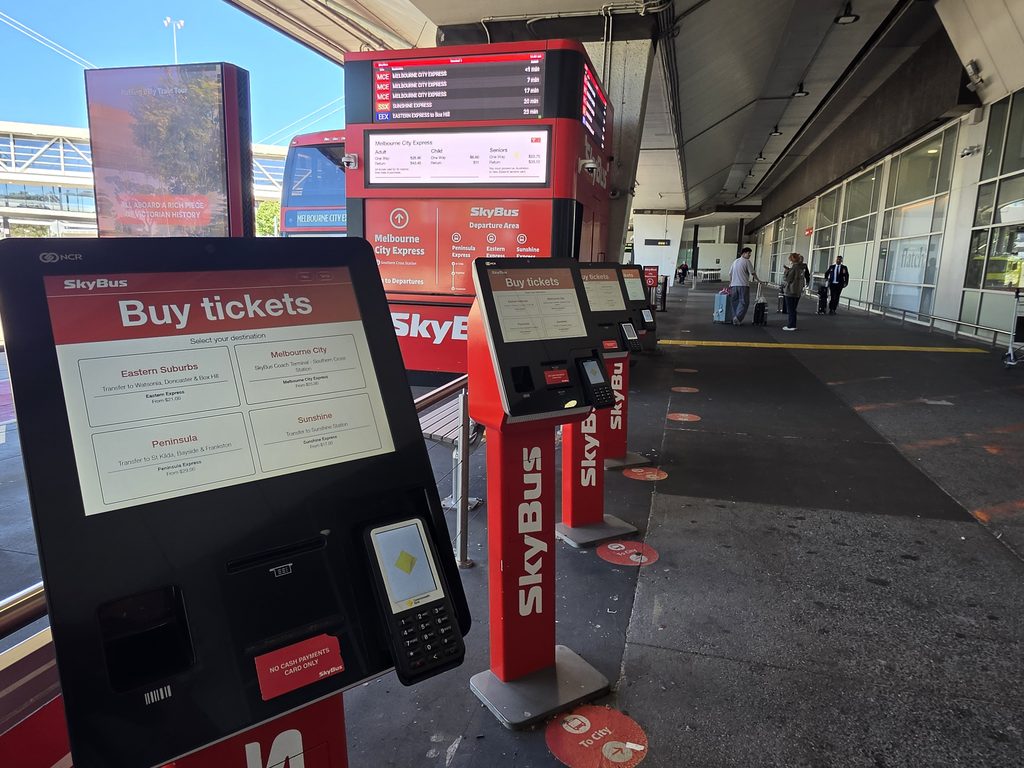
For this trip, I packed my bike in a soft bike bag and brought it with me on the plane. One of my concerns was how to get from the airport to the city with my bike, but fortunately, I had no trouble bringing it aboard the SkyBus.
The SkyBus terminates at Southern Cross Station. From there, I took a taxi to my hotel near Albert Park, the starting point of the event.
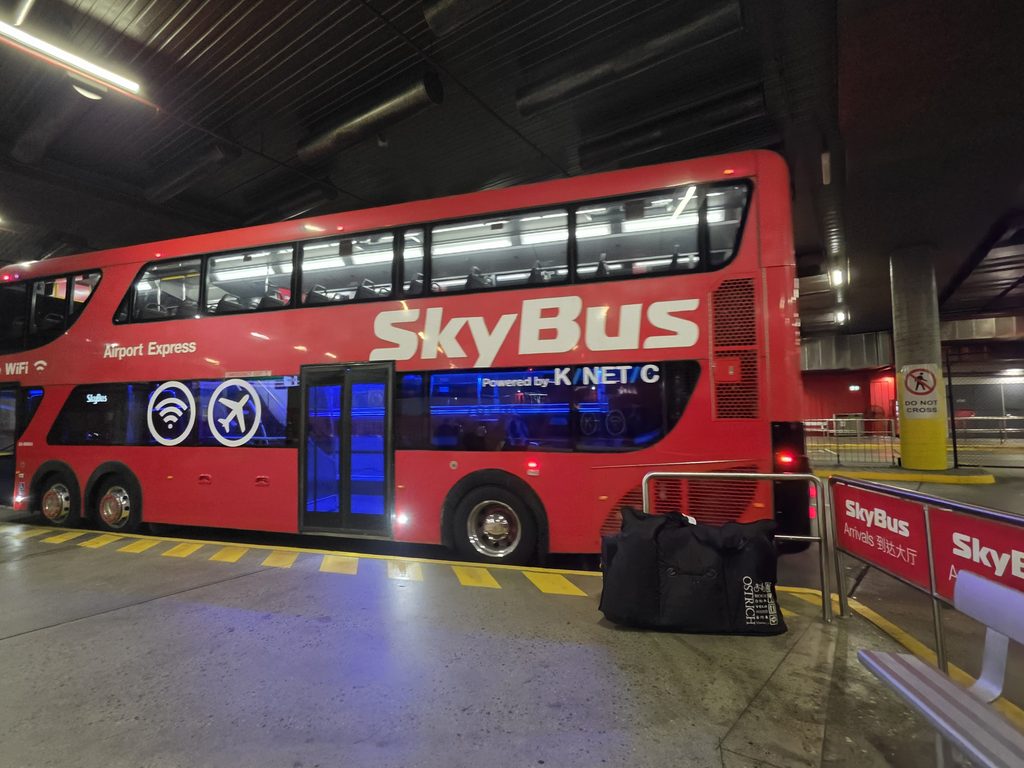
When traveling overseas with your bike, getting from the airport to your accommodation is something worth planning in advance. By combining the SkyBus and a taxi, I was able to transport my bike using public transportation for part of the journey.
Note: Information is current as of October 2026. Fares, bicycle transport policies, and flight schedules are subject to change. Please check the official SkyBus and airline websites for the latest information before traveling.
Bonus 2. An Unexpected Mechanical Problem! Turning to a Local Bike Shop for Help
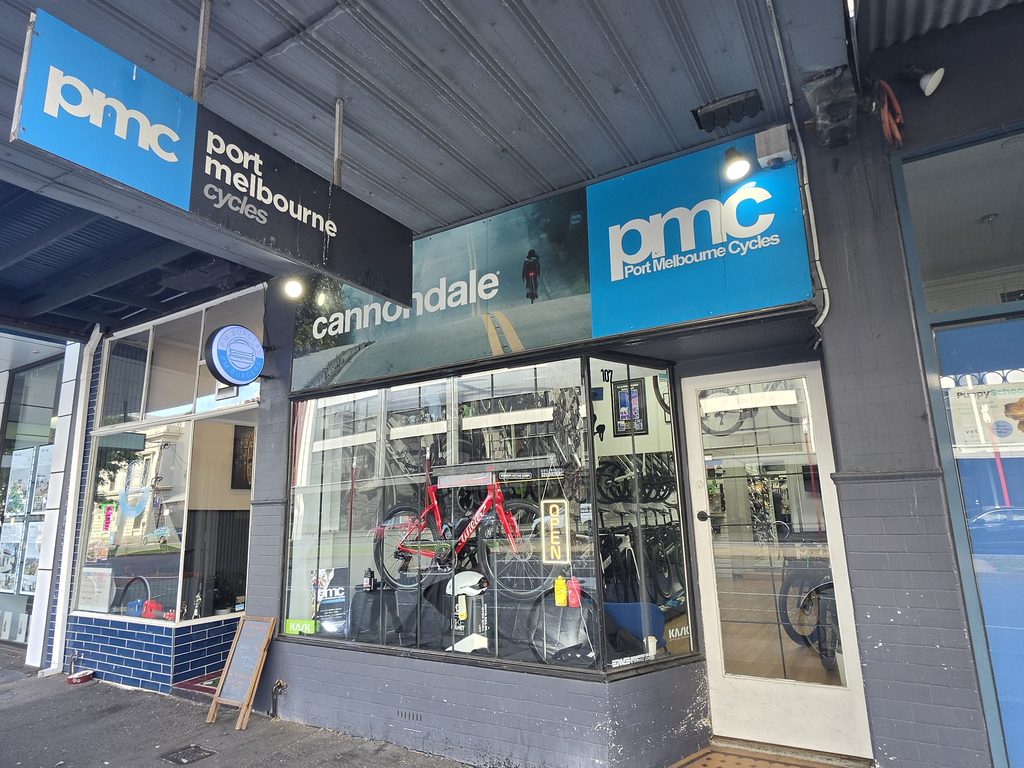
The day before the event, while assembling my bike at the hotel, I discovered that the rear derailleur hanger was badly bent inward and the rear brake rotor was severely warped. It was an unexpected mechanical problem just one day before the ride, and I suddenly found myself needing to find a bike shop that could make the repairs.
A local bike shop, Port Melbourne Cycles (PMC), had a booth at the event’s main venue. When I asked the staff for advice, they told me there might be a chance of repairing the bike if I brought it directly to their shop. So I packed up my bike, loaded it into an Uber, and headed there.
However, once the mechanics inspected my bike, it turned out that the derailleur hanger was bent far more severely than I had imagined. They explained that they might just be able to straighten it, but couldn’t guarantee that the bike would be rideable the next day.
I was extremely worried. After traveling all the way to Melbourne, there was a real possibility that I wouldn’t even make it to the starting line.
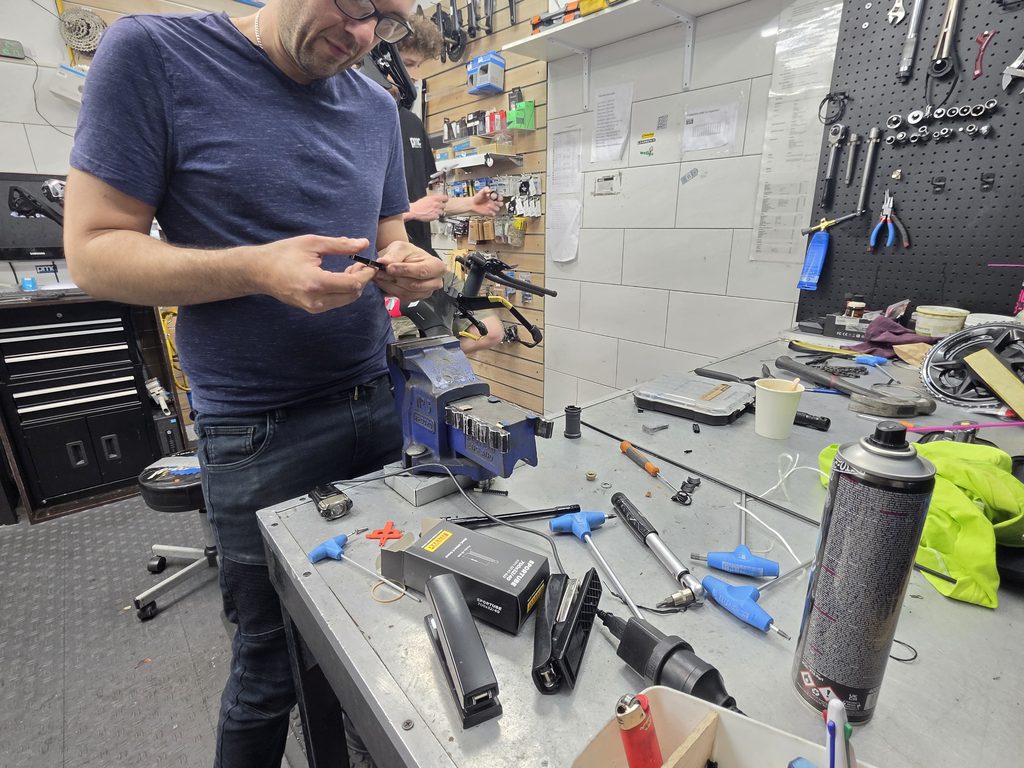
The repairs turned out to be more extensive than expected, but after about an hour of work, I was finally able to get my bike ready for the following day’s ride.
Port Melbourne Cycles does much more than simply set up a booth at the event venue. As a local bike shop, it also plays an active role in supporting the event, providing mechanical assistance to participants and even serving as motorcycle marshals to help with event operations.
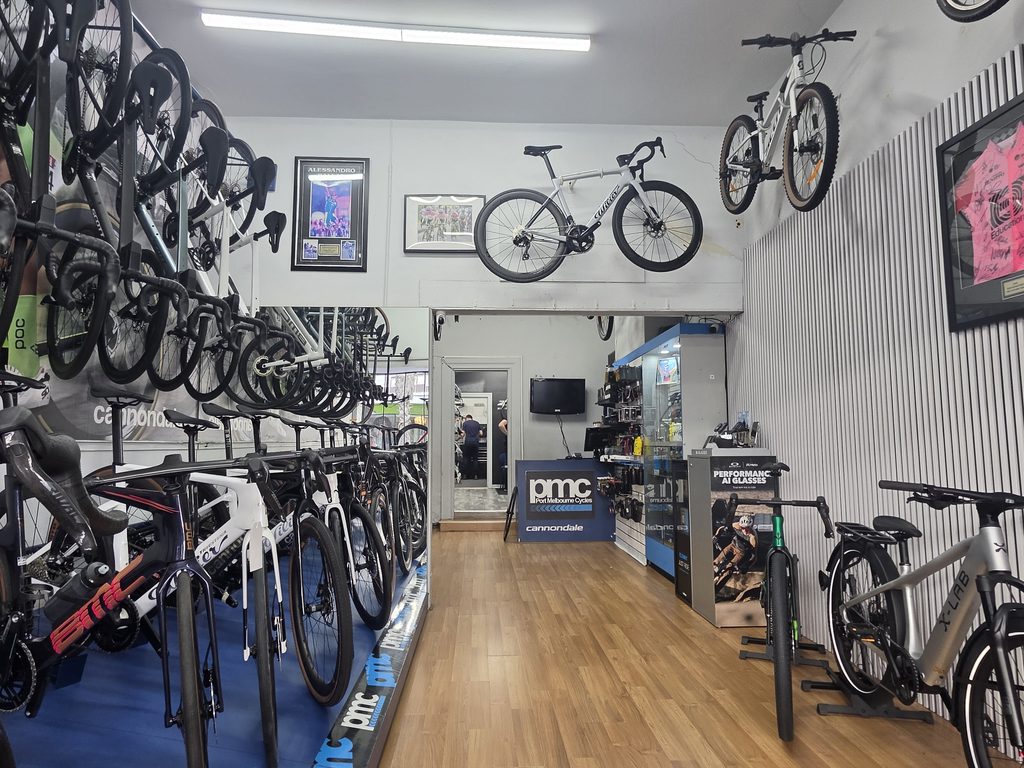
This trip came with an unexpected setback caused by transporting my bike by plane. Thanks to the expertise of a local bike shop, I was able to overcome the problem. The experience reminded me just how reassuring it is for event participants to have reliable local bike shops they can turn to for help.
Profile
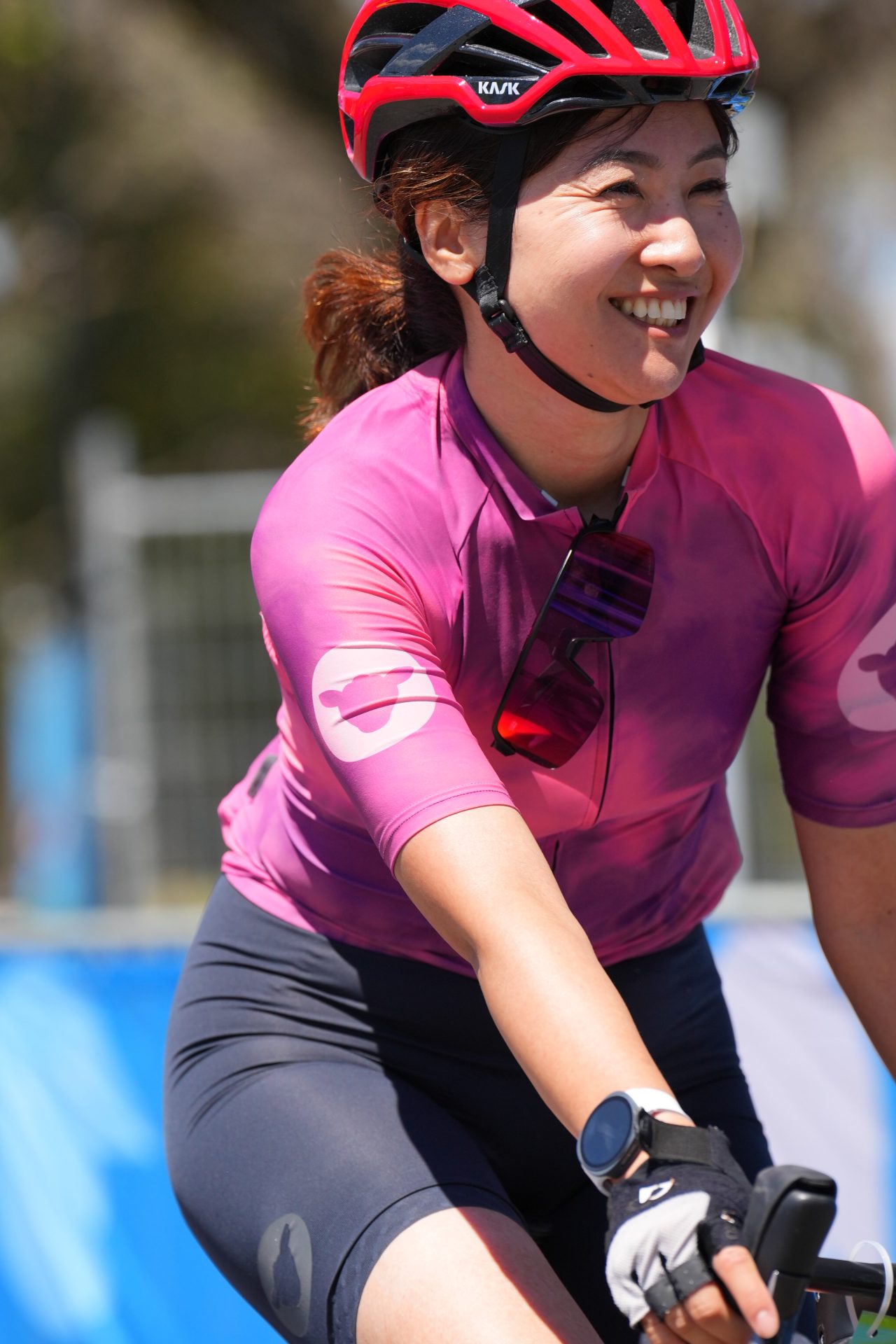
Ayaka (Editor/Writer)
Residing in Brisbane, Queensland, Australia.
Captivated by cycling journeys in 2011, they have contributed travel reports from around the world to the magazine Cycle Sports. During her study abroad in Australia in 2017, she serialized “G’day, Australia! ~ Bicycle News from Brisbane” on Cycle Sports.jp. After returning to Japan, she worked as an English educational material editor and as an interpreter/MC for a bicycle NPO. She moved to Brisbane in 2022 and is currently sharing the charm of Australian cycling.
X https://twitter.com/aya_p_BNE (aya_p @aya_p_BNE)
Instagram https://www.instagram.com/aya_p_14/
Blog https://gdaybabyccino-ayaka.com/
YouTube Ayaka’s Radio Show from Australia
https://www.youtube.com/@aya_p_BNE