Honolulu Century Ride 2025
Trip Notes from Five Riding Duos #05-2
4 Nights, 6 Days / Kamehameha Road on the Southern Isles — the Classic Route Was Even More Classic Than Imagined
We present the second half of the fifth and final installment in our series, “Trip Notes from Five Riding Duos.”
What kind of event is the Honolulu Century Ride? This 160 km ride diary that unpacks the experience comes from photographer and cyclist Eigo Shimojo. Enjoy it together with a rich collection of locally flavored, atmosphere-filled photos.
4 Nights, 6 Days / Kamehameha Road on the Southern Isles — the Classic Route Was Even More Classic Than Imagined
Note by_Eigo Shimojo
DAY_4/September 28 (Sun)
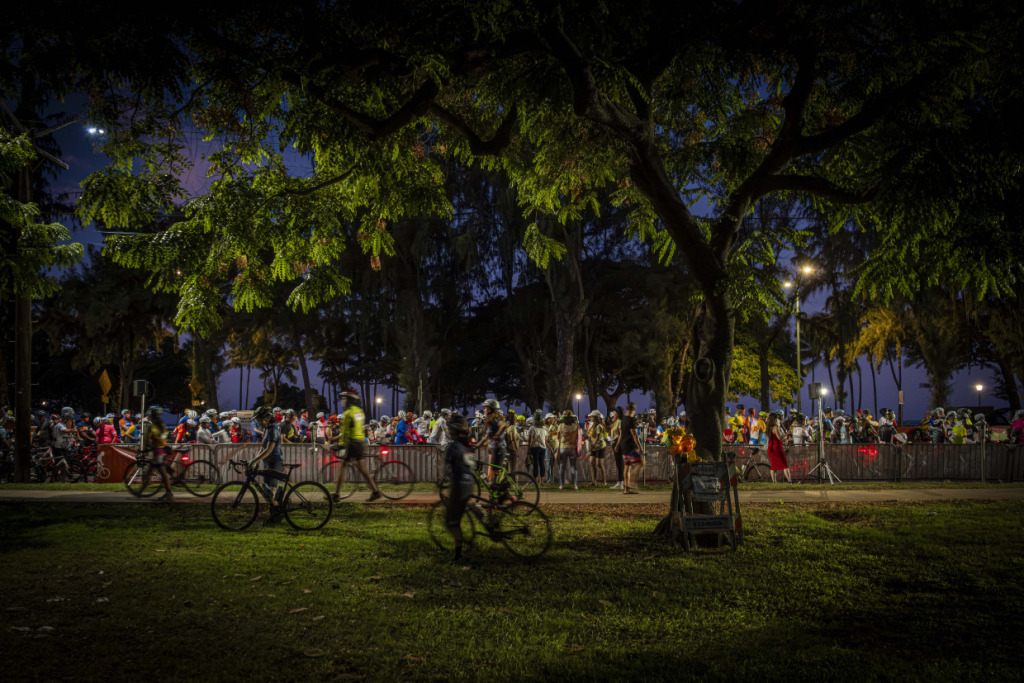
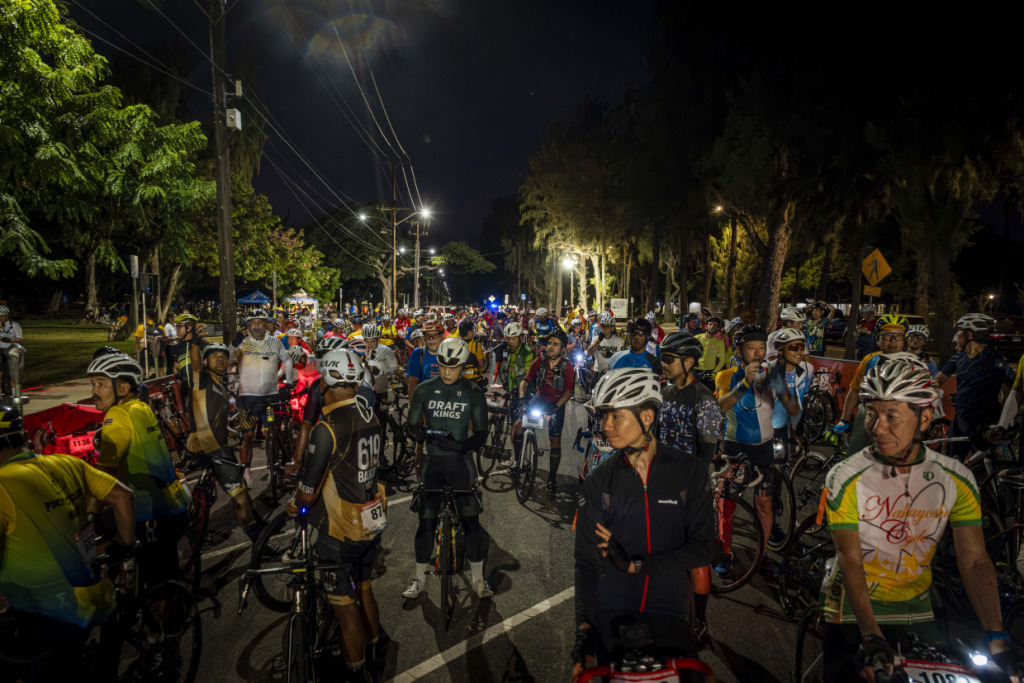
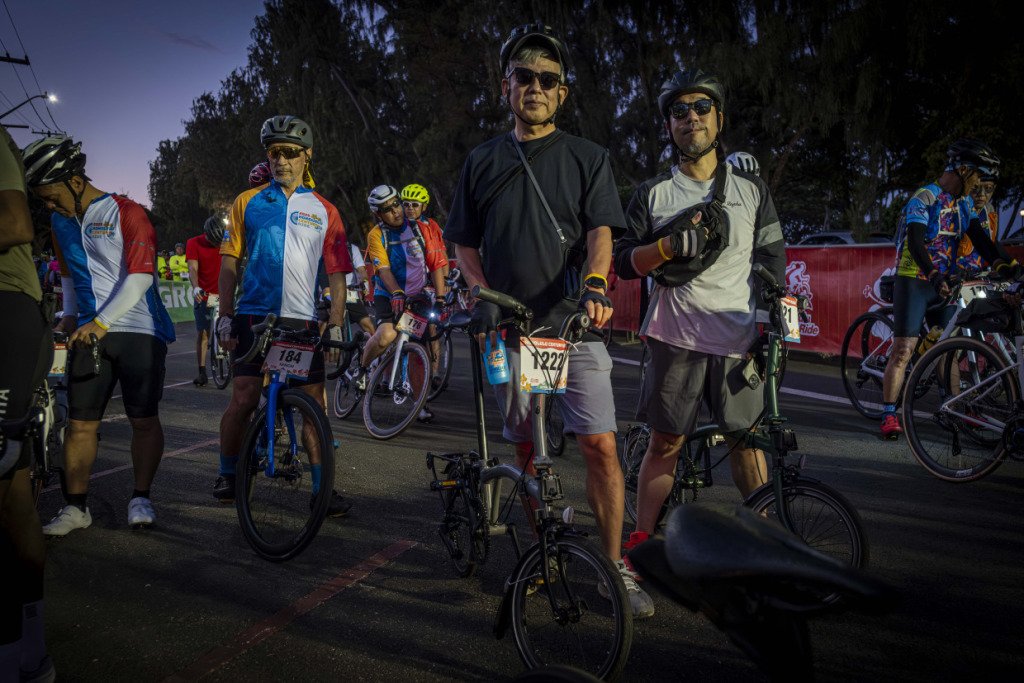
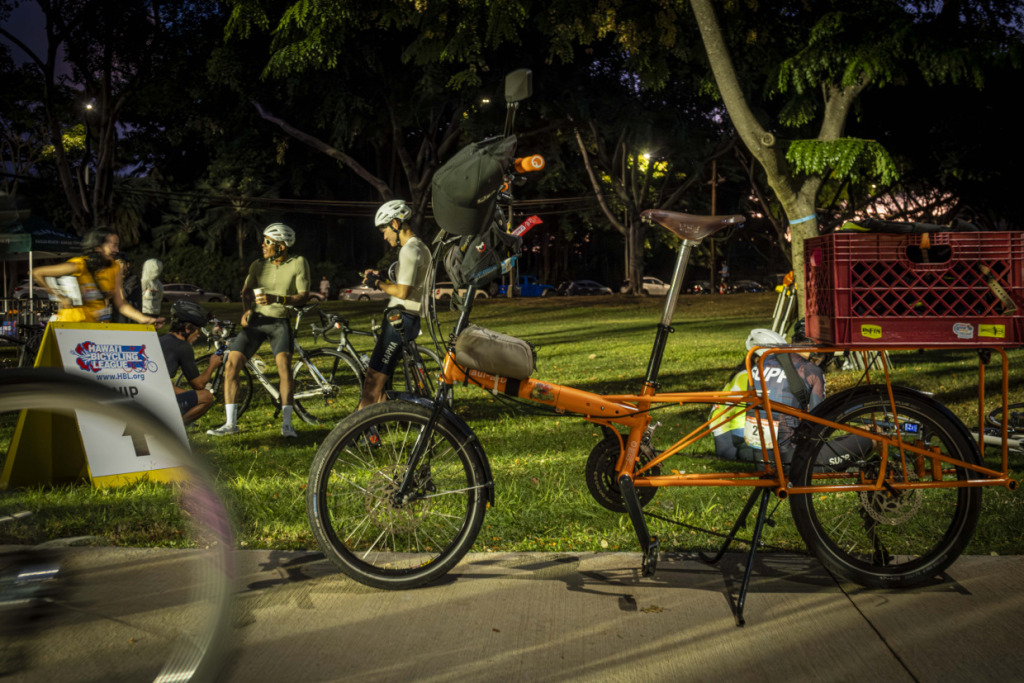
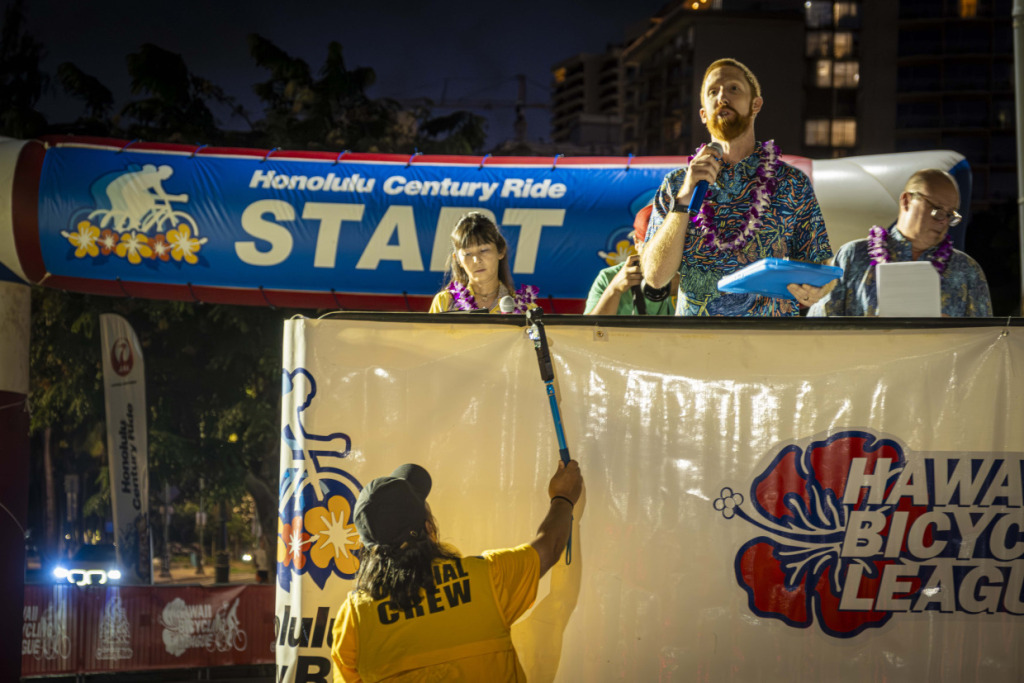
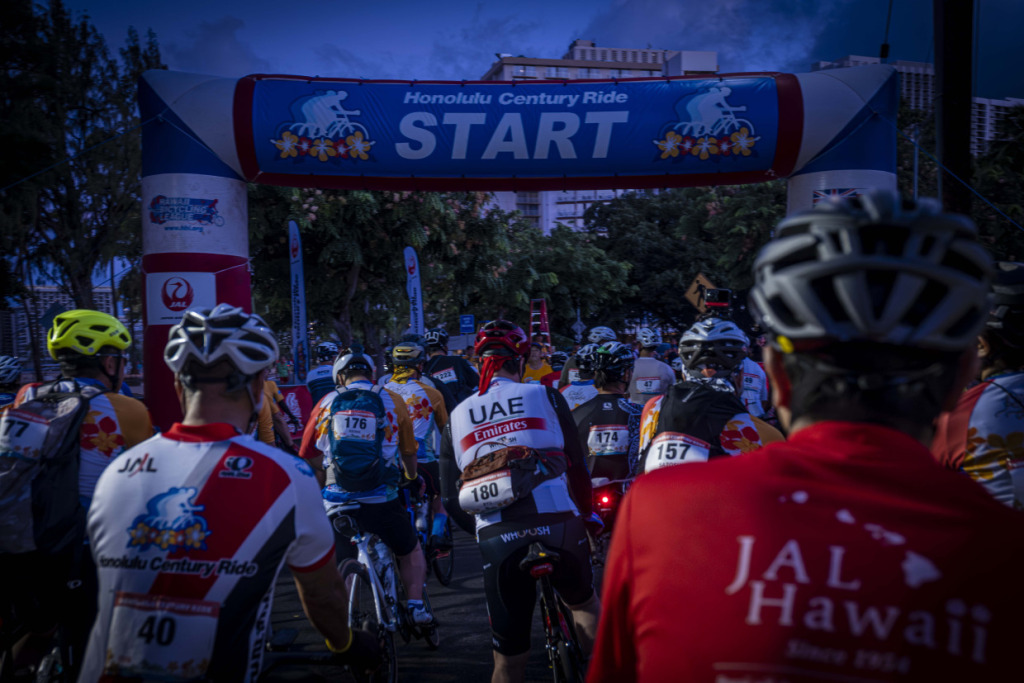
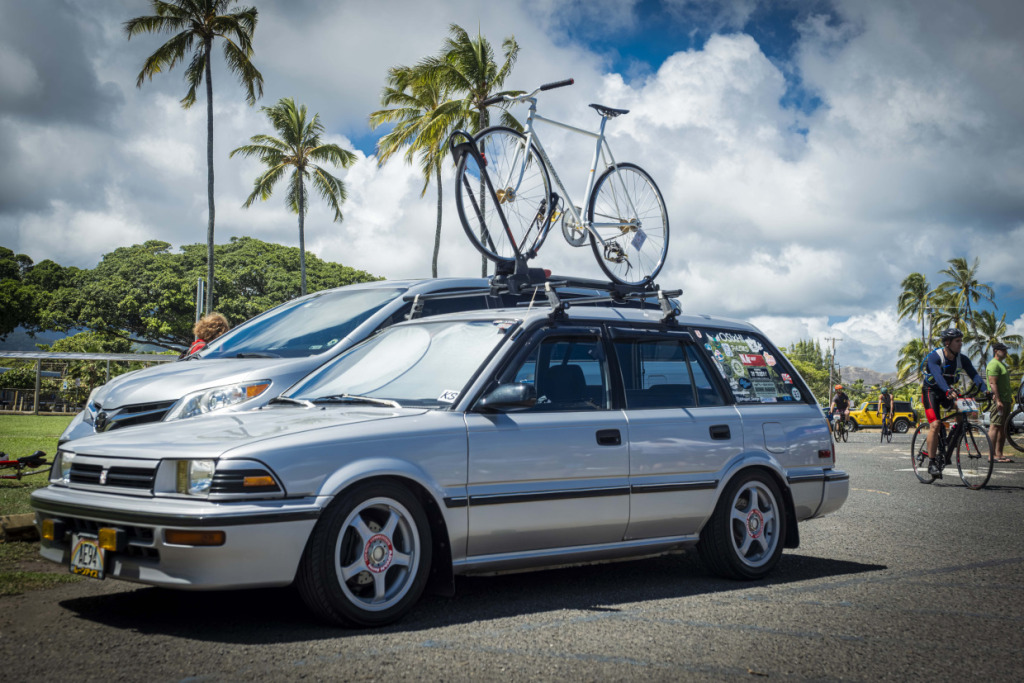
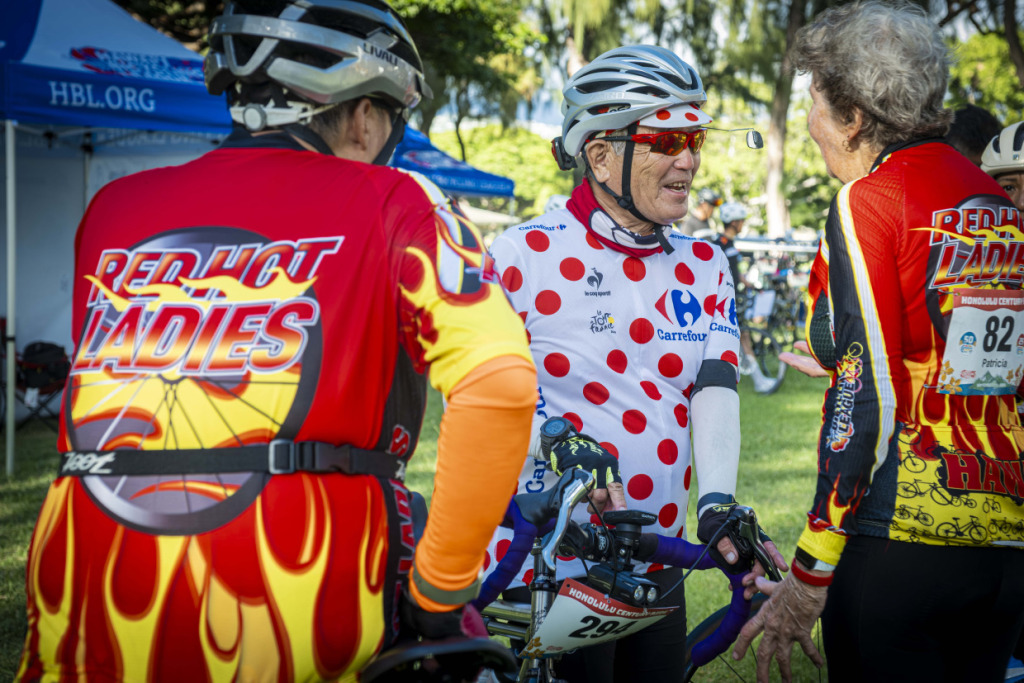
At 5:00 a.m., riders begin gathering at Kapiʻolani Park under a pre-dawn sky shaded deep purple. At last, it’s HCR day. Even though it’s a fun ride event, the tension before the start fills the venue with excitement. Brightly colored jerseys and bikes stand out even in the dim light. Faces and smiles from many different countries and backgrounds are everywhere—moments worth capturing at every turn. I walk around with my camera for a while, but I’m a rider too, so I can’t get carried away. Keeping an eye on the clock, I wrap up my shooting early and move to the front of the start grid. Among the serious roadies, our GR editor-in-chief I and communication director Daisaku Kawase stand boldly astride their Brompton bikes. I snap a quick shot of their valiant small-wheeled machines. All kinds of bicycles line up on the grid—e-bikes, city bikes, mountain bikes, even cargo bikes. Just like the diverse participants, the bikes and gear show incredible variety. This free and truly “fun” atmosphere—rare at Japanese events—feels unmistakably American.
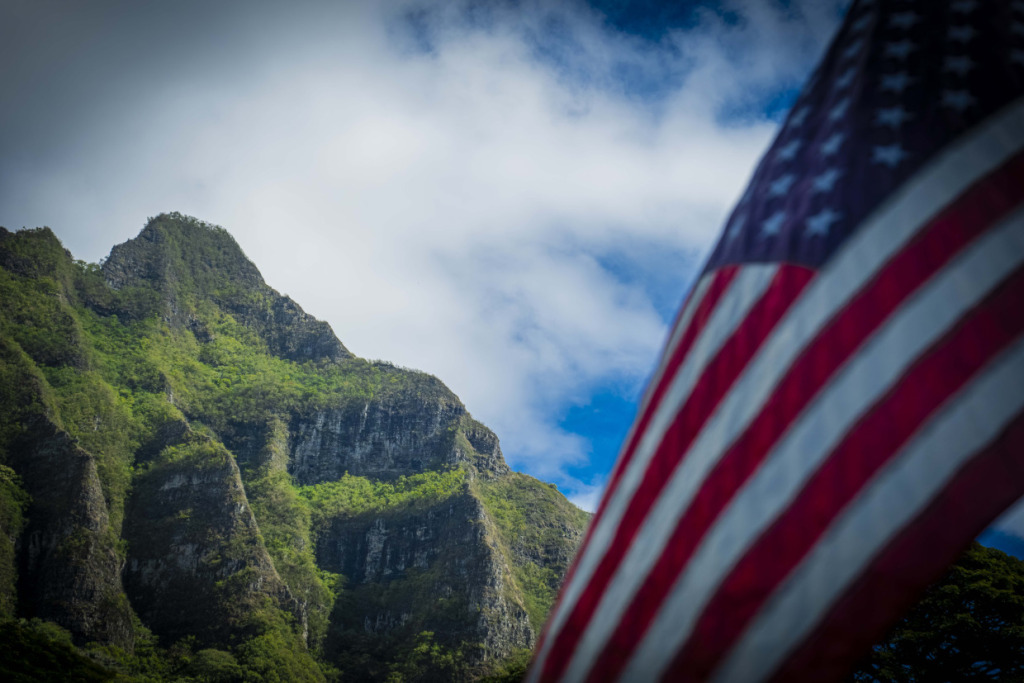
Just after 6:00, the singing of the national anthem, The Star-Spangled Banner, concludes, and the starter’s signal rings out, releasing the tightly held tension.
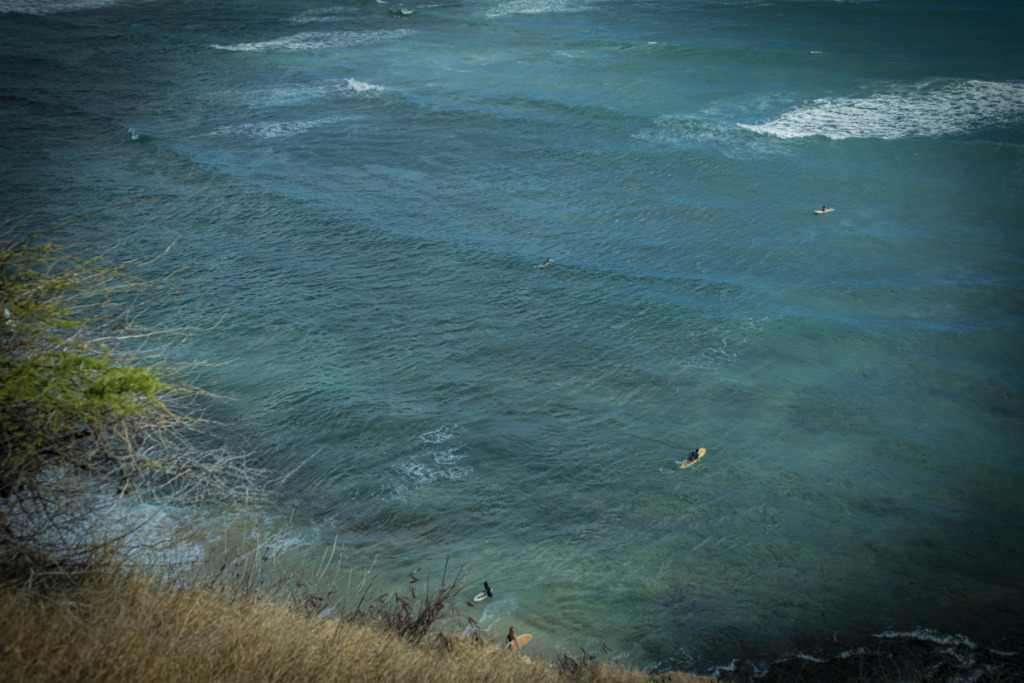
A huge, colorful peloton begins to move, snaking forward like a giant serpent. Leaving Kapiʻolani Park, the group heads toward Diamond Head, where the short climb quickly stretches and splits the pack into smaller groups matched by pace. I latch onto one fast-moving roadie train and settle in. Down below the cliffs, surfers are already in the water, and looking up toward Diamond Head, I can just make out the silhouettes of trekkers waiting for the sunrise.
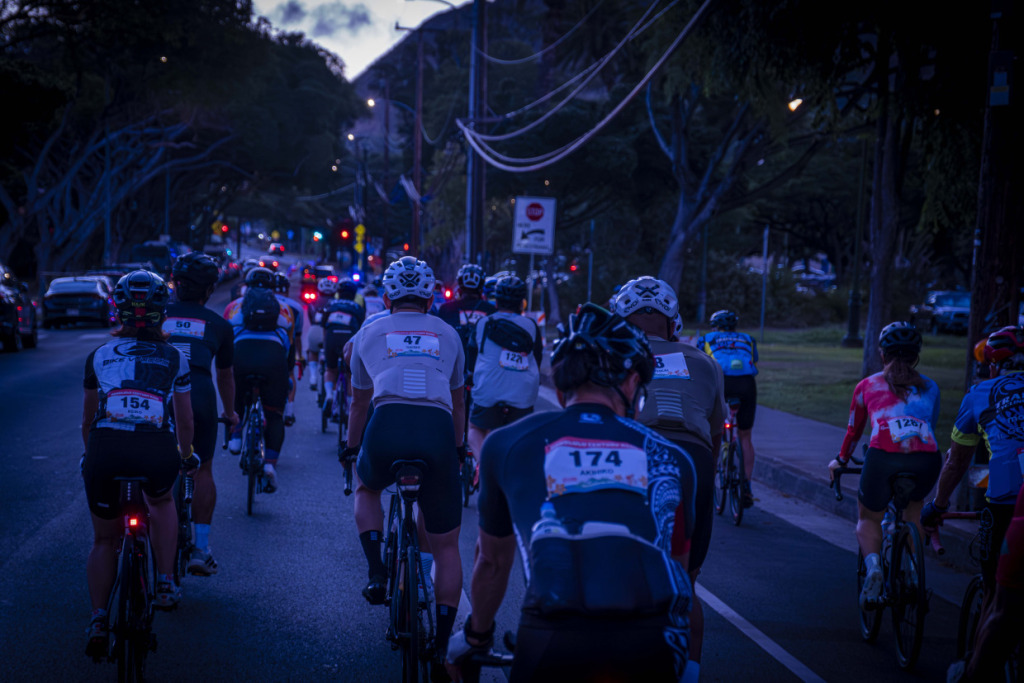
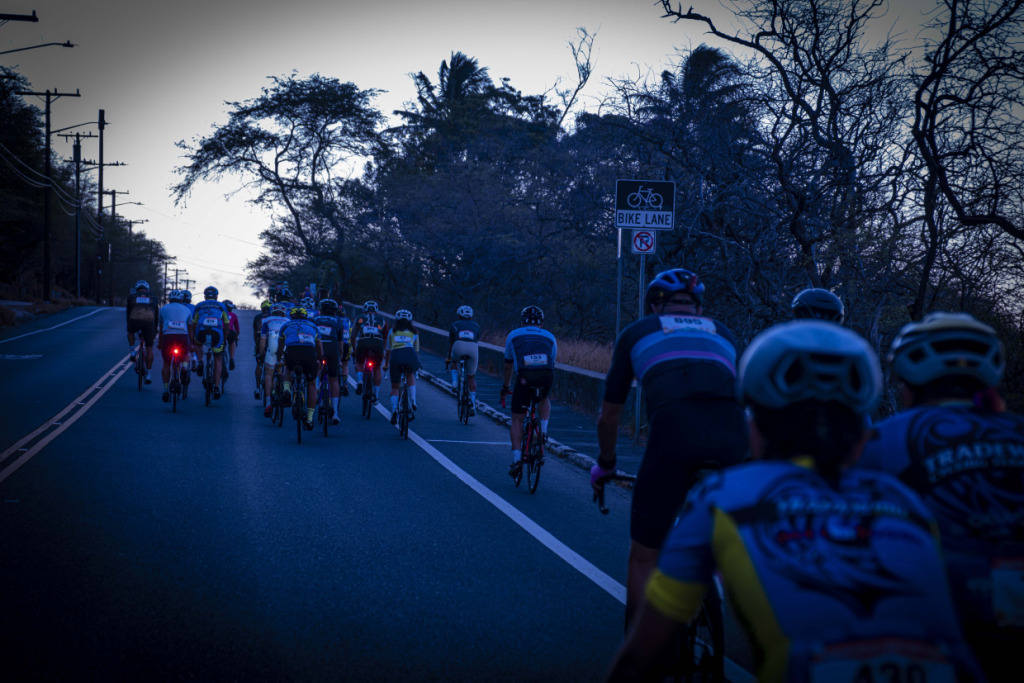
Catching my breath and letting my heart rate settle after the climb, I cruise at speed through the upscale residential area of Kahala. Before long, I realize I’m going much faster than planned, ease off the pace, and switch to a solo ride. The excitement at the start makes it all too easy to slip into race mode. I remind myself that this is 100 miles—I should enjoy it, and suffer later, right? Still, my reflection is short-lived as we merge onto Highway 72. Like it or not, this is a fast section. Staying mindful of traffic, I keep up a brisk pace, and now and then passing drivers offer encouraging hand signals that give me a boost. Soon, the sun breaks through the eastern clouds. Ahead, a dark mountain silhouette draws closer in the backlight. That distinctive trapezoidal shape can only be Koko Head Crater—and it means the spectacular coastline is just around the corner.
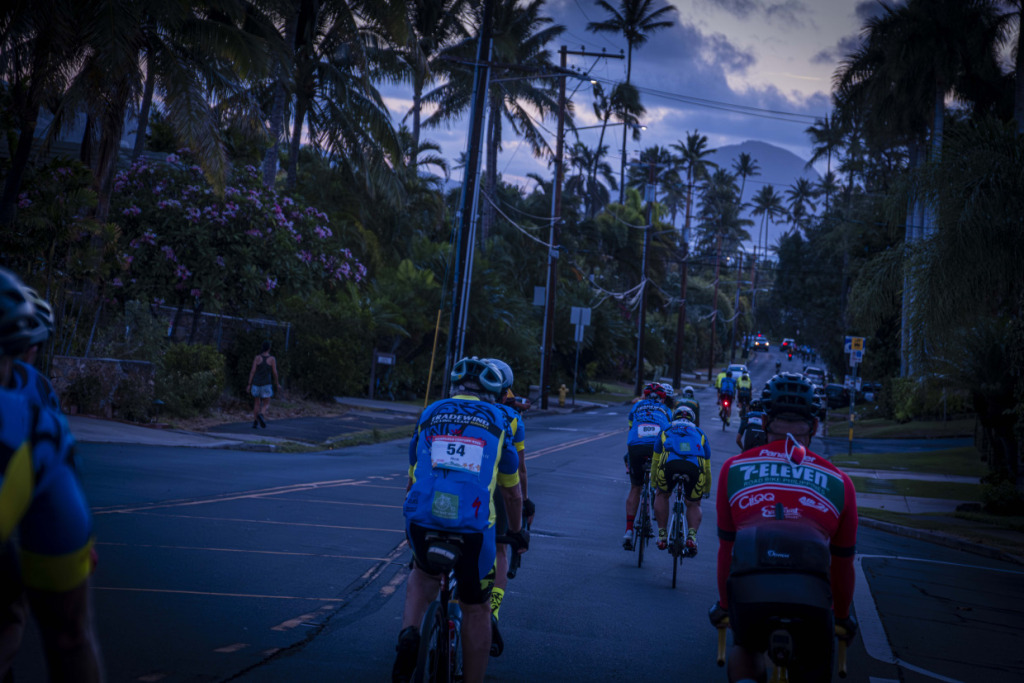
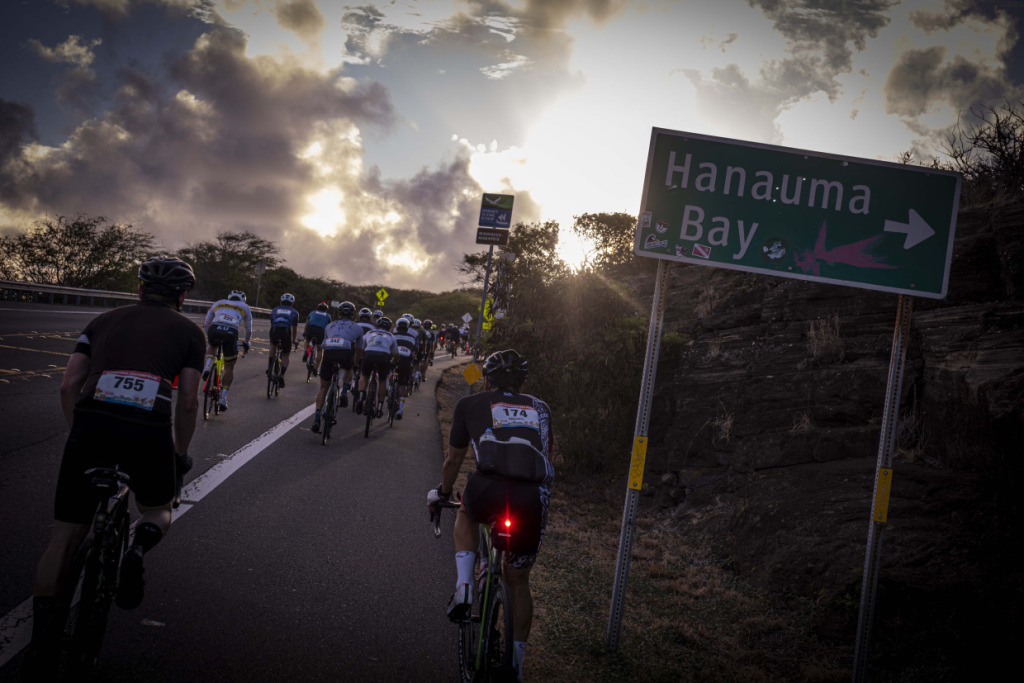
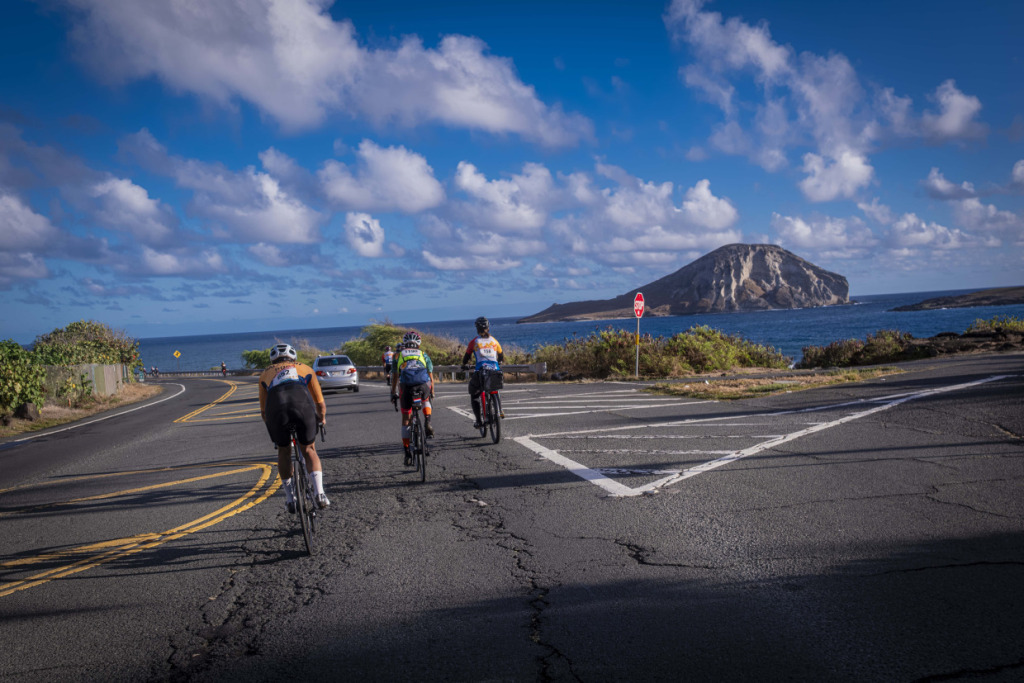
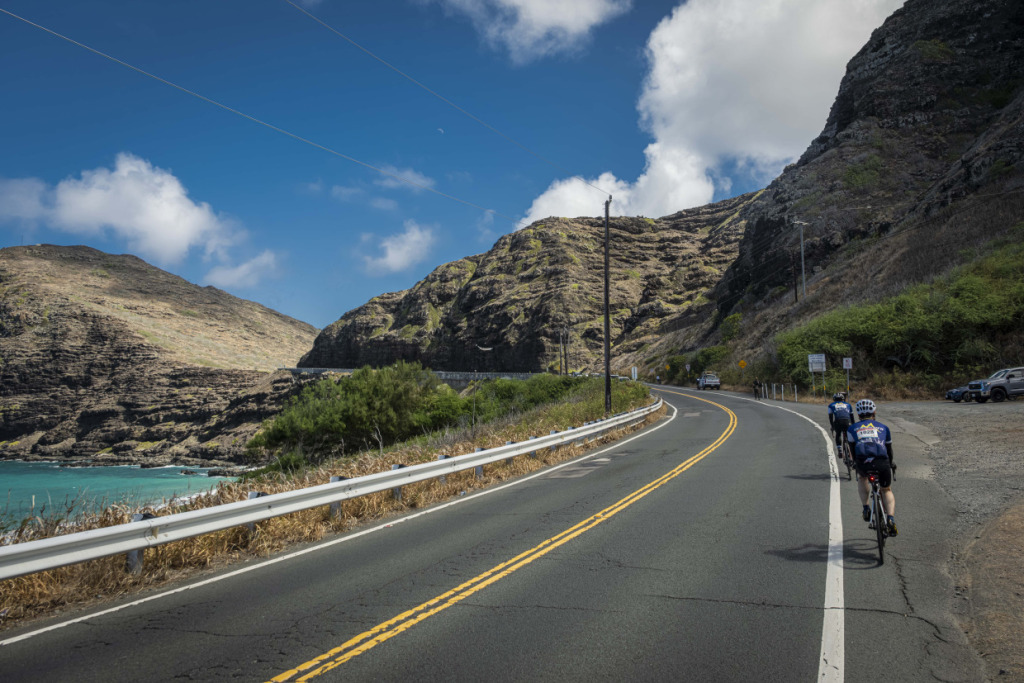
Including the Koko Head coastline—one of Oʻahu’s most iconic landscapes—in the course is a first in the long history of the HCR. The added traffic control here makes it feel even more special. With the shadow of Koko Head rising on the left, I climb a long, steady hill, and at the top, a dazzling coastline lit by the morning sun suddenly fills my view. The car lanes ahead gleam like streaks of reflected light in the backlight. Riding along the very edge between land and sea brings a strange, almost surreal sensation. You truly feel like you’re in the middle of the Pacific.
I struggle to capture that feeling in photographs, unsure whether I succeeded—but before I know it, the section is already behind me. Still half dreamlike, I roll into the first aid station at Sandy Beach Park.
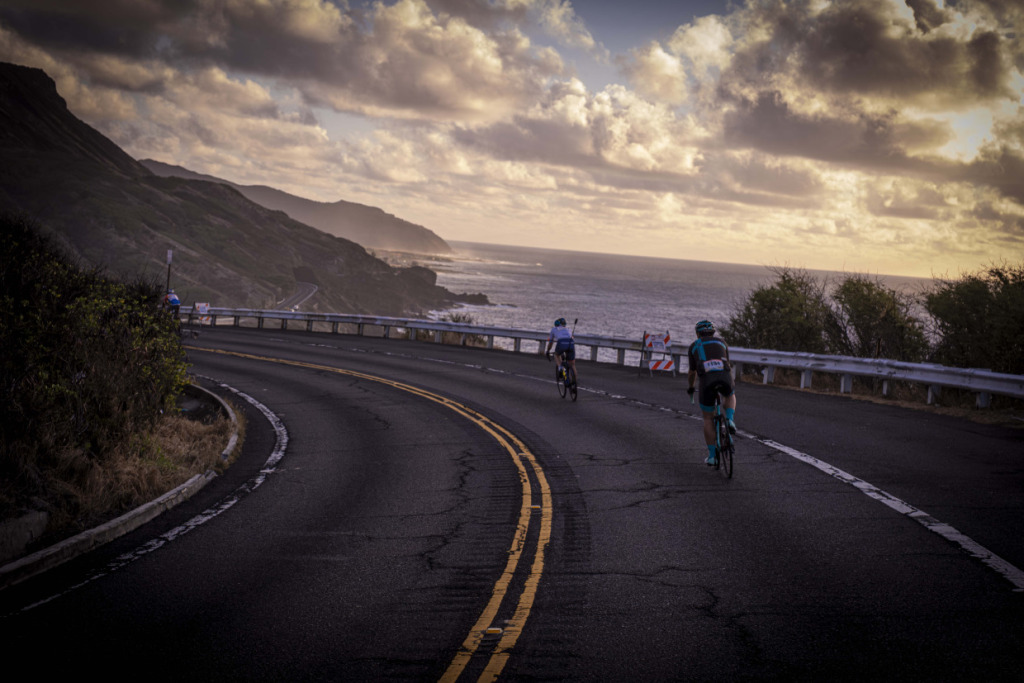
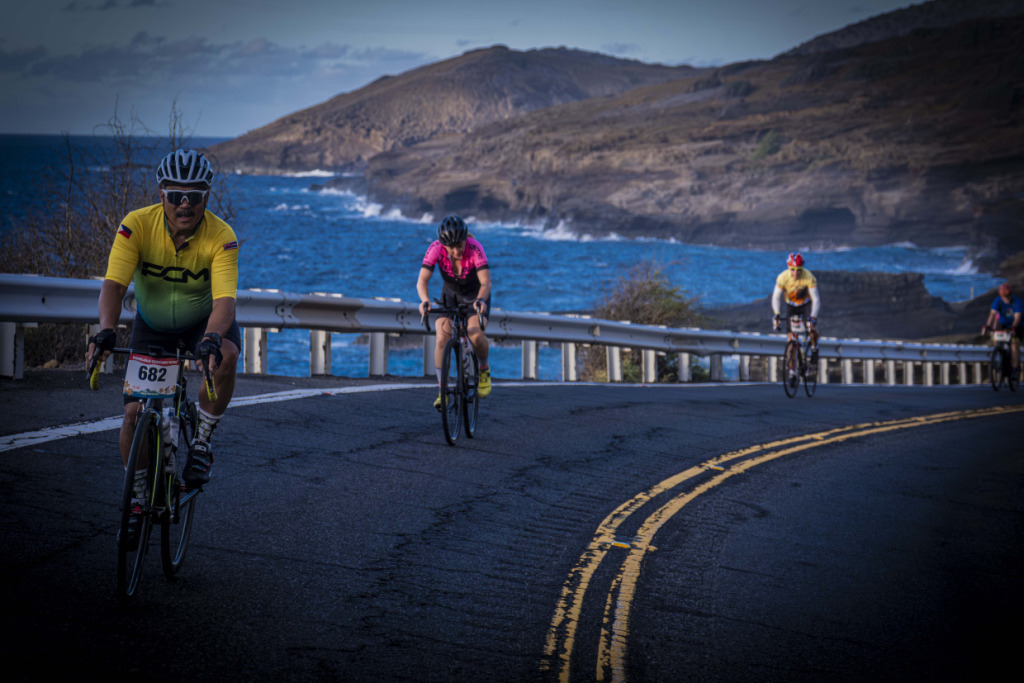
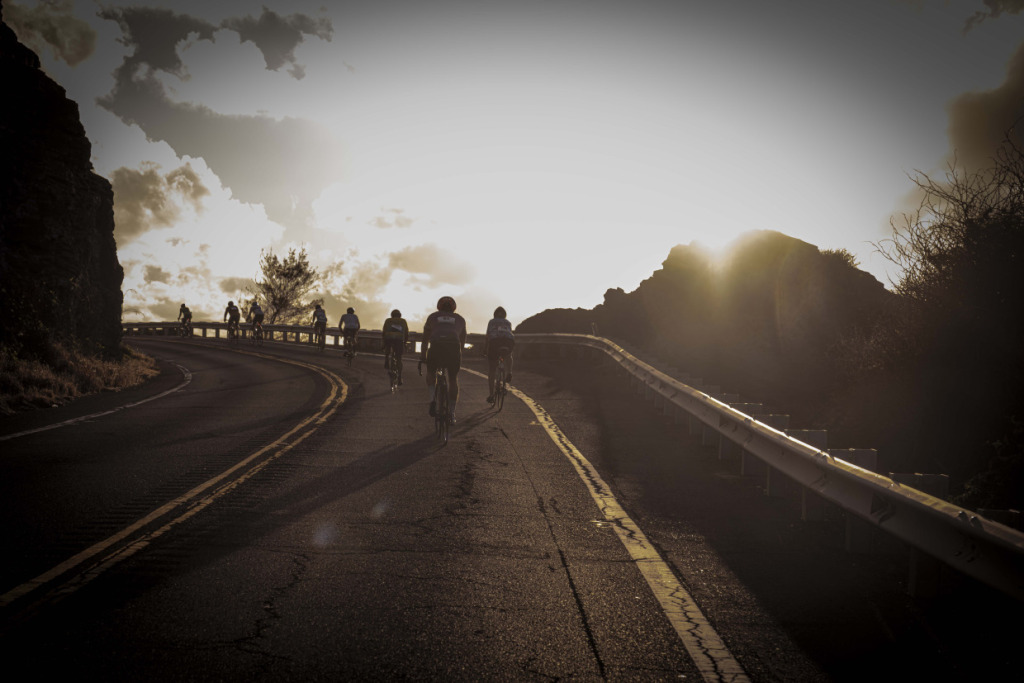
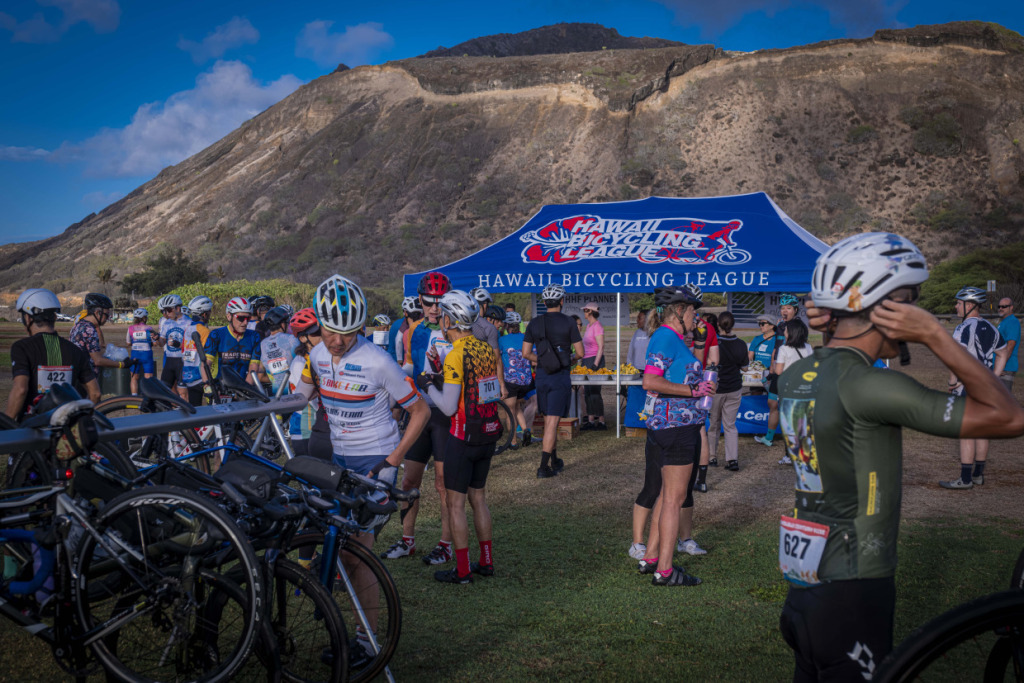
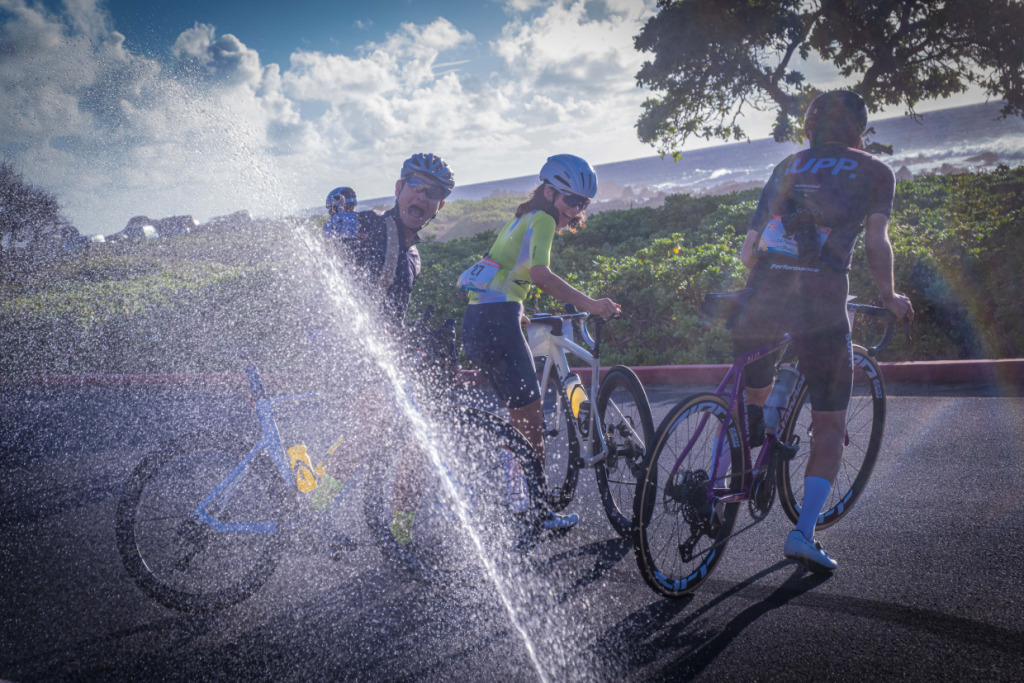
I nibble on a light snack and look back over the road I’ve just covered. It’s only been 20 km, yet I’m already savoring the afterglow of the ride. The ocean breeze along the shoreline feels wonderful against my warmed-up body. Towering above, Koko Head basks in the sunlight, its rugged shape looking undeniably cool.
After leaving the aid station, the dreamlike coastline continues for a while longer, but it finishes with a proper test of the legs—a climb up to the Makapuʻu lookout. Out of respect for such a magnificent route, I dig in and push hard. From the viewpoint at the top, the entire east coast spreads out before me. The road ahead—both fun and demanding—still stretches far to the north.
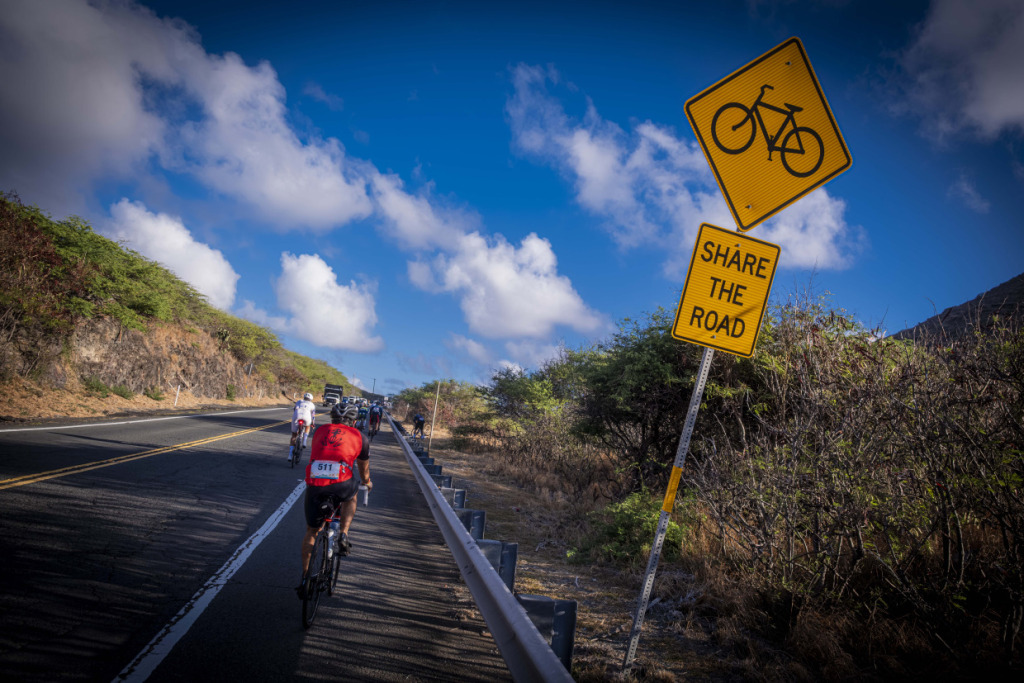
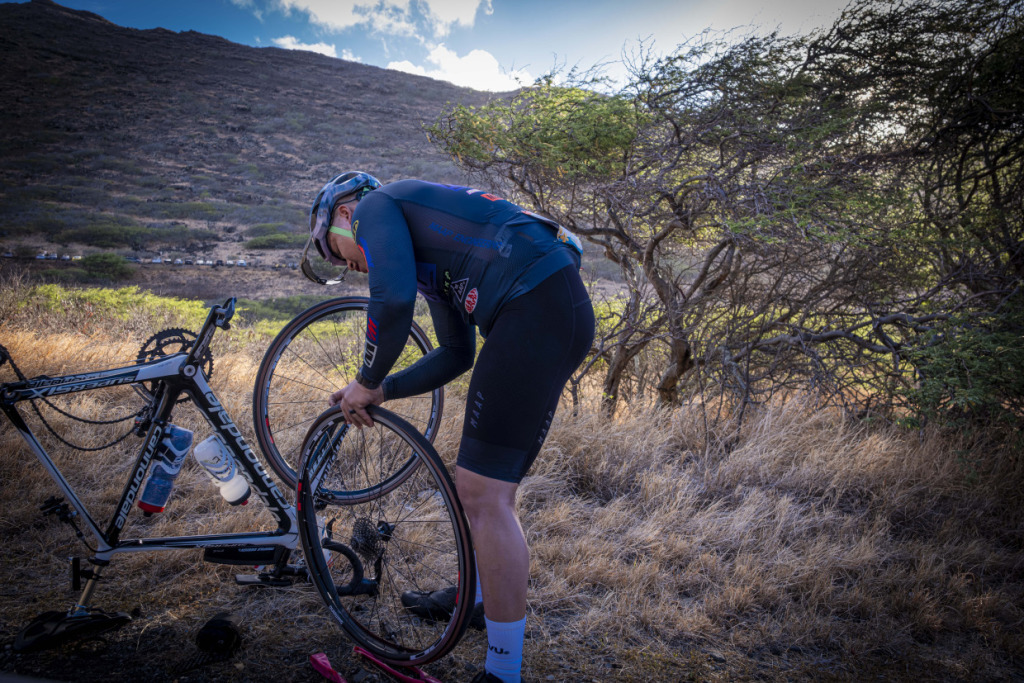
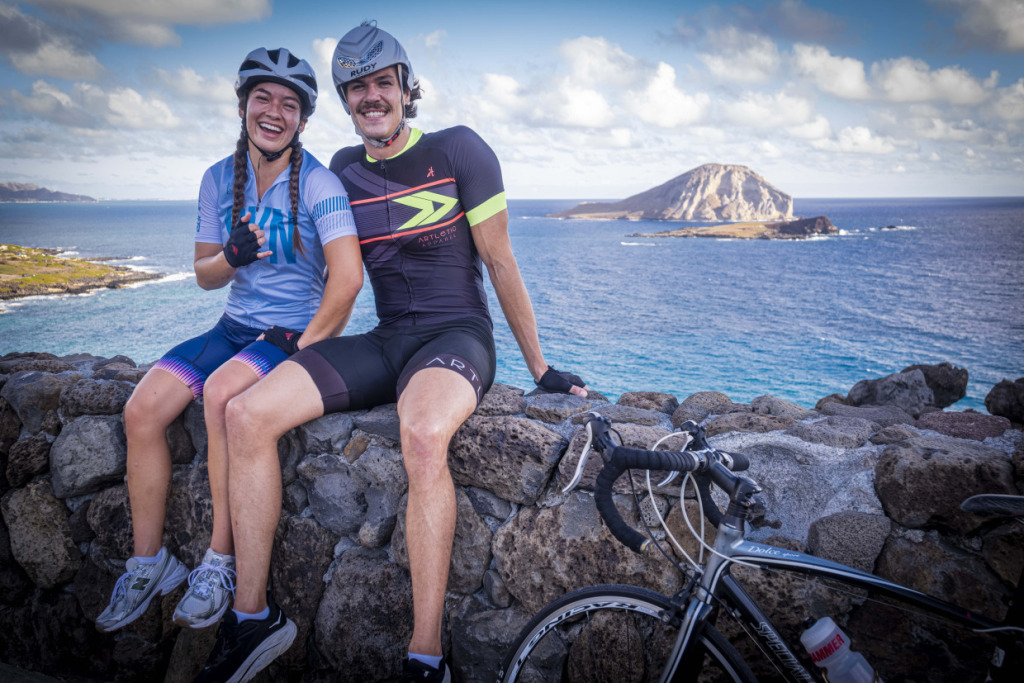
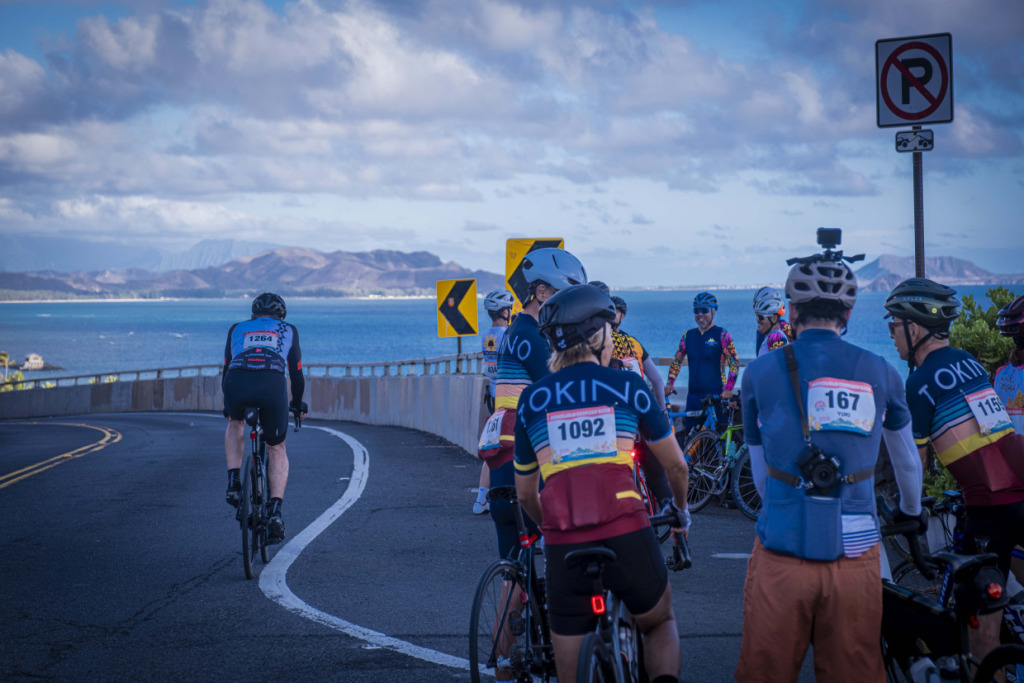
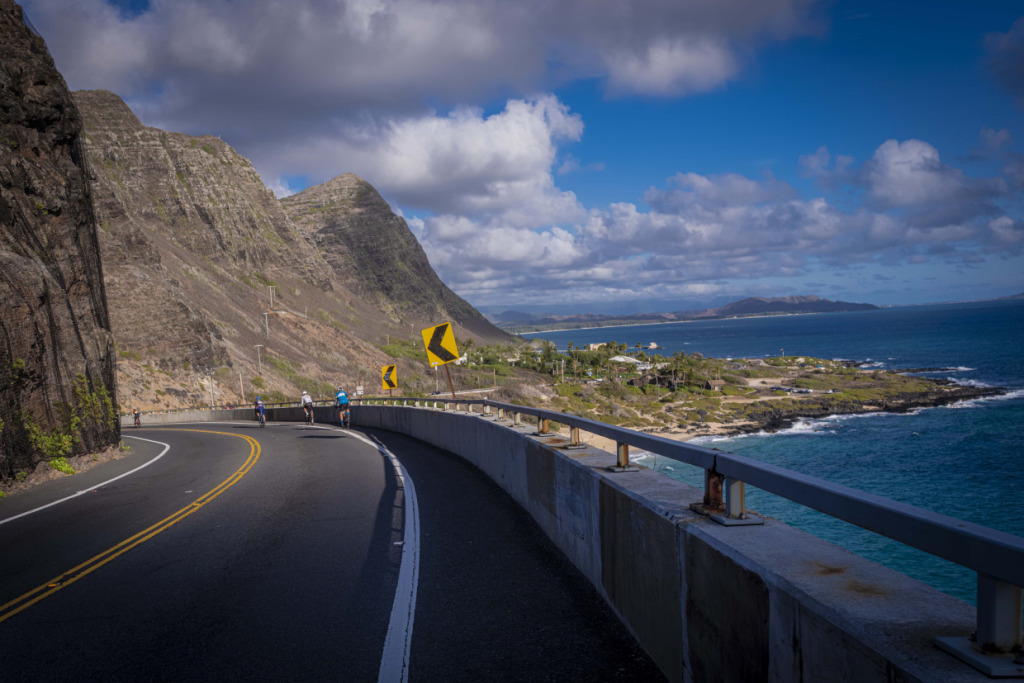
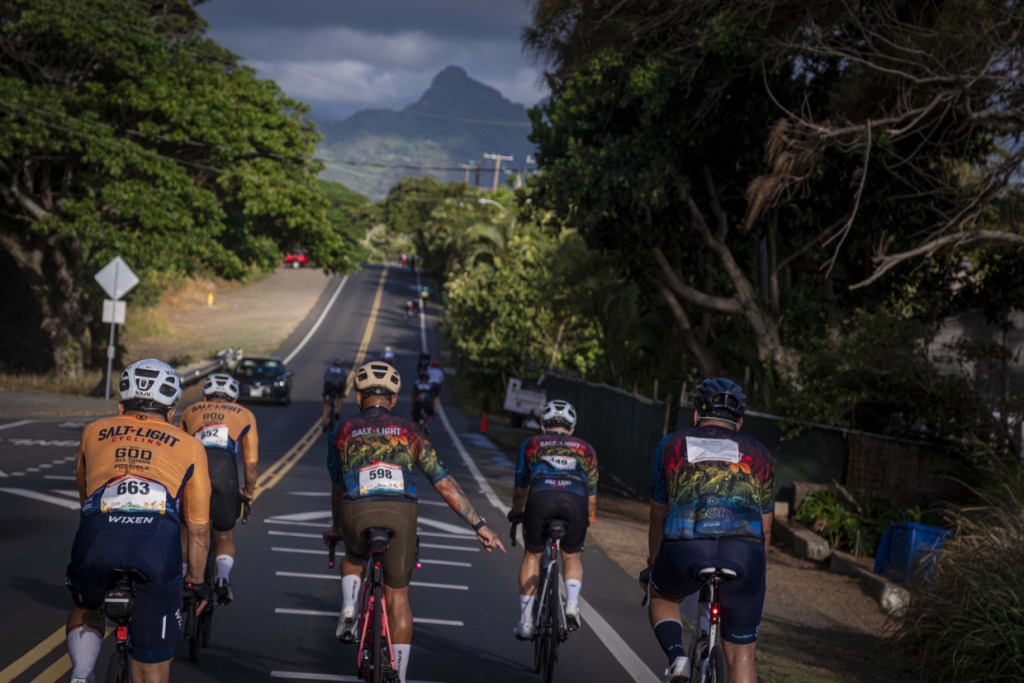
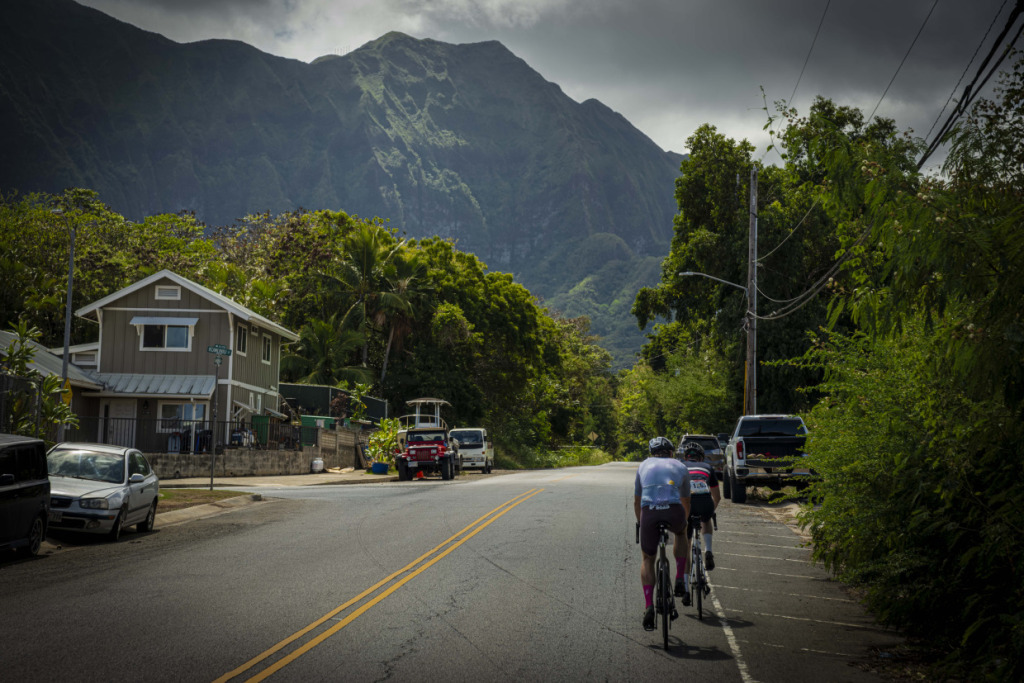
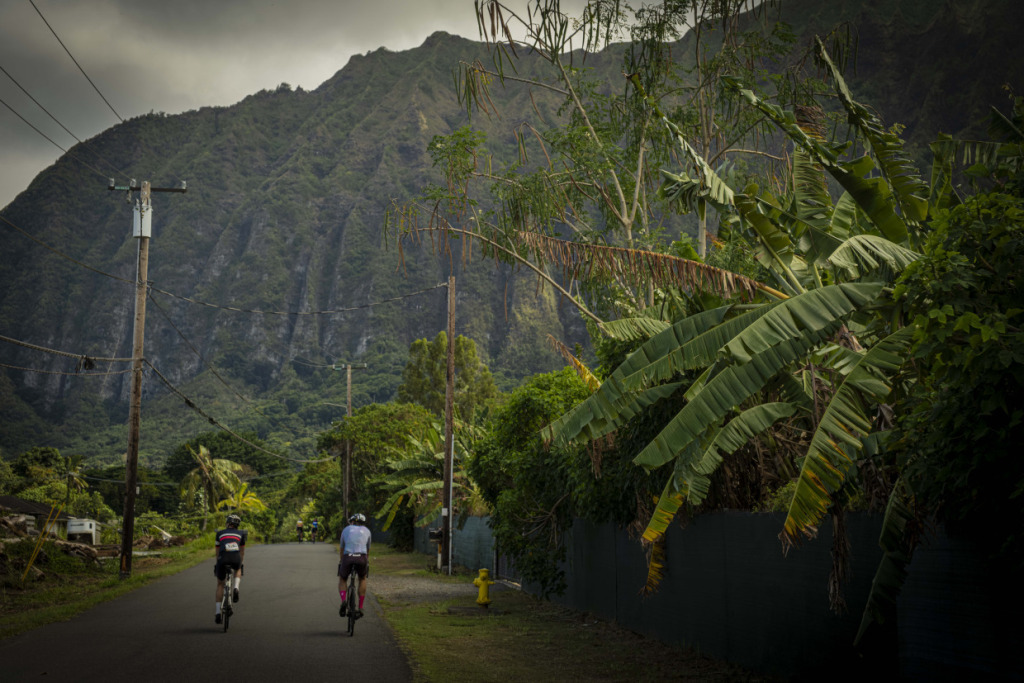
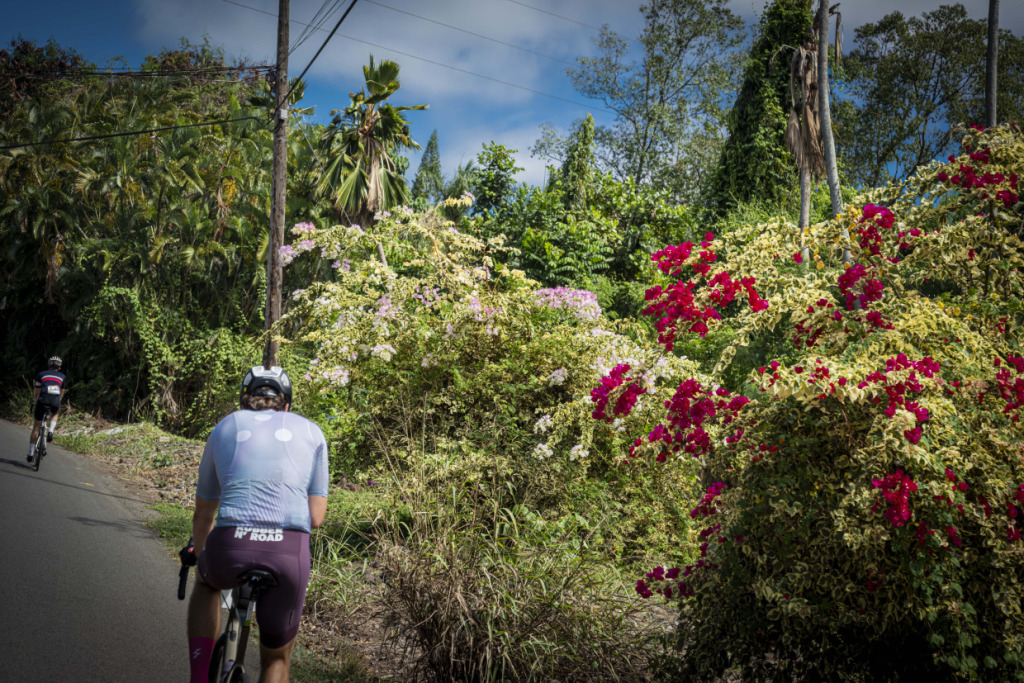
Dropping down from Makapuʻu, we finally enter the east coast section. Leaving the shoreline behind, the route turns inland toward the rolling hills of the Waimānalo area (around the 35 km mark). The mood shifts completely—from a sun-drenched coastline to charming country roads winding through wooded mountain villages. Although the sky is clear, thick, moisture-laden clouds now press heavily against the mountains. This is said to be one of the rainier parts of Oʻahu.
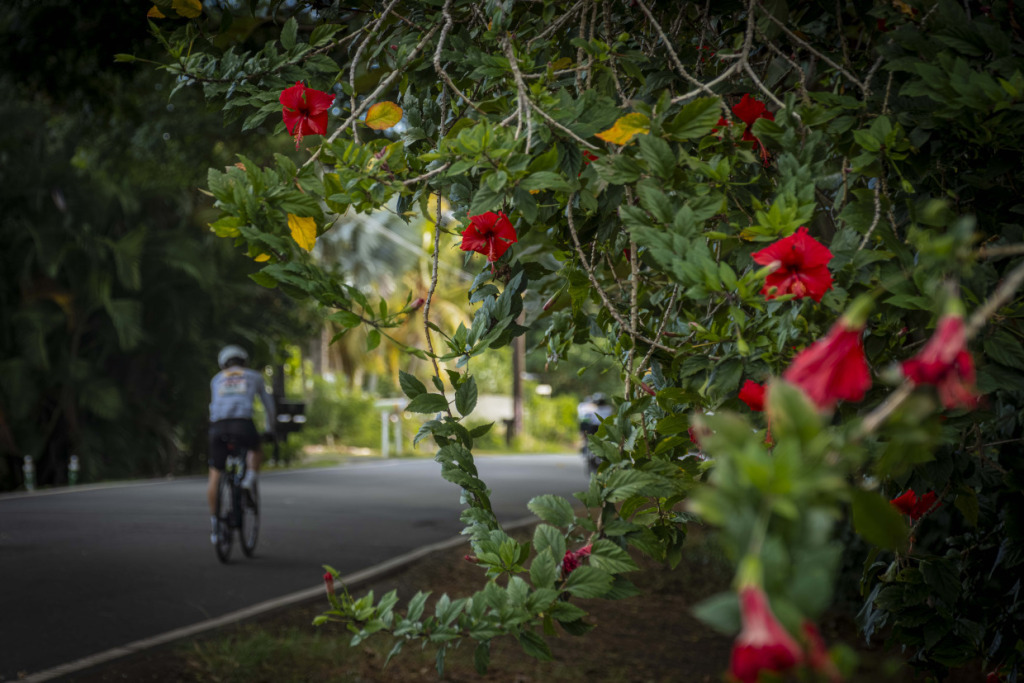
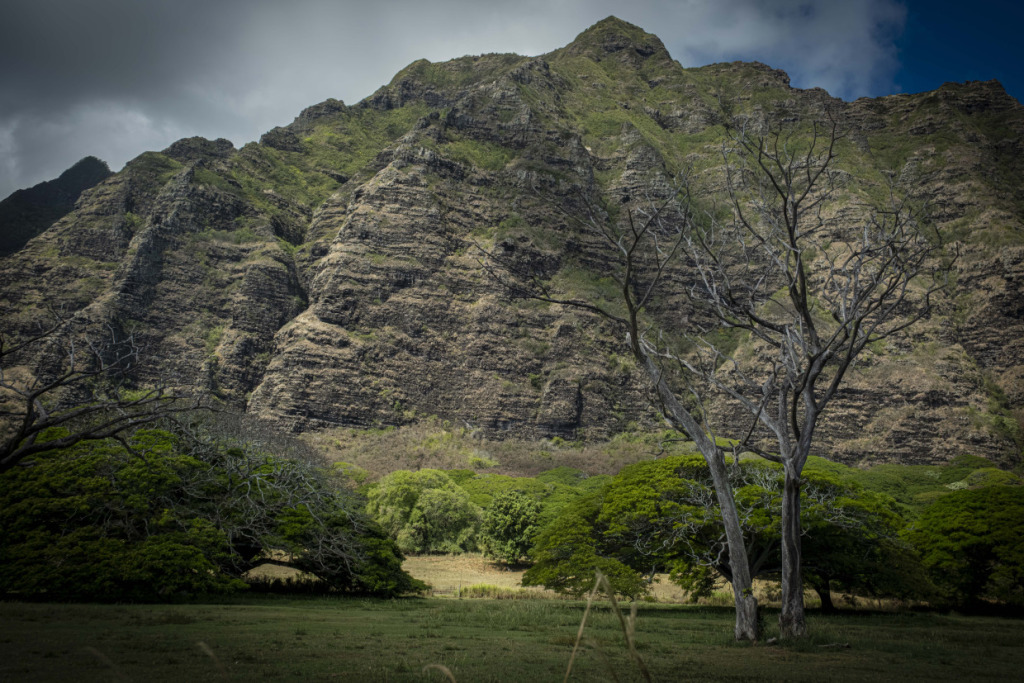
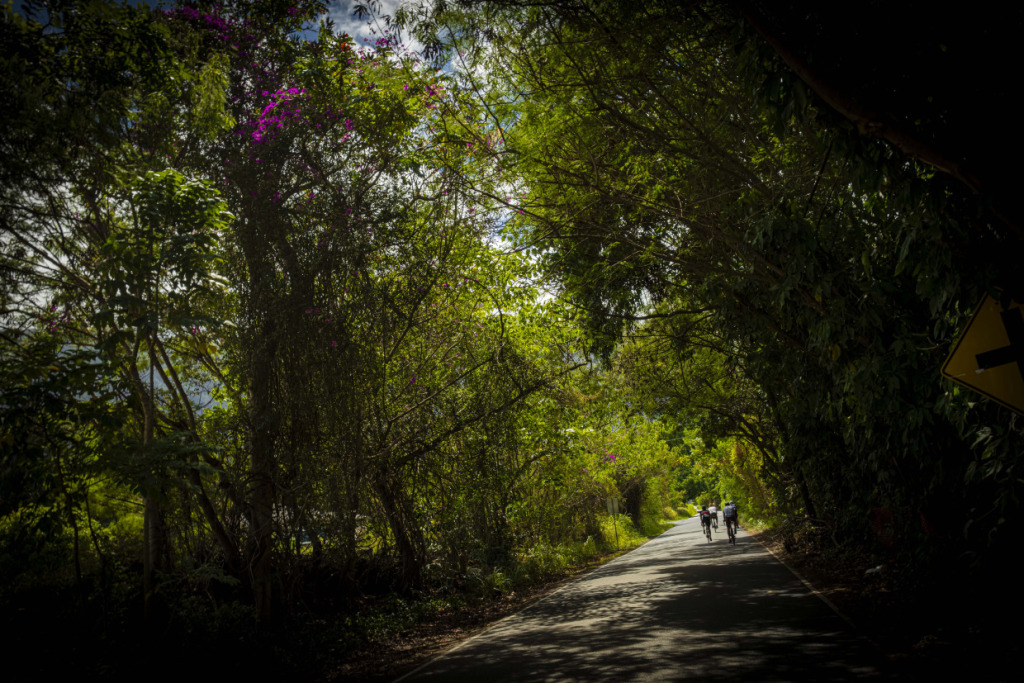
Circling the lush green hills, I pass banana fields and brilliantly colored flowers that delight the eye. At the same time, steep mountain faces and dense jungle crowd close to the roadside. The sharply folded ridgelines, layered like pleats, have a striking and unusual form, shaped by the island’s ancient volcanic activity. It’s interesting to see how many riders around me are rolling along at an unhurried pace, as if savoring the scenery and the atmosphere—not just because of the climbs. The symbolic Olomana Peak of Waimānalo towers above, looking down on us as we pass at its base. Rarely seen in Japan, this dramatic mountain landscape carries a sense of deep geological time, and I bid the mountains a reluctant farewell.
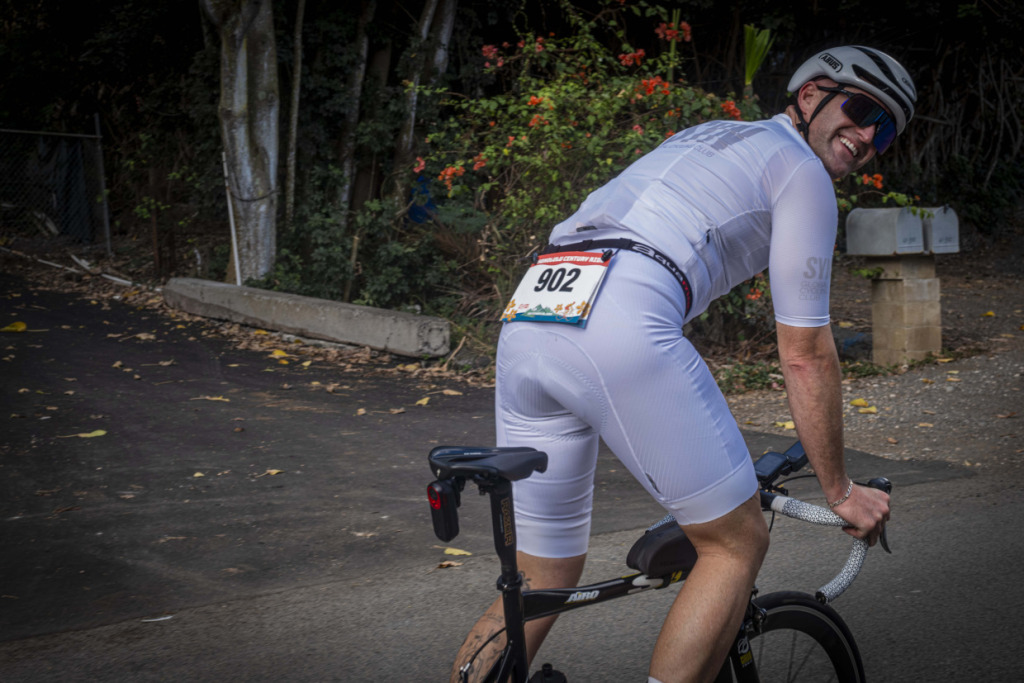
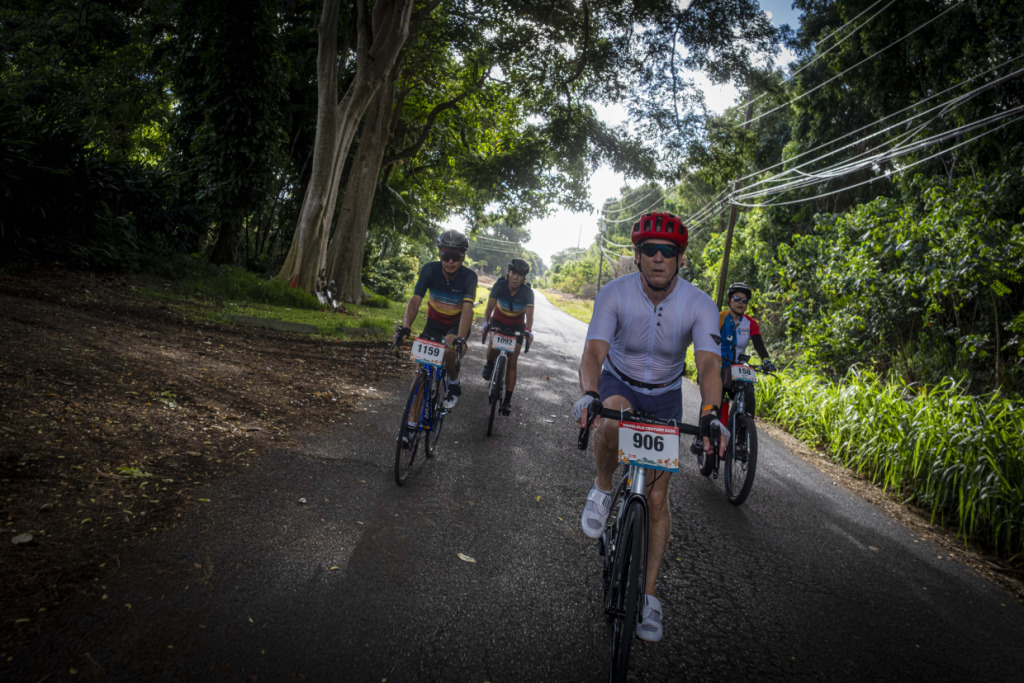
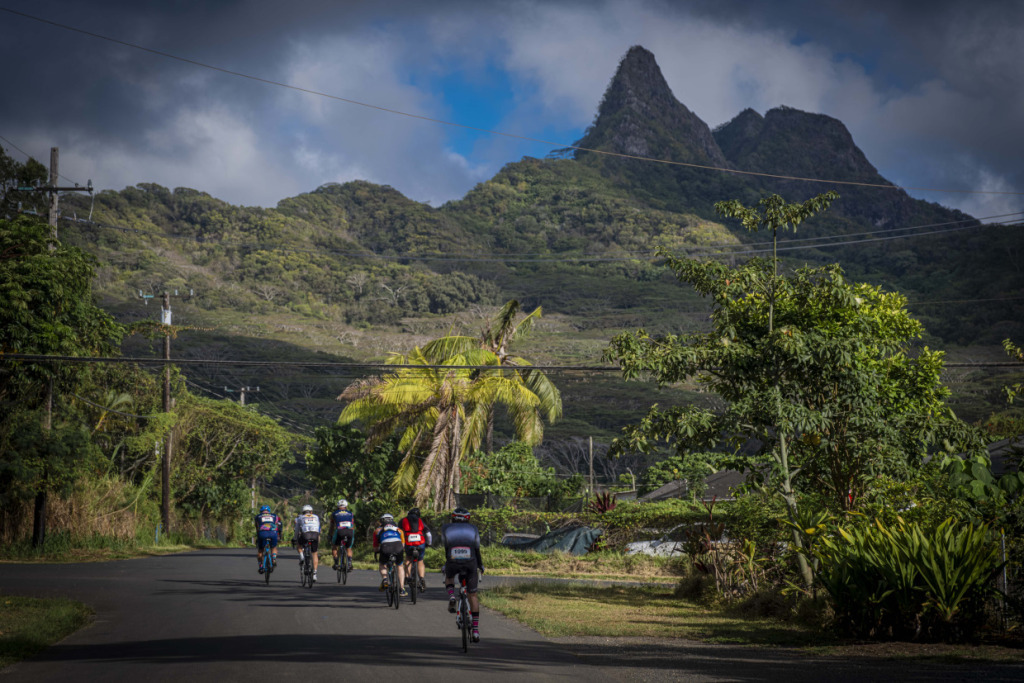
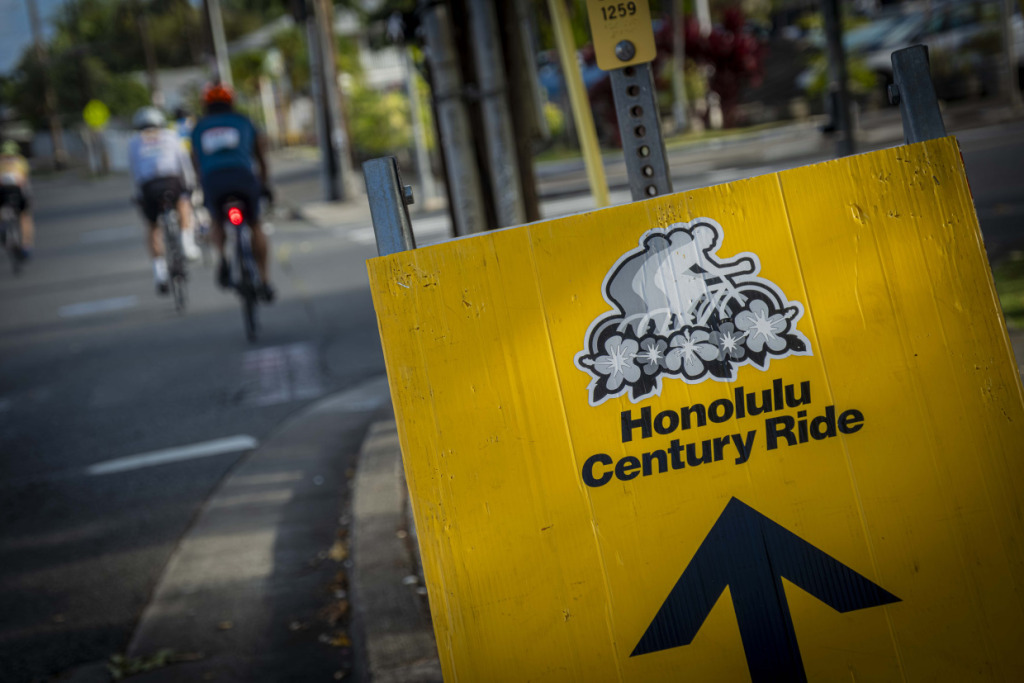
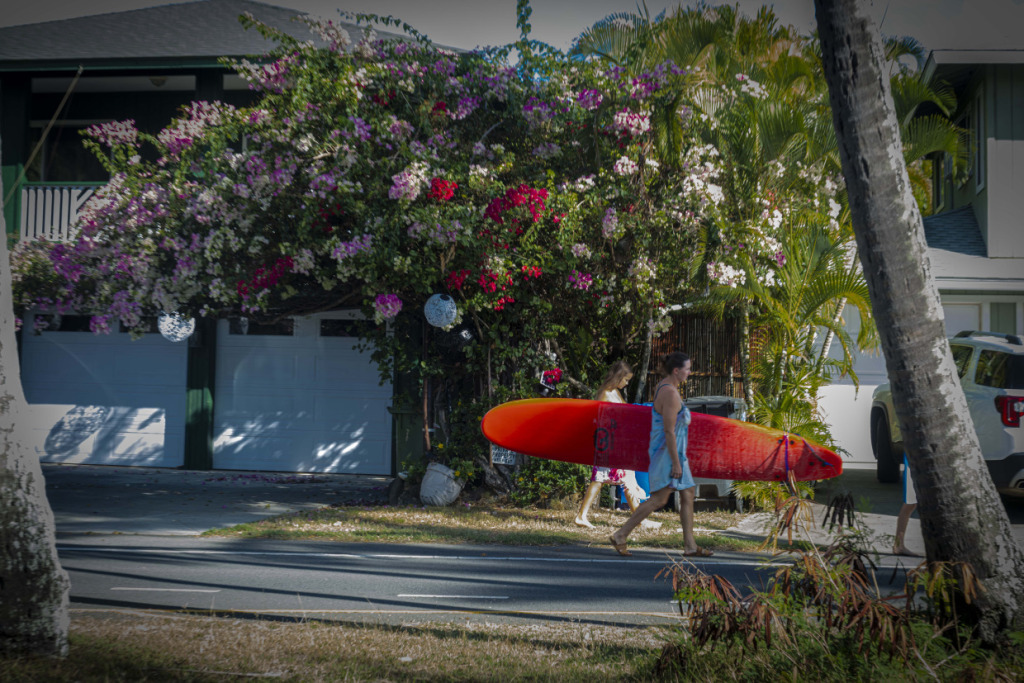
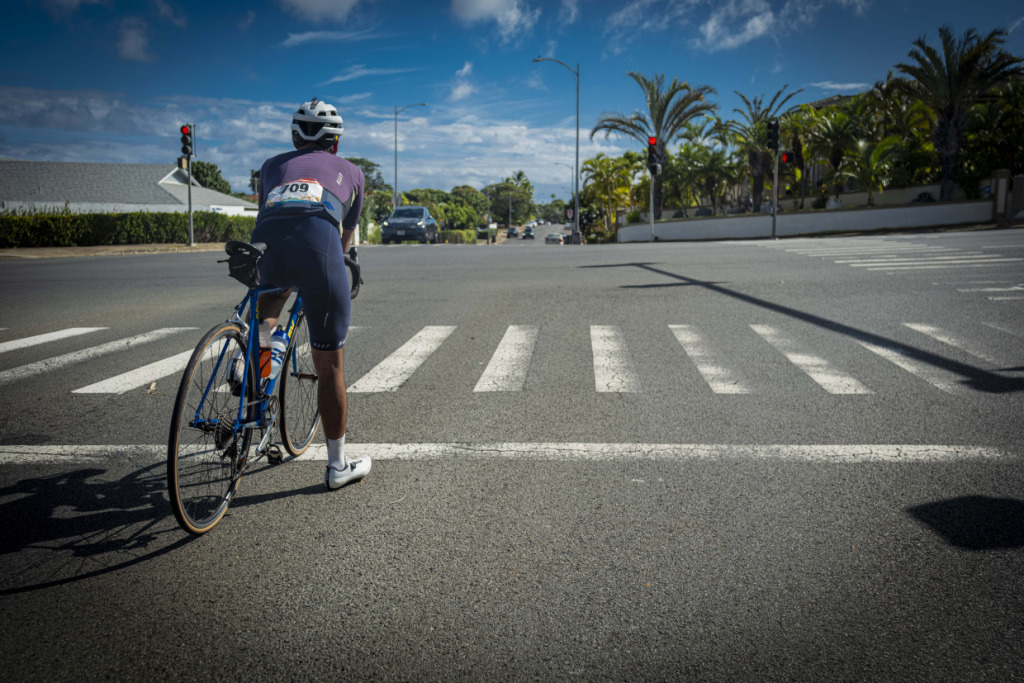
Rejoining Highway 72, I continue north toward the Kailua area at the base of the Mokapu Peninsula. In this quiet residential district, I pass people heading for the beach with surfboards under their arms. Known as a bedroom community of Honolulu and Waikiki, the area offers a glimpse into everyday local Hawaiian life.
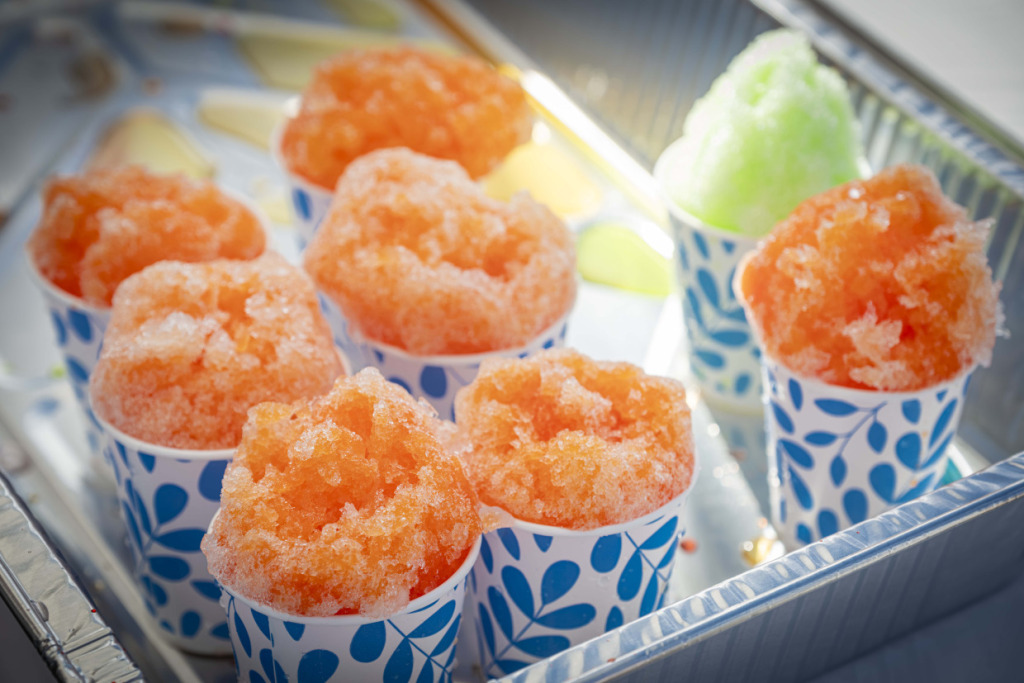
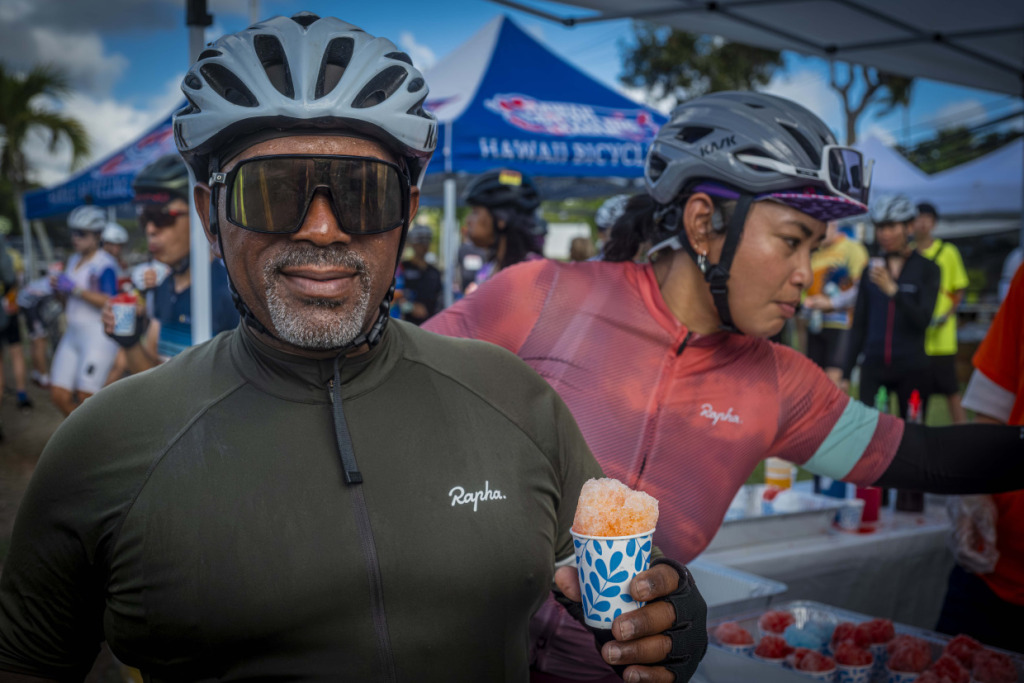
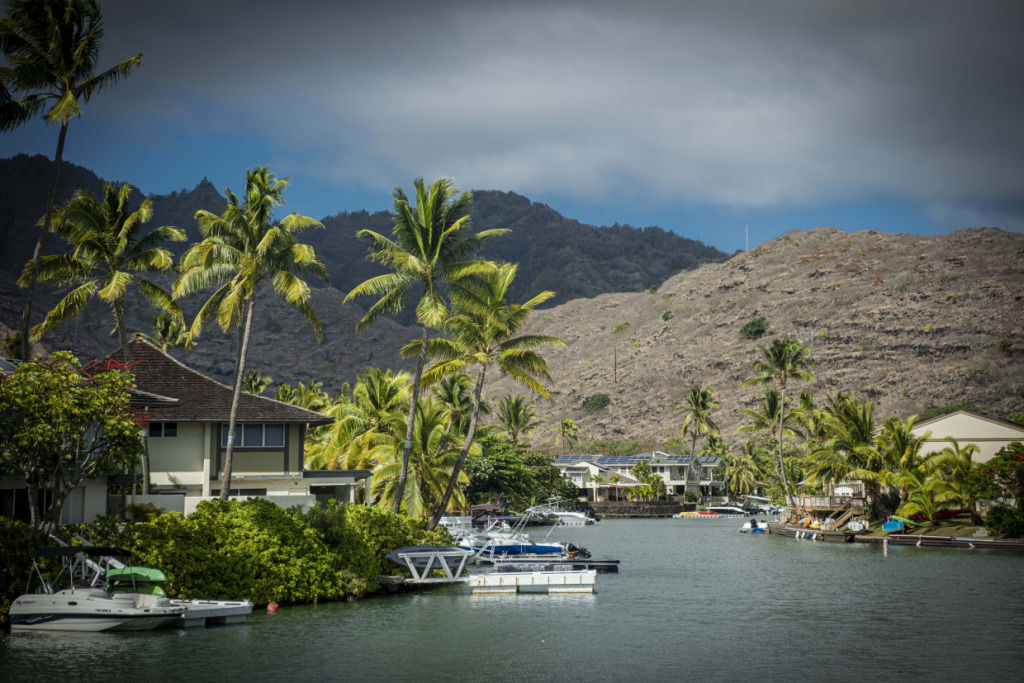
The second aid station is set up at a local middle school in Kailua, where local students help out, and riders happily dig into shave ice. Even though it’s still morning, the temperature is already rising quickly. After taking on fluids and fuel, I set off again toward Kāneʻohe Bay on the opposite side of the peninsula. This is one of the most scenic beach resort areas in the U.S., so picturesque that scenes from Pirates of the Caribbean were filmed here. I settle into a relaxed cruise along Kaneohe Bay Drive stretching out from the waterfront.
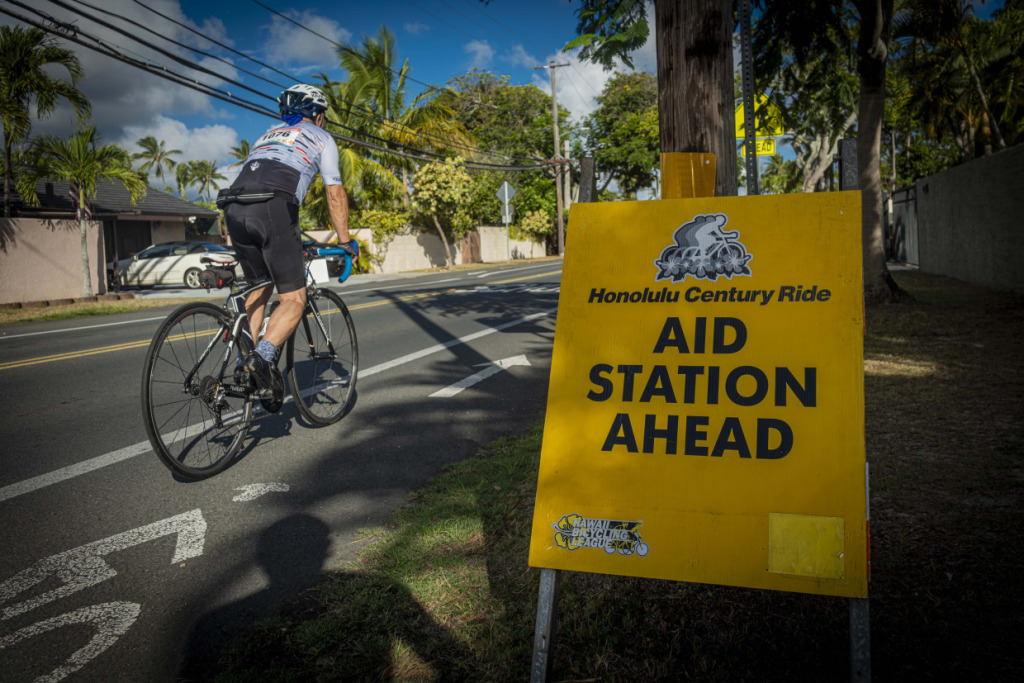
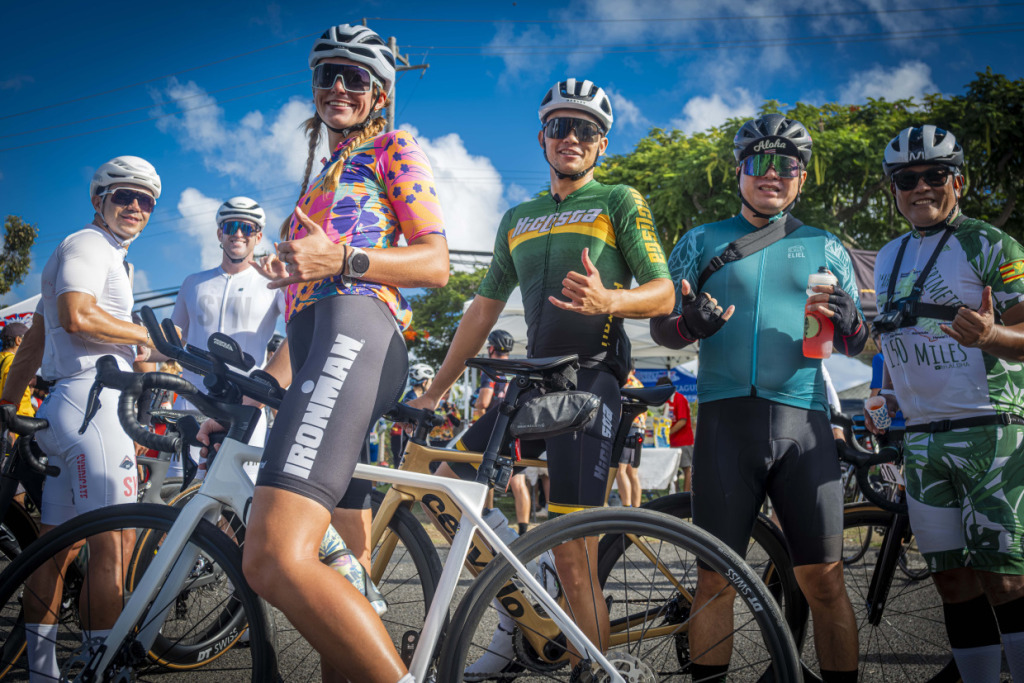
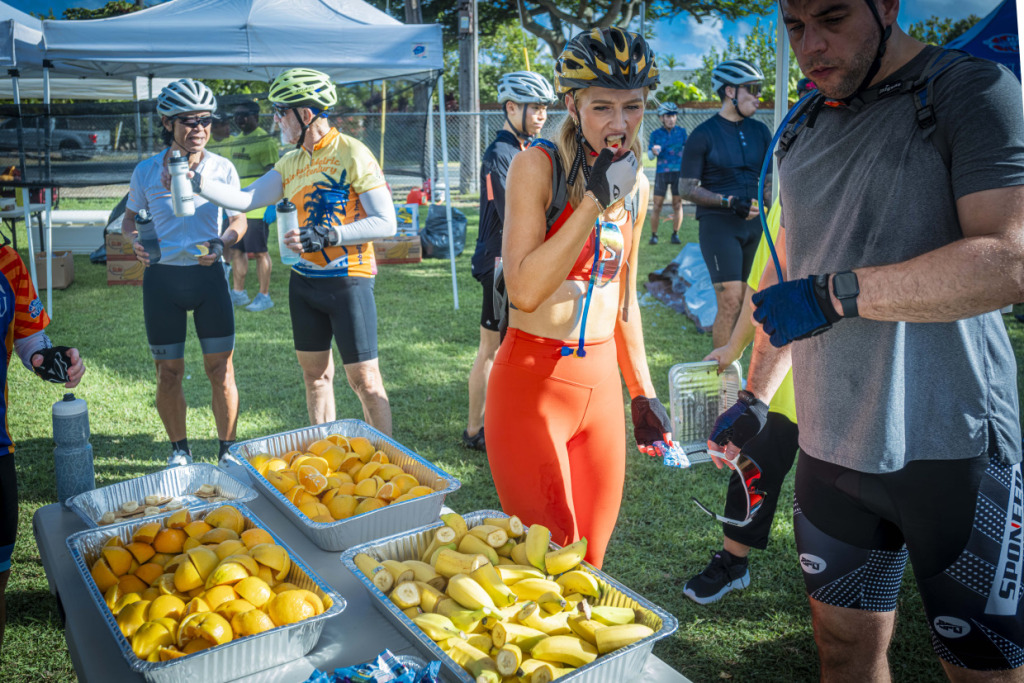
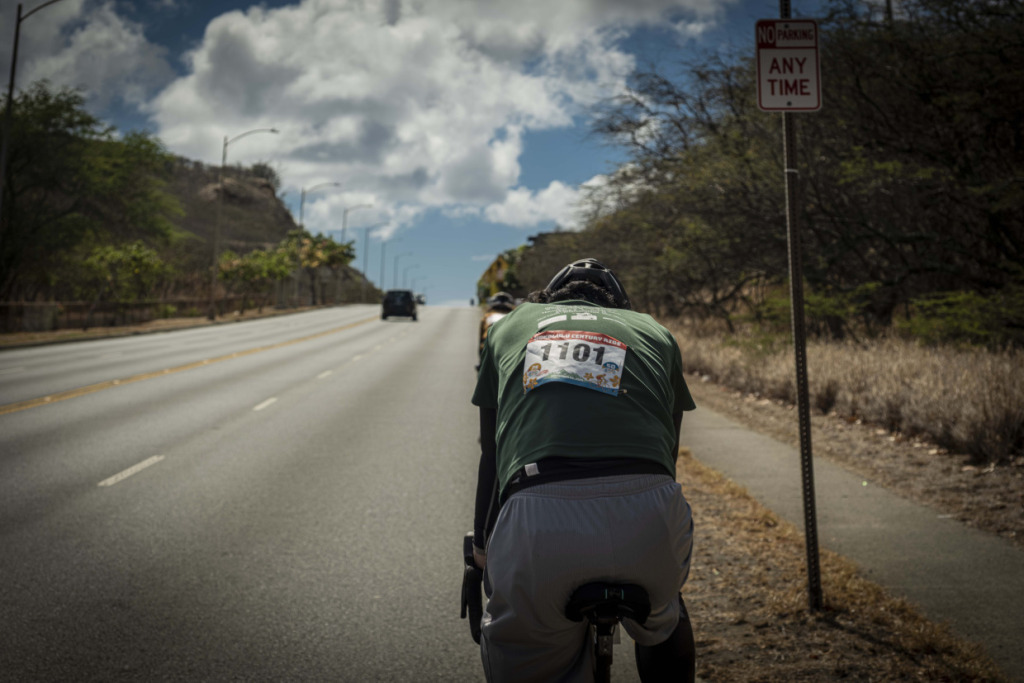
Once past the urban area, the route follows Highway 83 straight toward the turnaround point. It’s a simple stretch where you can focus on turning the pedals without overthinking—but the rolling ups and downs, along with the wind, still demand effort. Near town, traffic is heavier along this main road, so I stay focused on holding a steady line.
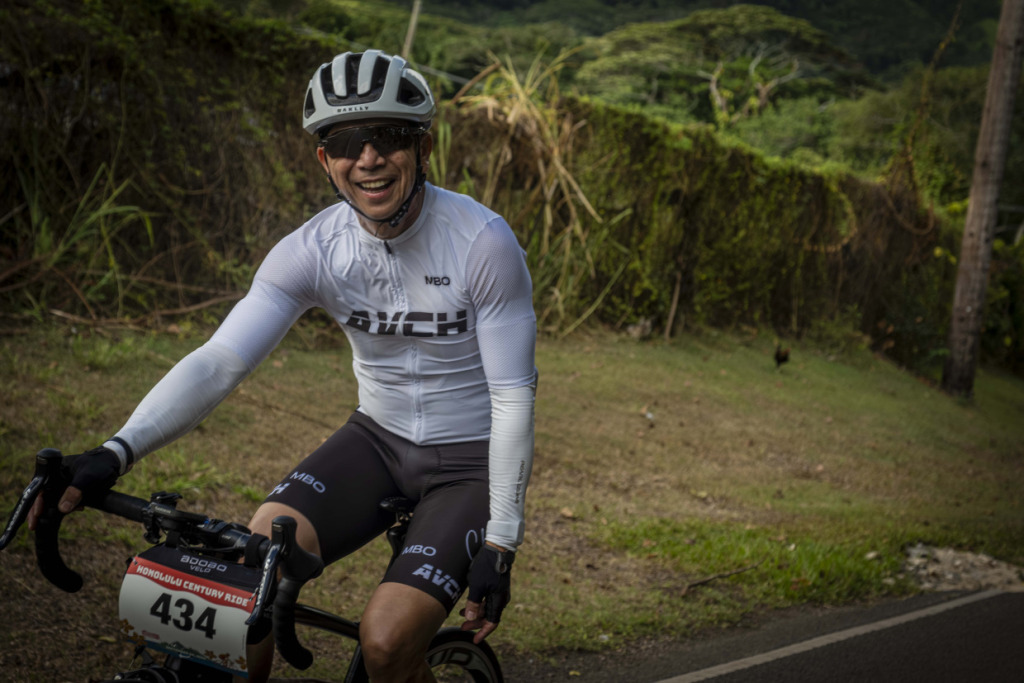
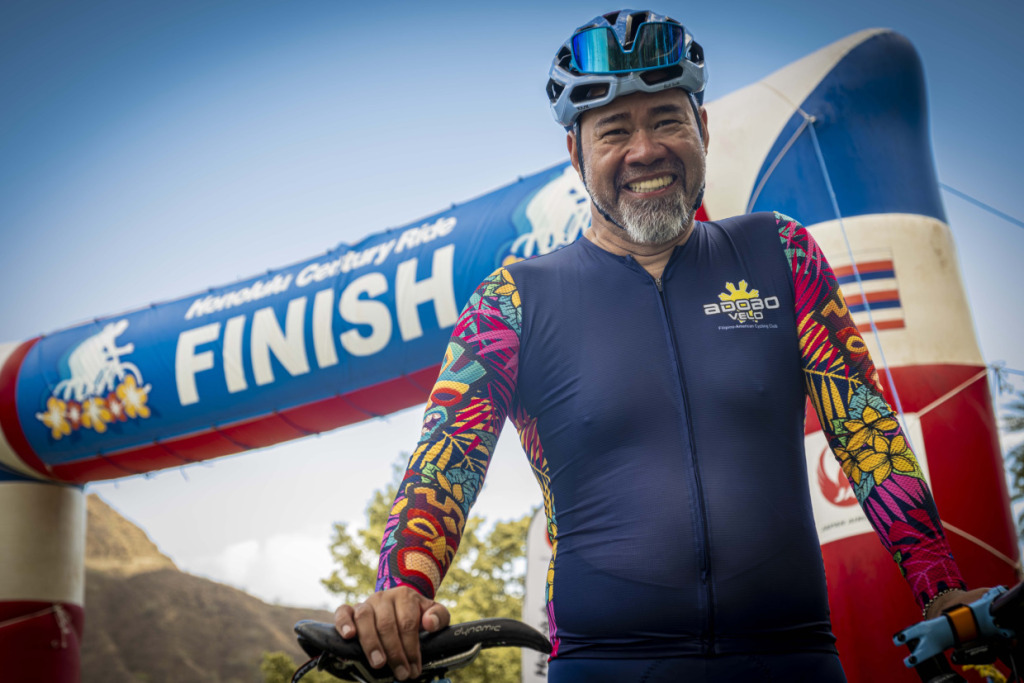
For both safety and a change of pace, I sometimes hop onto passing team trains and ride with them for a while. Even simple English conversations are fun in moments like these. With more than 50 km already covered, no one is finding it easy, but everyone is battling on in their own way—with smiles. Smiles are strength. A smile is shared power. I lift the camera and snap those expressions once again.
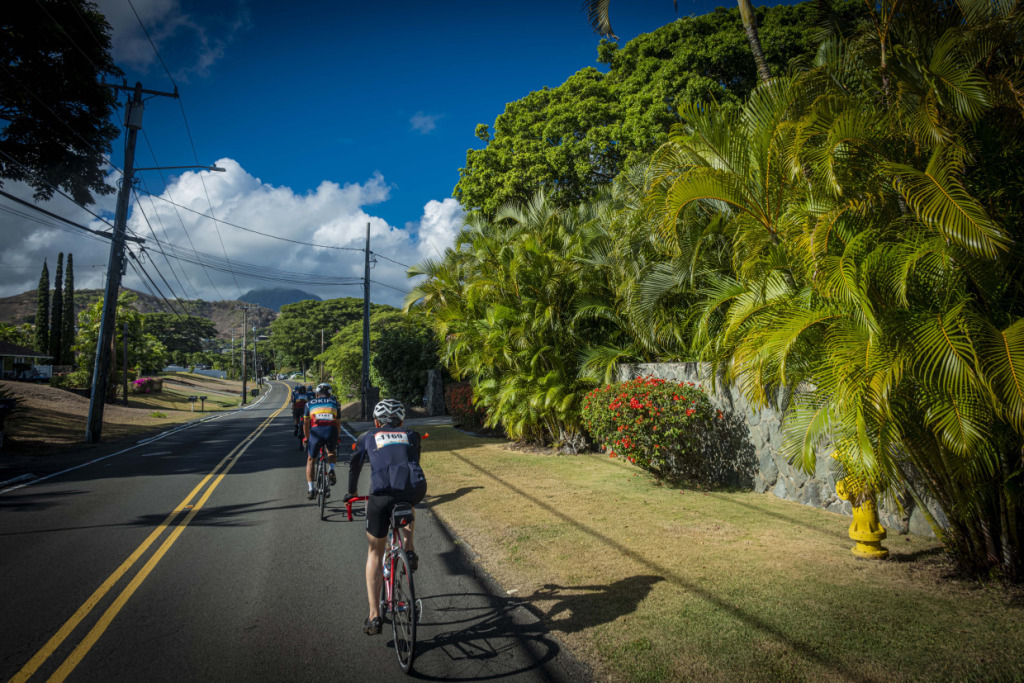
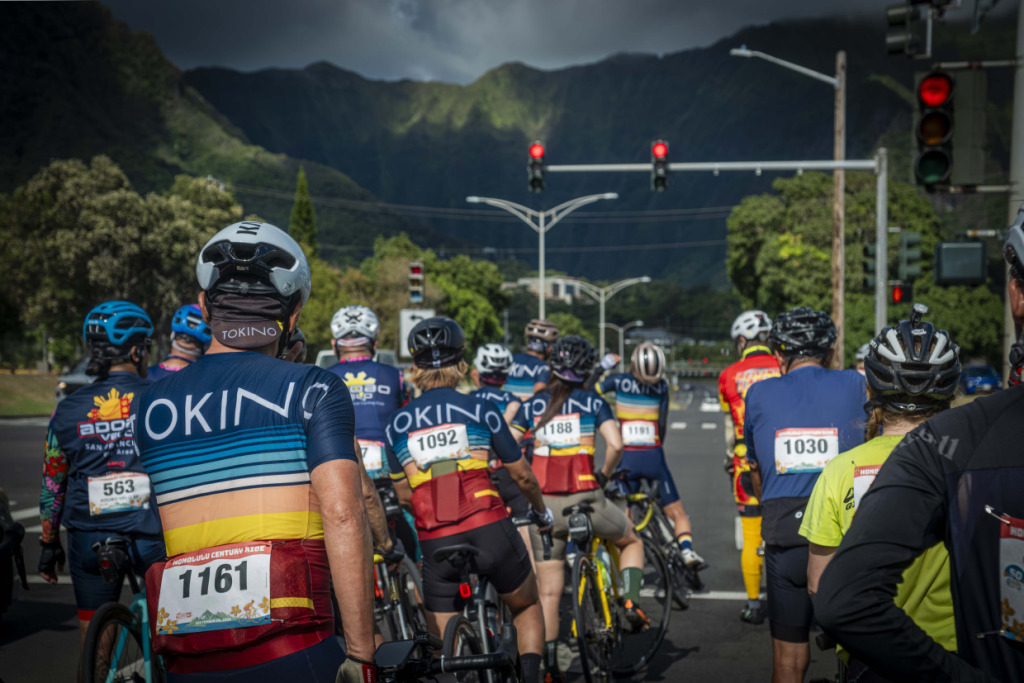
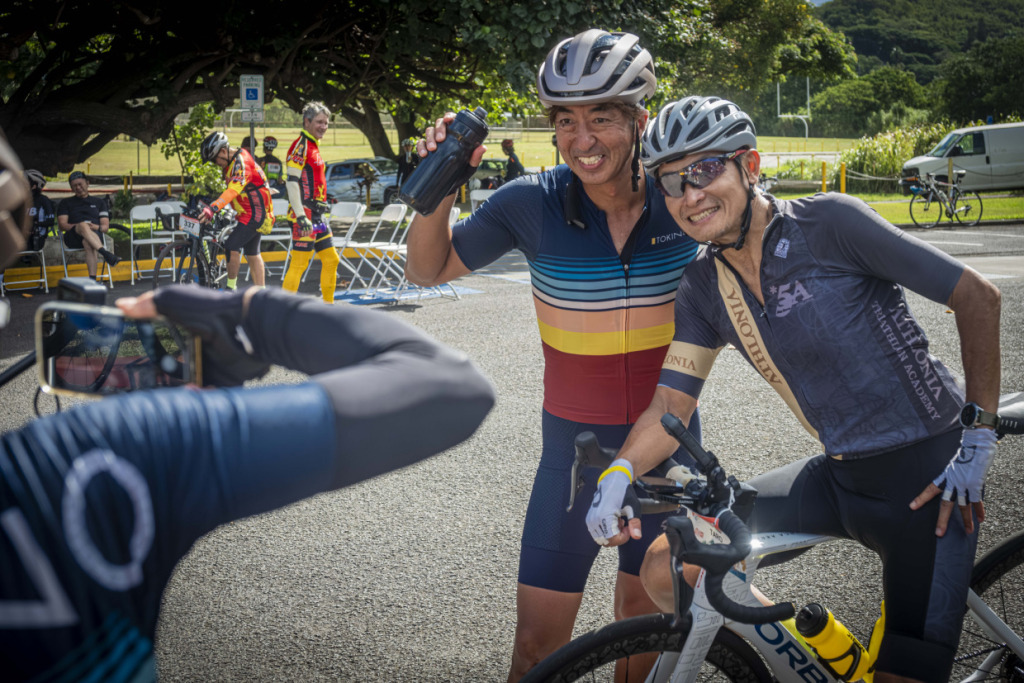
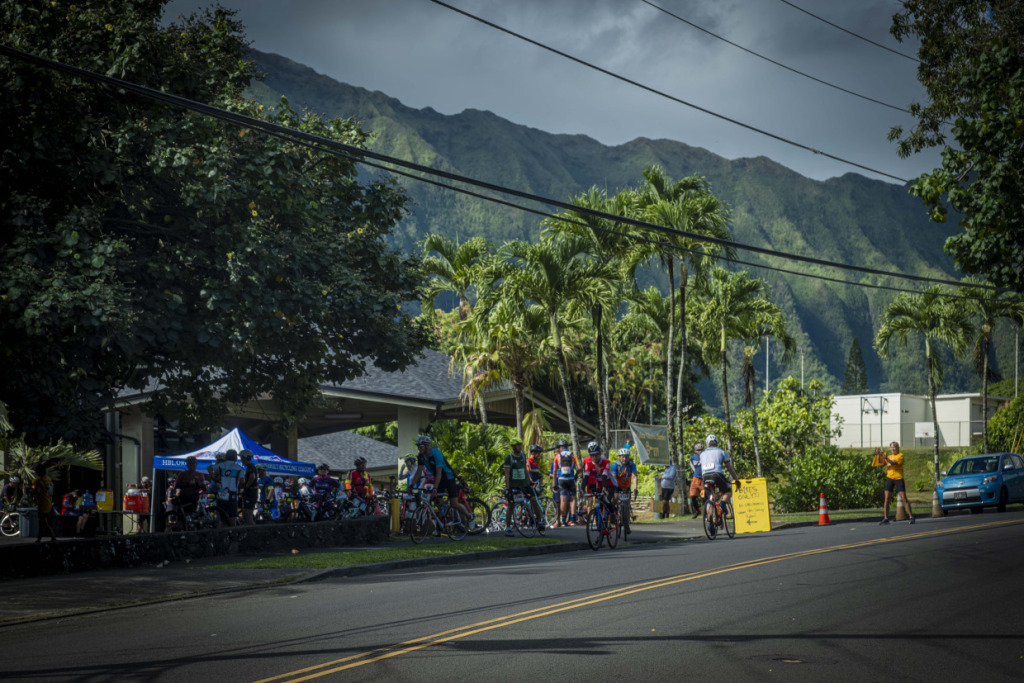
As I continue north on Highway 83—better known as Kamehameha Road—traffic gradually thins out. By the time I reach Waikāne, the road has turned into a lush local route, with peaceful scenery of farmland and ranches stretching into the distance. My tension eases, and at the same time I realize just how far I’ve come from the bustle of Waikiki—farther than the mileage alone suggests.
After climbing past the nature-rich Kualoa Ranch, famous as a filming location for Jurassic Park, I return to the coastline once more. From there, a true beachside road—running right along the water’s edge—continues all the way to the turnaround point at Swanzy Beach Park. It’s an incredibly refreshing stretch, though just as expected, the wind is strong. Now and then, waves crash close enough to send spray across the road. Staying low over the bars, I keep pushing the pedals. No one asked me to, but I drive the pace all the way to the turn, arriving at the 50-mile turnaround aid station at Swanzy Beach Park.
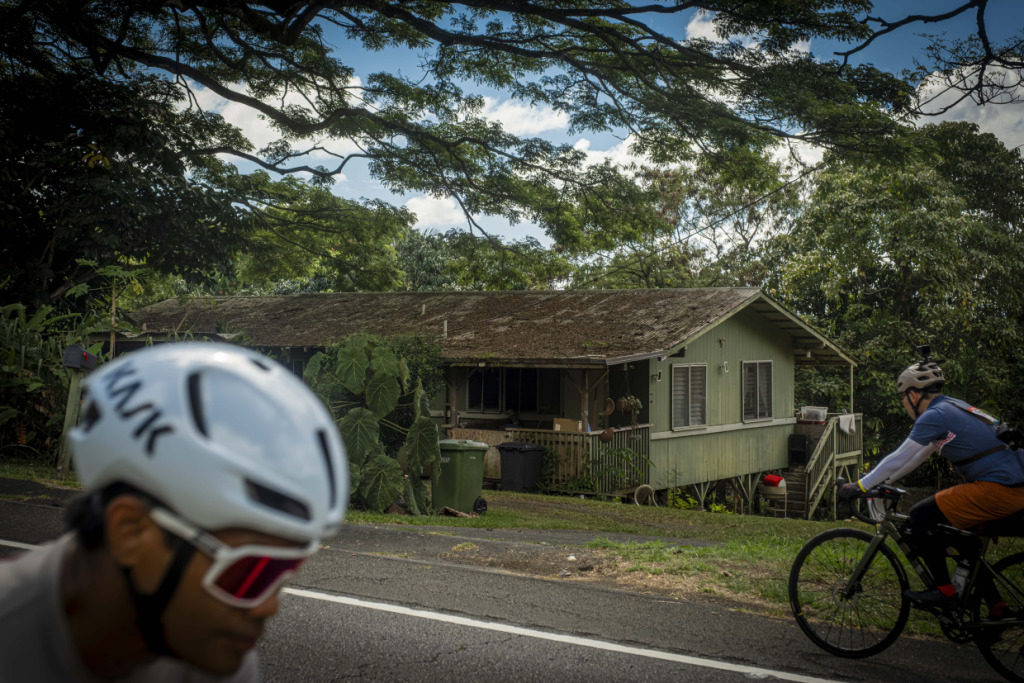
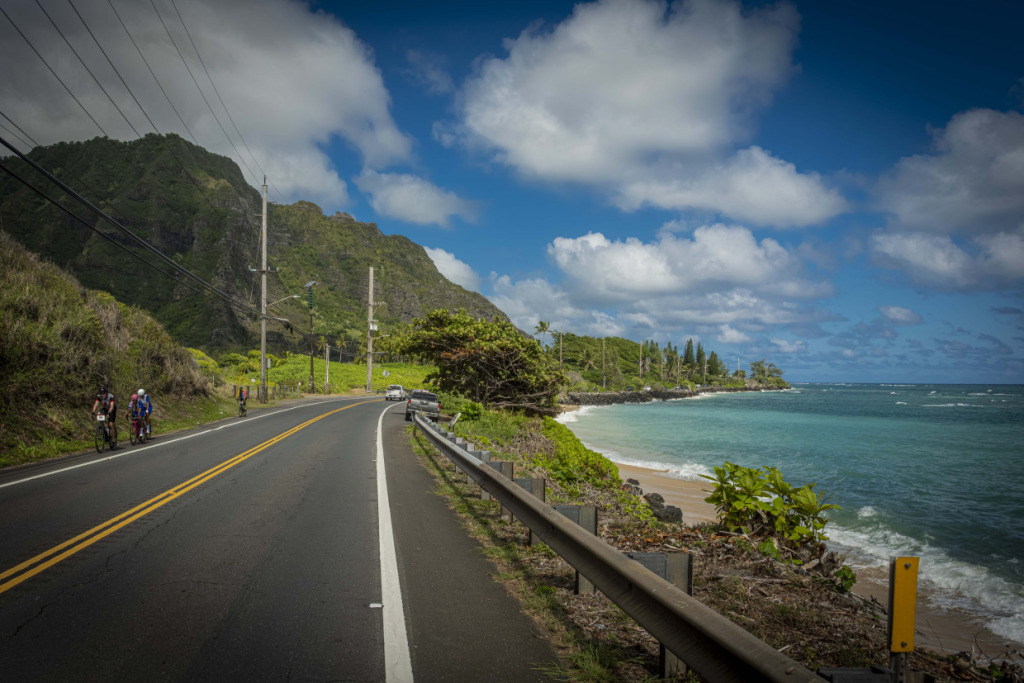
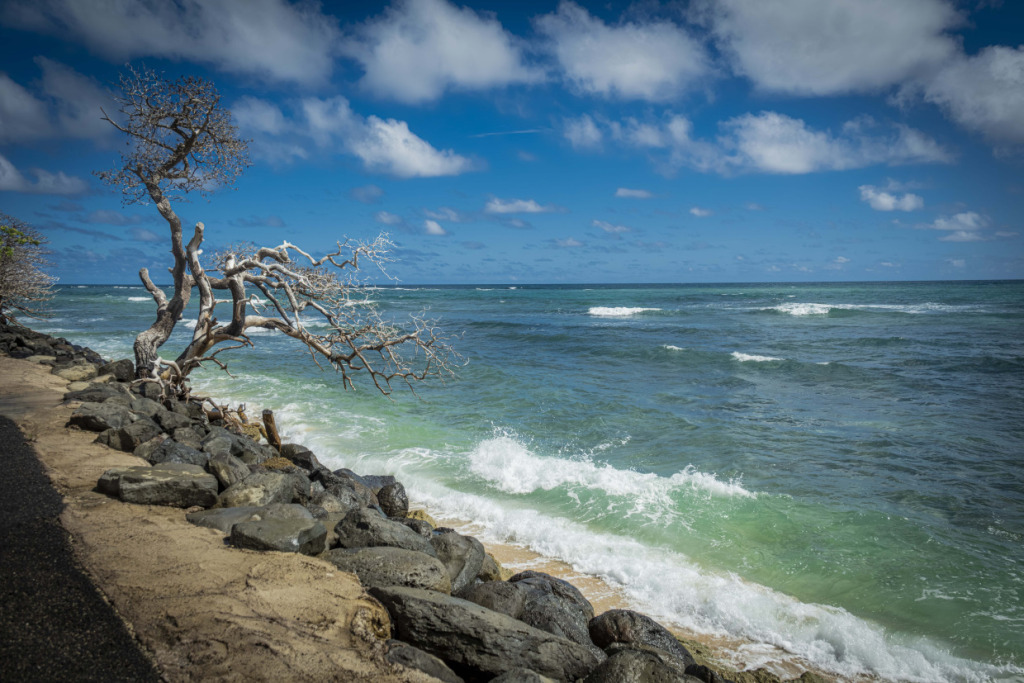
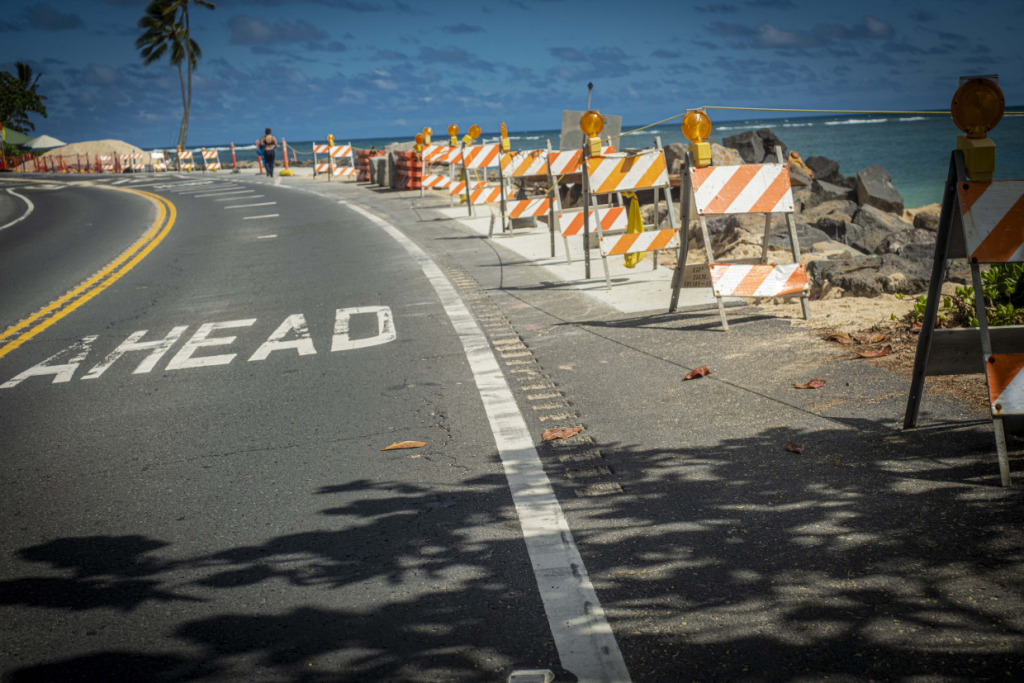
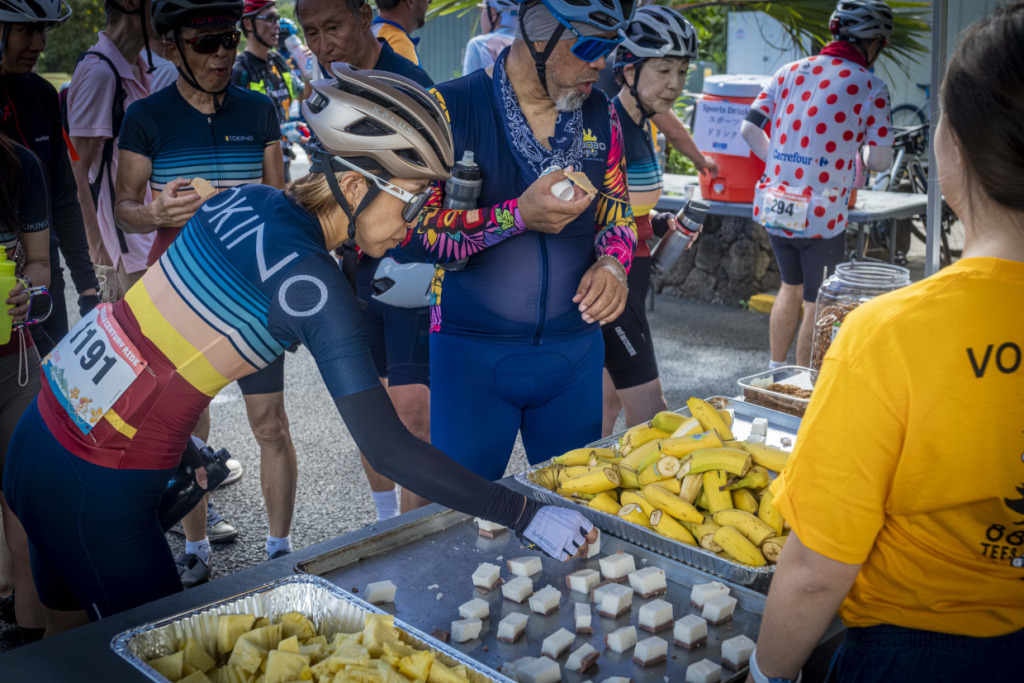
It’s just before 11:30 a.m. I pushed the pace a bit in the second half of the outbound leg, so it turns into an early lunch break. Smiling local girls serve pineapple and sweets, their bright expressions as energizing as the food itself. A local mom hands me an onigiri with pickled plum—a welcome surprise for a Japanese rider. I happily eat both the sweets and the rice ball, focusing on recovery while collecting more smiles from the international riders who’ve made it this far. Everyone looks great—though there’s still half the distance to go!
The sun is now high, and the temperature is rising fast. If you think a Hawaiian ride is easy, think again. Even as a fun ride event, 100 miles (160 km) is an adventure, with plenty of challenges along the way. The midday heat intensifies, and the road surfaces can be rough in places. I remind myself not to let my guard down as I begin the return leg.
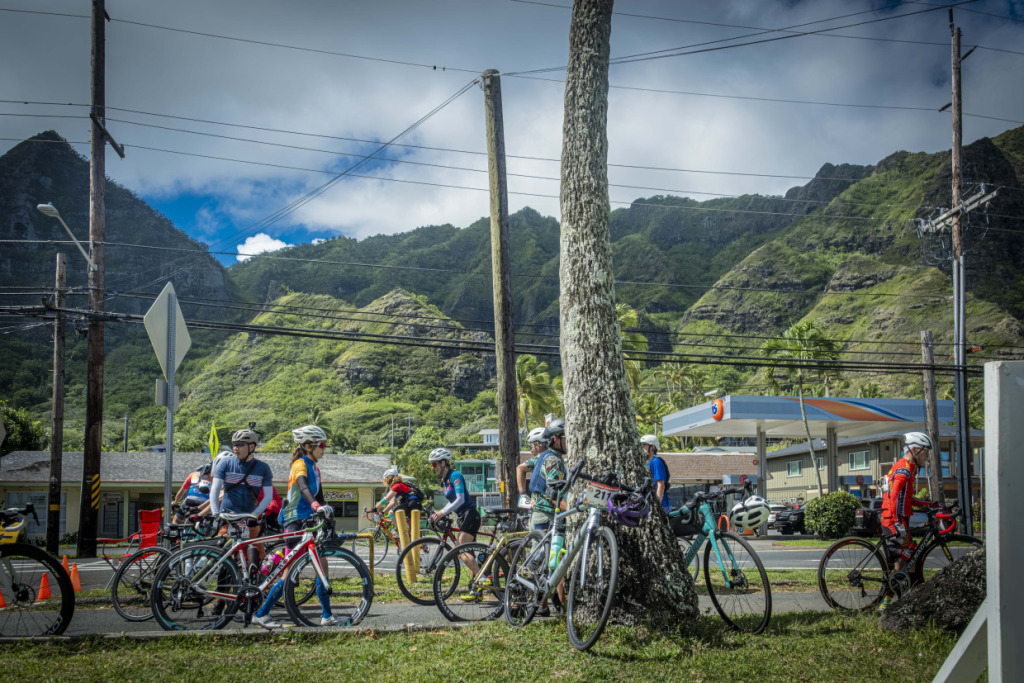
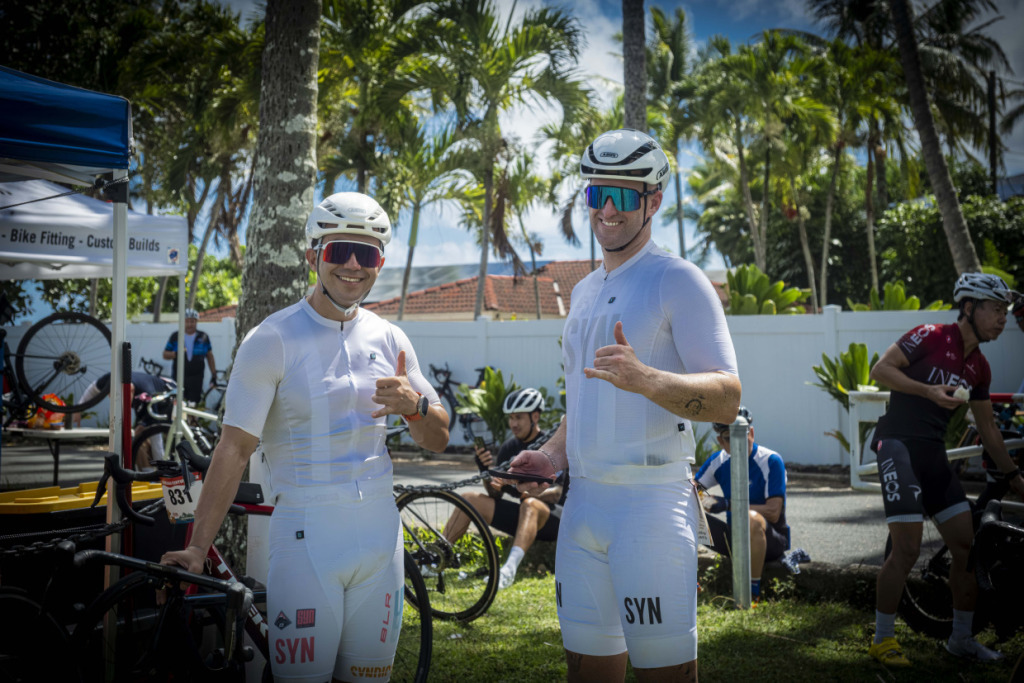
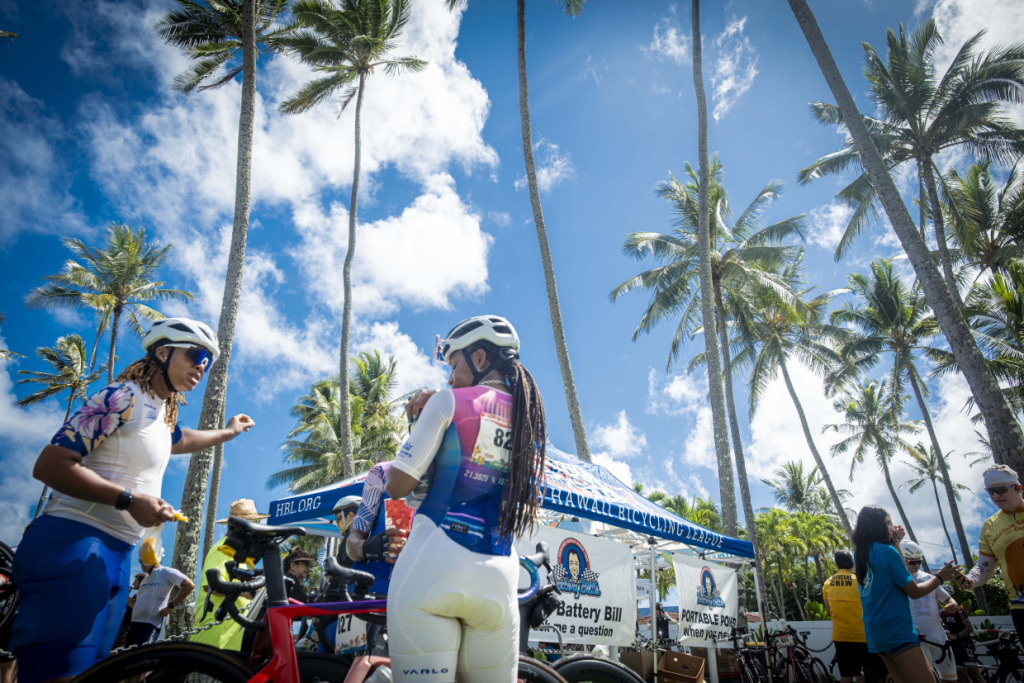
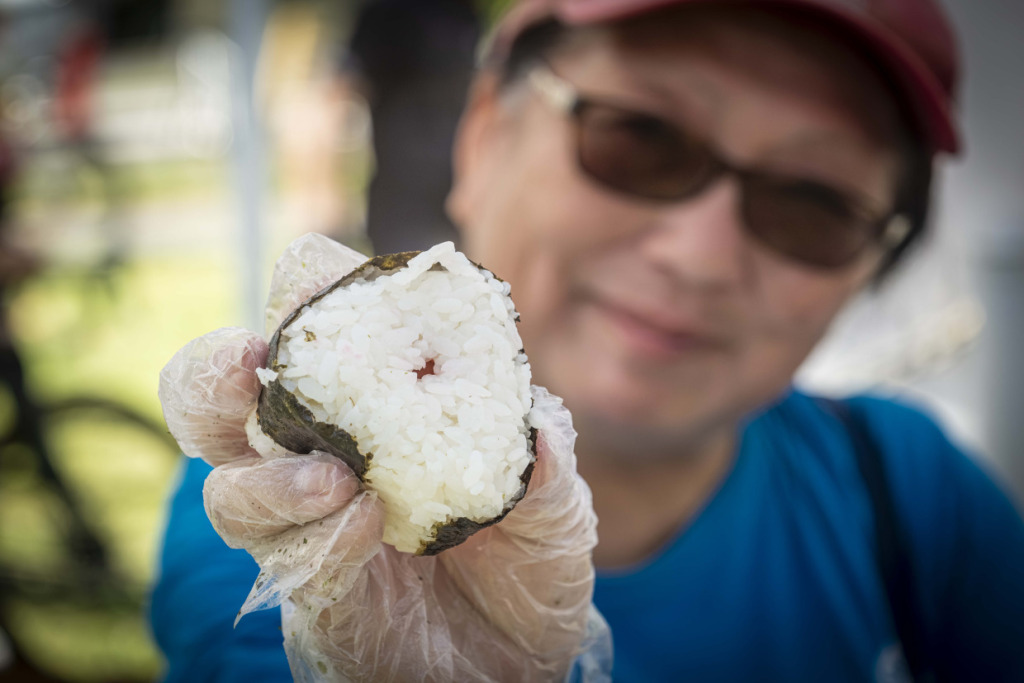
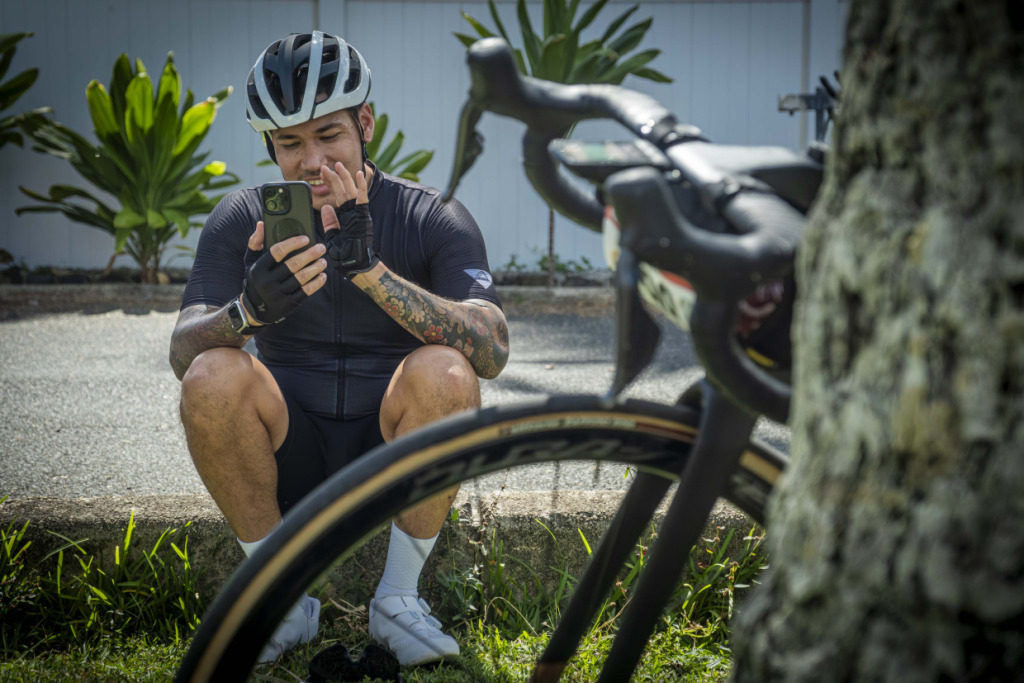
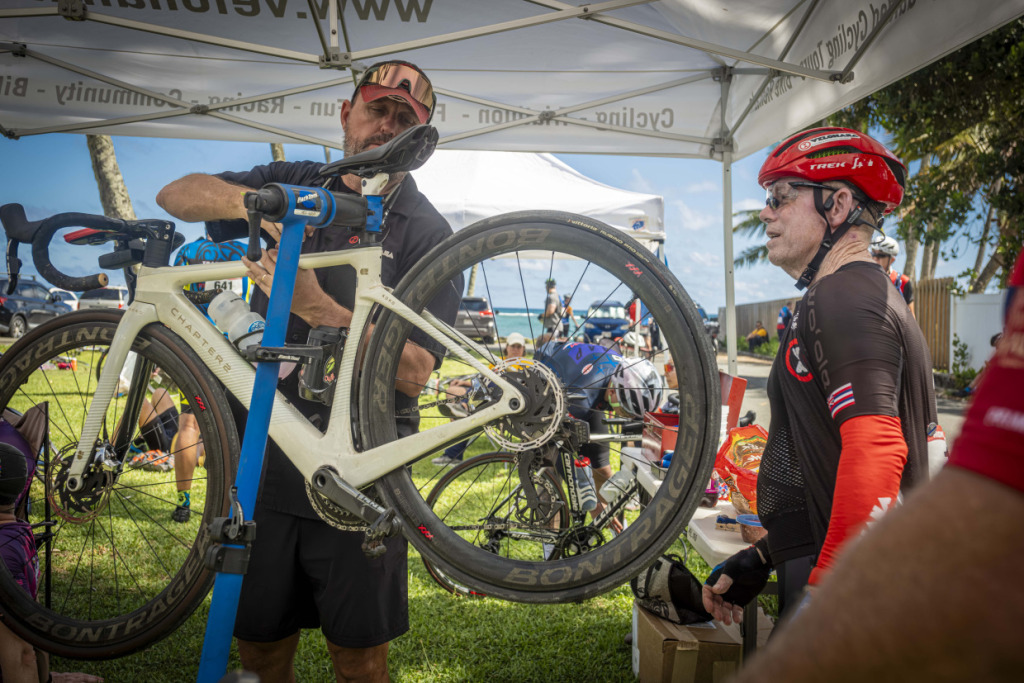
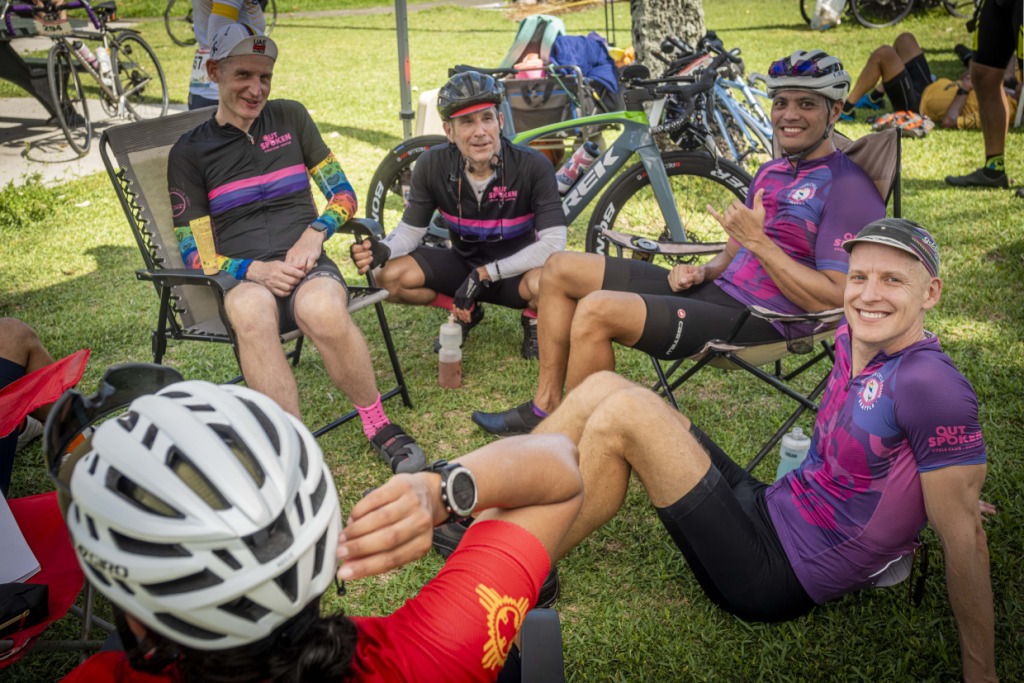
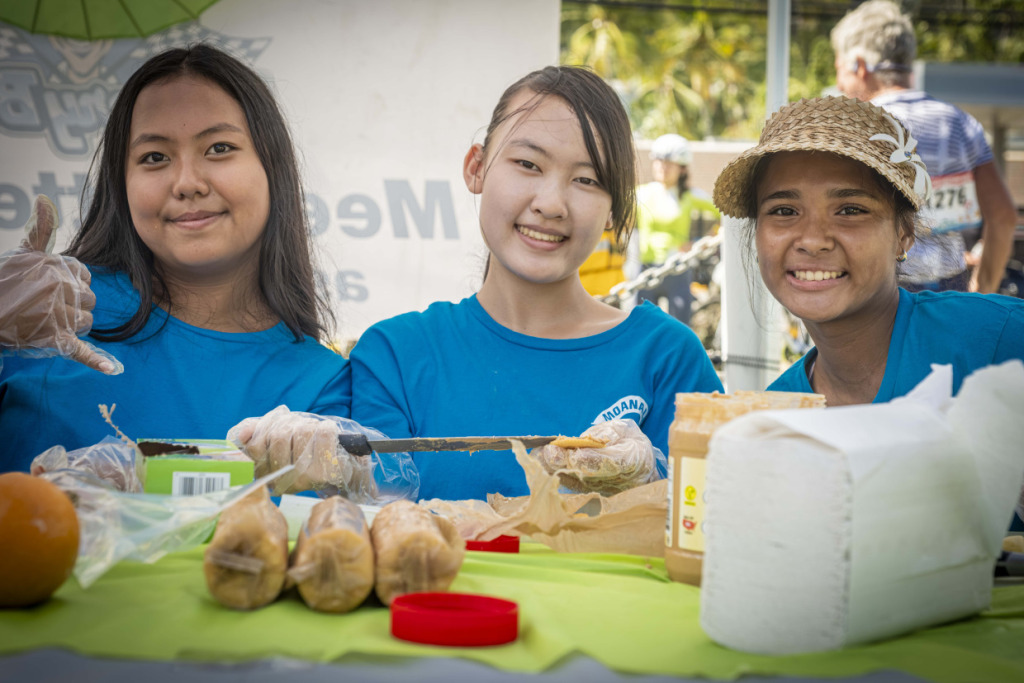
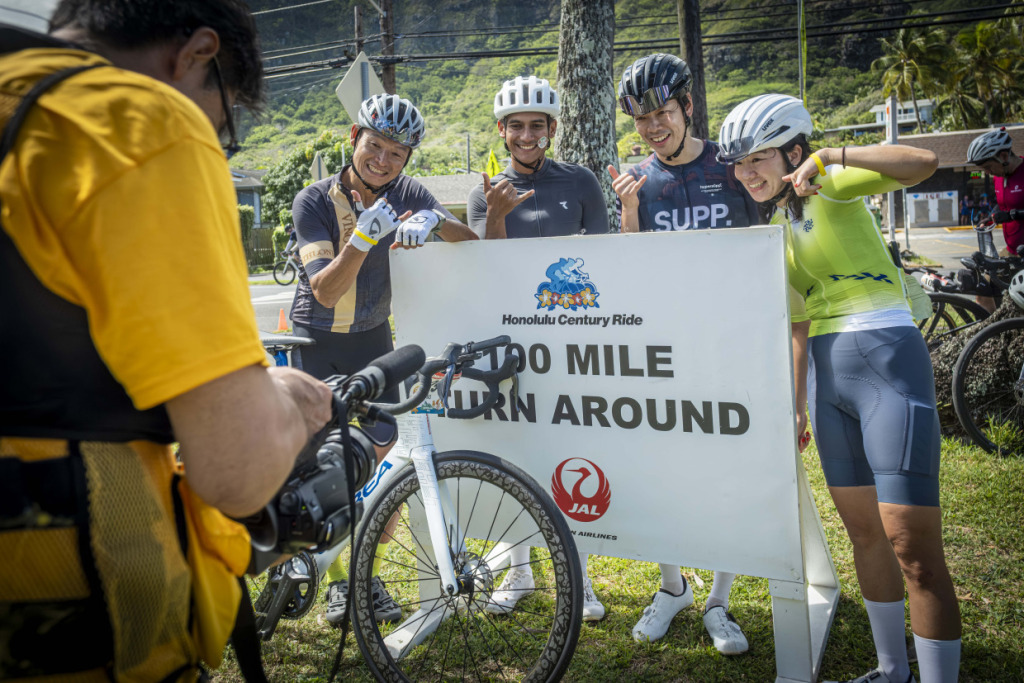
Although the return leg follows essentially the same roads, the route never feels like a dull repeat. There are plenty of things I missed on the way out, of course—but more than that, the light and the terrain feel completely different on the way back. The same road offers a completely new kind of enjoyment.
I’ve already written quite a bit about the outbound leg, so here are some of my favorite highlights from the return:
1. The distant east coast views and Chinaman’s Hat seen from Kamehameha Road just after the turnaround
2. The strong local flavor of the town ride through the residential neighborhoods around Kailua and Kāneʻohe
3. The mountain-side route in Waimānalo—my personal favorite in both directions
4. The Makapuʻu return climb and descent, the junction between the east and south coasts, where the relief of nearing the finish starts to grow
5. The toughest late-stage test of body and mind: Heartbreak Hill & the Kamehameha Hill Climb Challenge (optional route)
6. The final stronghold, Diamond Head Road
7. The finish gate at Kapiʻolani Park!
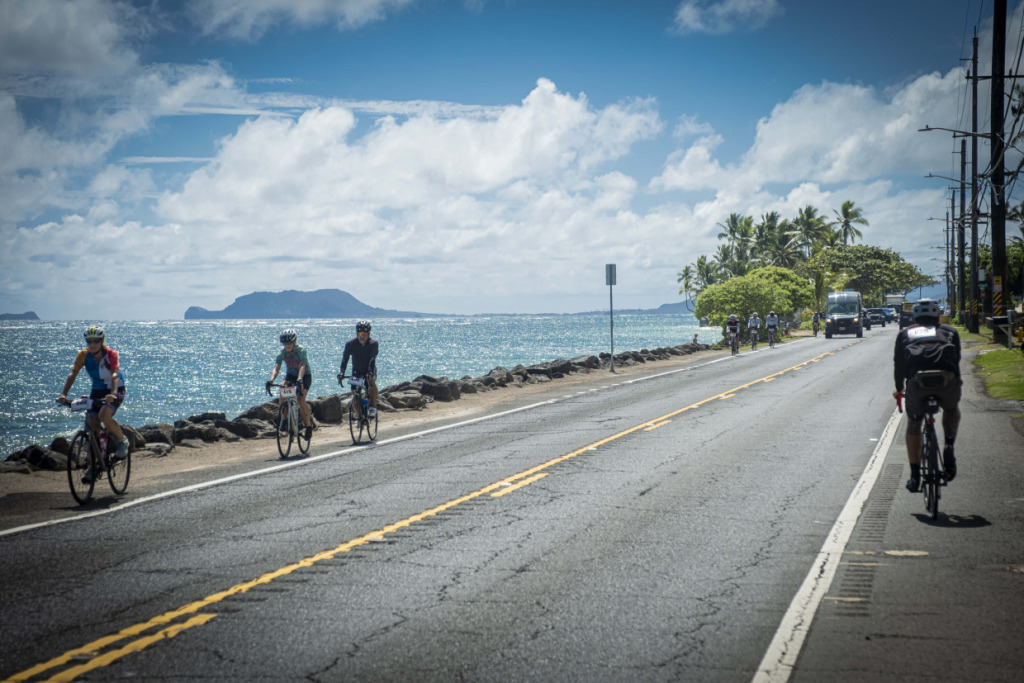
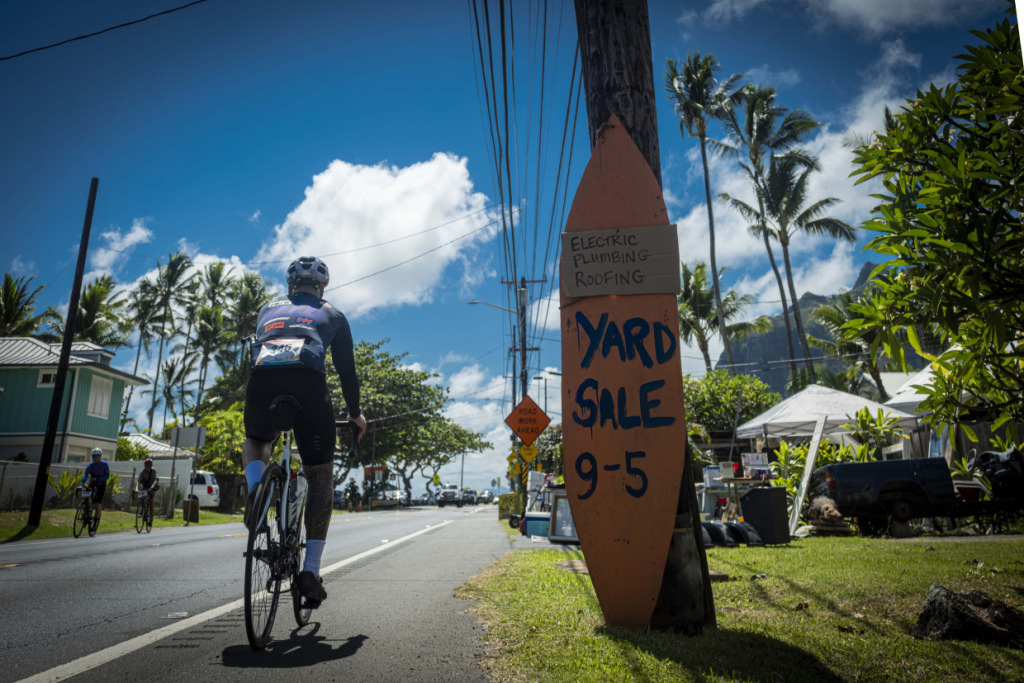
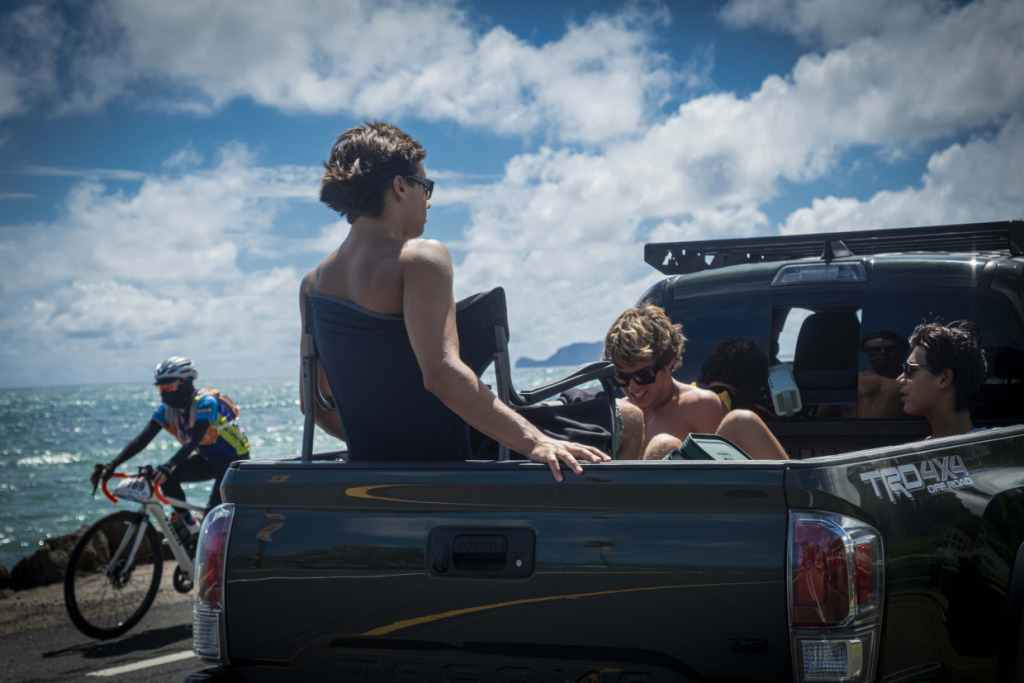
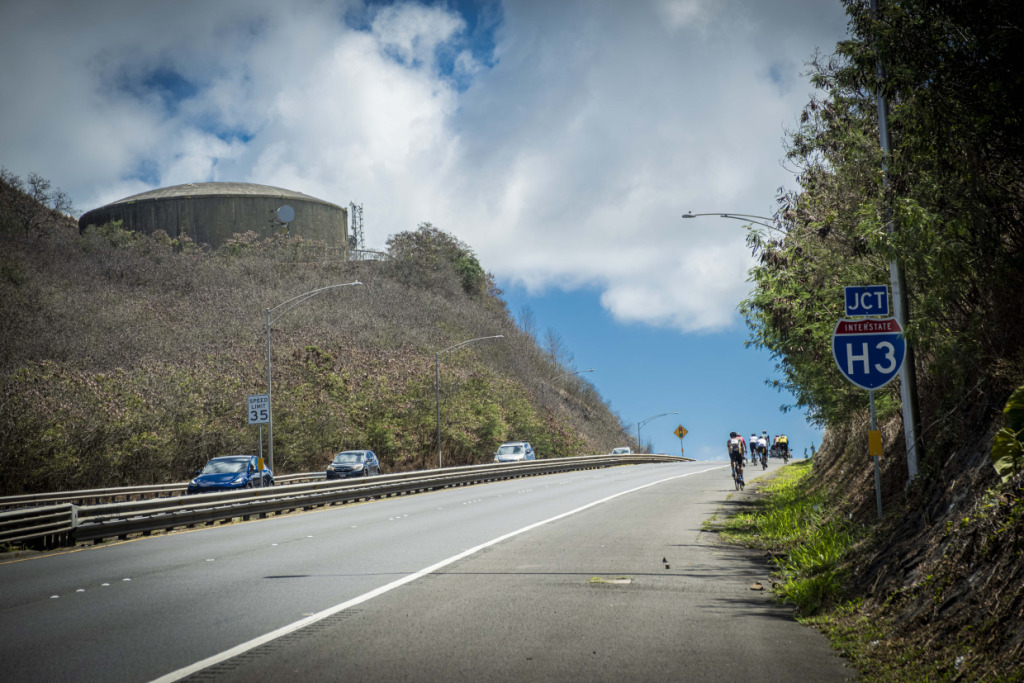
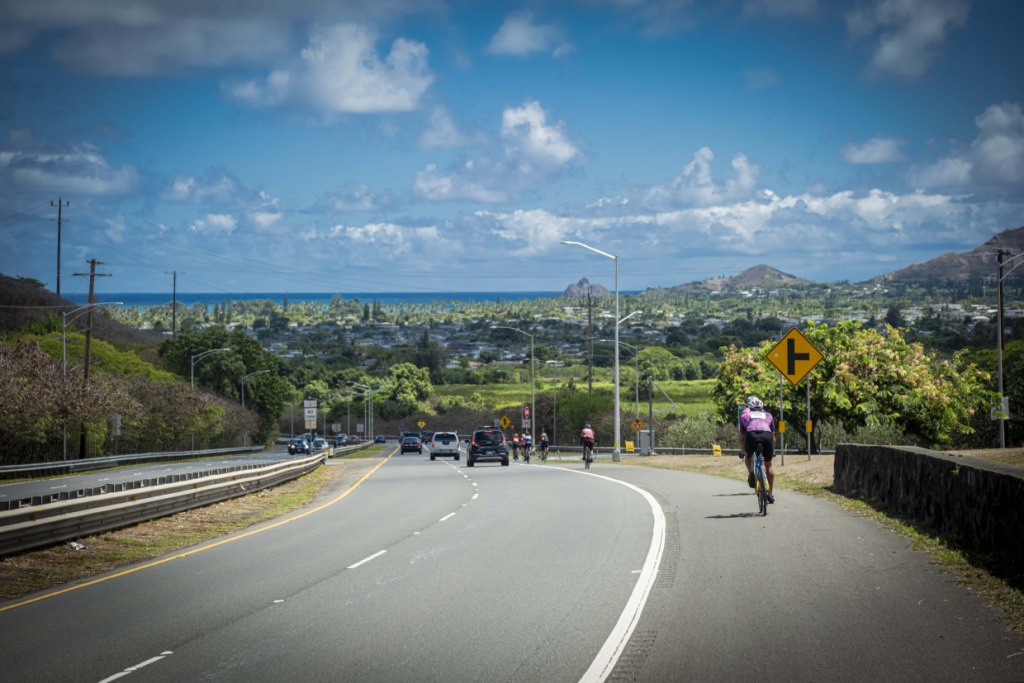
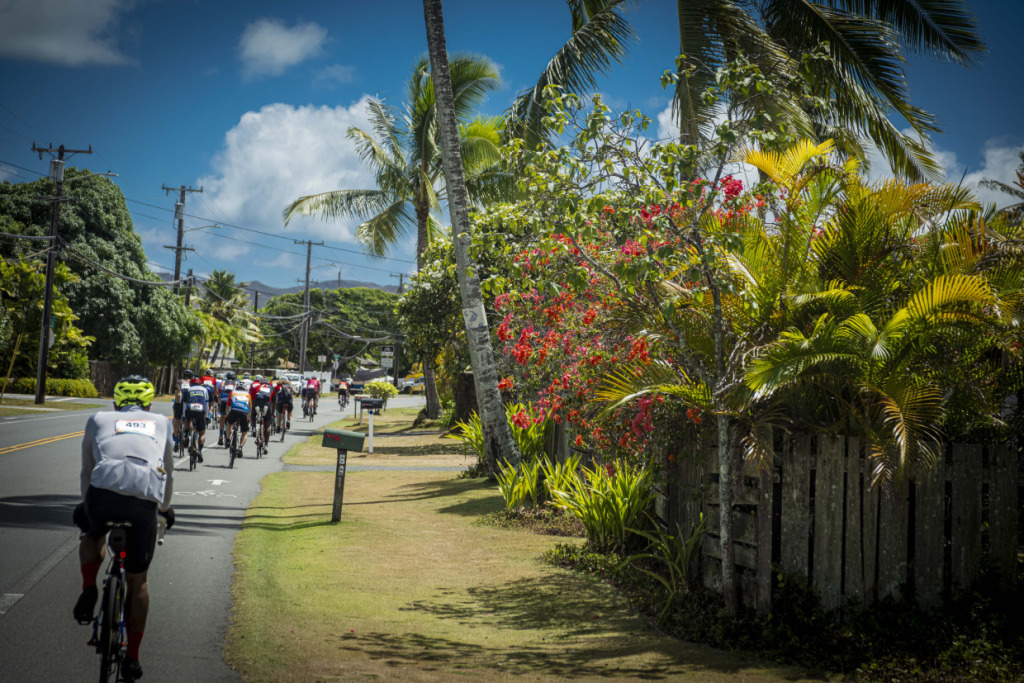
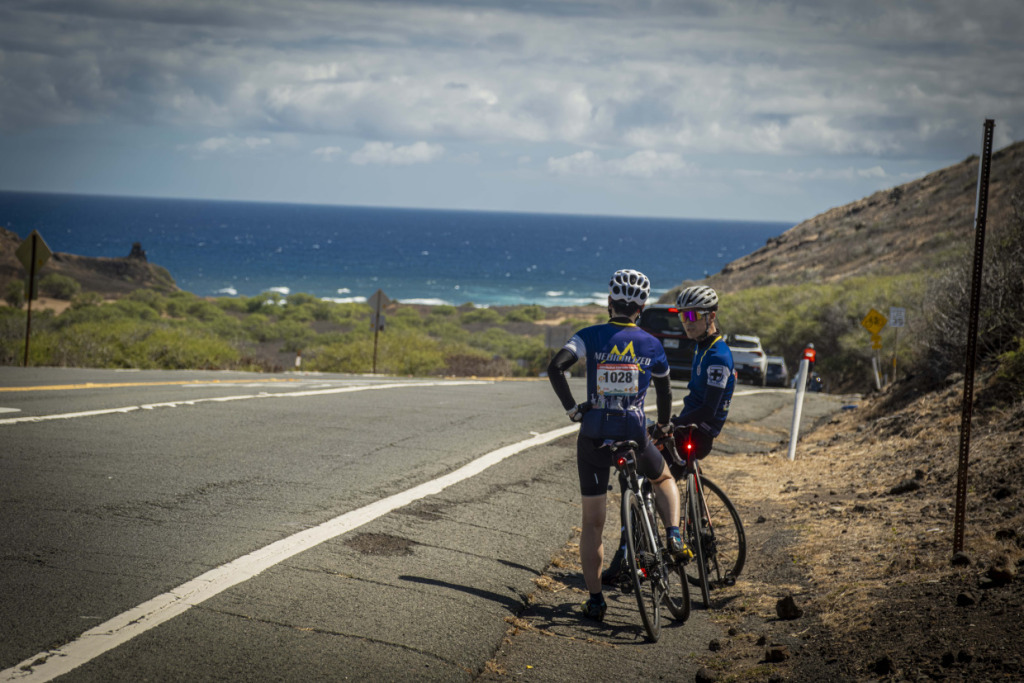
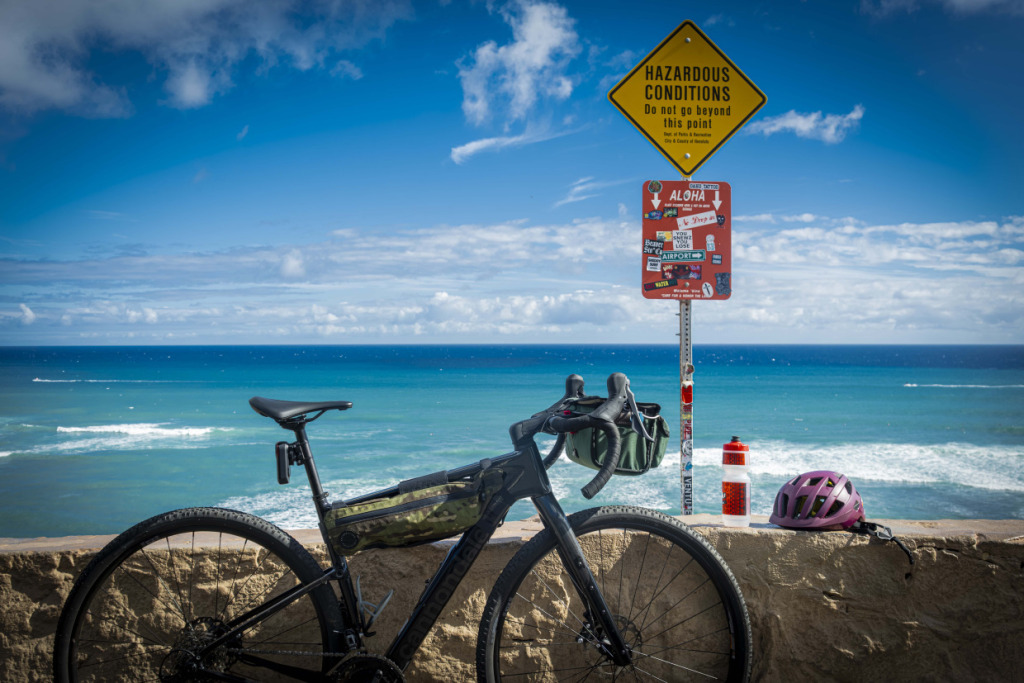
In the final stretch, I pedal on with gratitude—thankful that the ride has been safe and trouble-free all the way to this point. Diamond Head, now tilted in the colored afternoon light, shows a completely different face from the morning. Looking down toward the shore, the surfers are still tirelessly chasing waves. The finish is close, but I stop one last time to take a deep breath and photograph my bike with the distant ocean backdrop.
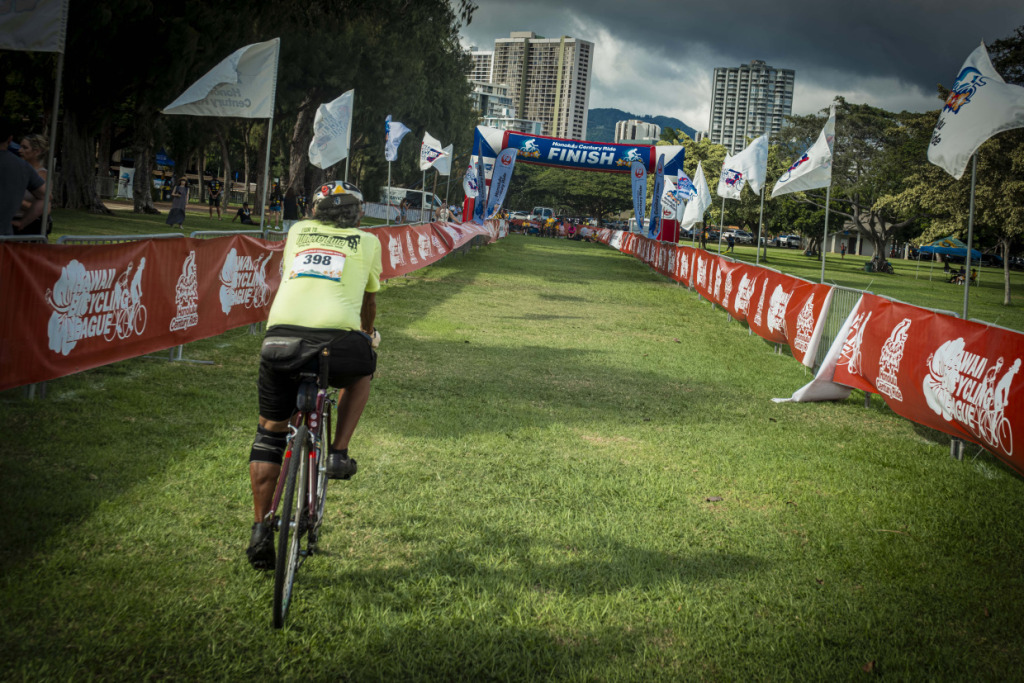
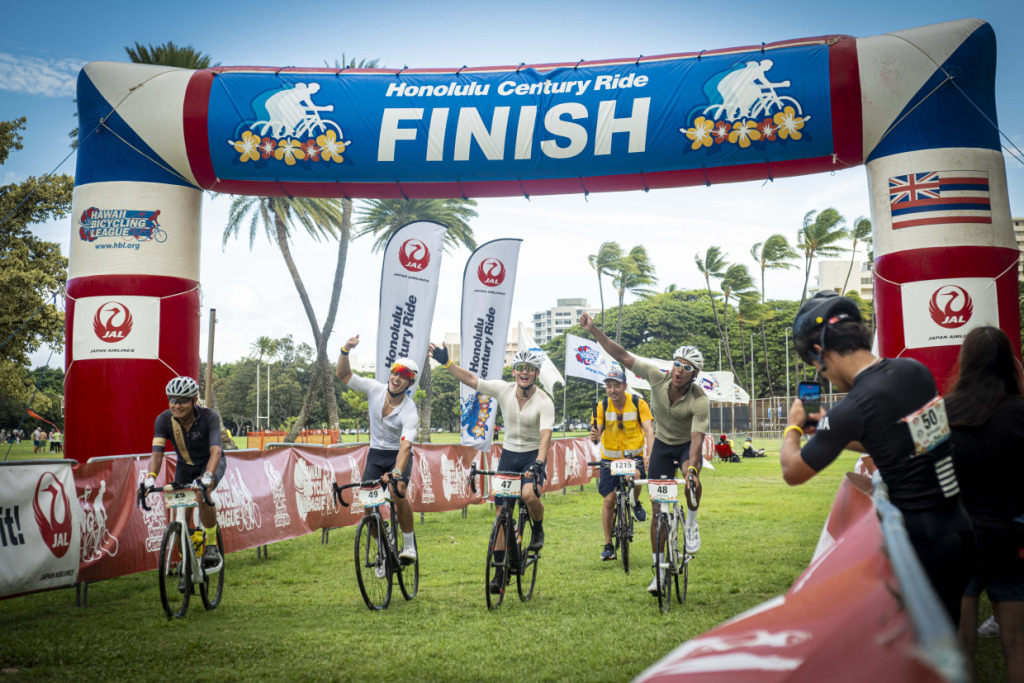
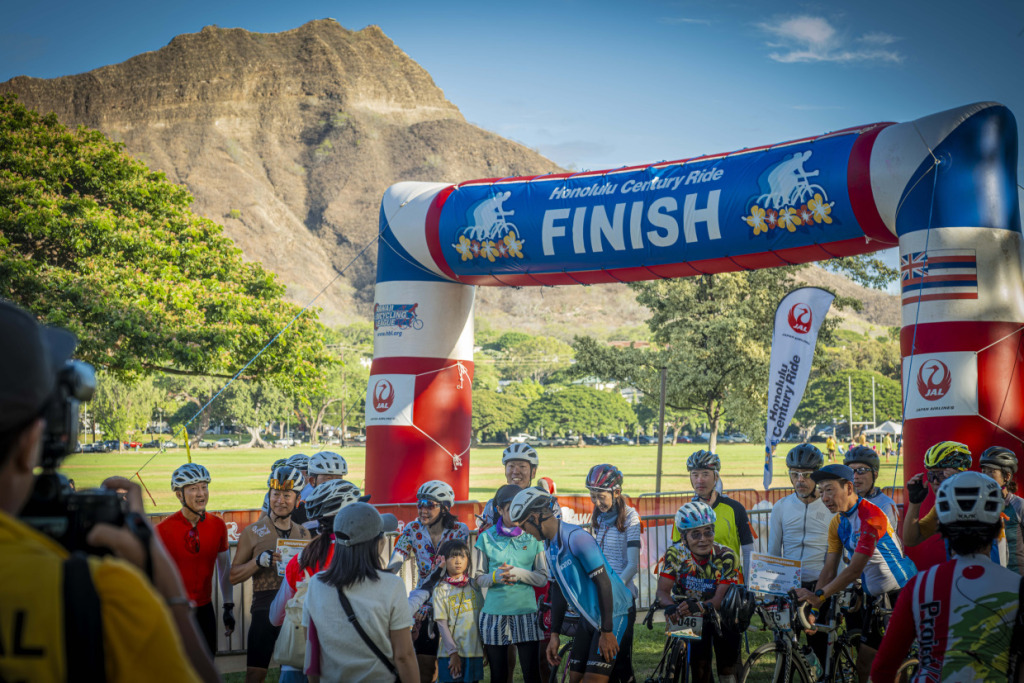
Savoring the downhill I had climbed earlier that day, I roll down—and suddenly I’m back at Kapiʻolani Park. A small group of riders around me at a similar pace glide into the grassy finish gate, not racing, just flowing in together. Along the way, I realize, official photographers had been stationed at key points, lining up to celebrate our finish with the sound of their shutters.
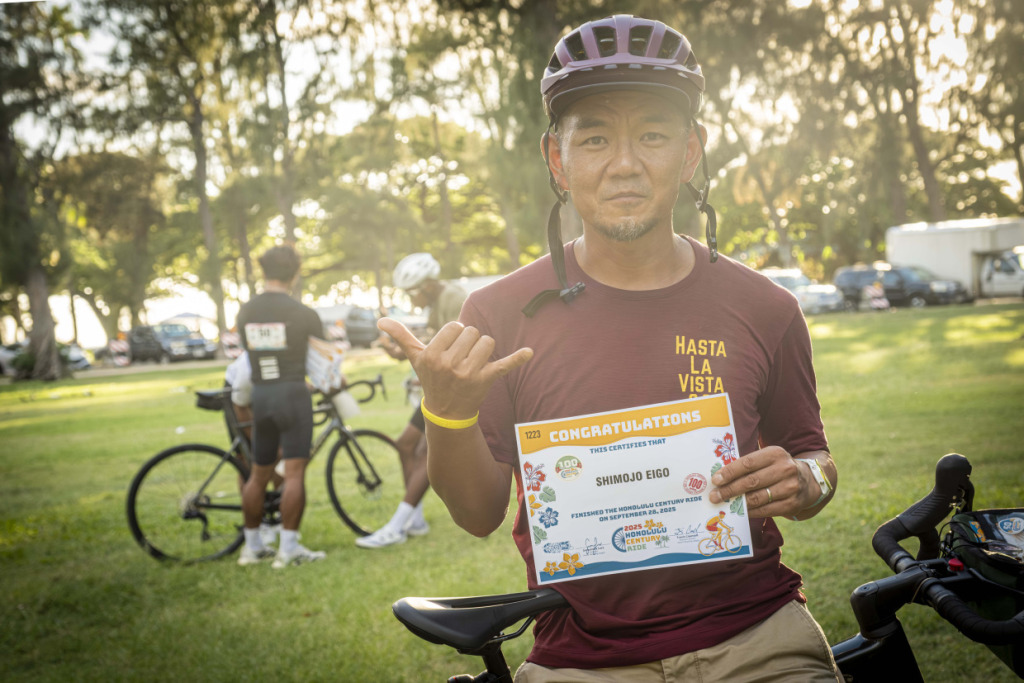
After exchanging congratulations with a few riders who happened to finish at the same time, I lay my bike down on the grass and stretch out flat on my back. The sky is already beginning to glow with the colors of evening. The day’s highlights start flashing back through my mind. The smiles I saw through the viewfinder rise again in memory. Did I get enough good shots? I’m more than confident I did.
Kamehameha Road on the southern islands—the classic route proved to be even more classic than I had imagined. It may sound like a cliché, but I’d gladly come back and ride this road again next year.
🚴♂️Honolulu Century Ride 2025 Trip Notes from Five Riding Duos
01 – 5 nights, 7 days / with a friend of 50 years.
02 – 5 nights, 7 days / Riding 80 km in Honolulu with My Two Schoolgirls
03 – Two Nights, Four Days: A Gentle and Beautiful Ride with Friends
04 -5 Nights, 7 Days / Life-Changing Views…Why the 80km Course Is the Best Way to Experience Hawaii— My Third Journey to Honolulu —
05 (Part1) – 4 Nights, 6 Days / Kamehameha Road on the Southern Isles — the Classic Route Was Even More Classic Than Imagined
05 (Part2) – 4 Nights, 6 Days / Kamehameha Road on the Southern Isles — the Classic Route Was Even More Classic Than Imagined
Profile
Eigo Shimojo
Born in Nagano Prefecture in 1974
Belongs to IPU Japan Photographers Union
He became independent in 2000 as a freelancer and established Greenhouse Studio, which handles a wide range of photography and video production.
His life’s work is pursuing underground HIPHOP and bicycle culture around the world.