Tsuchiura Ride
Lotus fields, shoreline ride, and a comfortable stay

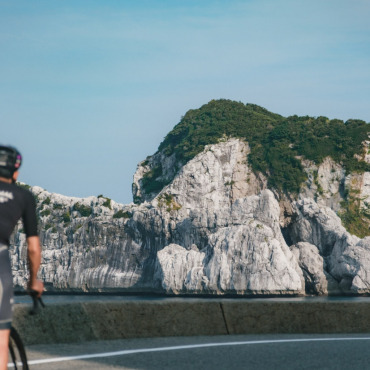
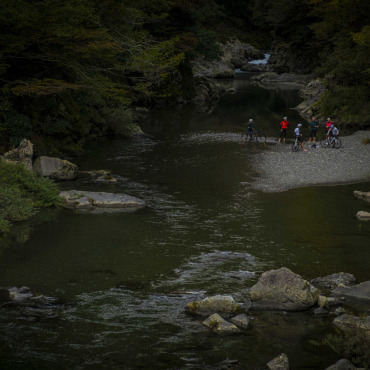
Located in Ibaraki prefecture, starting from Tsuchiura at the western side of Japan’s second biggest lake Kasumigaura, lies a cycling course that will take you along 125km of beautiful scenery and well maintained path.

Bring your own bicycle (1hr 16min from Tokyo station on the Ueno-Tokyo / Joban line) or rent from the conveniently located Le Cyc which offers a wide range of bicycles and gear.

The station itself is quite bike friendly with ‘Ring Ring Square” which includes showers; lockers; changing rooms; and parking.

For this ride we’ll take the shorter version: 90km (by crossing the bridge and cutting across the lake, instead of fowling around at the top).

There are plenty of places to take a rest or pump up your tires (including 300 support stations which provide either: pumps; racks; or even tools).

The shared riding paths are for cyclists and cars, be sure to expect some cars along the way.

Riding alone the shoreline of the lake you will also see fields of renkon (lotus root) and rice, some fishermen, and of course places to stop and grab something to eat. Today, we will be stopping at Kasumi Kitchen.

Kasumi Kitchen is located at about 19km from the starting point near Tsuchiura station. They provide healthy meals made with ingredients provided by local merchants. The sweet potato is highly recommended (and the sweet potato brûlée which is served in the colder months). They also offer a wealth of local goods, from craft beers to sweets.

Another great stop is at Miho Weekend Cafe, which serves great dishes and coffee for those looking to take a break. The warehouse turned cafe has a large seating area and bike racks out front.

If you’re looking to stay overnight, the BEB5 Tsuchiura from Hoshino Resorts hotel provides a comfortable place to stay with your bicycle (in your hotel room); tools for maintenance; and everything bicycle themed. It’s a place you wish was nearby other cycling locations in the country too.

Text_Caroline McCurdy

Caroline M.

From Melbourne, Australia. Caroline moved to Japan in 2013, working as a designer and model. She enjoys cycling in her free time : exploring the streets of Tokyo;  and across the country to see the best cycling locations in Japan.

TRIP&TRAVEL
Through the Heart of Hokkaido:
Furano & BieiCycling with the Tokachi Mountain Range and Local Gourmet Delights

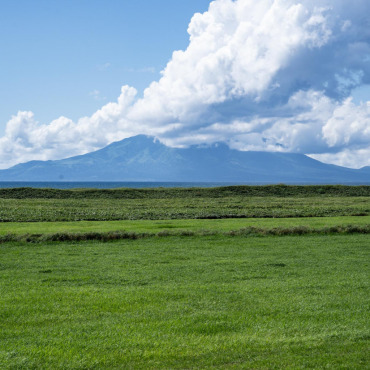
As spring approaches in Hokkaido, why not set out on a ride from Asahikawa through the rolling hills of Biei to Furano? With the majestic Tokachi Mountain Range as your backdrop, this cycling route takes you past expansive fields and flower farms, with stops at popular sights along the way. It’s a luxurious experience where ever-changing landscapes and local food culture can be enjoyed all at once. Visit iconic spots such as the Seven Stars Tree and Shikisai no Oka, sample regional sweets en route, and make your way toward the final destination of Furano. This is a ride that fully immerses you in both the scenery and flavors of Hokkaido—an ideal way to experience the region by bike. Table of […]

#Hokkaido
TRIP&TRAVEL
Pedaling Through Hokusai’s Eyes:
A Journey Across the Thirty-six Views of Mount Fuji #3

The cycling journey tracing Hokusai’s Thirty-six Views of Mount Fuji reaches its grand finale. In this final chapter, we’ll visit cycling spots where you can admire South Wind, Clear Sky and Rainstorm Beneath the Summit—two of the most iconic works alongside The Great Wave off Kanagawa.We’ll also explore Lake Suwa in Shinano Province and conclude the series with Groups of Mountain Climbers, the only work in the collection painted from within the mountain itself.Join us as we discover the modern landscapes that echo Hokusai’s Thirty-six Views of Mount Fuji in this concluding chapter. Top artwork: Katsushika Hokusai, “South Wind, Clear Sky”All Hokusai images courtesy of the Tokyo Fuji Art Muse […]

#Shizuoka
FEATURE TRIP&TRAVEL
Tokyo Old Town Bike Strolls #05
Kanda – A Taste of Spring in Tokyo’s Book Town

This time, I set out to explore the Kanda area by bicycle—an essential neighborhood when talking about Tokyo’s old town and also my hometown. Today, Kanda is no longer an official administrative district but rather a name used for the northeastern part of Chiyoda City, where the Tokyo Imperial Palace is located. A distinctive feature of the area is that most neighborhood names begin with “Kanda,” though in everyday conversation people usually drop the prefix. Feeling the breeze that signals the arrival of spring, I wander around Jimbocho, known as the world’s greatest book town, stop by a long-established wagashi shop in Ogawamachi for a chat, and visit museums and shrines along the way. Tex […]

#Wagashi