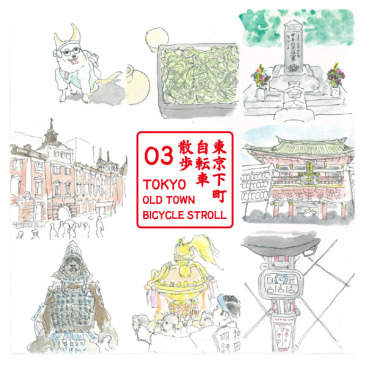
Tokyo old town bicycle stroll #03
Kanda Matsuri – Nihonbashi, Tokyo, Kanda, Akihabara –
Kanda Matsuri – Nihonbashi, Tokyo, Kanda, Akihabara –


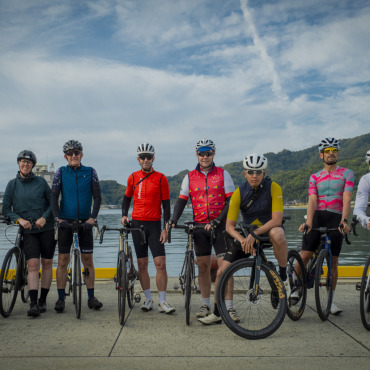
Located in Ibaraki prefecture, starting from Tsuchiura at the western side of Japan’s second biggest lake Kasumigaura, lies a cycling course that will take you along 125km of beautiful scenery and well maintained path.

Bring your own bicycle (1hr 16min from Tokyo station on the Ueno-Tokyo / Joban line) or rent from the conveniently located Le Cyc which offers a wide range of bicycles and gear.
The station itself is quite bike friendly with ‘Ring Ring Square” which includes showers; lockers; changing rooms; and parking.

For this ride we’ll take the shorter version: 90km (by crossing the bridge and cutting across the lake, instead of fowling around at the top).

There are plenty of places to take a rest or pump up your tires (including 300 support stations which provide either: pumps; racks; or even tools).

The shared riding paths are for cyclists and cars, be sure to expect some cars along the way.

Riding alone the shoreline of the lake you will also see fields of renkon (lotus root) and rice, some fishermen, and of course places to stop and grab something to eat. Today, we will be stopping at Kasumi Kitchen.


Kasumi Kitchen is located at about 19km from the starting point near Tsuchiura station. They provide healthy meals made with ingredients provided by local merchants. The sweet potato is highly recommended (and the sweet potato brûlée which is served in the colder months). They also offer a wealth of local goods, from craft beers to sweets.


Another great stop is at Miho Weekend Cafe, which serves great dishes and coffee for those looking to take a break. The warehouse turned cafe has a large seating area and bike racks out front.


If you’re looking to stay overnight, the BEB5 Tsuchiura from Hoshino Resorts hotel provides a comfortable place to stay with your bicycle (in your hotel room); tools for maintenance; and everything bicycle themed. It’s a place you wish was nearby other cycling locations in the country too.
Text_Caroline McCurdy

From Melbourne, Australia. Caroline moved to Japan in 2013, working as a designer and model. She enjoys cycling in her free time : exploring the streets of Tokyo; and across the country to see the best cycling locations in Japan.
Post Date:2023.08.04