On August 3, 2025, strong and seasoned cyclists from 50 countries around the world began turning their pedals in London, setting out toward Edinburgh, Scotland.
The outbound route from London to Edinburgh spans approximately 820 km.
London–Edinburgh–London (LEL) is a long-distance cycling event running roughly 1,500 km: riders travel north from London across Great Britain, turn around in Scotland’s capital, Edinburgh, and return to the start. Participants are required to complete the course within five and a half days. Broadly speaking, it falls into the category of brevets, long-distance events that have been gaining popularity in Japan as well. LEL is held once every four years and is organized by Audax UK. Alongside Paris–Brest–Paris (PBP, France) , 1001 Miglia Italia (Italy) , and Madrid–Gijón–Madrid (MGM, Spain) , it is regarded as one of Europe’s four major long-distance cycling events.
In 2025, I had the privilege of participating in the milestone 10th edition of LEL, and I would like to share that experience here.
Text&Photo_Negitoro Ontama
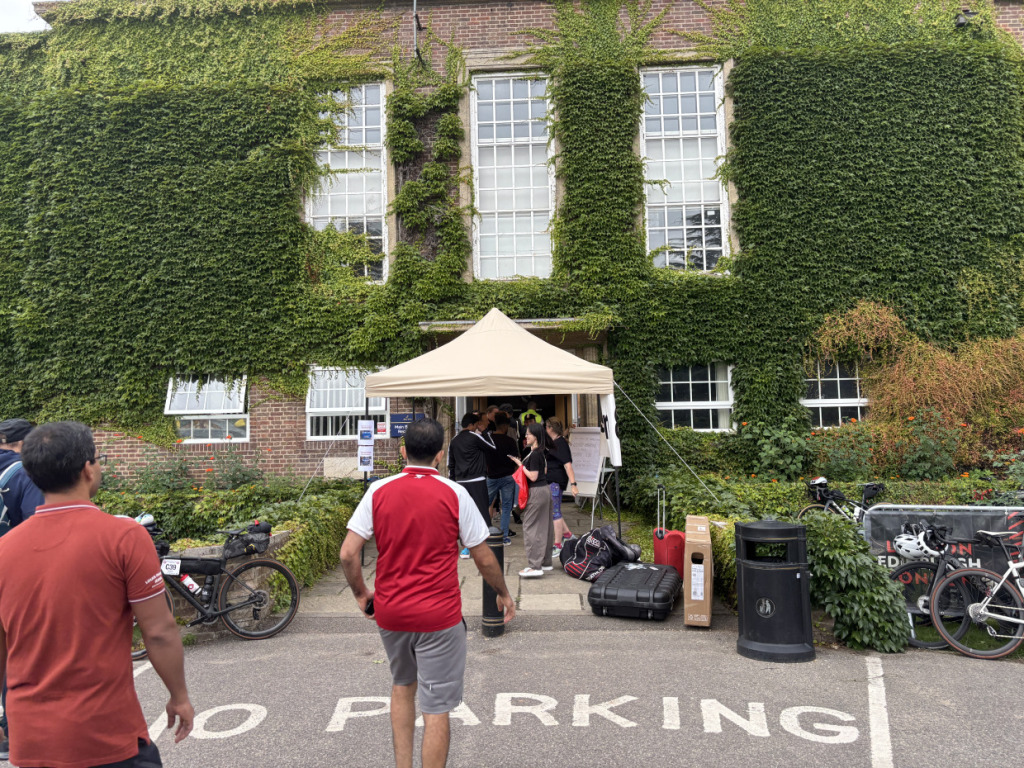
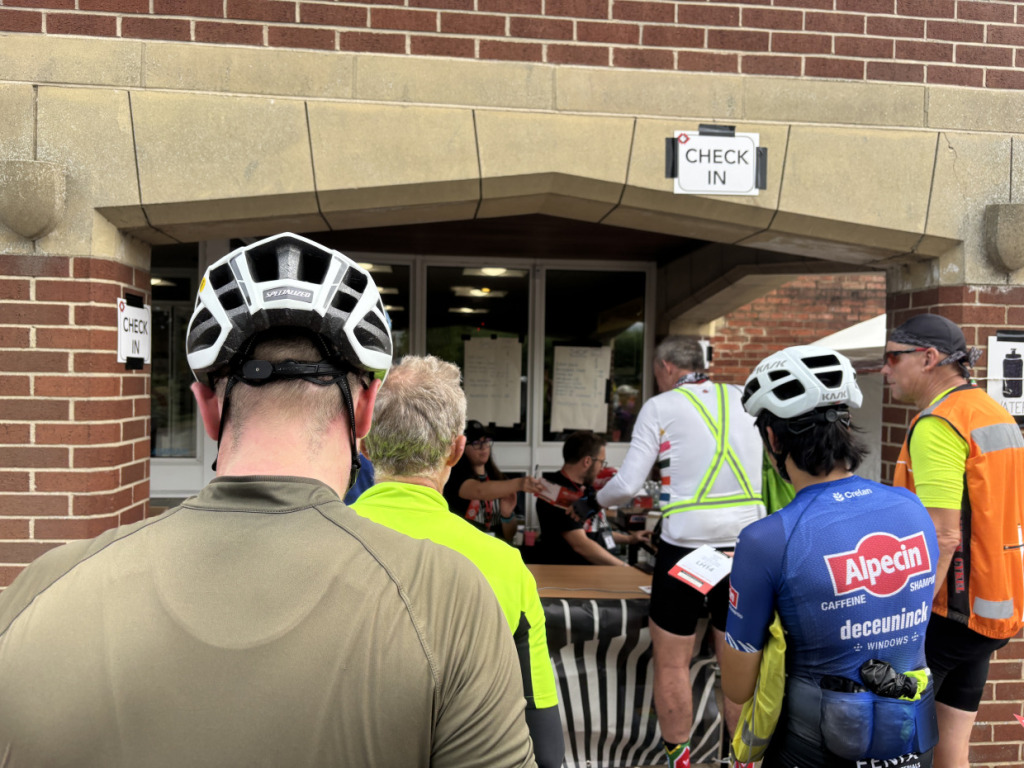
Race check-in was held at ARU Writtle Collegey on the outskirts of London.
August 2, 2025 — The Day Before the Event
From London, I took a train and bus for about an hour and twenty minutes to ARU Writtle College for rider check-in. For this year’s edition, the event starts from two separate locations: Guildford, a town within Greater London, and ARU Writtle College. The finish line, however, is here at Writtle College. I would be starting from London–Guildford. At the reception desk, I gave my registration number and received my bottles, route card, and number plate—everything set! After greeting a few other participants, I headed back to London.
The number plate, bottle, and route card handed out at check-in. I bought the cap without hesitation.
At LEL, riders have their route cards stamped at each checkpoint, which serves as proof of passage. Make sure to keep your route card safe so it doesn’t get lost or damaged.
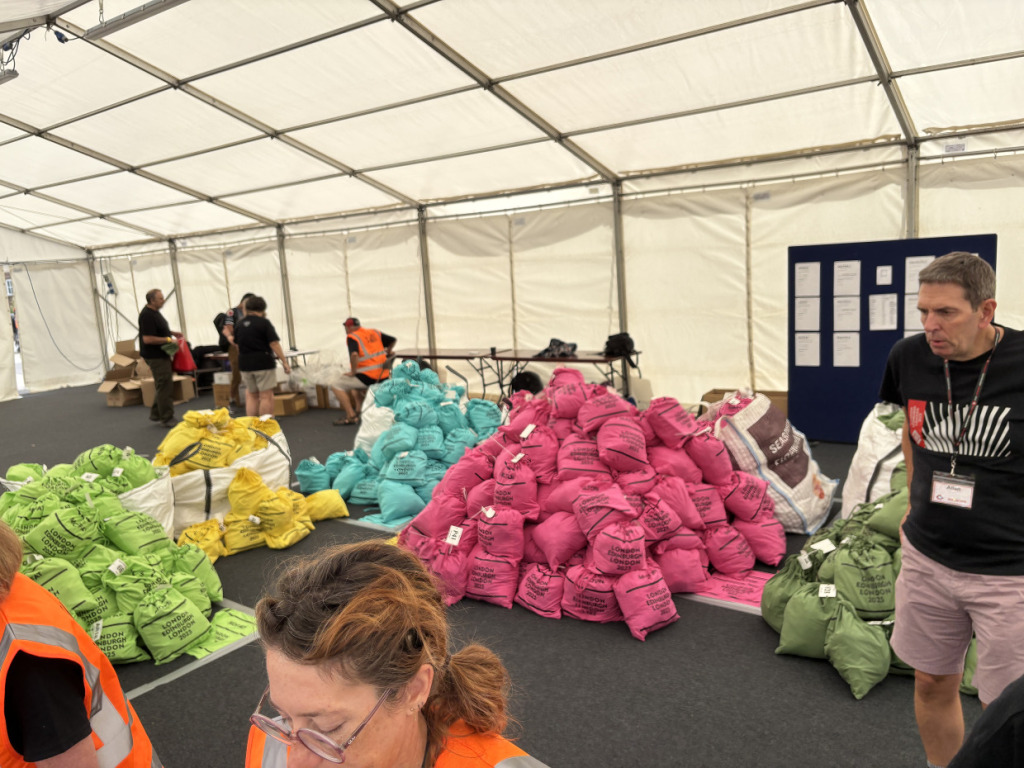
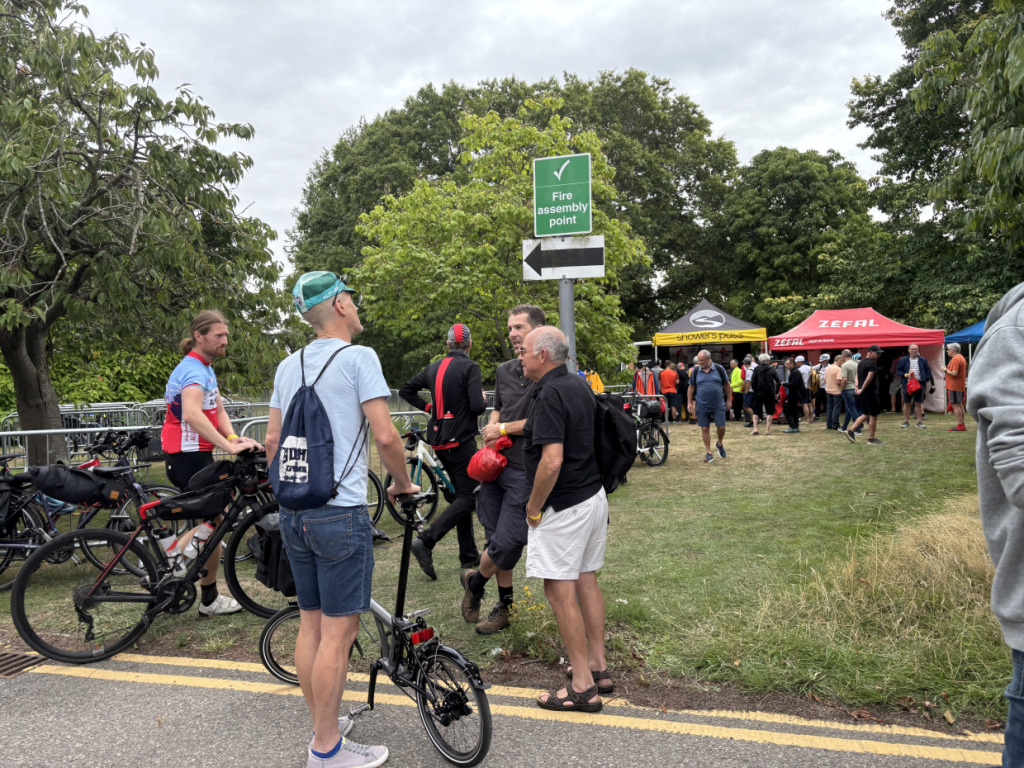
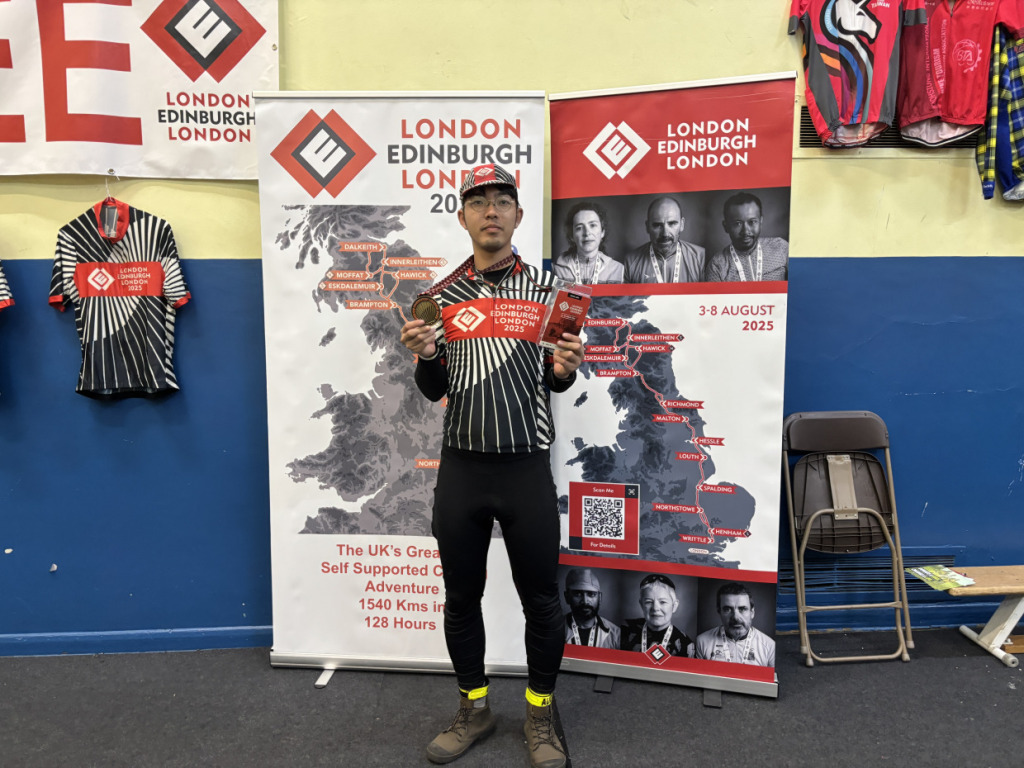
You can also have your bags transported to intermediate checkpoints, with different bags used for each point.The pre-event check-in also featured several vendor booths, giving the area a bit of a festival atmosphere.A commemorative photo before the start.
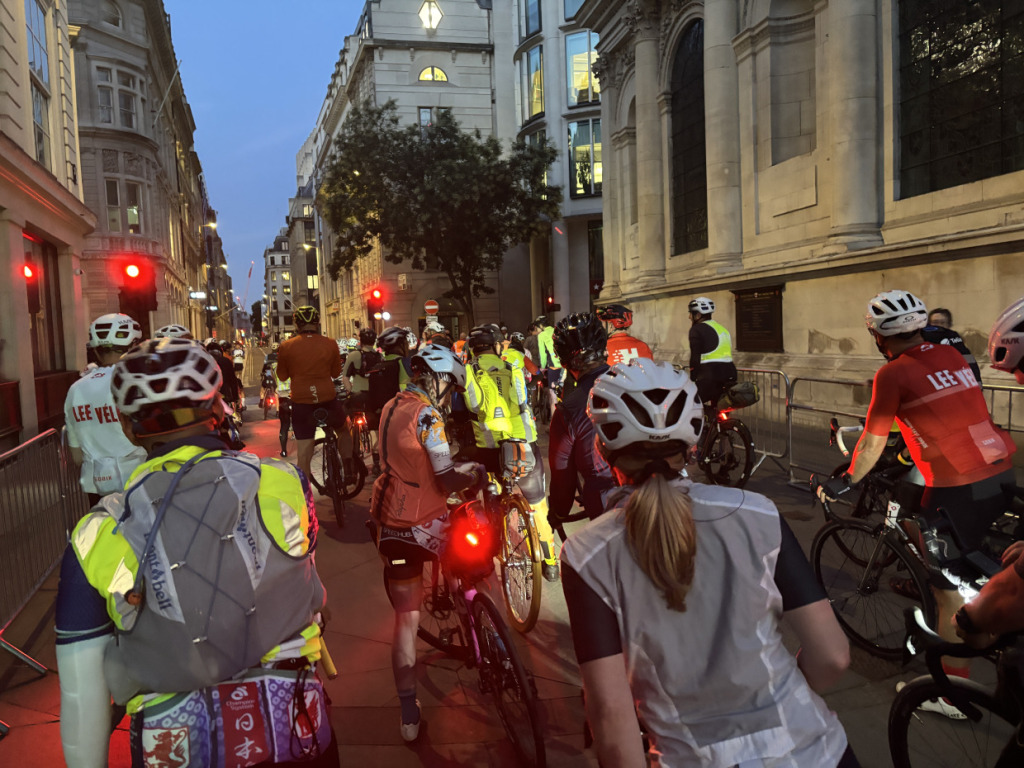
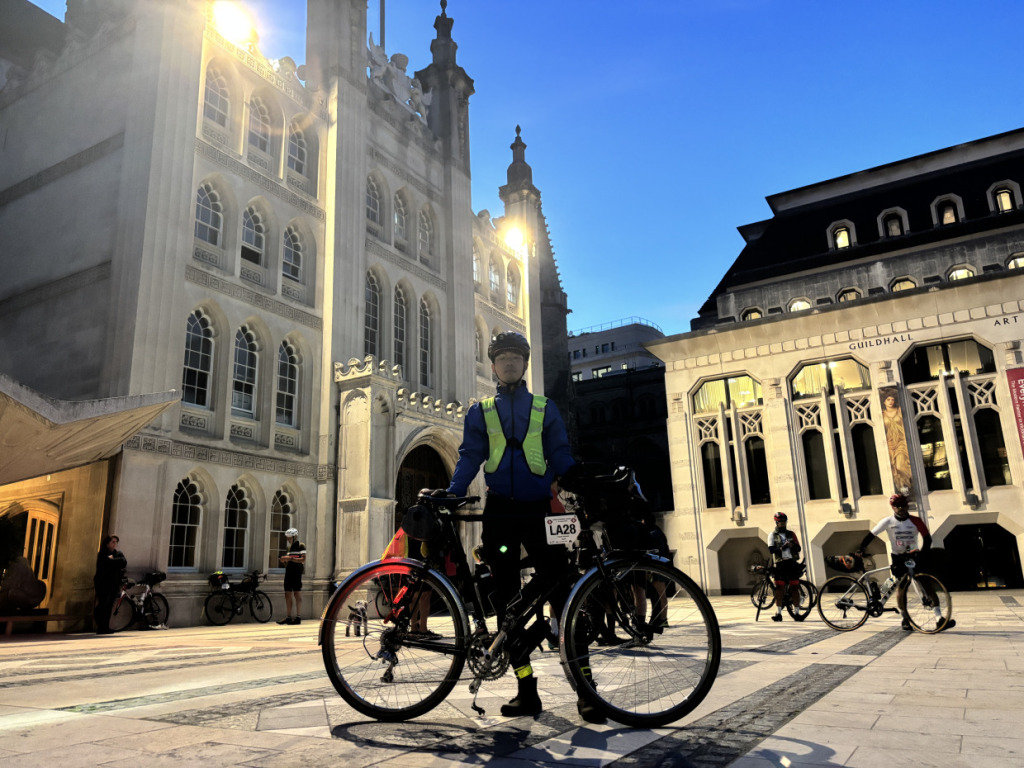
August 3, 2025 At 4:30 a.m. in Guildford, London. Even in August, the temperature was just right for long sleeves. Despite the early hour, cyclists kept arriving one after another. I quickly completed the pre-start procedures and took a commemorative photo. Would I make it back to London safely? A mix of tension and anxiety filled me. “Did I forget anything?” “Are the tires properly inflated?” “Is my battery charged?” “How’s the weather? The wind?” — all these questions ran through my mind just before the start. Amidst my nervousness, I heard the loud voices of the volunteers guiding us, and I headed to the start line. Thus began the long 1,500 km journey.
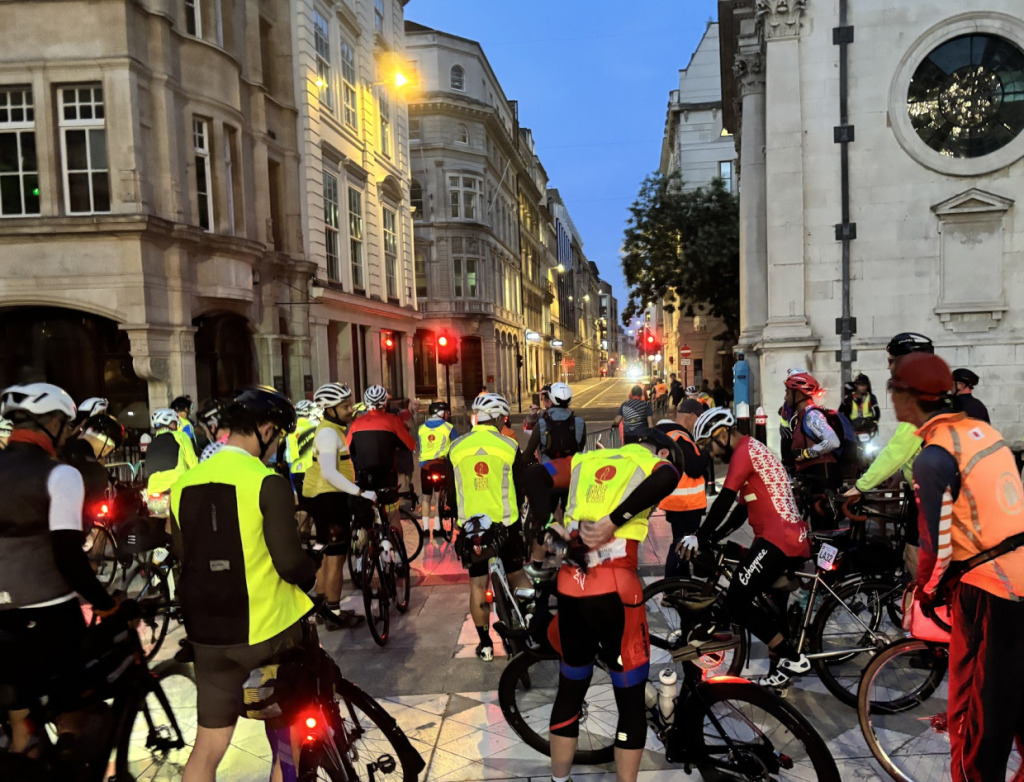
5:00 a.m. With loud cheers and applause, we set off from London! Countless red LEDs blinked as they stretched far into the distance, lighting up the dawn-lit city.
Caught up in the excitement of the start, I felt tempted to follow the faster groups, but I held back, focusing on riding at my own pace. My first goal: reaching the initial checkpoint.
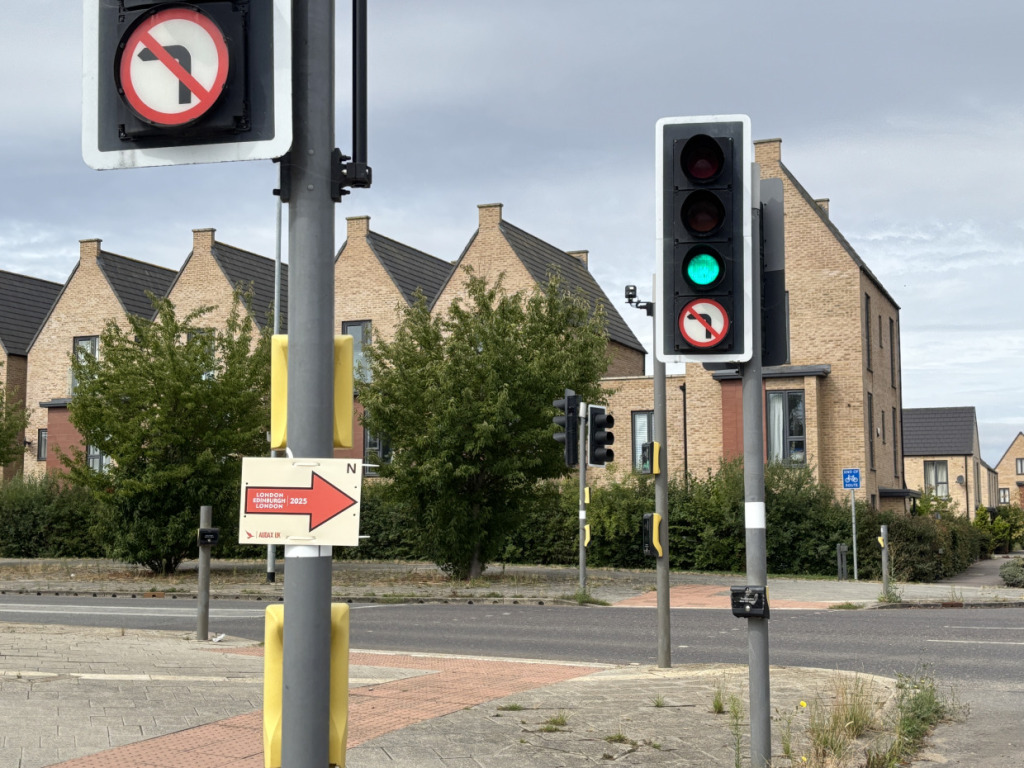
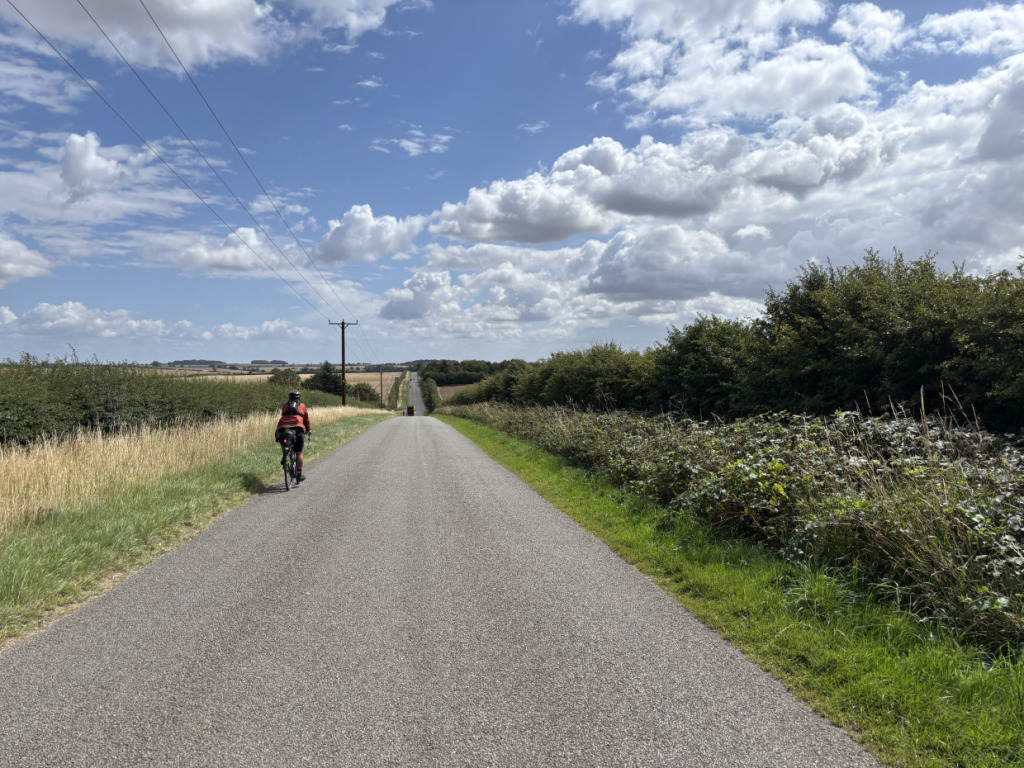
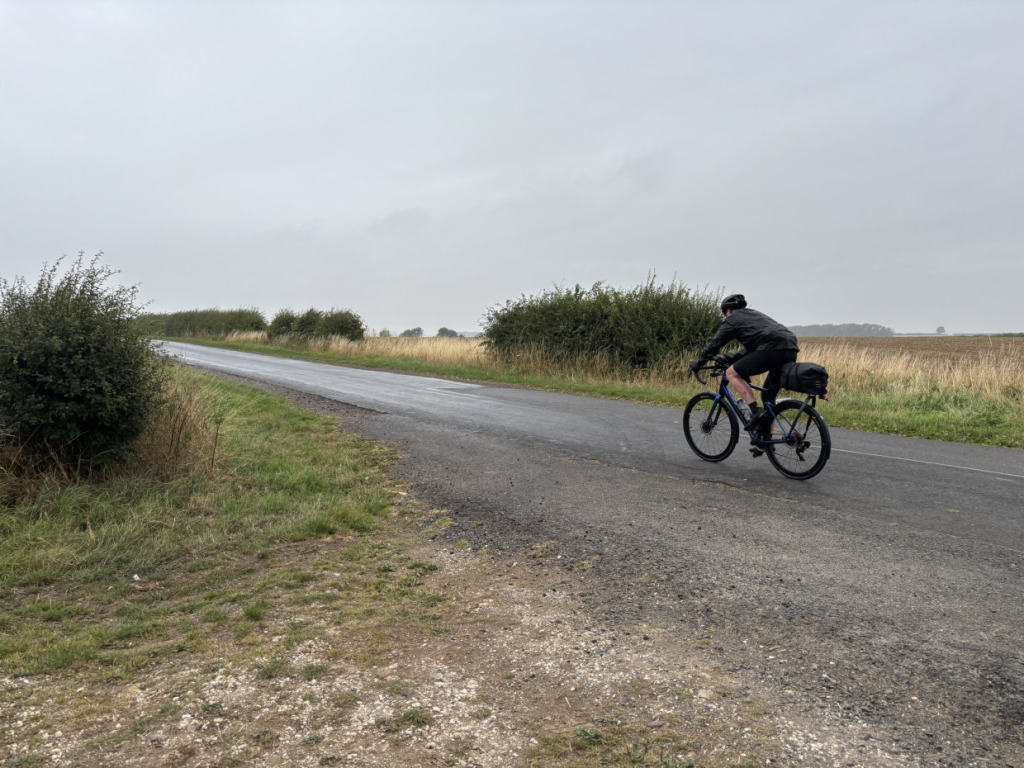
Heading north, following small markers at key points along the route.Leaving the outskirts of London, I climbed over rolling hills with short, frequent ups and downs.
This is what it means to ride through England.
A sudden downpour hit, and I was lucky to change into my rain gear under some bushes.
It is often said that “you can experience all four seasons in a single day in the UK,” as the weather and temperature change constantly. Even if it was sunny just a short while ago, a sudden downpour could hit an hour later, only to clear up ten minutes after that. Despite being tossed about by the rapidly changing weather, I continued heading north—slowly, but steadily.
Arrived at the checkpoint!
First and foremost: pass the checkpoint and get the stamp! No matter how hungry you are or how badly you need the restroom, this is something you must never forget.
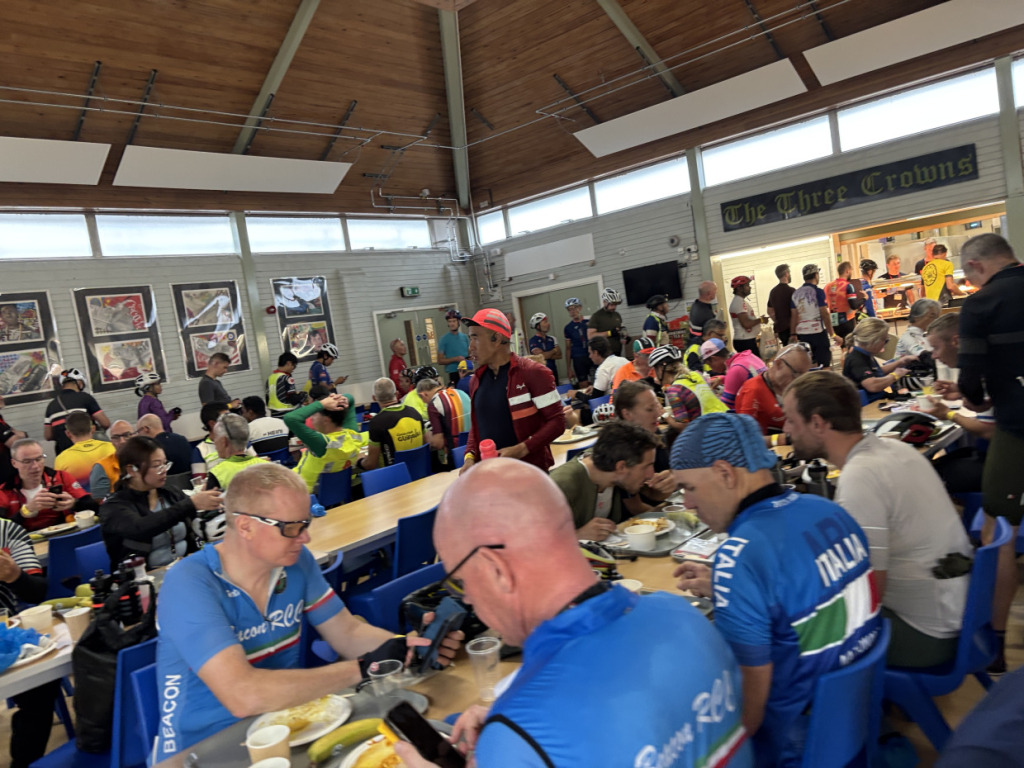
Meals are also provided at the checkpoints. Eat well to restore your energy!
At this year’s LEL, the entry fee also covered meals and the use of nap beds. Thanks to the volunteers who worked tirelessly preparing food, I was able to eat my fill. “Only those who eat are saved!!”
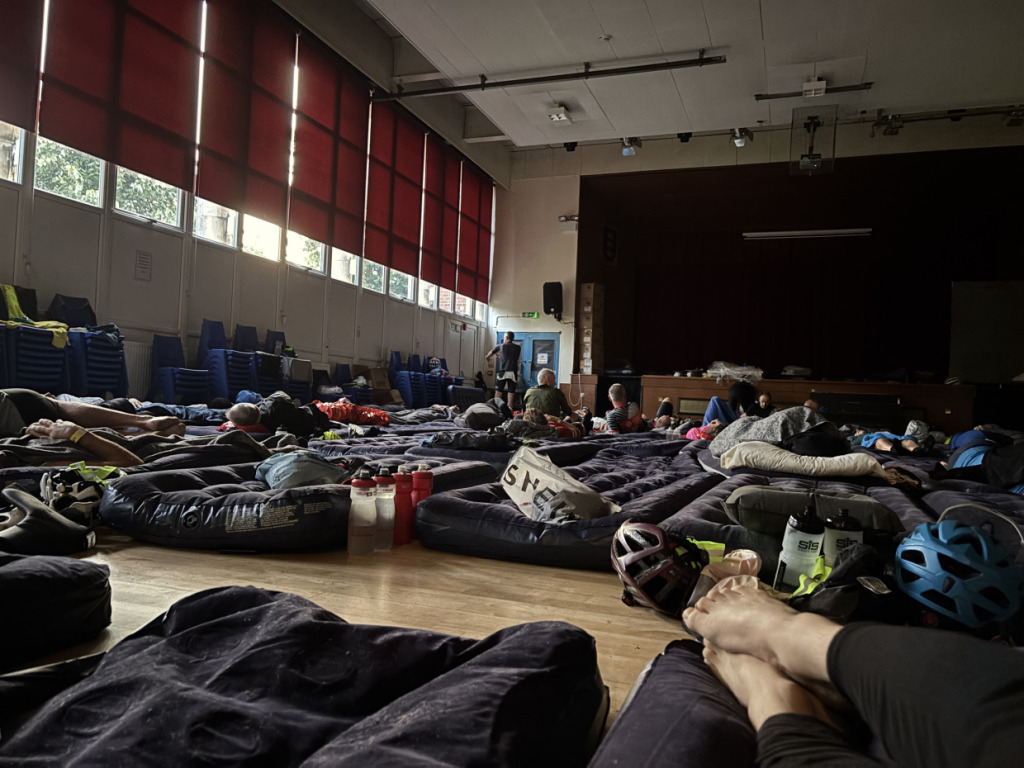
Don’t forget earplugs and an eye mask.
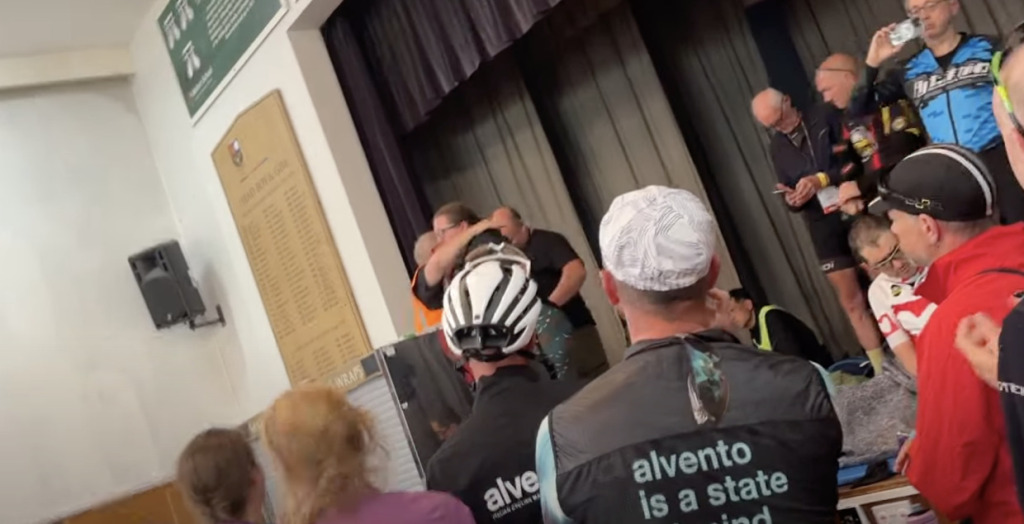
Checkpoints are often based in community centers or schools. The sight of numerous airbeds lined up in a large gymnasium resembles a field hospital. Exhausted riders take showers, rest their bodies, and prepare for the next leg of the ride.
Still sleepy? Rub your eyes, shake yourself awake, and keep moving forward.
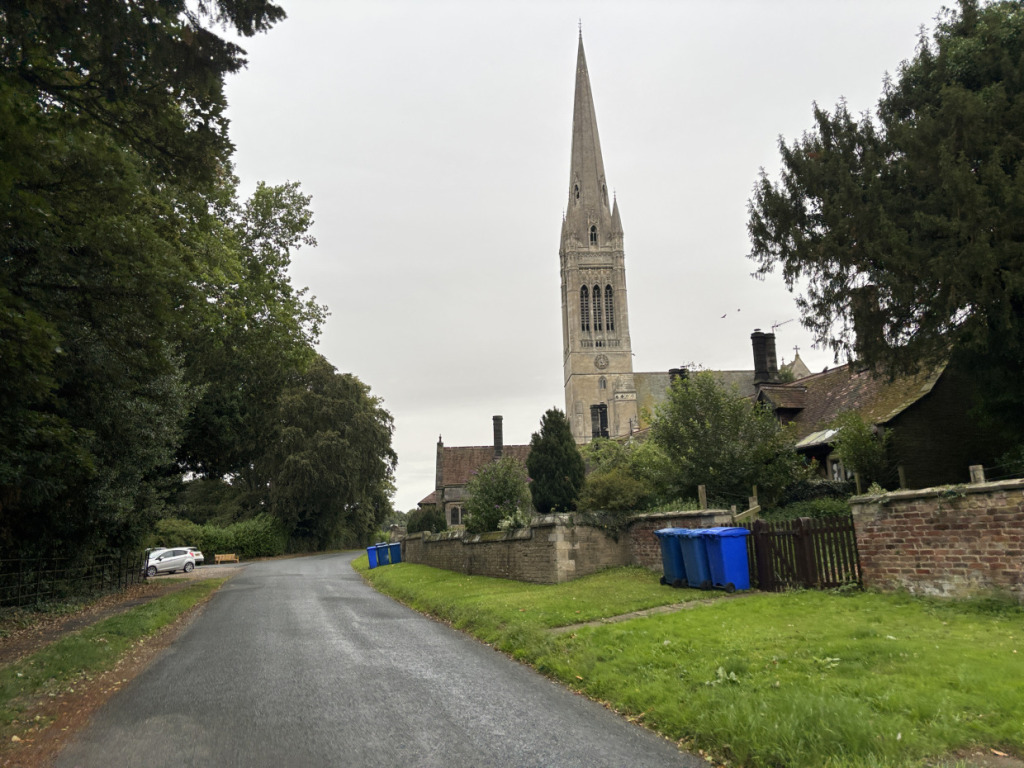
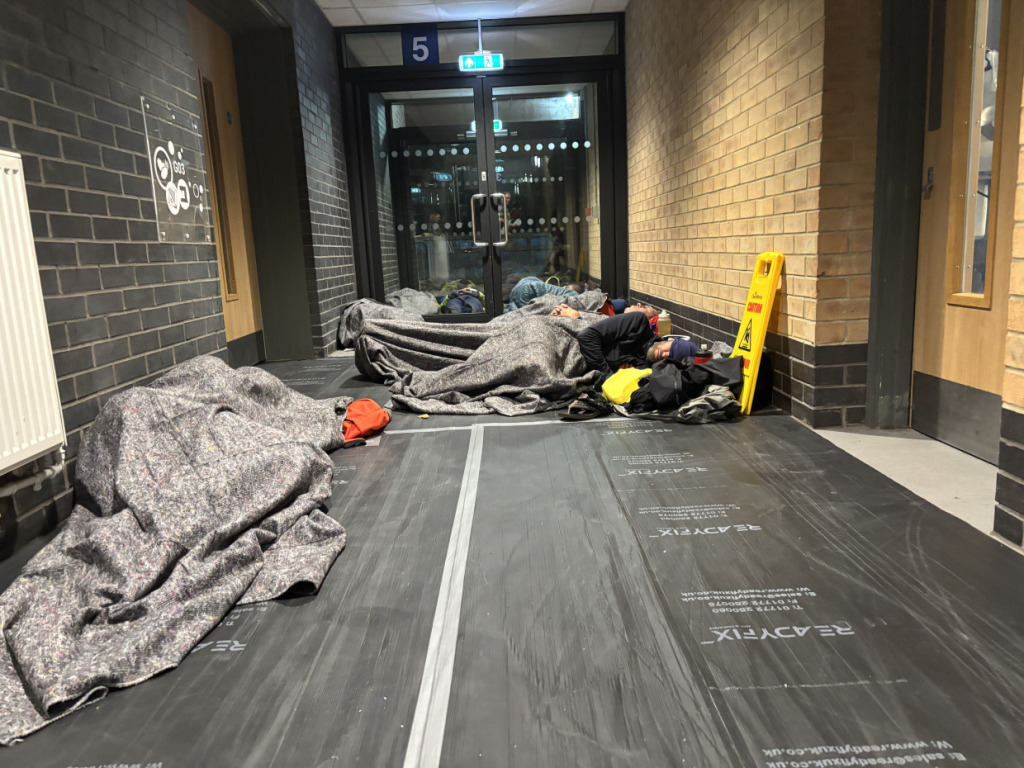
Riders pressing on, undeterred by rain or cold.Riding along country roads, passing by impressive churches.Warriors lying in the hallways. While they slept, volunteers covered them with blankets.
On the first day, I rode about 320 km from London and reached the target checkpoint much earlier than planned. However, the nap area was unfortunately full. With no other option, I found a spot at the checkpoint to catch some sleep.
August 4
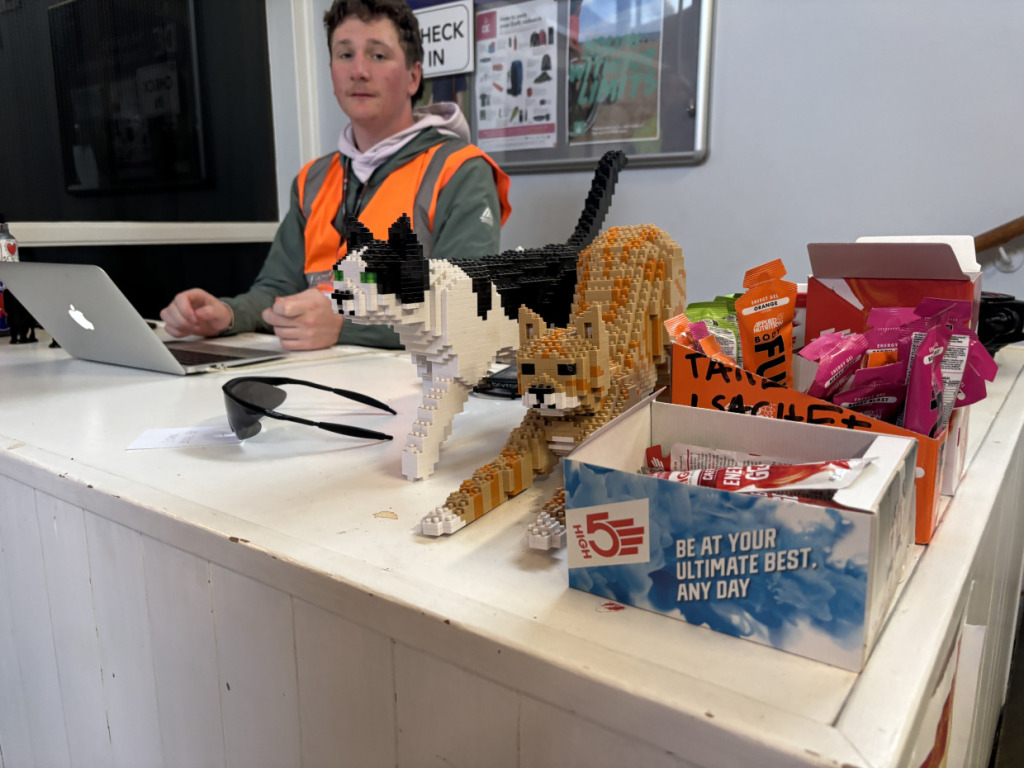
At the Malton checkpoint, a cute resident cat greeted us.
On the second day, feeling under the weather, I rode cautiously in the rain, taking breaks to avoid overexertion, and arrived in Malton, around the 400 km mark, by the morning. However, an incident occurred here.
A seasonal storm unexpectedly struck northern England and southern Scotland. The event was temporarily halted, and participants were instructed to wait at their checkpoints until it was safe to continue.
After several delays, I had arrived at the checkpoint by 9:00 a.m., but before I knew it, I ended up waiting until 7:30 p.m.
7:30 p.m. The final decision regarding the storm was about to be announced.
— Event Canceled — The difficult decision was announced at all checkpoints. However, at the Malton venue, there was a big round of applause. It was for the organizers who had to make this tough call, and for the volunteers who, despite the emergency, had been tirelessly supporting us. I couldn’t help but join in the applause.
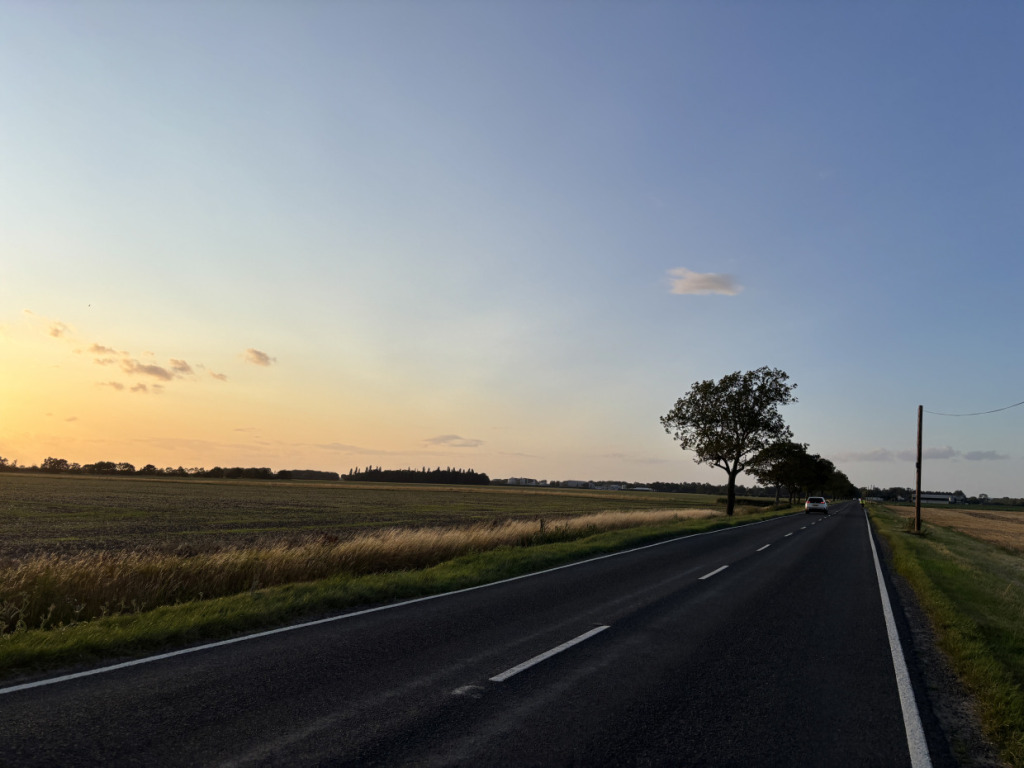
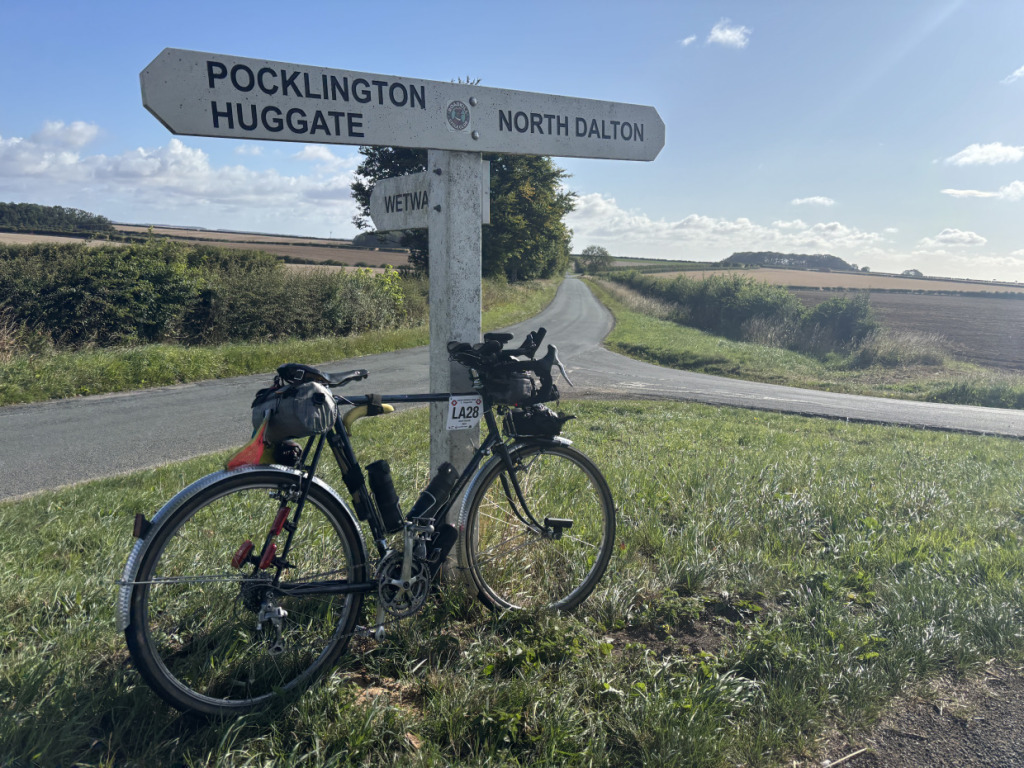
The storm seemed like a distant memory as clear skies greeted us on the way to Dalton.
My first overseas cycling event was unexpectedly canceled, but since the return route was less affected by the storm, it was possible to follow the course back to Writtle for the finish. I shifted my mindset and enjoyed the ride through the UK.
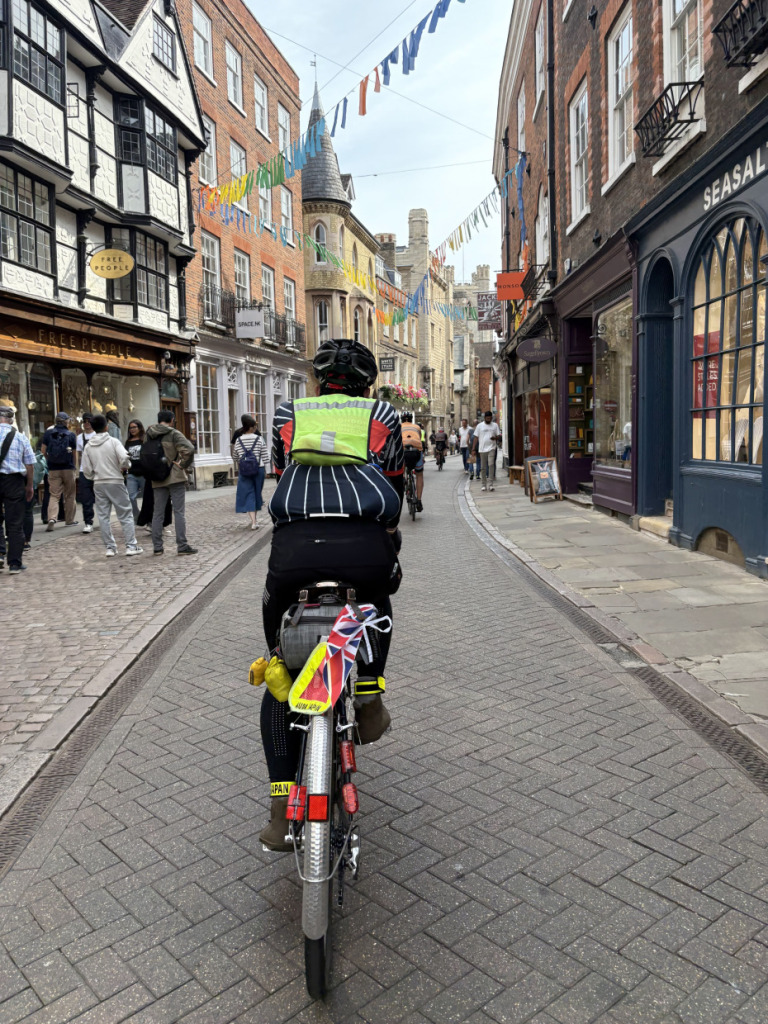
On the return leg in Cambridge, the route takes you through the town itself. Ride carefully, watching out for pedestrians.The finish!!
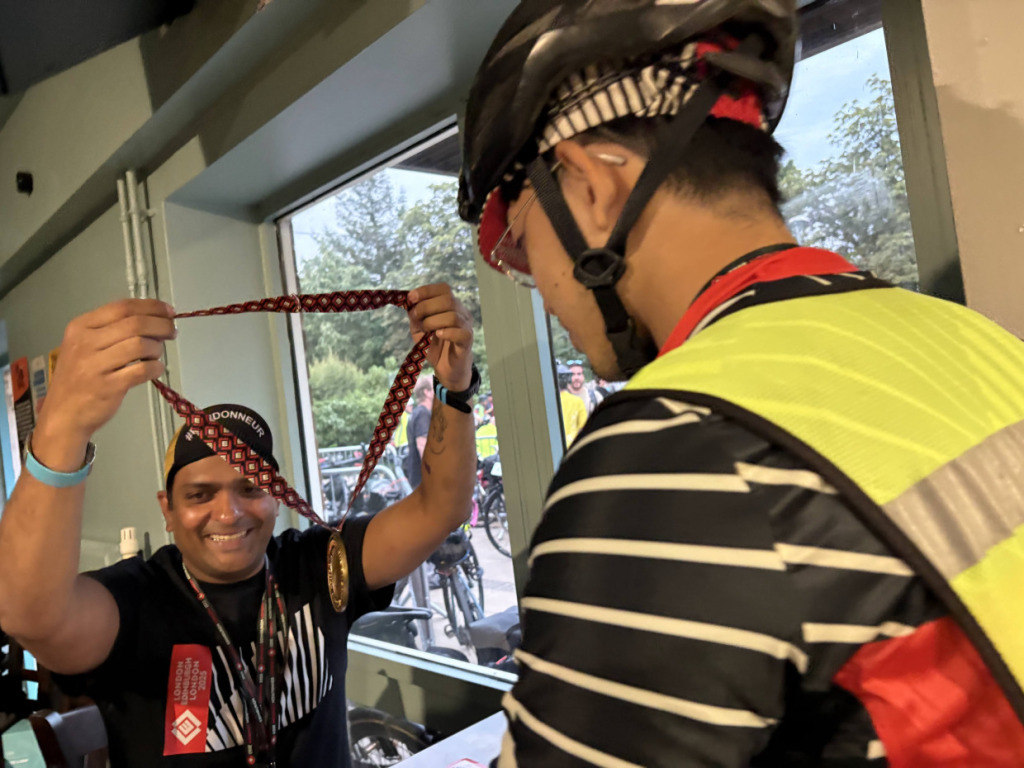
After about two days covering the 800 km return journey, I made it back to Writtle and officially completed the ride—receiving my medal around my neck.
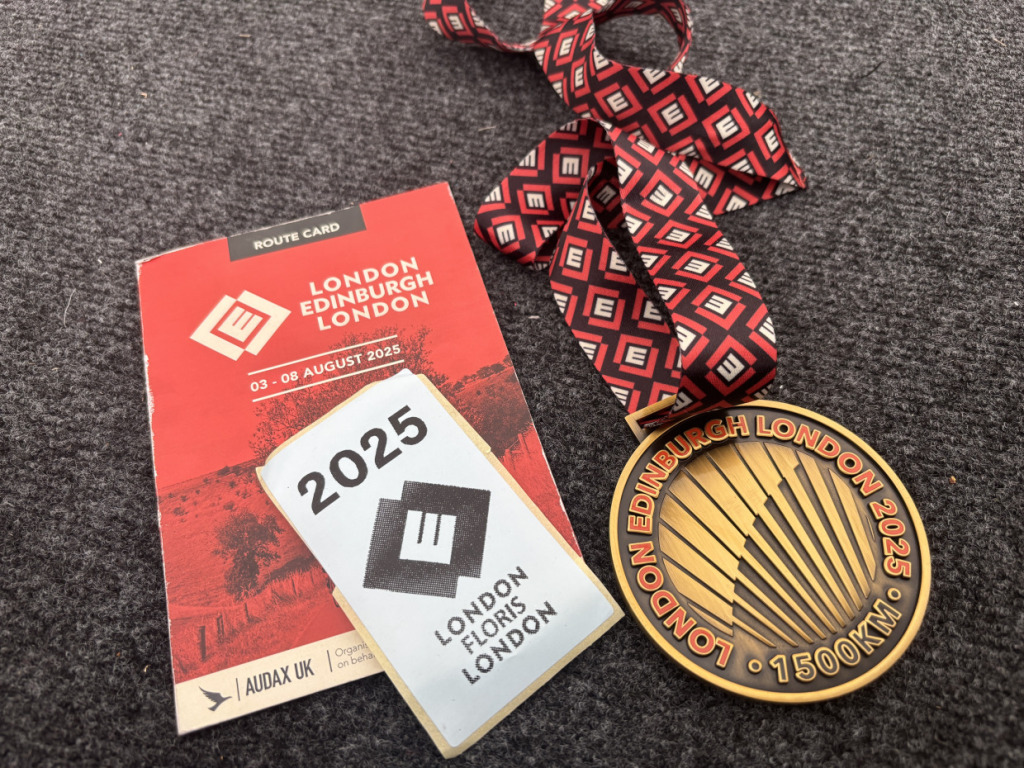
The finishers’ medal and the London–Edinburgh–London sticker. A sticker had already been made, playfully referencing the storm’s name “FLORIS.” A bit of British humor?
This was the first time a storm hit during the event and the first time it had ever been canceled. In a way, it was a very valuable experience.
I heard that along the canceled route, winds were so strong they even overturned trucks. While the money and time invested are lost, sometimes retreating and changing course is necessary. My body is unharmed, so I can try again next time. Truly, life comes first.
Unexpected events often happen at overseas events, but looking back, they become memorable experiences. Accept them and keep moving forward (a reminder to myself).
Next time, I want to make a proper comeback in London in four years! See you then!
Ontama Negitoro Hailing from Sakai City, Osaka Prefecture, Onsen Tamago Negitoro is a company employee, writer, and the administrator of the blog “Bicycle Travel Research Society.” They have been involved in bike camping tours from a young age, having traversed almost all of Japan’s prefectures. During their university years, they were part of a bicycle club and visited over 10 countries solo by bicycle. With extensive experience in bike travel, they undertook an extreme bike camping tour across Hokkaido during the harsh winter of 2023. Recently, they have focused on long-distance rides, earning the SR title in a brevet in 2023 and completing a 1900km brevet during the 2024 Golden Week. They aim to complete PBP and LEL in the future and are also planning to actively pursue overseas bike camping tours.