Cycling the Ororon Line in Hokkaido
A Scenic Road Guide with Views of Mt. Rishiri
A Scenic Road Guide with Views of Mt. Rishiri
The Niseko Classic has become so popular that there was a waiting list of over 100 people. 4 categories of 49 years old and under are eligible for the UCIGFWS for the 140km course (elevation gain: 2,362m) and 5 categories of 50 years old and over for the 70km course (elevation gain: 1,125m); all other categories are open to participants. It is interesting to note that the 70km course attracted the largest number of participants in this category, namely those aged 19-49, an open category not covered by the UCIGFWS. This is probably an indication that many people want to genuinely enjoy road racing regardless of participation rights.
*This article is a reprint of a July 2019 article.
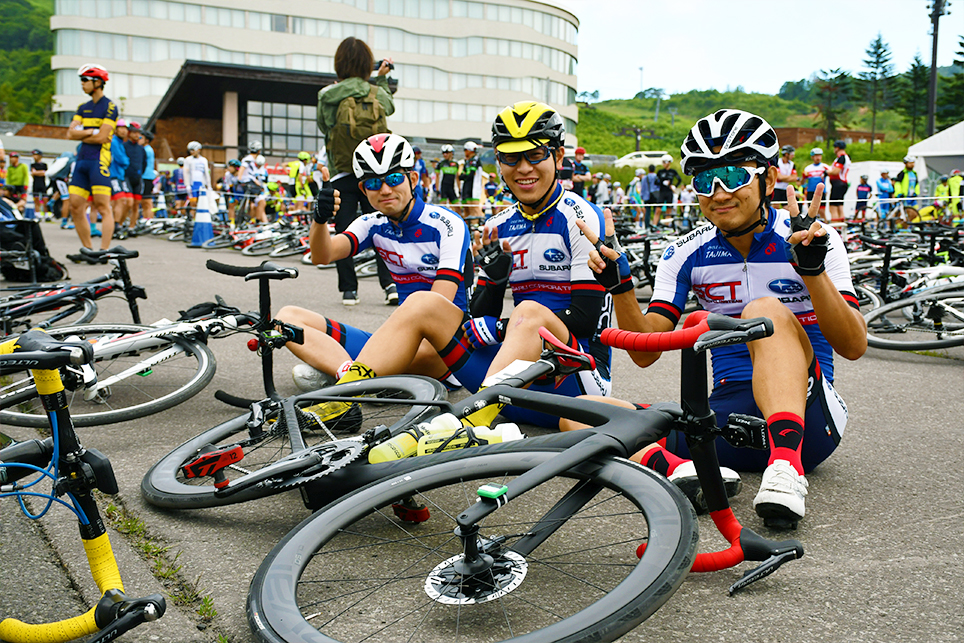
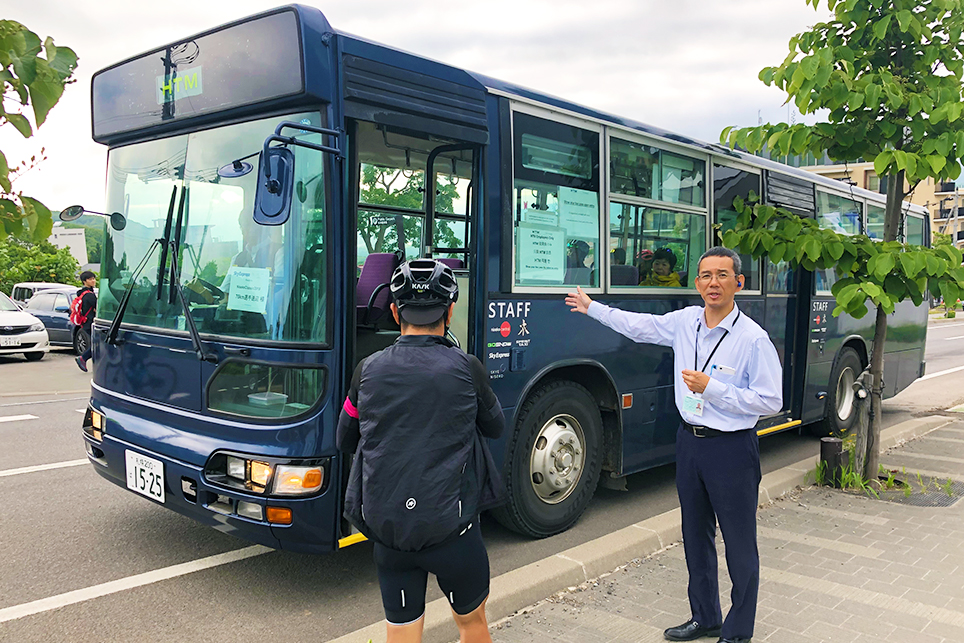
In the 19-49 age category of the 70km course, the most heavily participated category, we staff members had just completed a 100km ride at the Niseko Yotei Fun Ride the day before. The main venue and finish line is Grand Hirafu, approximately 8 km from JR Kutchan Station, and the start point for the 70 km course is 23 km away from there. If you drop off your bike the day before, it will be transported by truck, and participants will take a shuttle bus from the main venue on the morning of the event. Some of them even ride on their own after warming up.
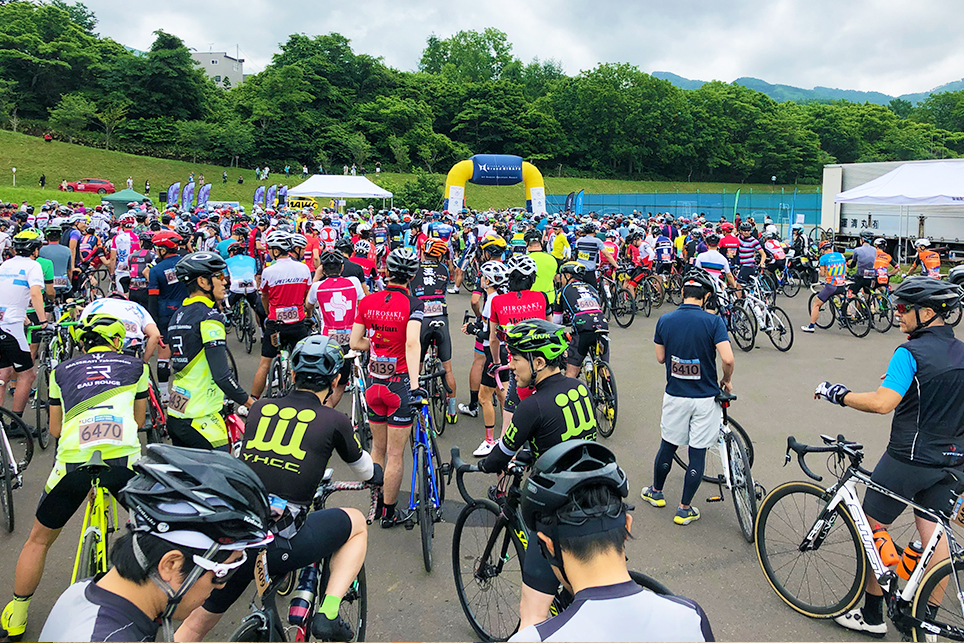
Unlike the fun ride the day before, this was a full-scale road race held on closed public roads, so it felt like a pro race! They were swallowed up by the fast-paced group running and did not notice the Yoshikuni supply station that first appeared. After being broken up by a series of ups and downs, the participants formed small groups with those who seemed to have the same leg strength as the rest of the group and headed for the finish line without hesitation.
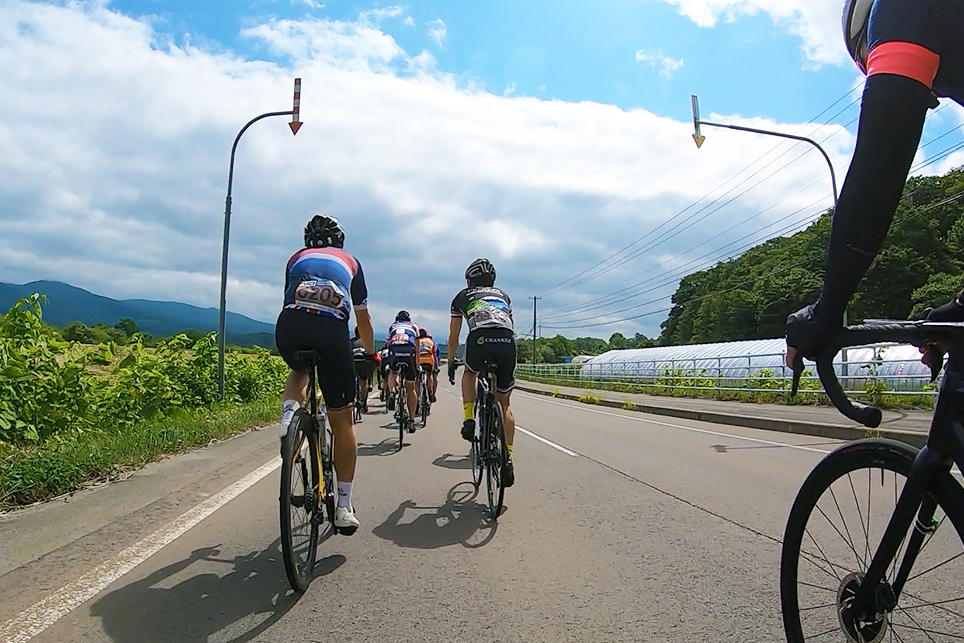
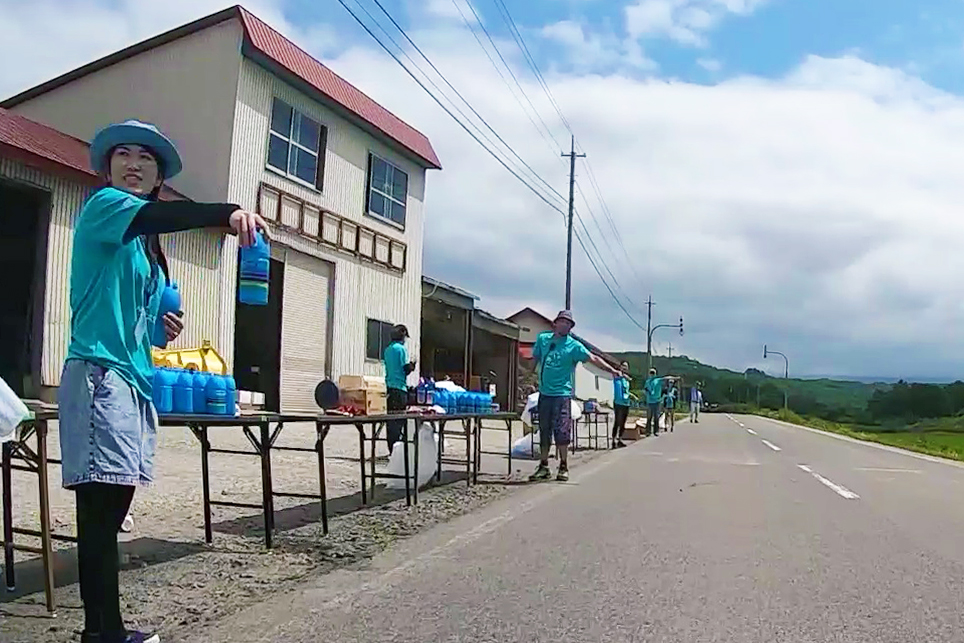
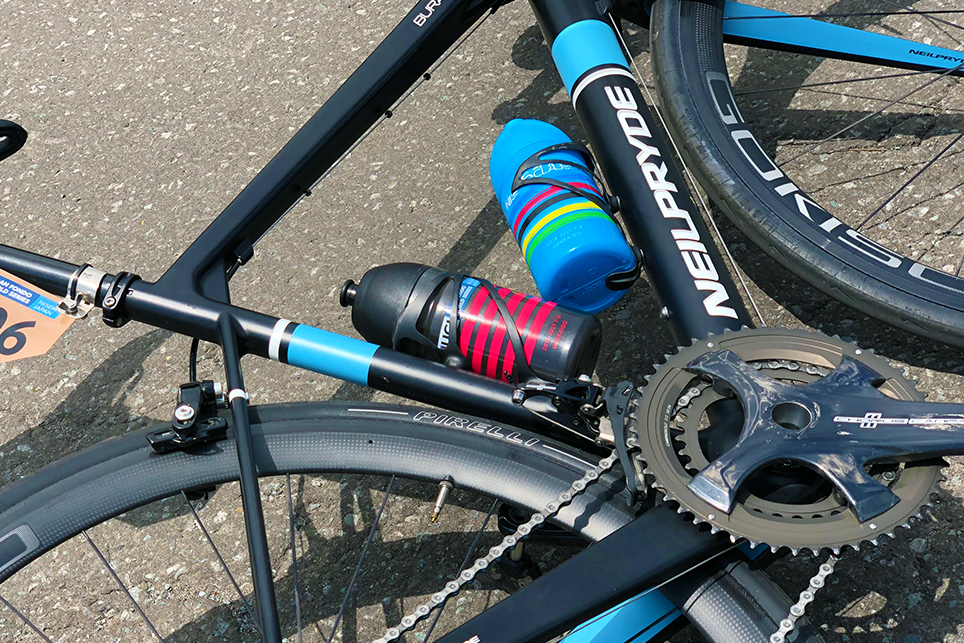
They will then pick up their bottles while running at the Niimi Onsen supply station with 31.9km remaining and at the Kogane Onsen supply station with 17.6km remaining. They were unintentionally excited by the recreation of that scene seen on TV broadcasts of professional races. Incidentally, the bottle they were given was printed with the Niseko Classic logo, which also makes a nice souvenir.
The fastest runner in the 70 km course was Masashi Nishitani (Team O-VEST), who participated in the 50-54 age category, with a time of 1 hour, 58 minutes, and 18 seconds. Average speed was 33.98 km/h. By the way, our staff’s time was 2 hours, 41 minutes and 08 seconds. The average speed is about 25 km/h. There is a cutoff time, but it is 11:15 a.m., about 3 hours after the start at the Hinode barrier with 25.8 km to go, so unless something goes wrong, you should be able to finish the race.
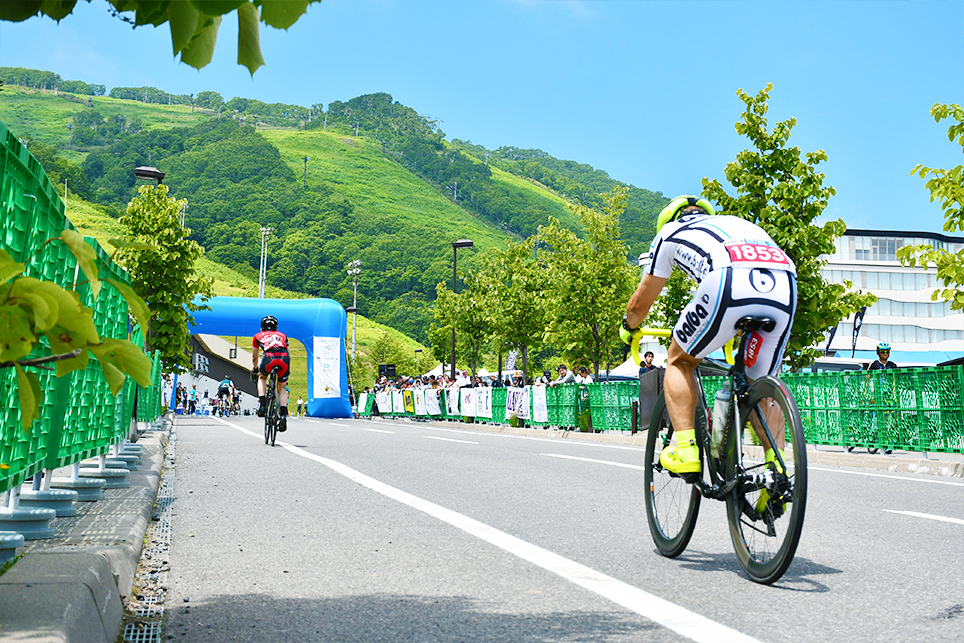
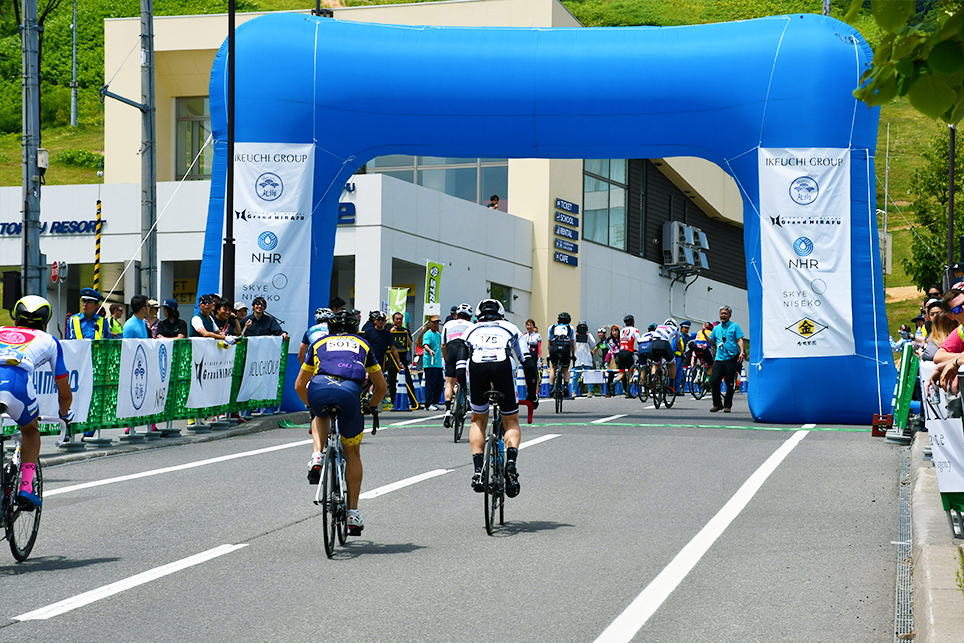
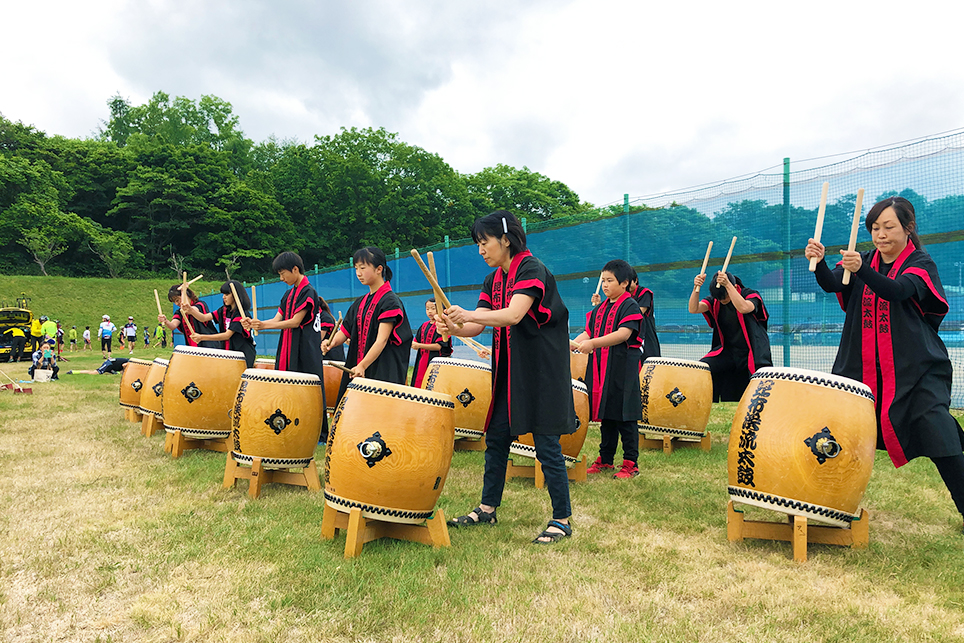
During the event, the Niseko Classic Cycle Festival Weekend was held at the main venue, Grand Hirafu, with bicycle-related booths, various restaurants, and a variety of events to liven up the event.
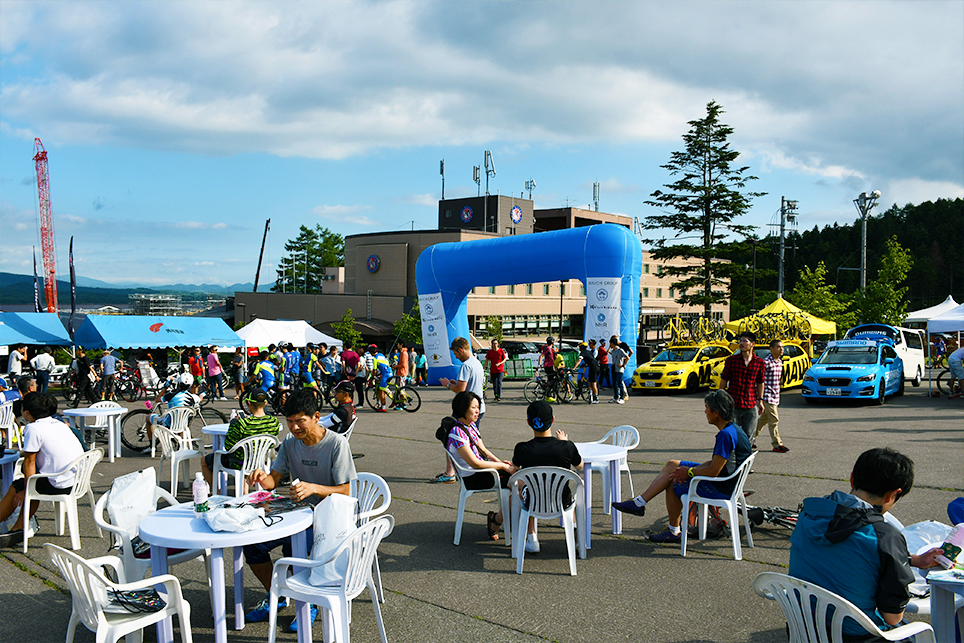
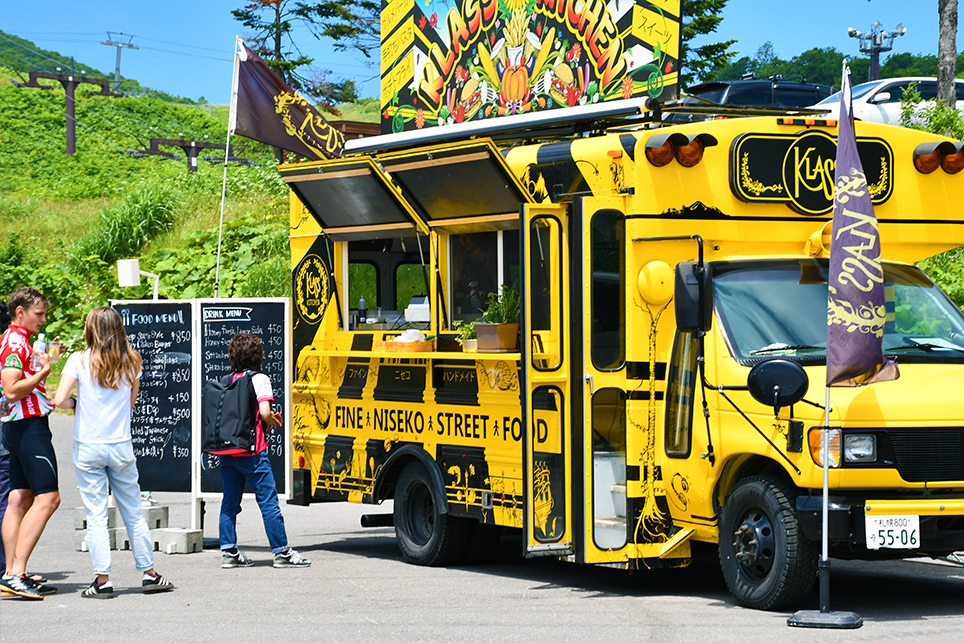
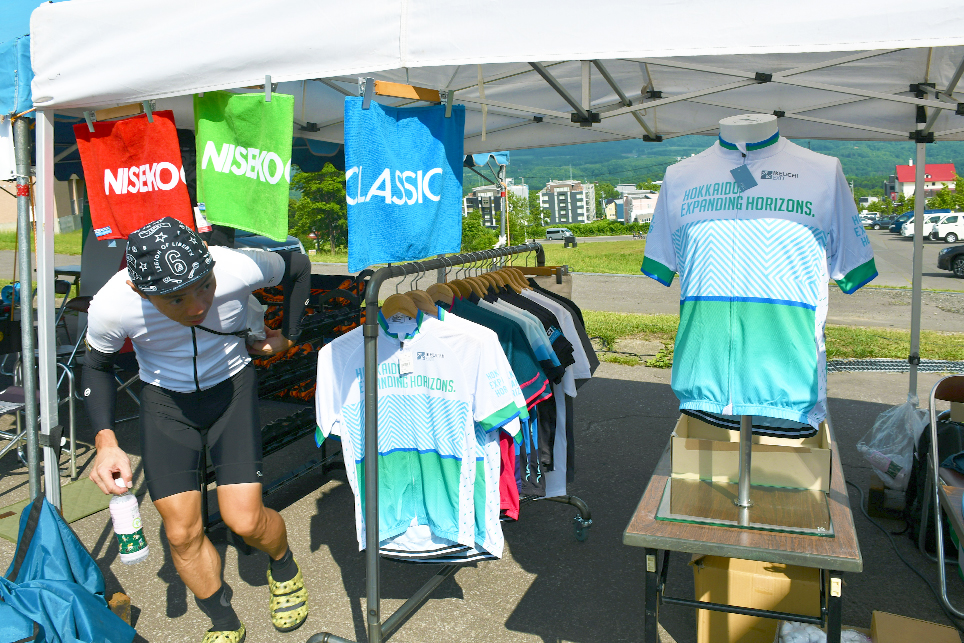
Niseko continues to develop as an international resort destination.
The two cycling events held there showed us that Niseko has enough potential to appeal to overseas visitors with its summer attractions. In particular, Australia, which has strong ties to Niseko, is hosting a similar event, which will attract even more attention from cyclists in that country. And since there are few events in Japan that have such special appeal, there is no doubt that they will become increasingly popular in the future.
Related Sites
Niseko Classic Official site
Niseko Yotei Fun Ride Official site
Post Date:2019.07.31