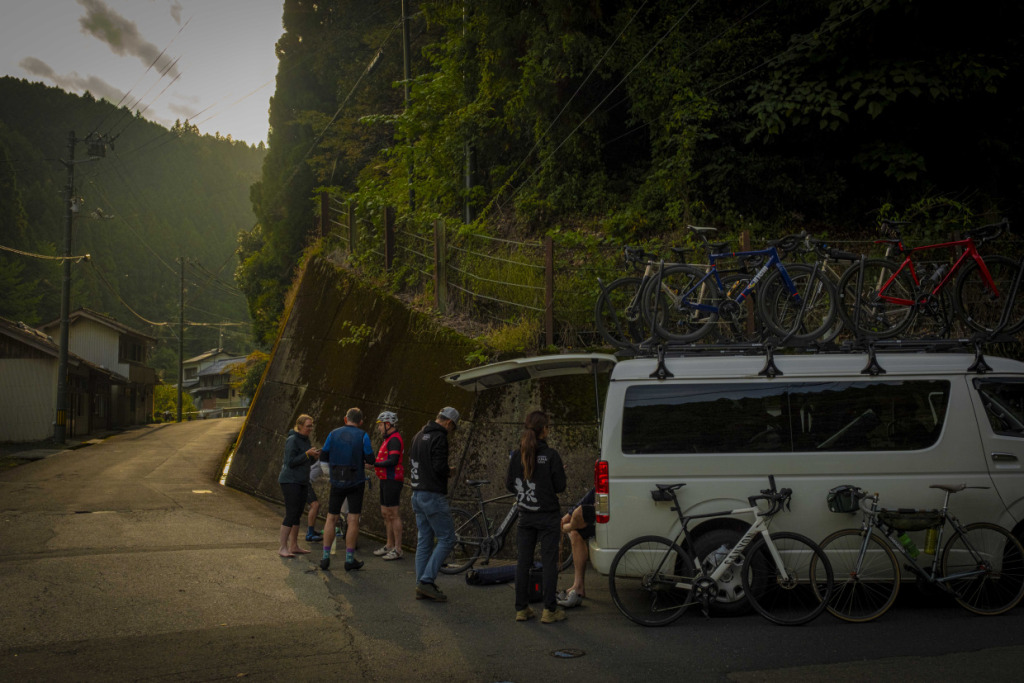
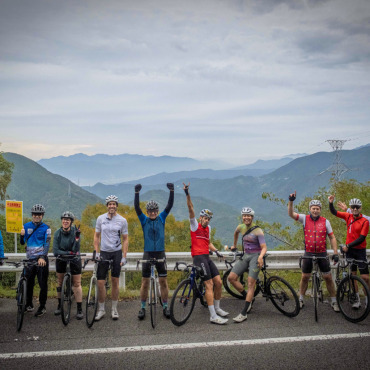
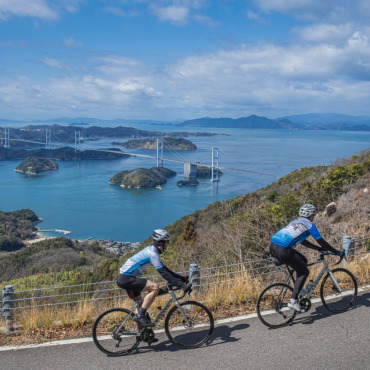
Last autumn, a group of Australian cyclists arrived in Ehime Prefecture—globally renowned as a cycling mecca. The participants, active in their respective fields as media professionals, travel industry staff, and influencers, all share a deep love of cycling and the outdoors in their daily lives. Throughout the journey, they repeatedly exclaimed “Amazing!” at Ehime’s cycling environment. Here is the second installment of this six-night, seven-day monitor tour, brought to you in an accompanying report by photographer—and fellow cyclist—Eigo Shimojo. Having ridden Tour de France routes and the mountainous terrain of Italy, what unique appeal did they discover in this region?
Text & Photos by Eigo Shimojo
You can read Article #01 here. 🚴♂️Ehime Prefecture Presents Cycling FAM Tour 2025 Report for International Media #Day1 ~ Day2
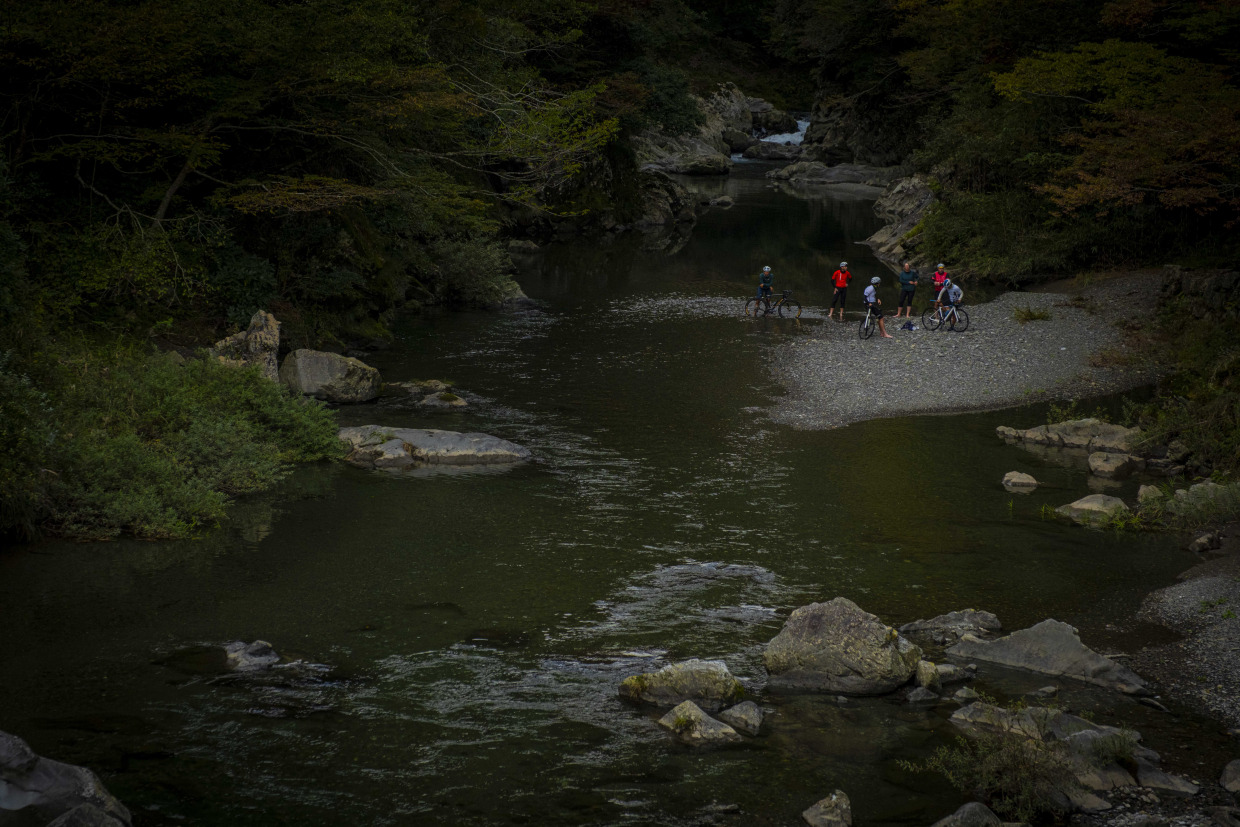
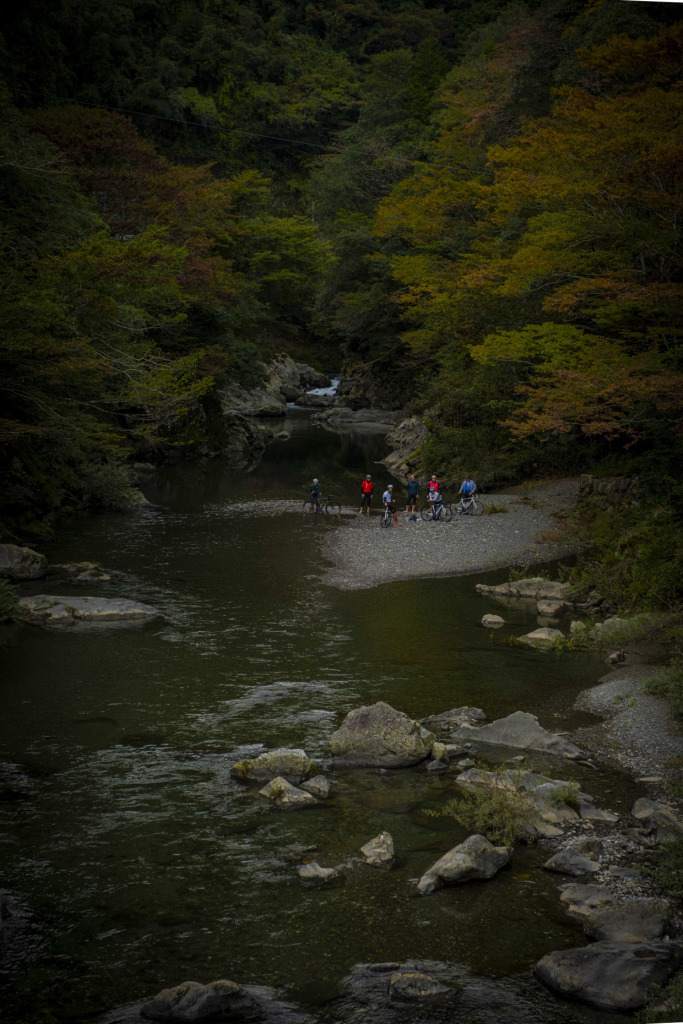
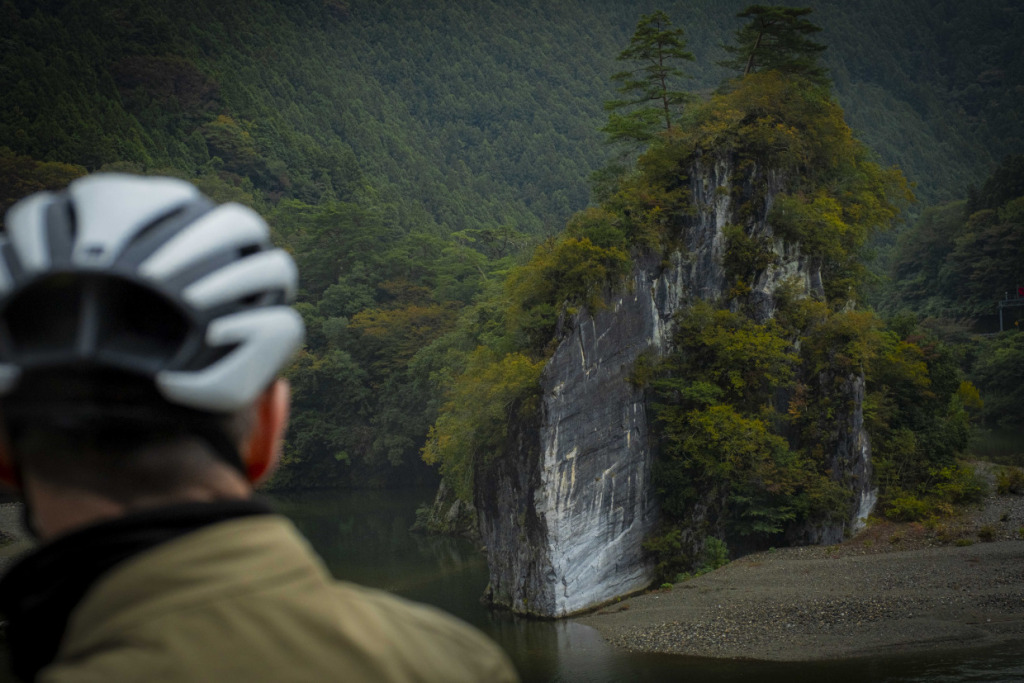
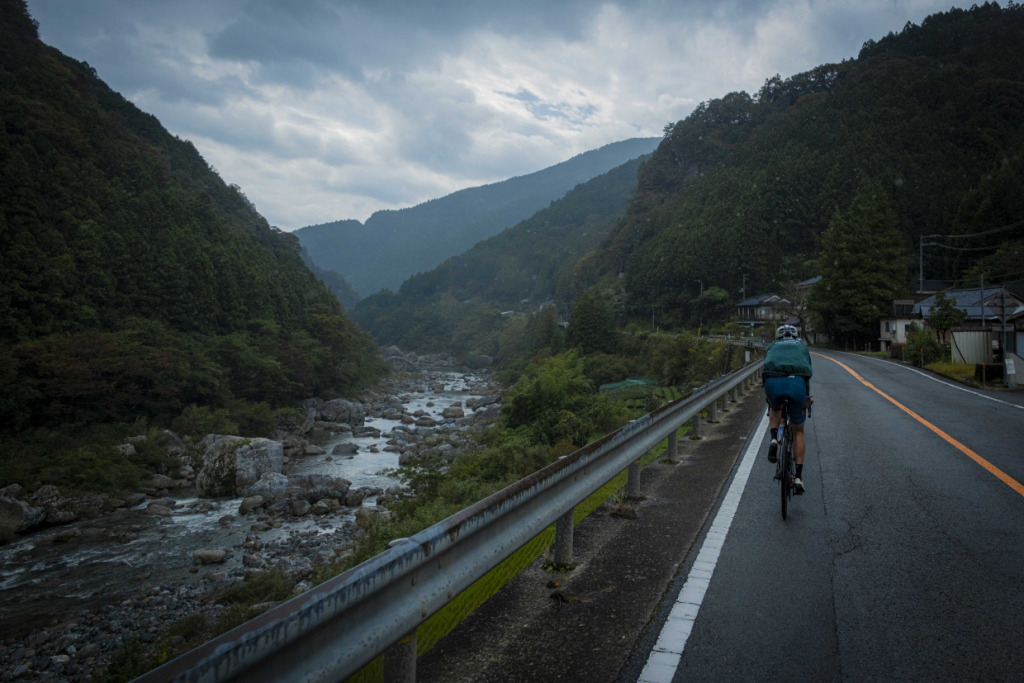
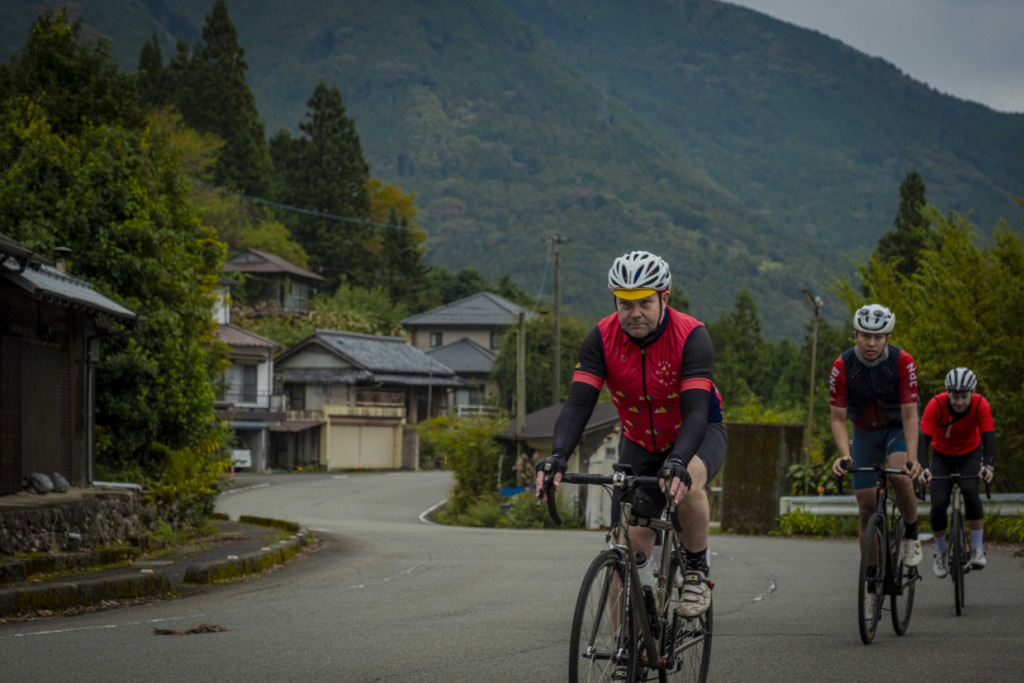
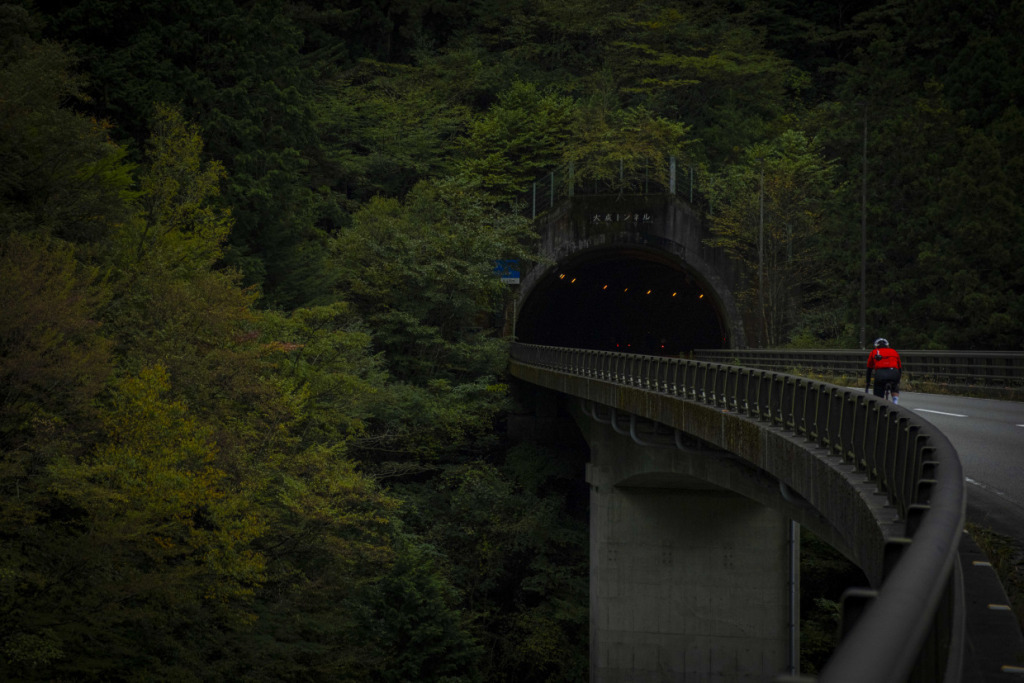
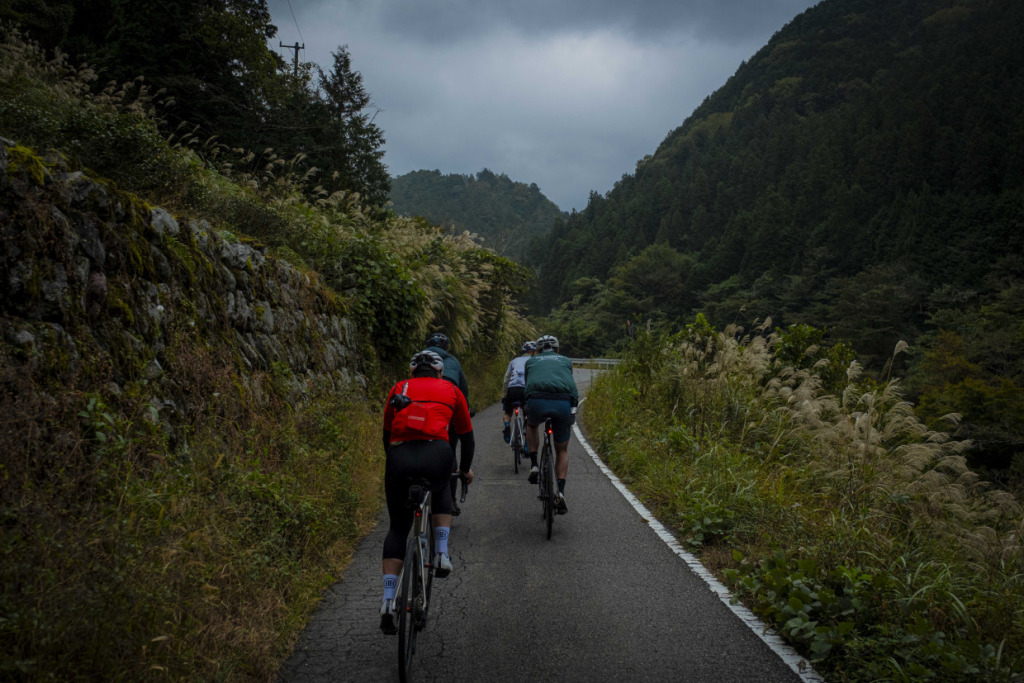
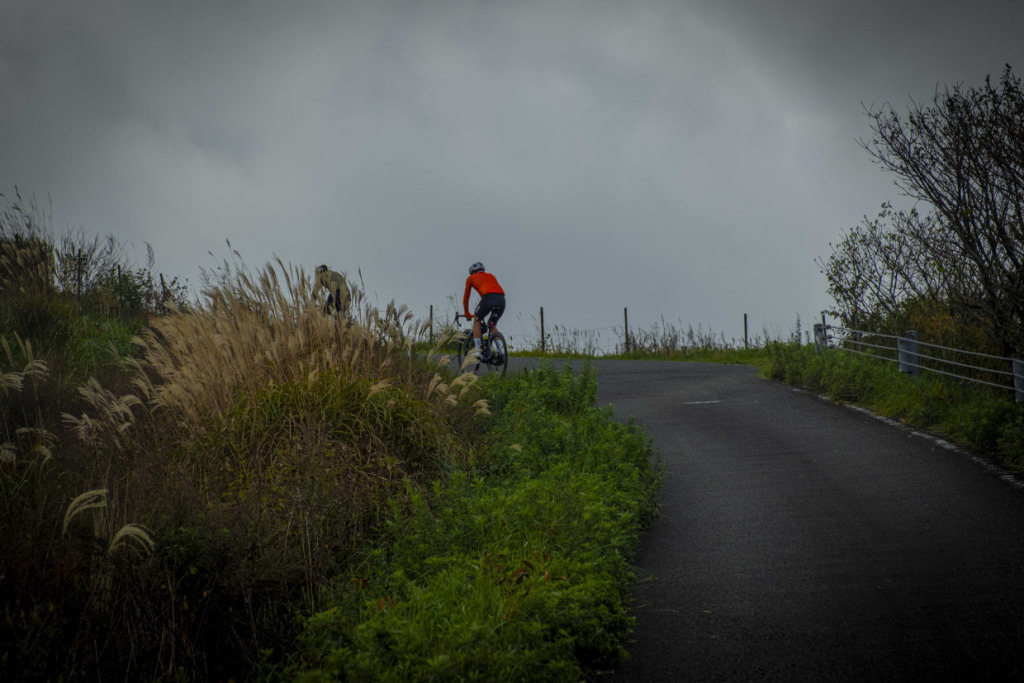
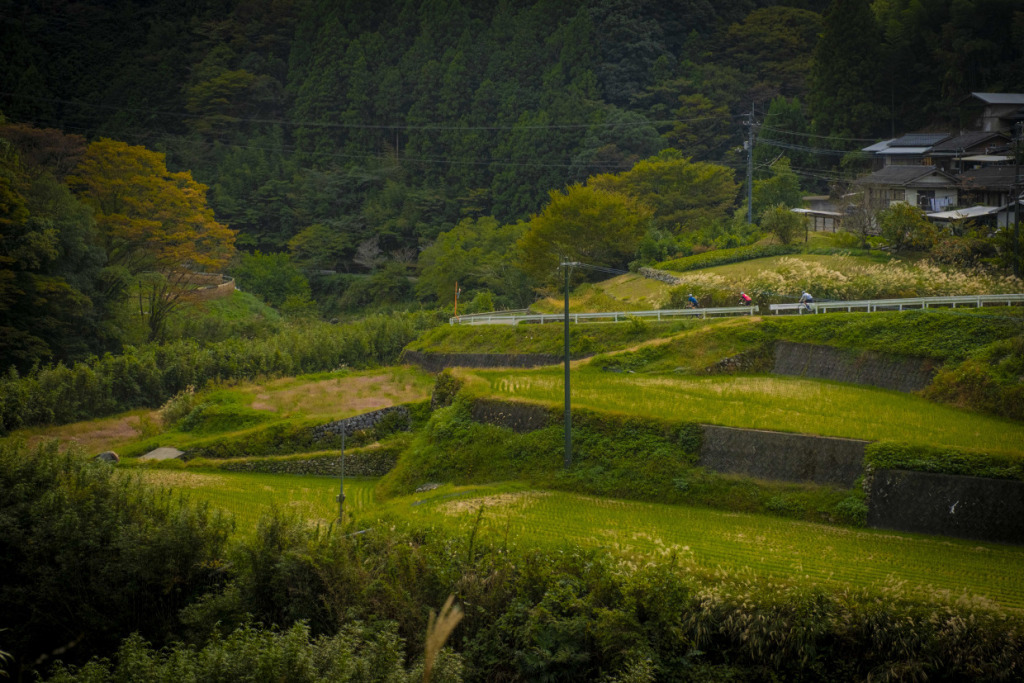
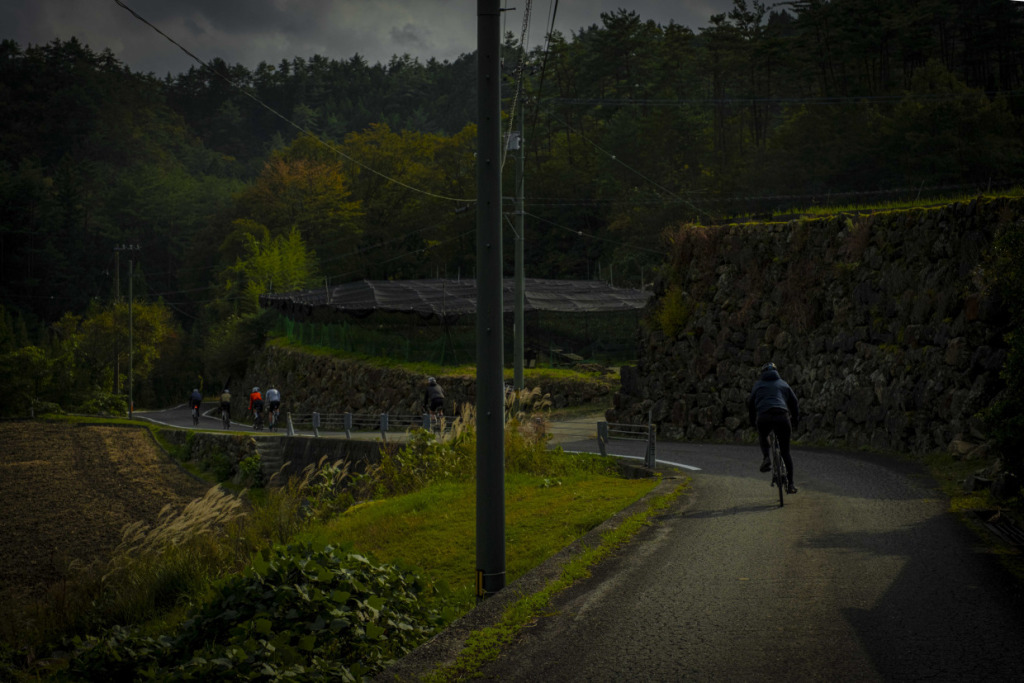
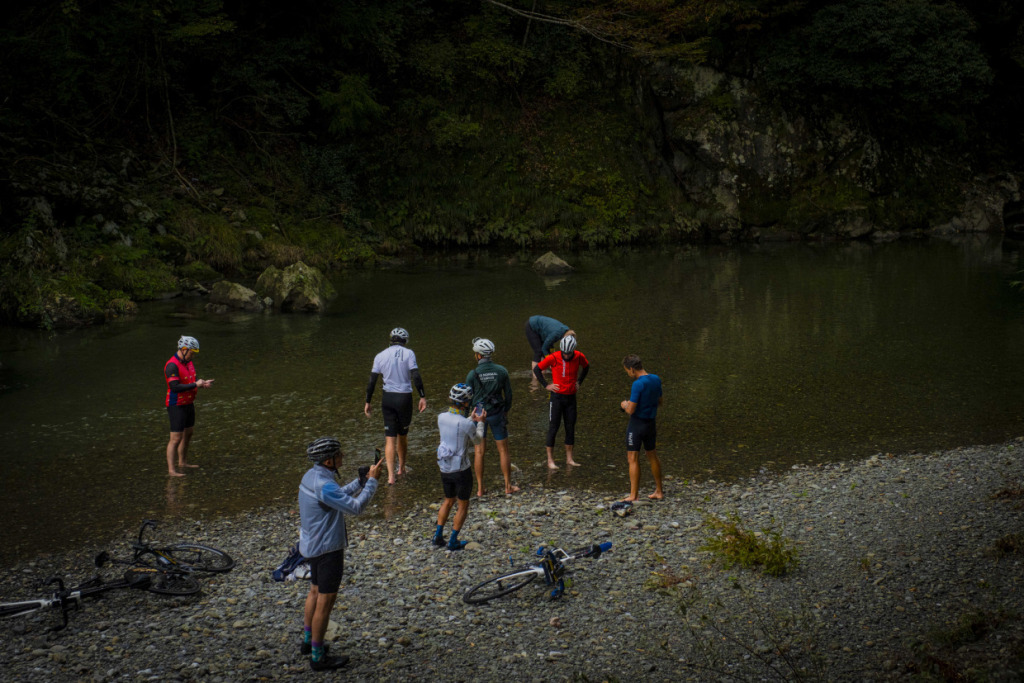
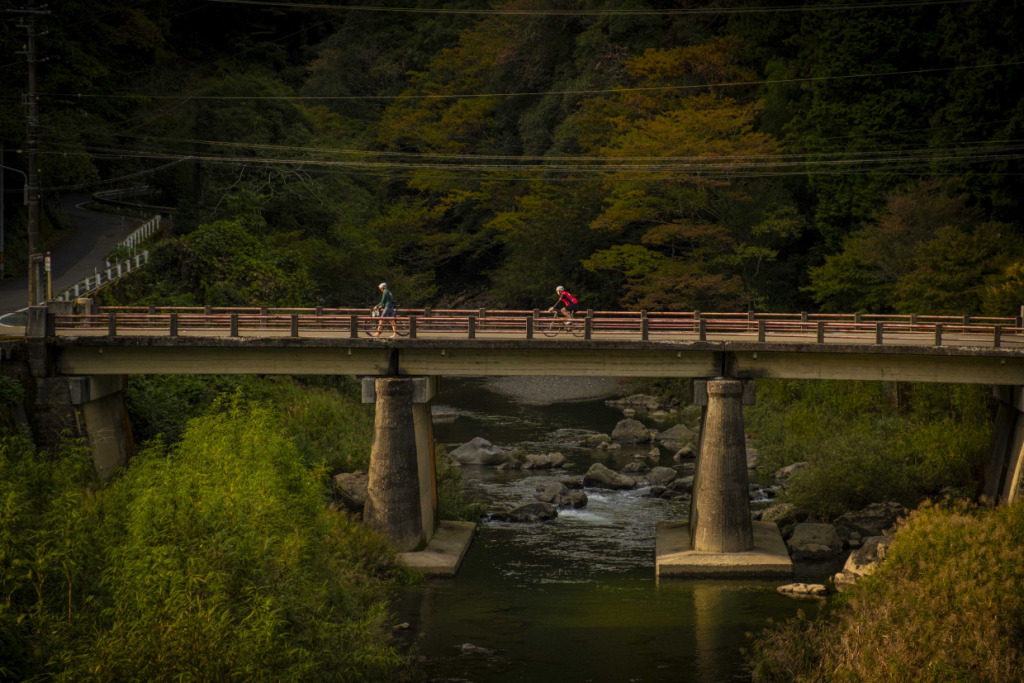
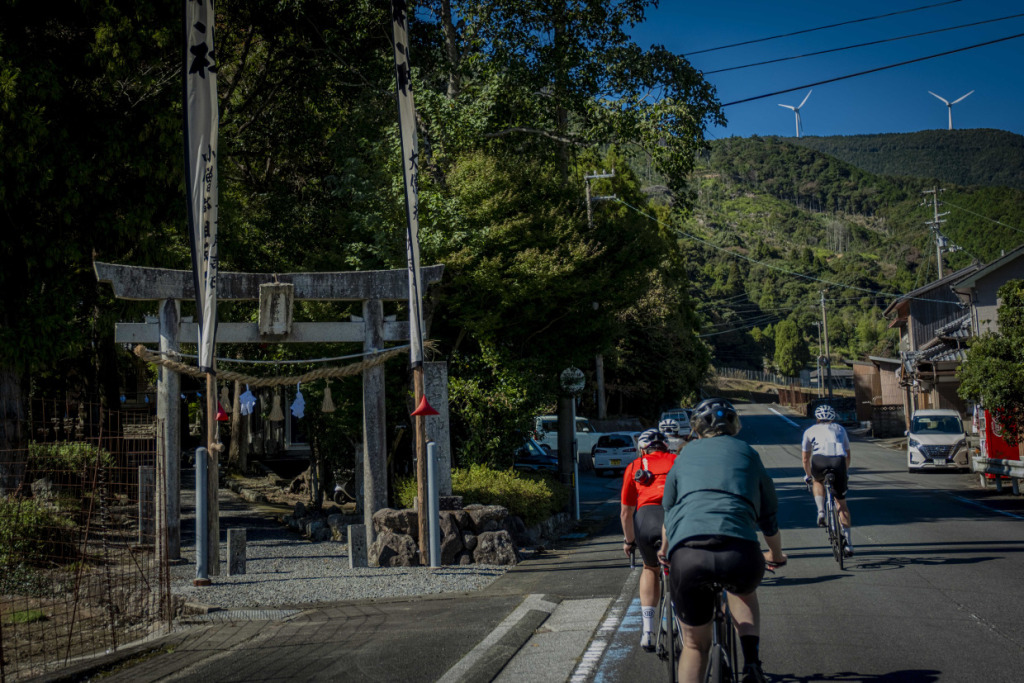
The dining room of the minshuku was filled with the comforting aroma of breakfast. Unfazed by the baptism of the UFO Line the day before, our Aussie riders tucked heartily into bowls of white rice and miso soup. Appetite intact—spirits high. But today would bring more mountains. Another tough ride awaited. Our destination: the legendary Shikoku Karst, one of Shikoku’s most celebrated alpine landscapes. A karst is a terrain formed over vast stretches of time as limestone bedrock is eroded by wind and rain. Among Japan’s karst formations, Shikoku Karst stands out—a highland plateau stretching roughly 25 kilometers at an elevation of around 1,500 meters. It is a flagship example of Japan’s karst topography, a masterpiece sculpted by nature itself. Limestone, after all, is composed of ancient coral and marine plankton fossils. Over hundreds of millions of years, these remnants of primordial seas were thrust upward to mountain heights some 1,500 meters above sea level, then gradually shaped into a karst plateau by the elements. To ride a bicycle across such terrain holds a romance and mystery equal to that of the UFO Line. Departing the inn, we headed south along the Omogo River Gorge. Once again, Ehime’s valleys revealed their beauty. Crystal-clear streams wound between sheer rock faces and massive, sculptural boulders. The scenery unfolded like a living ink painting—appearing generously, then slipping away behind us. It was the kind of landscape the riders repeatedly described as “just like a Japanese garden.” And along this gorge road, with so little traffic to disturb the flow, it truly felt like paradise for cyclists.
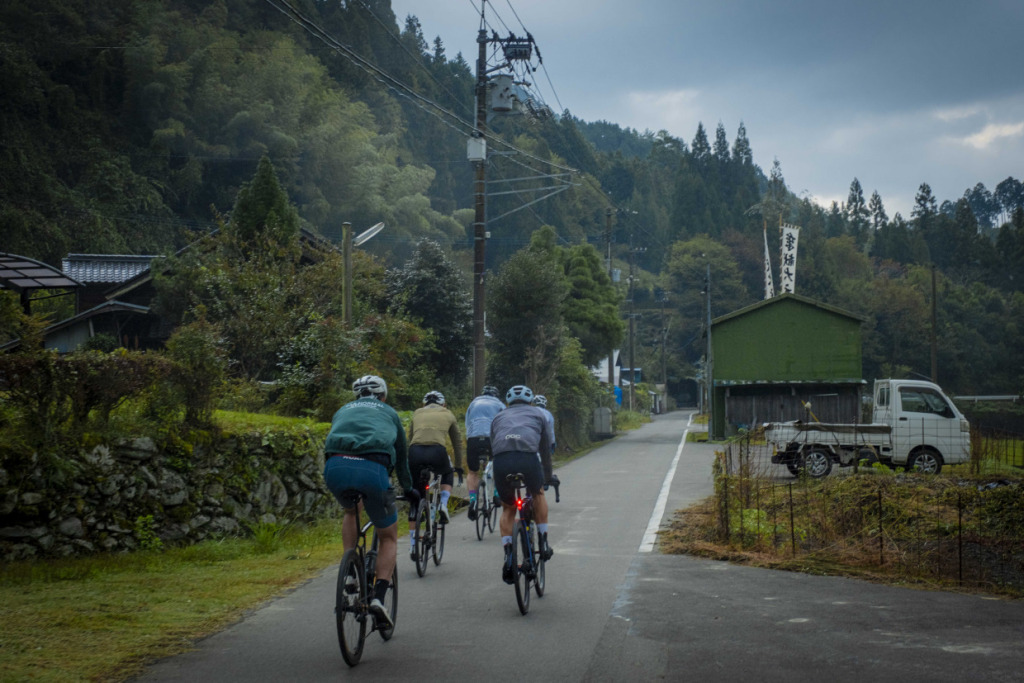
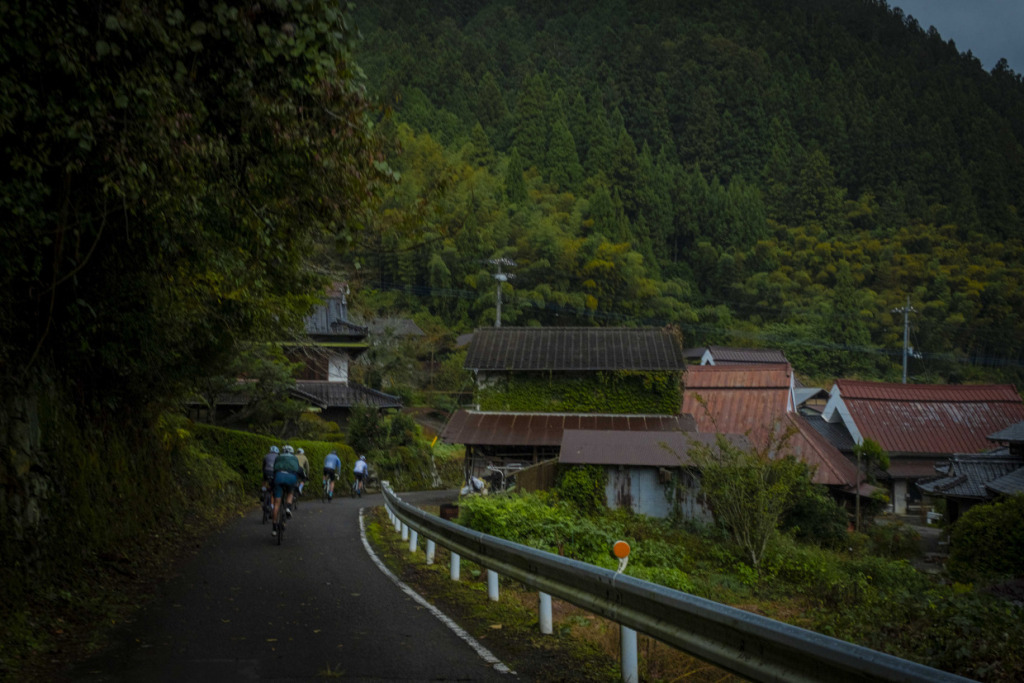
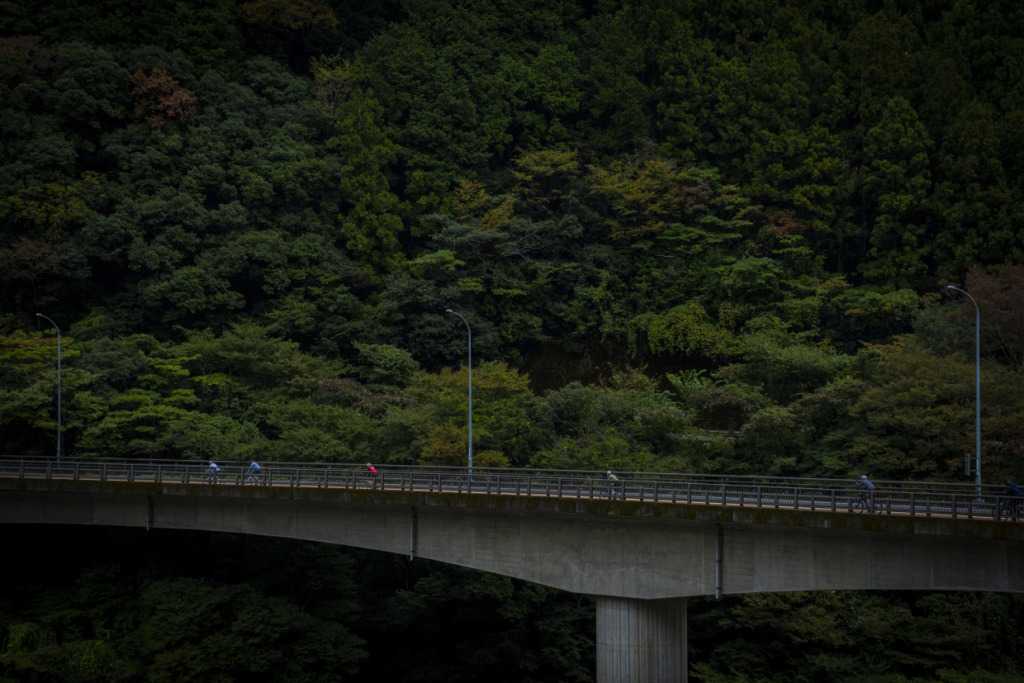
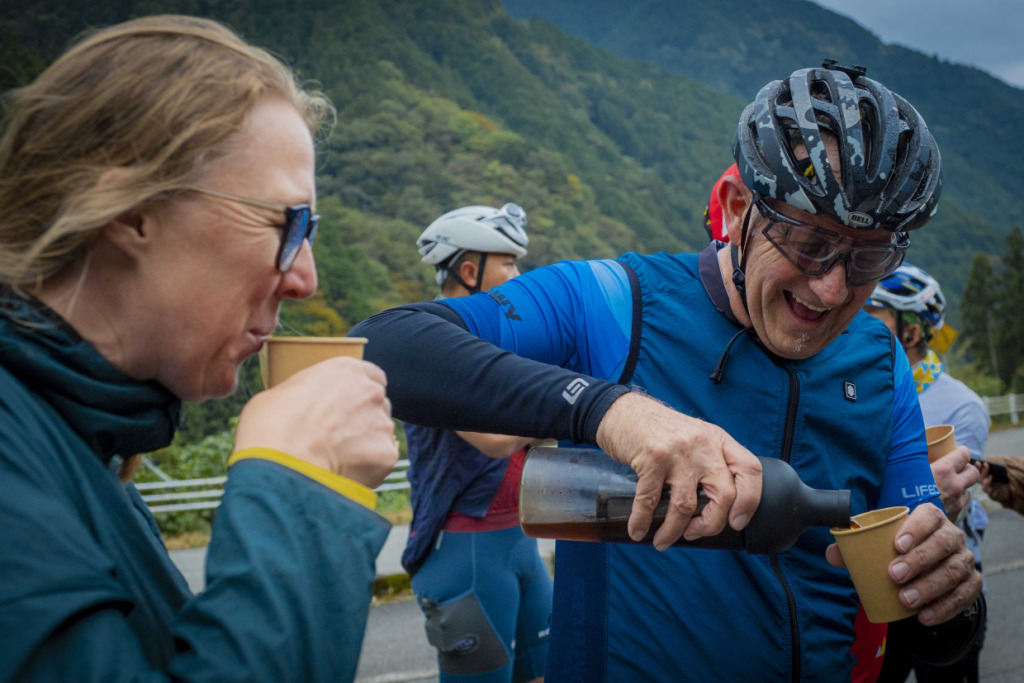
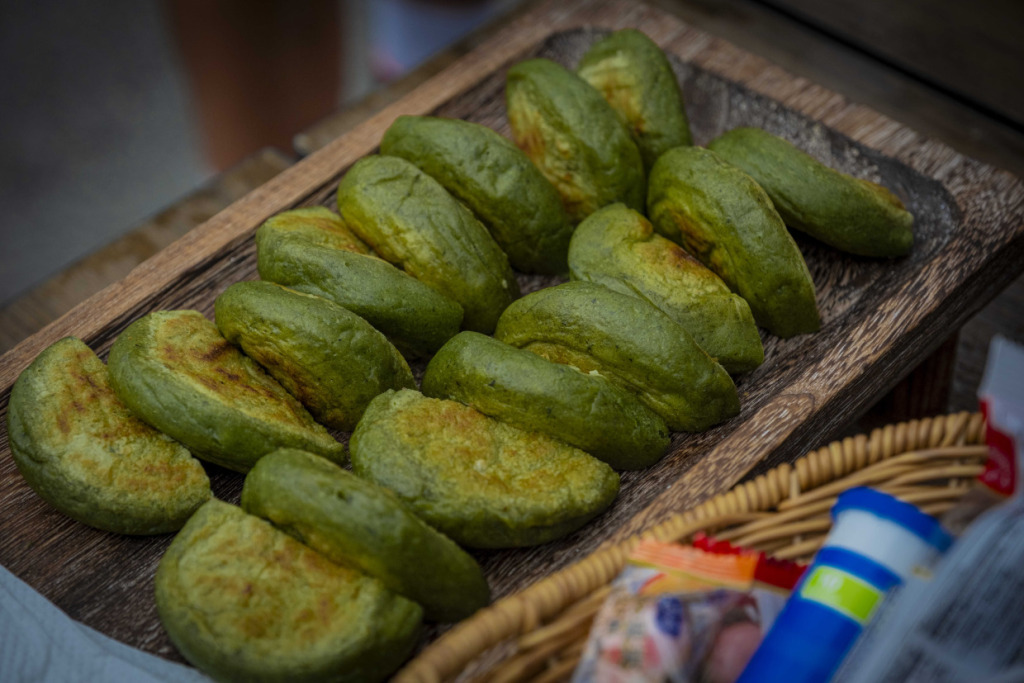
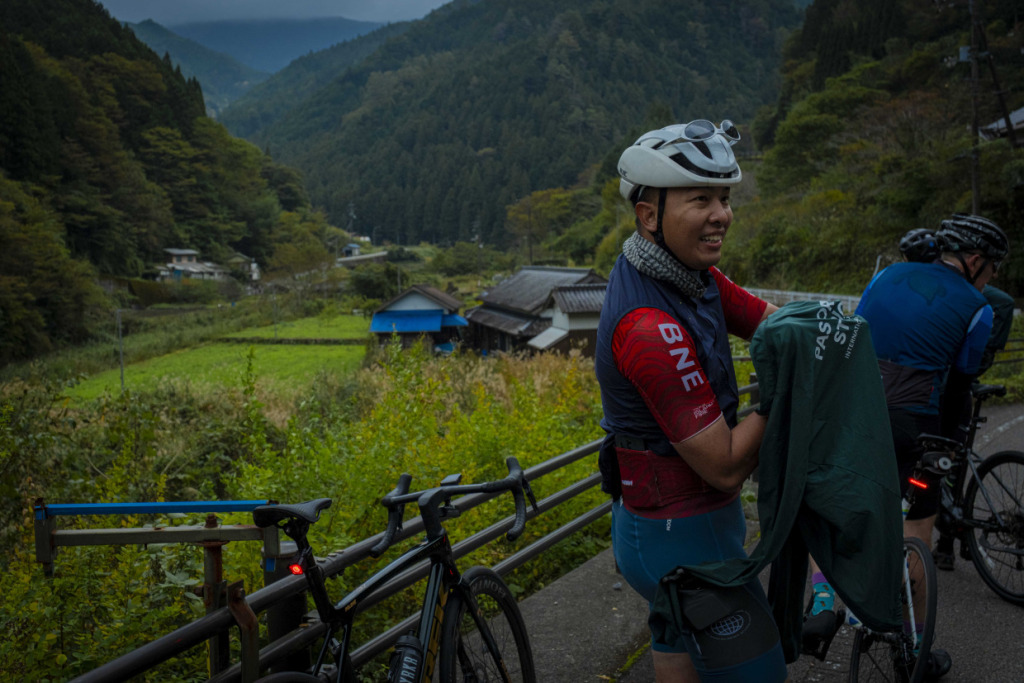
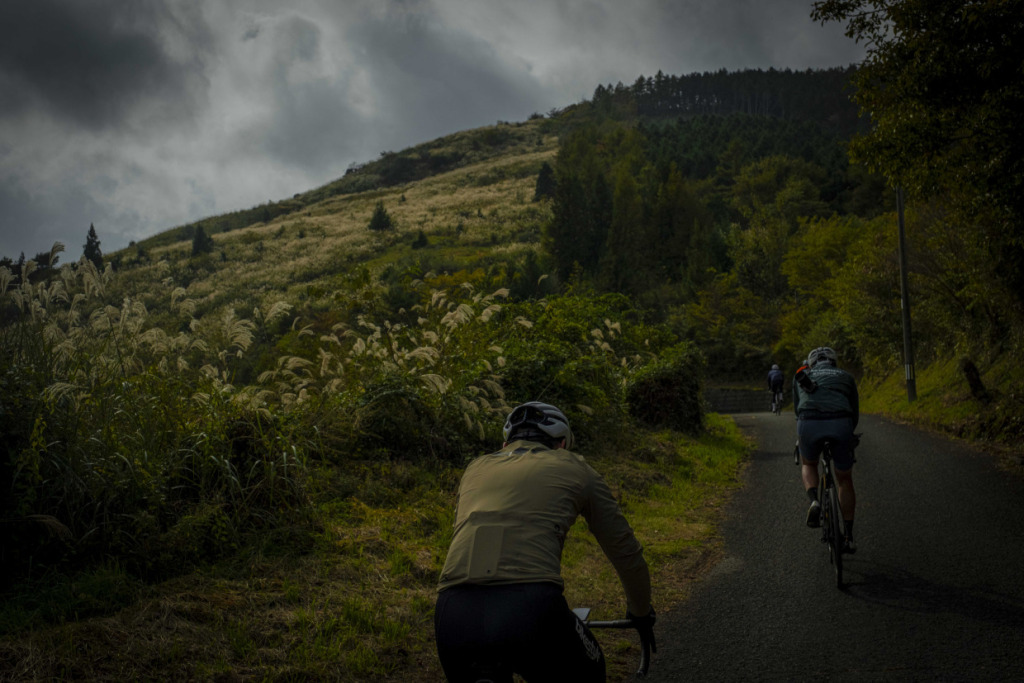
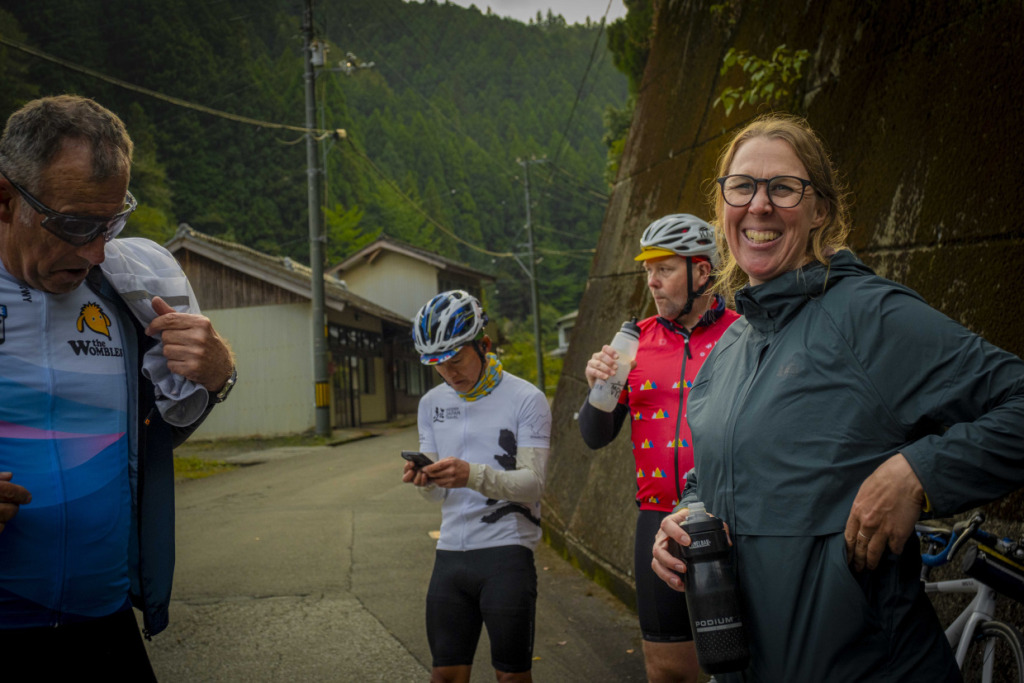
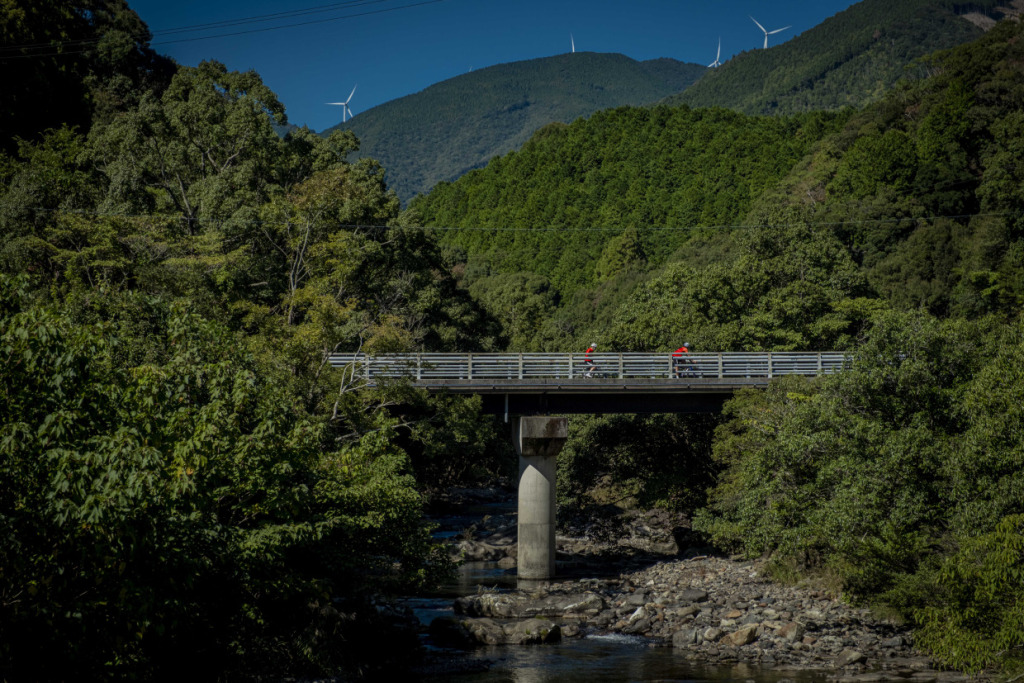
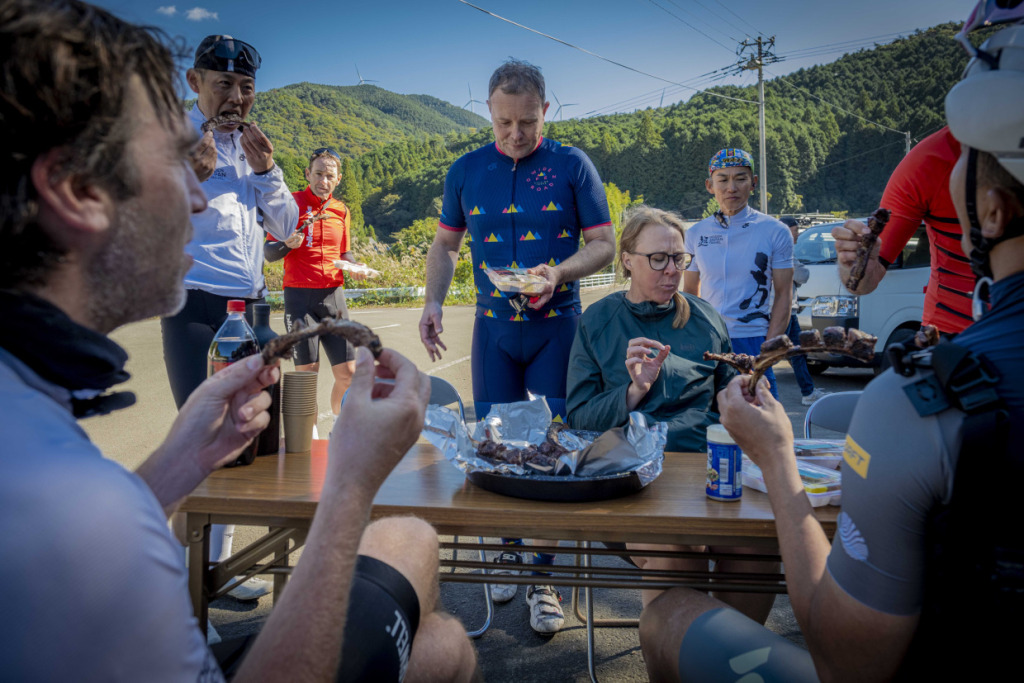
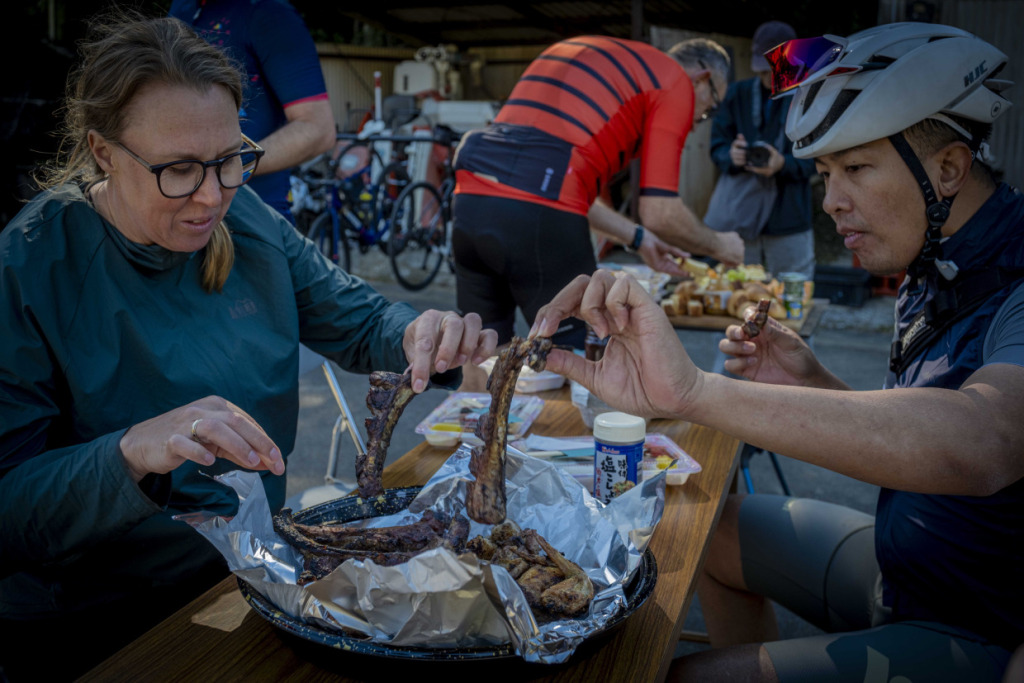
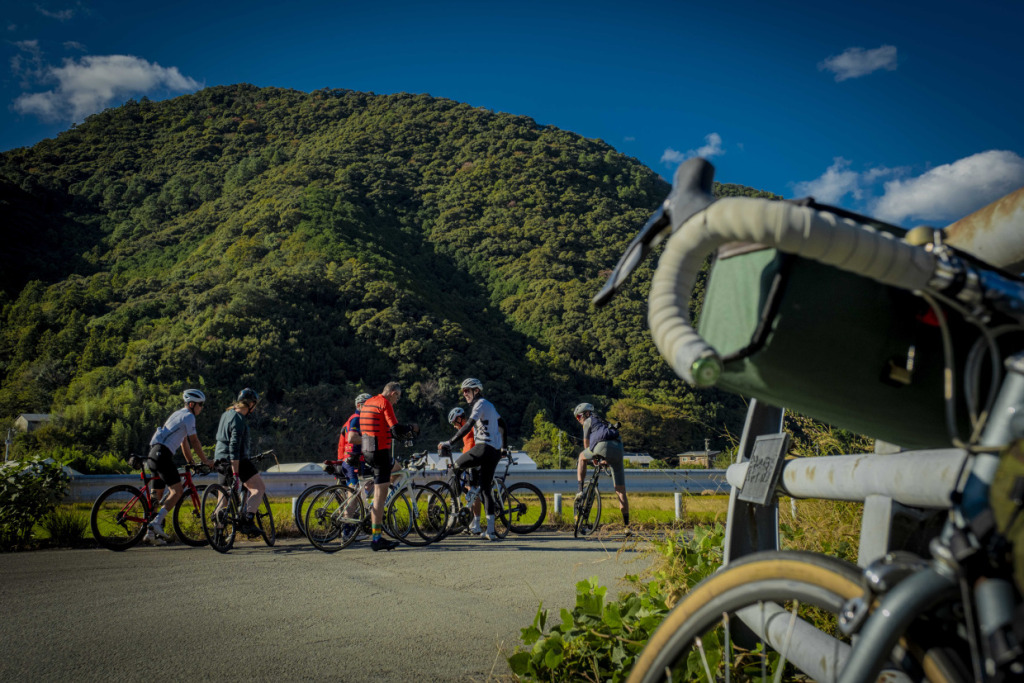
We pressed on, aiming for higher ground. Crossing a bridge over the gorge, we passed through quiet mountain hamlets and continued riding through scenery that felt like an endless Japanese garden. At the weekend-only local market, Shishimaru, we sampled their specialty kusa-mochi, along with dorayaki and kintsuba for ride fuel. Chewing on traditional sweets while pedaling through a rural landscape so different from home—surely this was an unforgettable experience for overseas visitors. The pleasure of immersing oneself in a foreign land and culture by bicycle leaves impressions too rich for words. In recent years, the number of international cycle tourists in Japan has visibly increased. Even during this journey, we encountered them time and again. Not in major cities or famous tourist sites, but on nameless mountain passes or in narrow lanes of fishing villages—foreign riders nibbling on yokan or slurping bowls of udon. Because we share the common language of the bicycle, barriers dissolve instantly. A brief but lively stretch of saddle talk follows. What’s especially gratifying is how deeply most of them express their respect for Japan. The high number of repeat visitors among overseas cyclists speaks for itself. For a fleeting moment, we share the road. Then, with a simple “See you soon!” and a thumbs-up, we part ways once more. How wonderful it would be to meet again, somewhere on this vast planet.
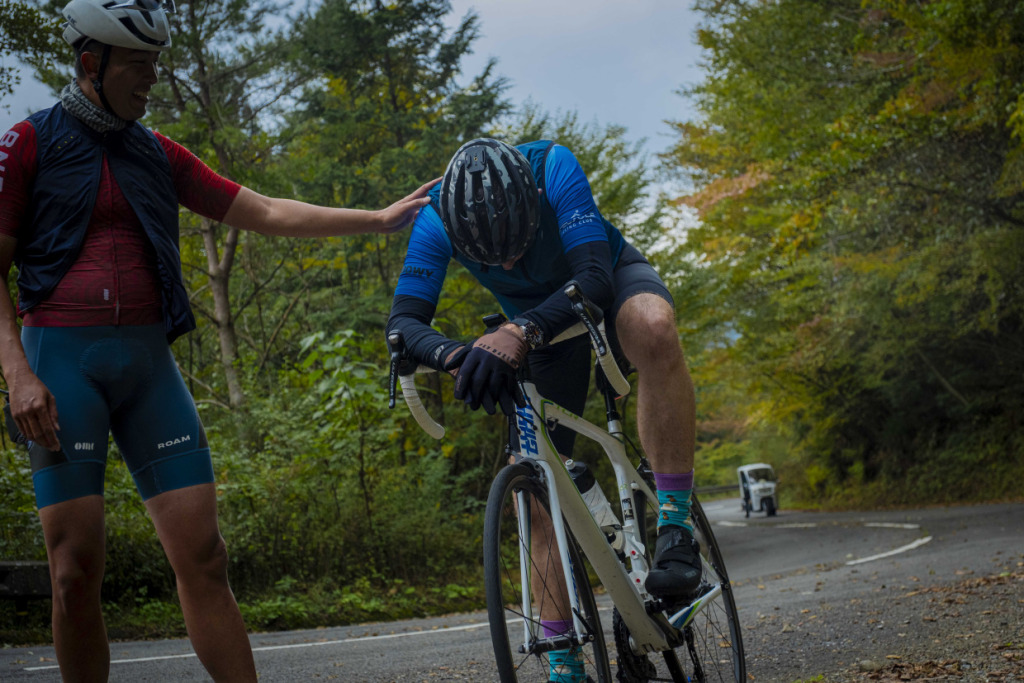
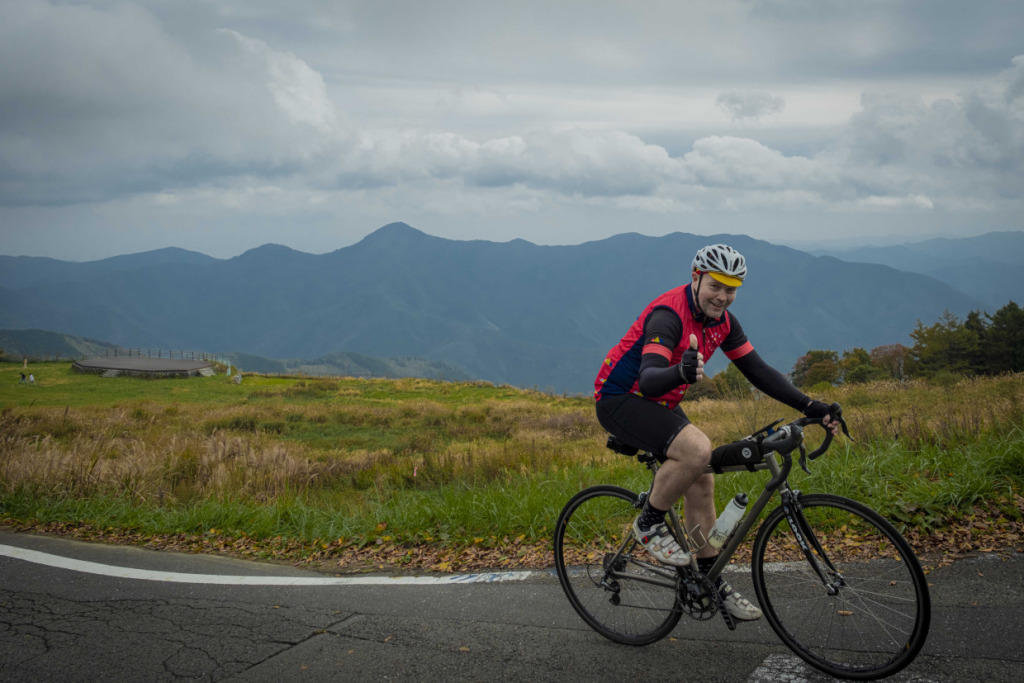
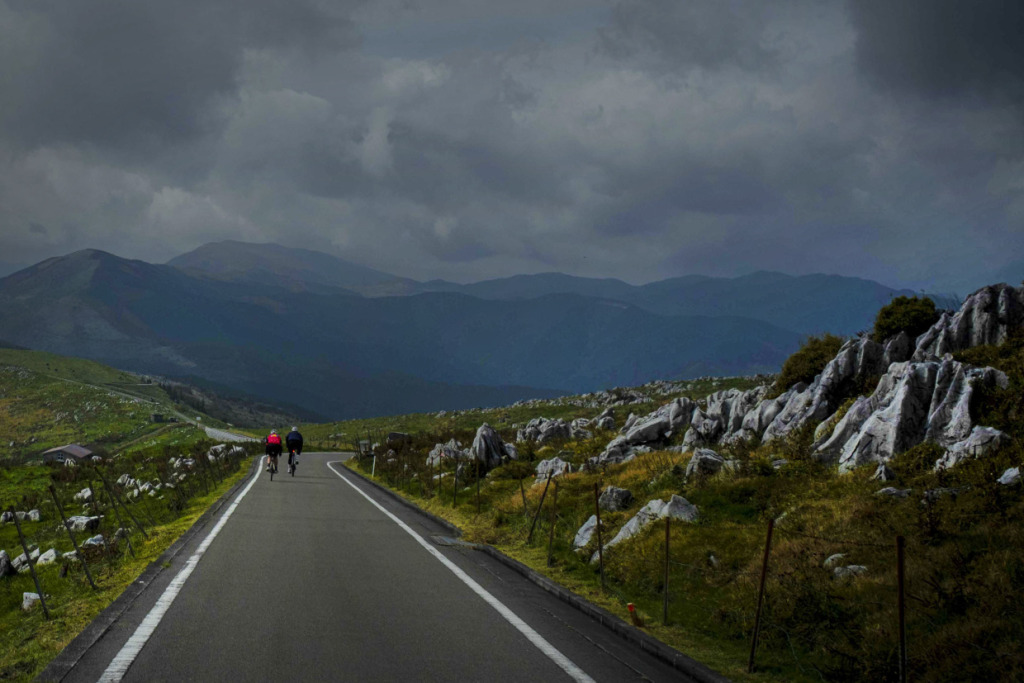
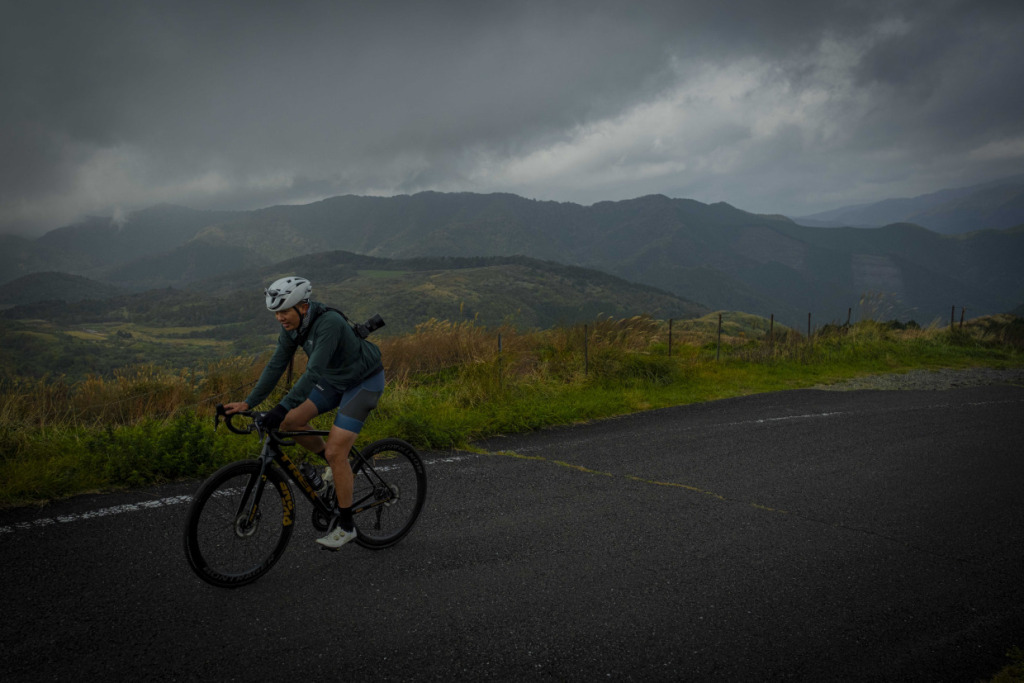
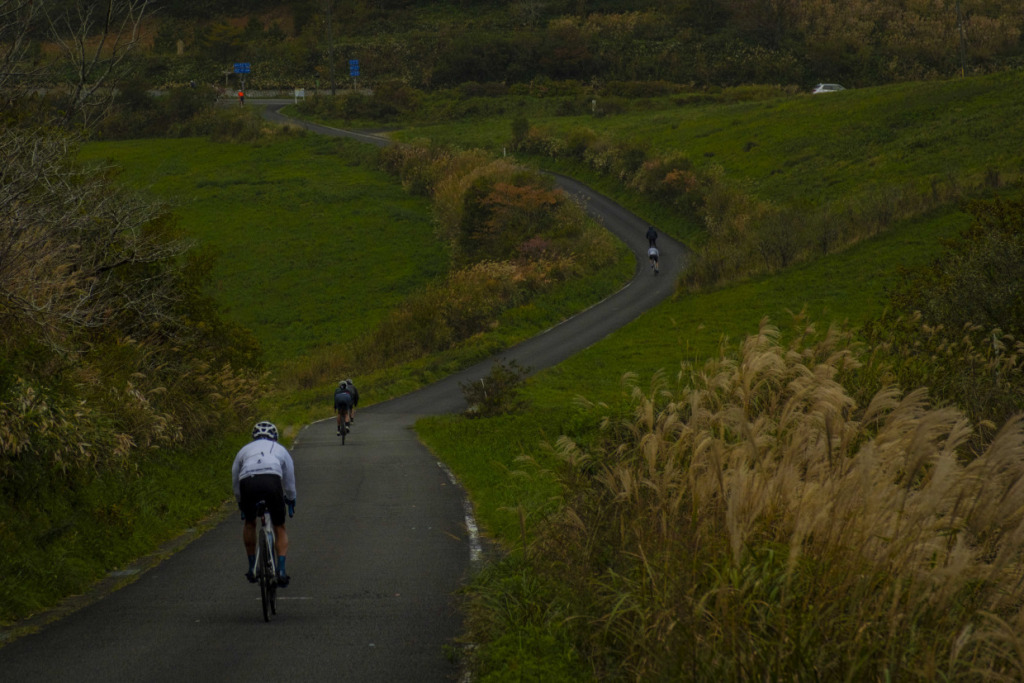
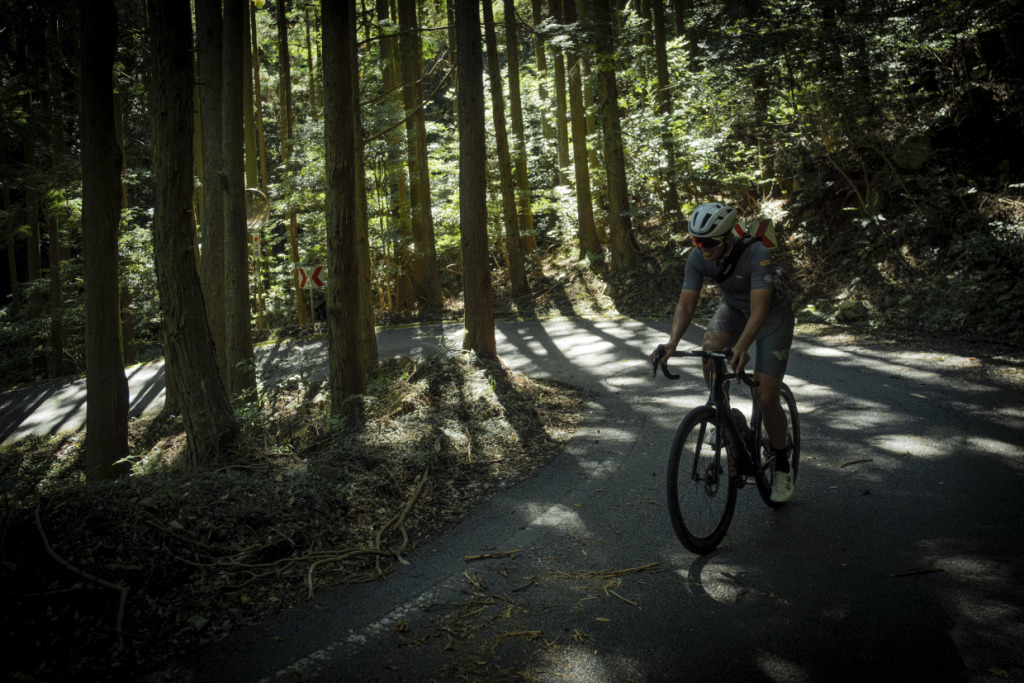
Savoring—and struggling through—a mountain road altogether different in character from the UFO Line, we finally reached Tengu Highlands, the eastern gateway to the Shikoku Karst. From here, the karst plateau stretches westward across an alpine zone between roughly 1,500 and 1,000 meters above sea level. Heading west from Tengu Highlands, the route tilts into a predominantly descending, high-speed run. As if sprouting wings to release the frustrations of the long climb, everyone disappeared into the distance in no time. Yet with a single ribbon of road unfolding under 360-degree panoramic skies, it was impossible to lose sight of them. I could clearly see Peeter and Rob, gleefully flying ahead. Chasing after them across the windswept plateau, it became undeniable: this is a cycling route beyond compare. The undulations, the road surface, the sweeping vistas—each element exists at an extraordinary level. Rarely does the hardship of a long ascent repay you so completely. On this supreme reward of a ride, even an unremarkable middle-aged cyclist like myself couldn’t help but let out an involuntary shout of exhilaration. Shikoku Karst—what a place.
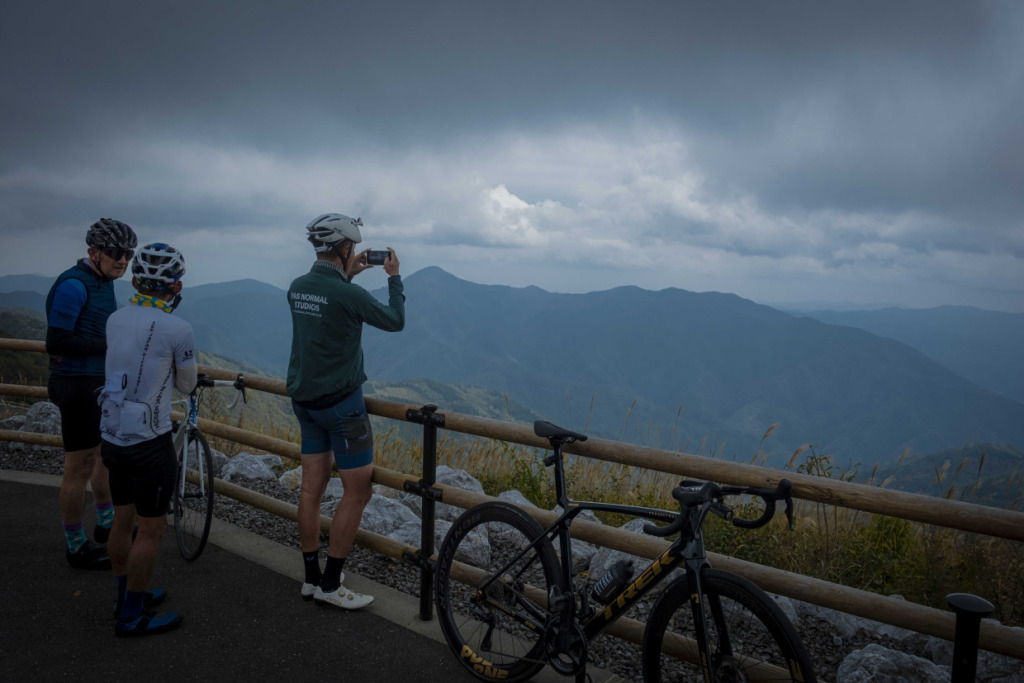
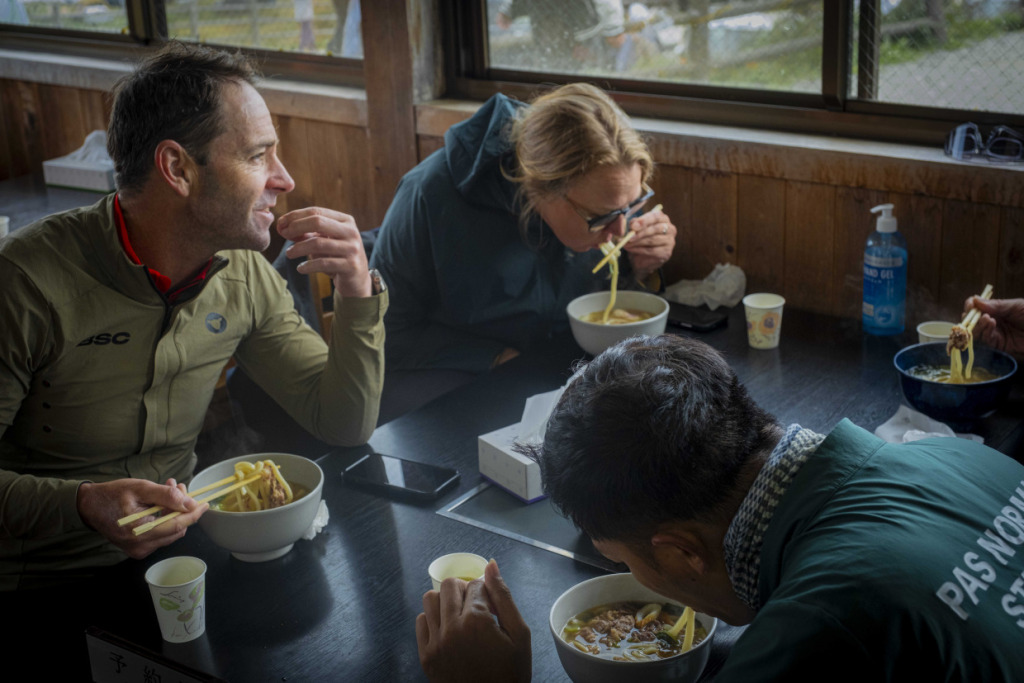
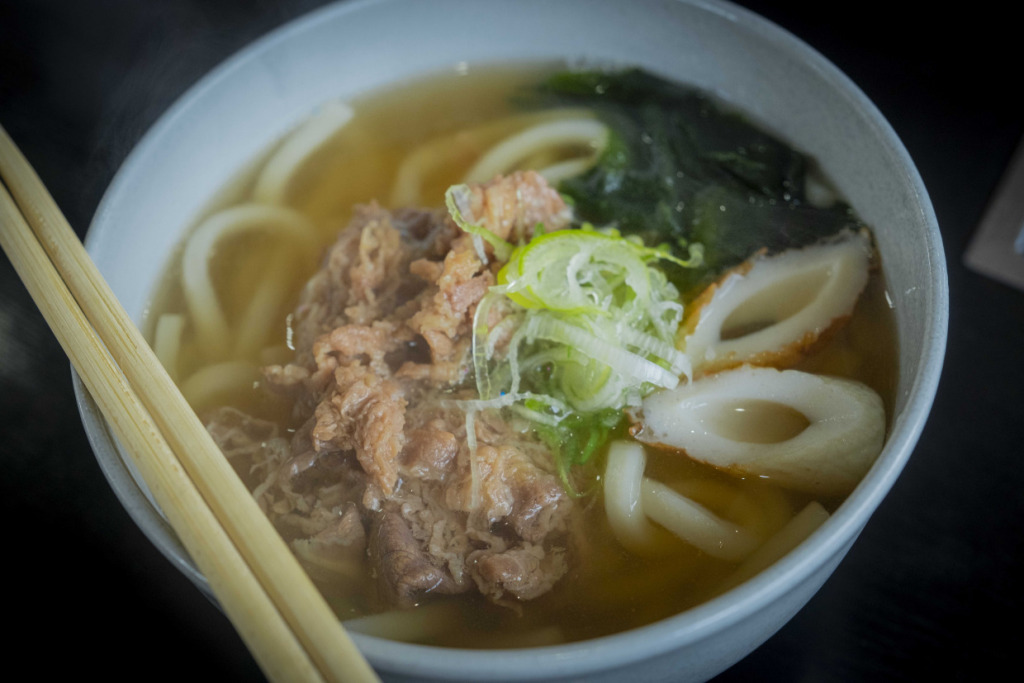
The true highlight may well be the area around Godan Plateau midway along the route—a mysterious grassland where countless white limestone formations rise from the earth. This karrenfeld landscape, emblematic of the Shikoku Karst, is often nicknamed “Japan’s Switzerland.” Yet to my eyes, each rock resembled a white stone Buddha seated solemnly upon a green carpet. If anything, I’d be tempted to call it Sai-no-Kawara in the sky—or perhaps a verdant Mount Osore. There is something otherworldly about the plateau, as if you are gliding down between meadow and sky, slipping gently toward another realm. I caught up with the group at the teahouse on Himezurudaira, where we savored bowls of udon for lunch. As I sipped my tea, I found myself wanting to tell Peeter—of Pedal Brisbane—that while Switzerland is all well and good, from a pilgrim’s perspective this place feels closer to “the other side.” But sensing that the nuance might not quite translate, I kept the thought to myself.
Editor’s note: Peeter is from the ride media outlet Pedal Brisbane.
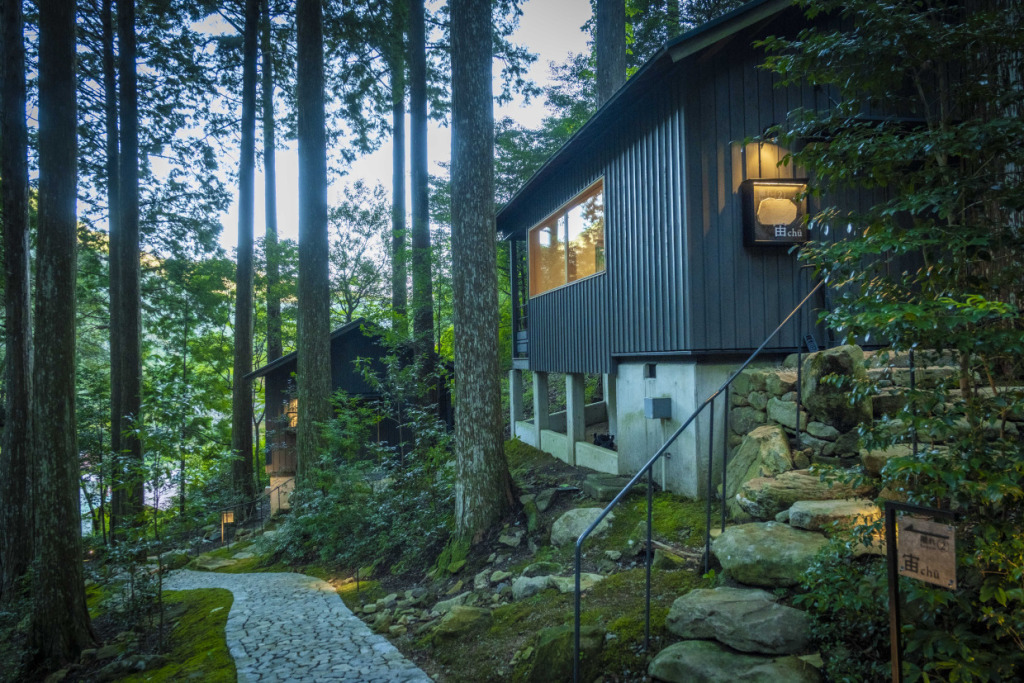
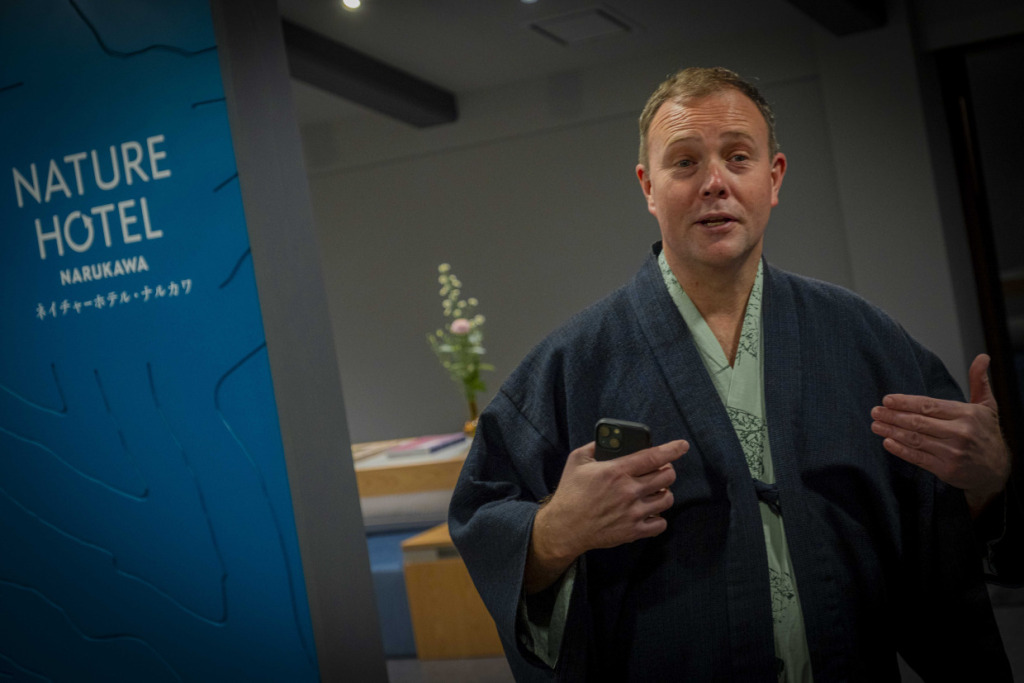
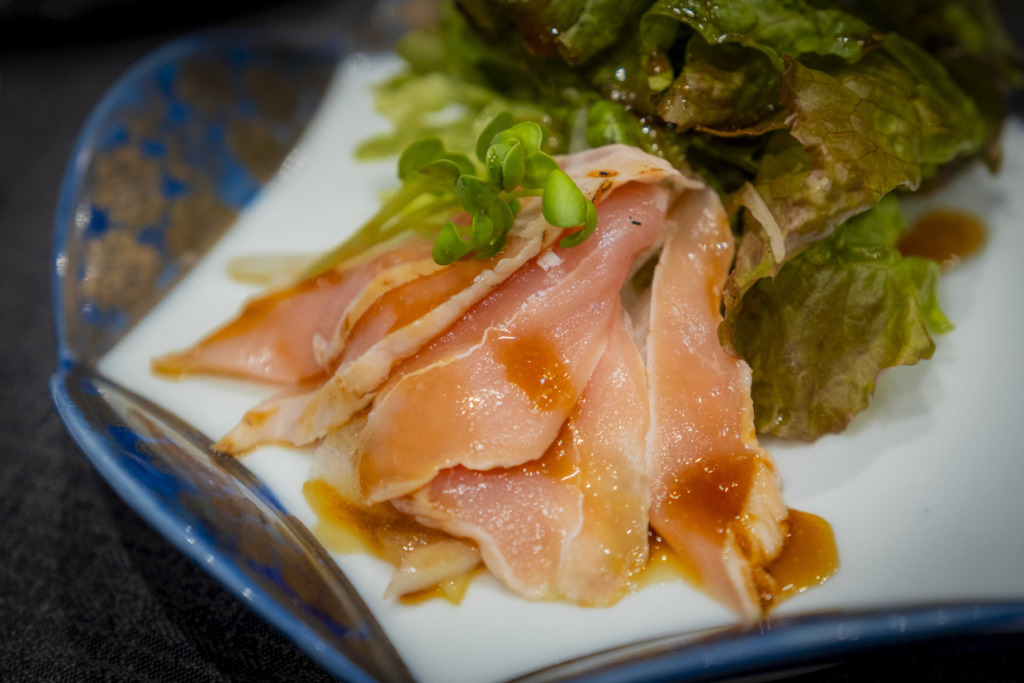
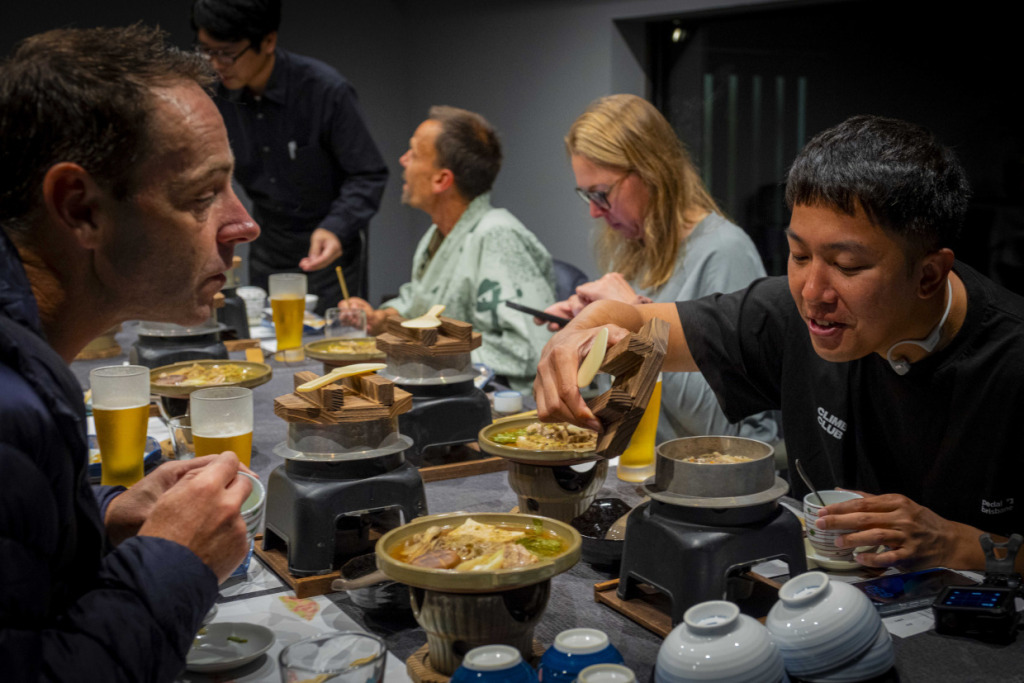
Reluctantly leaving the Shikoku Karst behind, we began a long, long descent. Even through the technical winding sections, the teamwork forged over three days of riding—and living—together proved its worth. Watching out for one another, the group formed a safe yet swift train, riding with palpable trust. As we lost altitude, sunlight filtered into the gentler valley roads below. The warm western glow of the afternoon sun was a blessing against bodies chilled by the highland air. Bathed in the fading light, expressions softened—satisfaction and relief quietly etched across each face. With every passing day, the shared sense of journey and camaraderie deepened. That, too, was part of the joy. Before long, we arrived at Nature Hotel Narukawa, nestled along Narukawa Gorge and just outside Uwajima City. A modern hotel themed around harmony with nature awaited us for the night. In sharp contrast to the tatami-floor banquet style of the previous evening’s minshuku, tonight featured a refined restaurant dinner. We savored elegant Japanese-Western cuisine crafted from locally sourced ingredients. Even when encountering unfamiliar Japanese ingredients or seasonings, the Aussies embraced them with curiosity and delight. For that open-minded spirit, they earned my respect once again.
DAY_4 Cape Koumo – Ainan Town – Kamimaki – Uwa Sea – Uwajima
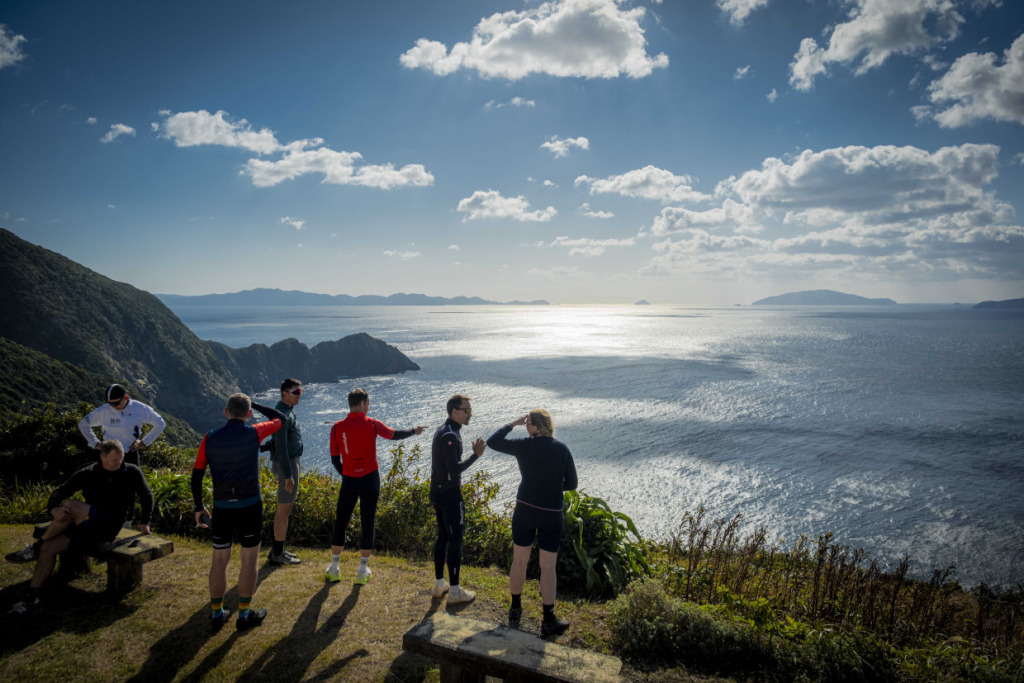
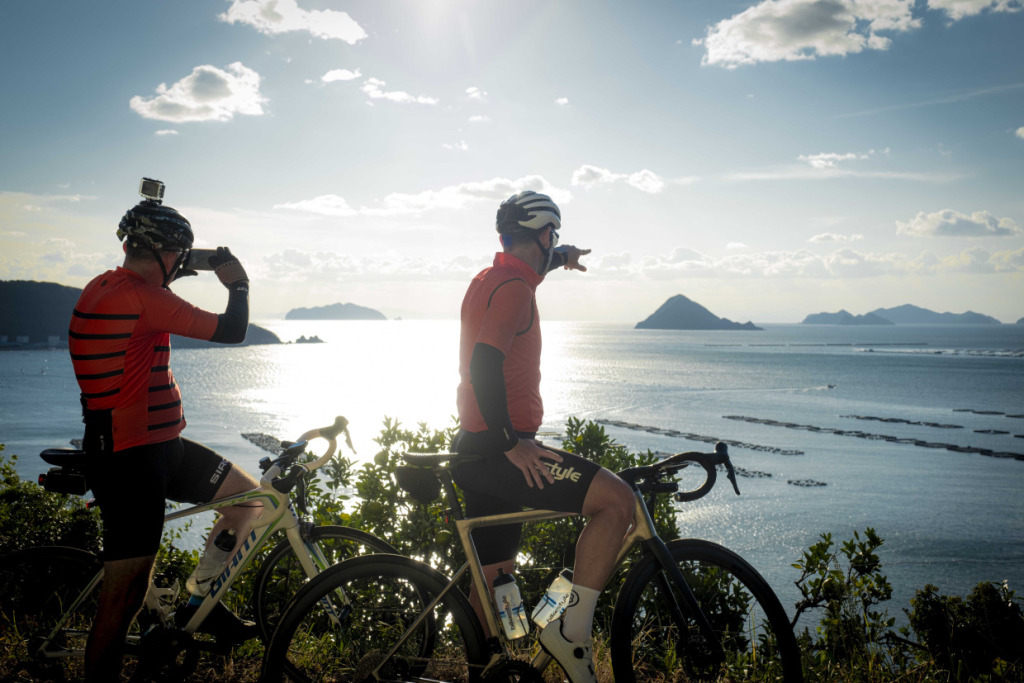
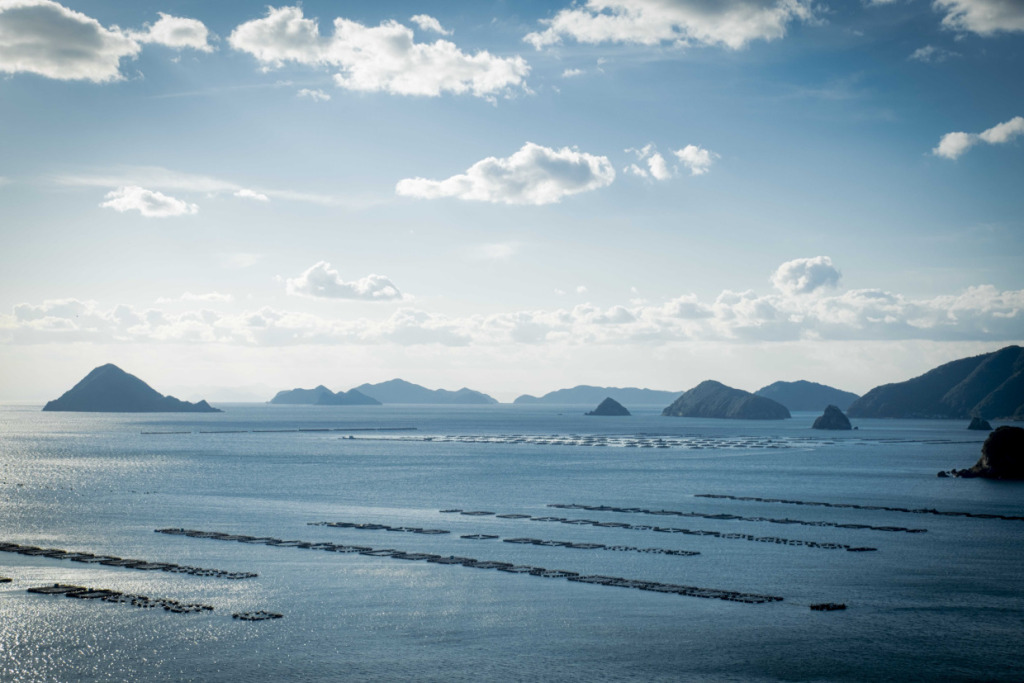
Having successfully completed the demanding mountain stages packed into the first half of the tour, we had effectively circled half of Ehime. Now relocated toward Uwajima along the coast, surely—surely—today would finally be a seaside ride in Iyo? …Or perhaps not. After what we’d already experienced, it seemed wise not to assume anything too gentle. Our destination was Ainan Town, at the southernmost tip of Ehime. At least it began by the sea. Under brilliant blue skies, the view from Cape Koumo at the start point was magnificent. After days of dramatic mountain vistas, would today belong to the ocean? Reflecting the cloudless sky, the Bungo Channel shimmered in deep blue. In the coves below, orderly rows of aquaculture rafts floated and swayed in the morning tide. A brief, blissful stretch of coastal riding followed. And then… the route turned inland. Ah. Of course. More mountains.
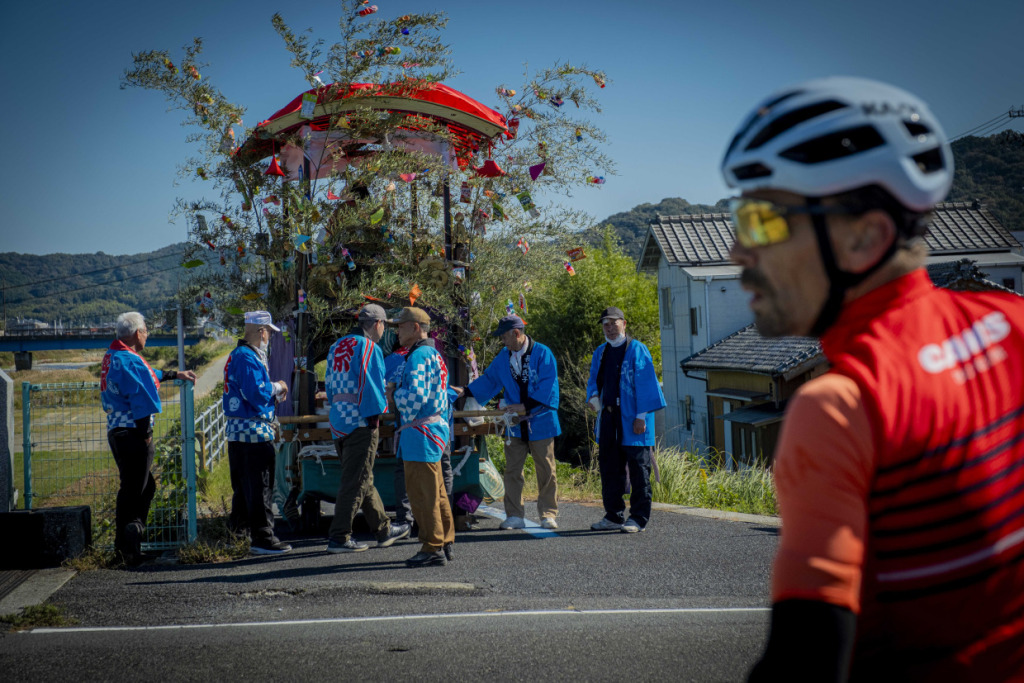
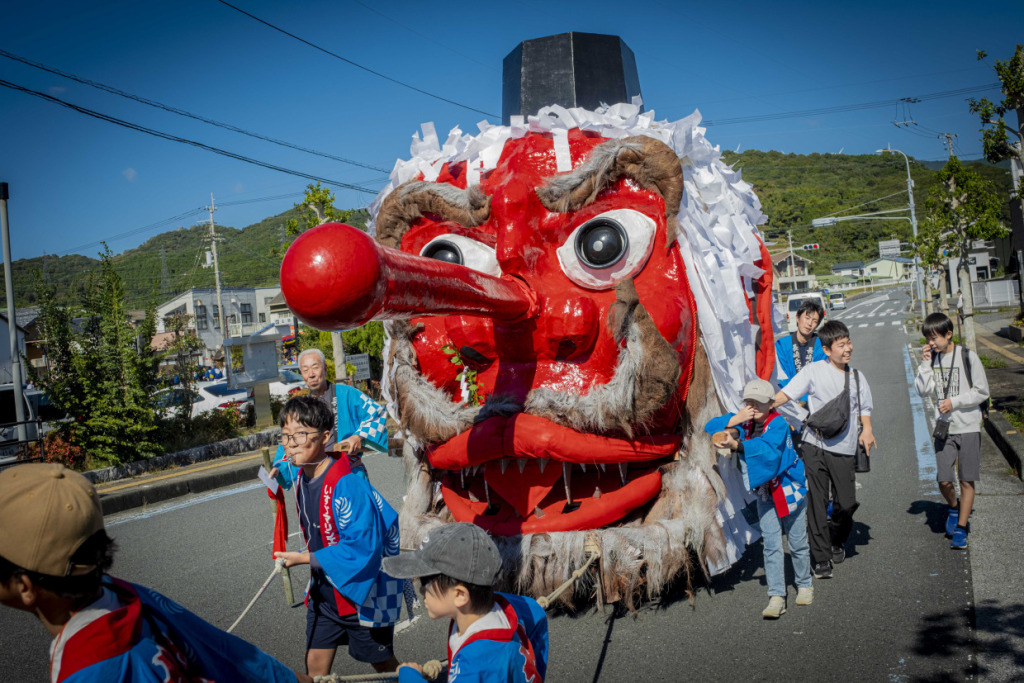
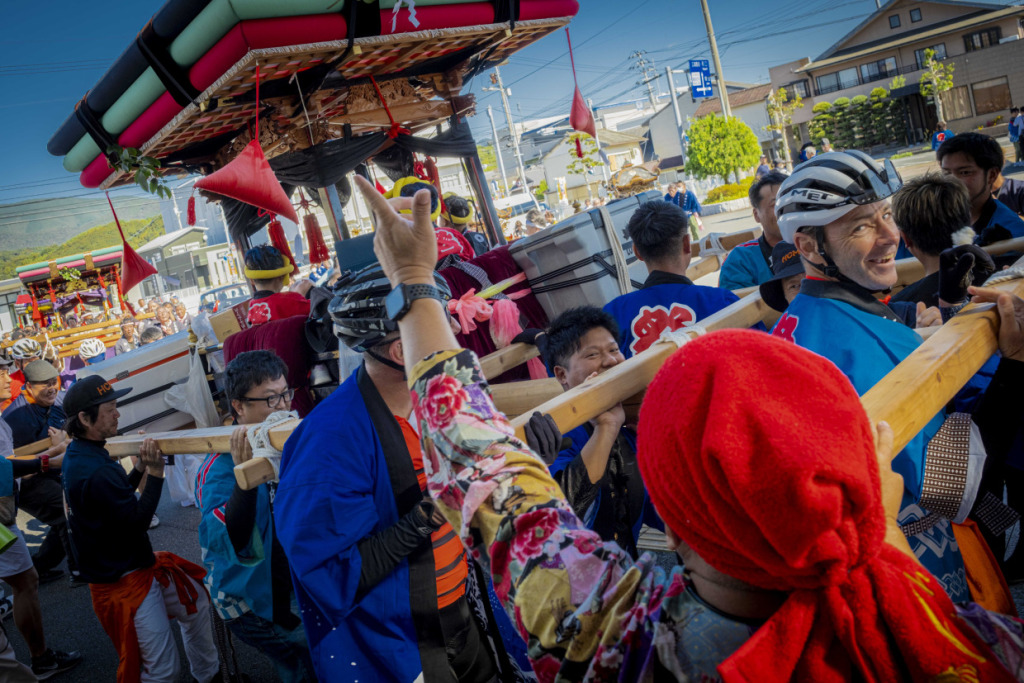
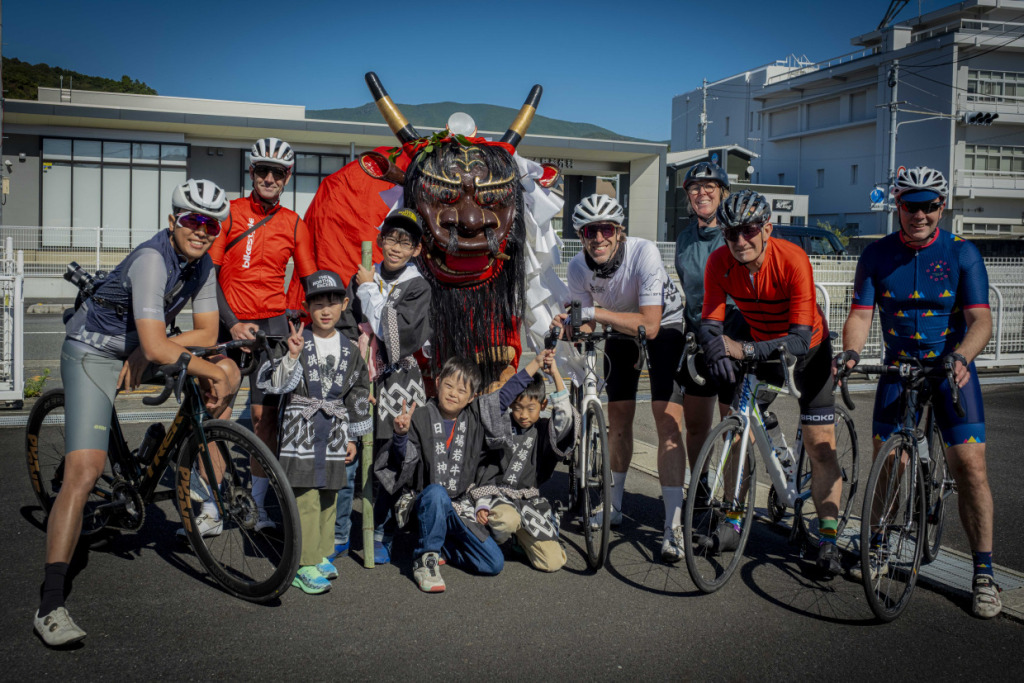
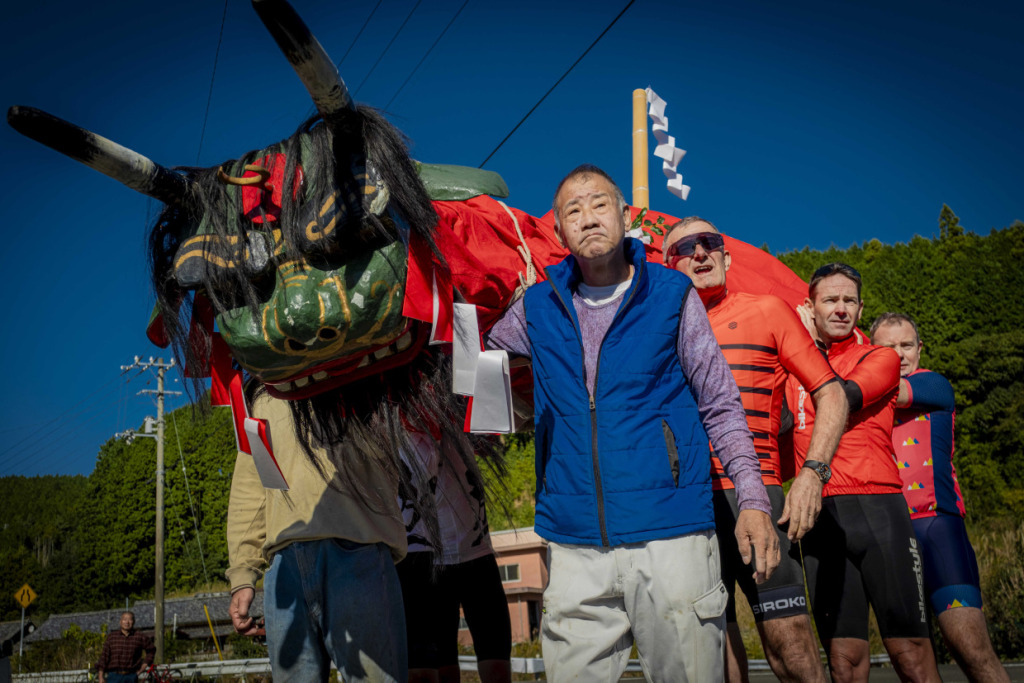
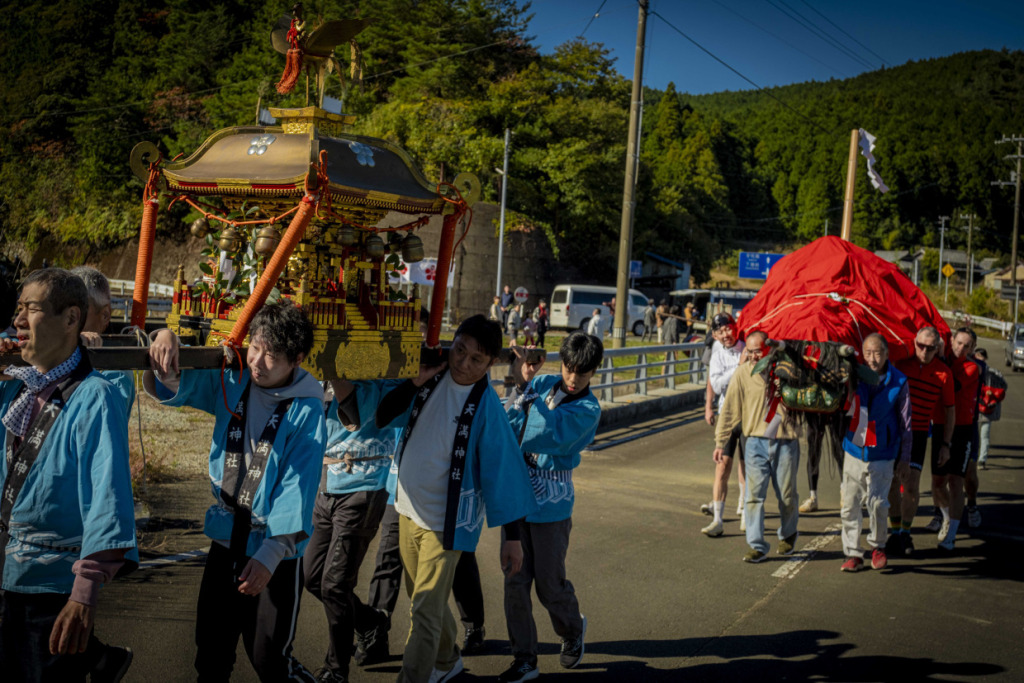
We first rolled over a hill and descended into central Ainan Town—only to find the streets unexpectedly lively. Along the main avenue, people in festival attire carried portable shrines and pulled ornate floats through the crowd. By sheer luck, we had stumbled upon a local autumn festival. What began as casual spectating quickly turned participatory. Our cycle jerseys stood out too much. Before we knew it, spirited young locals had “captured” us and swept us into the heart of the festivities. Adam*, Mark*, and Rob* were dressed in happi coats and ushered beneath a mikoshi, suddenly transformed into full-fledged shrine bearers. Nearby, a towering float featuring a massive red tengu mask—pulled by local children—commanded attention. Ainan has long served as the gateway to Mount Sasayama, a sacred mountain of Shugendo practice and an extra-temple stop along the Shikoku pilgrimage route. Perhaps the vivid red tengu represented the mountain’s guardian spirit. Whatever the case, this completely unexpected cultural encounter delighted our Aussie companions. Moments like this are the very essence of travel.
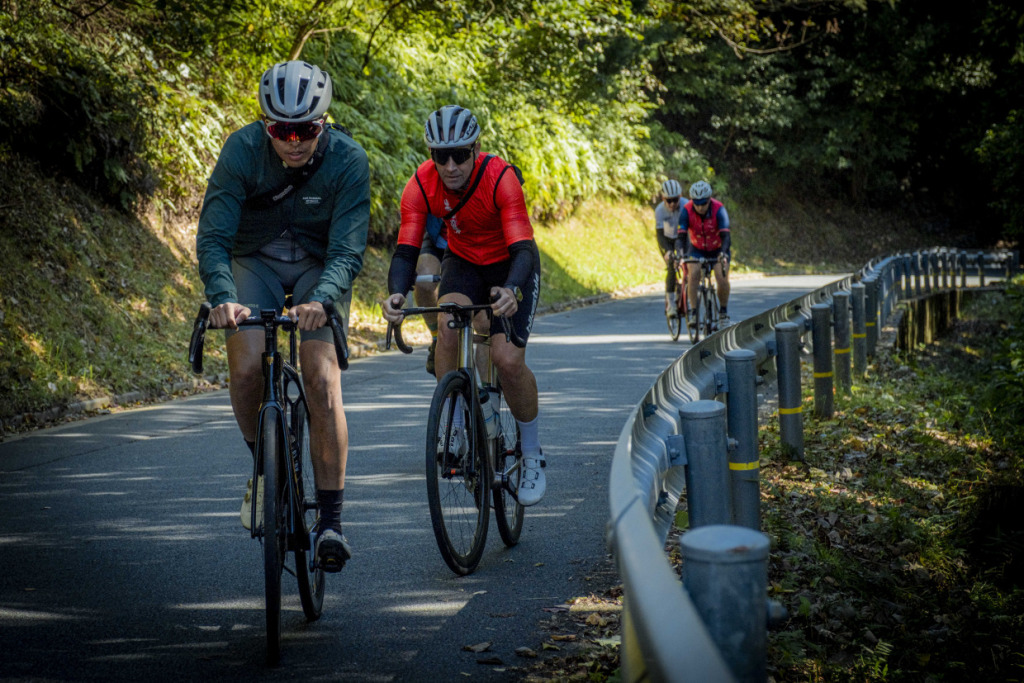
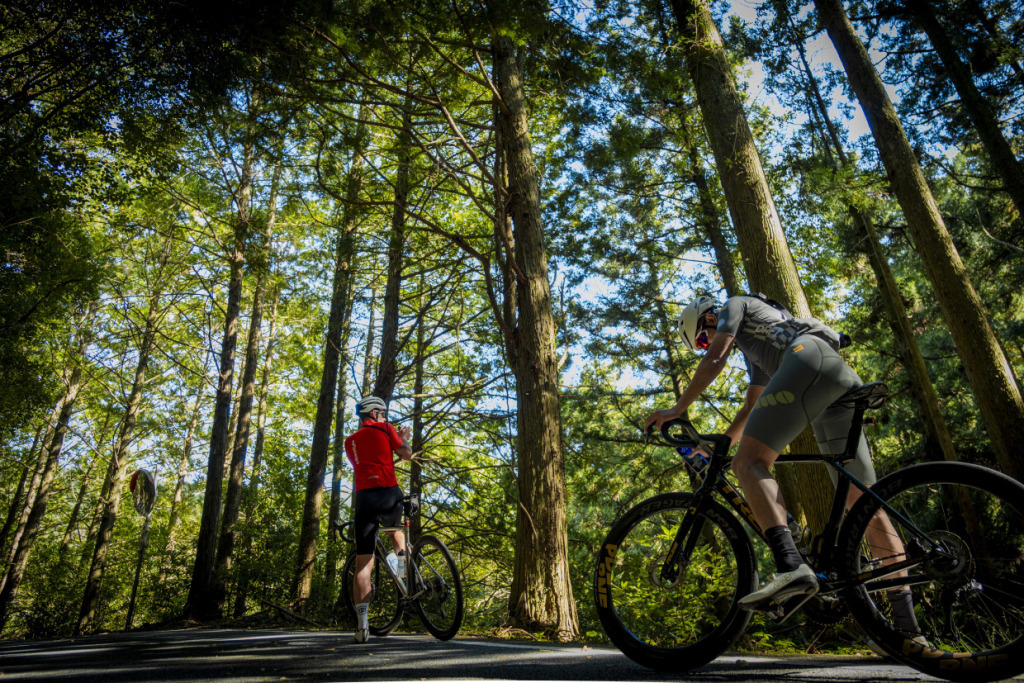
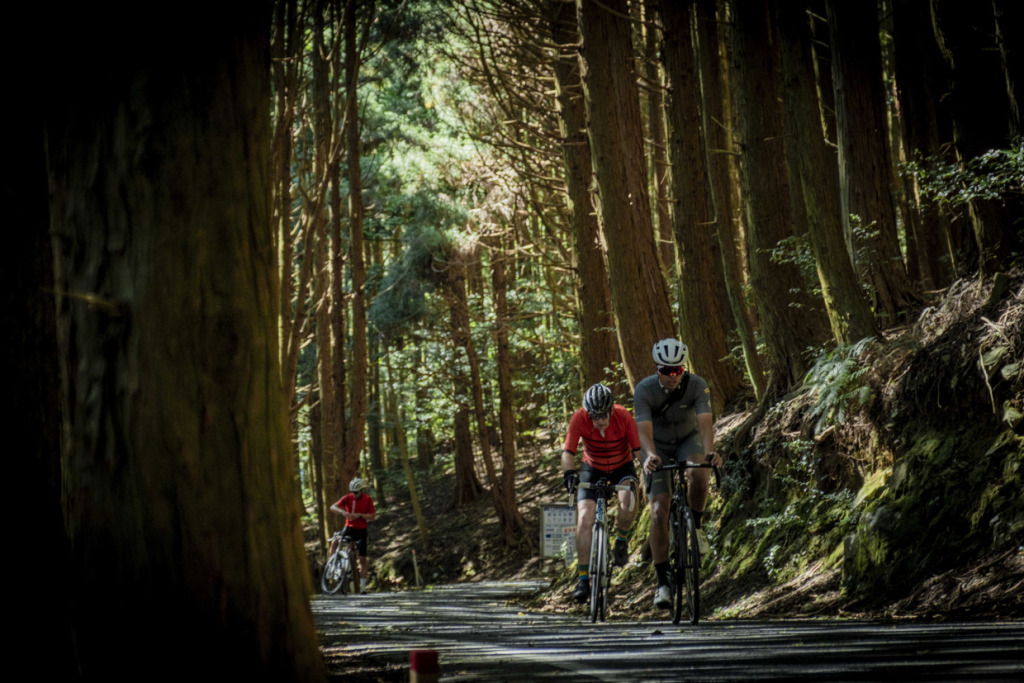
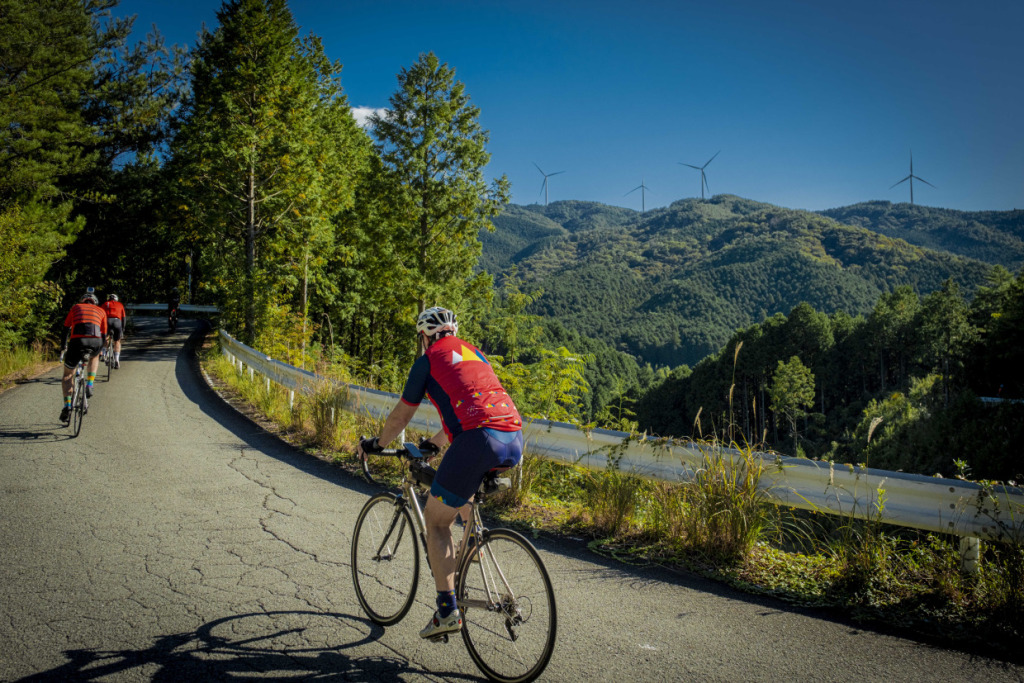
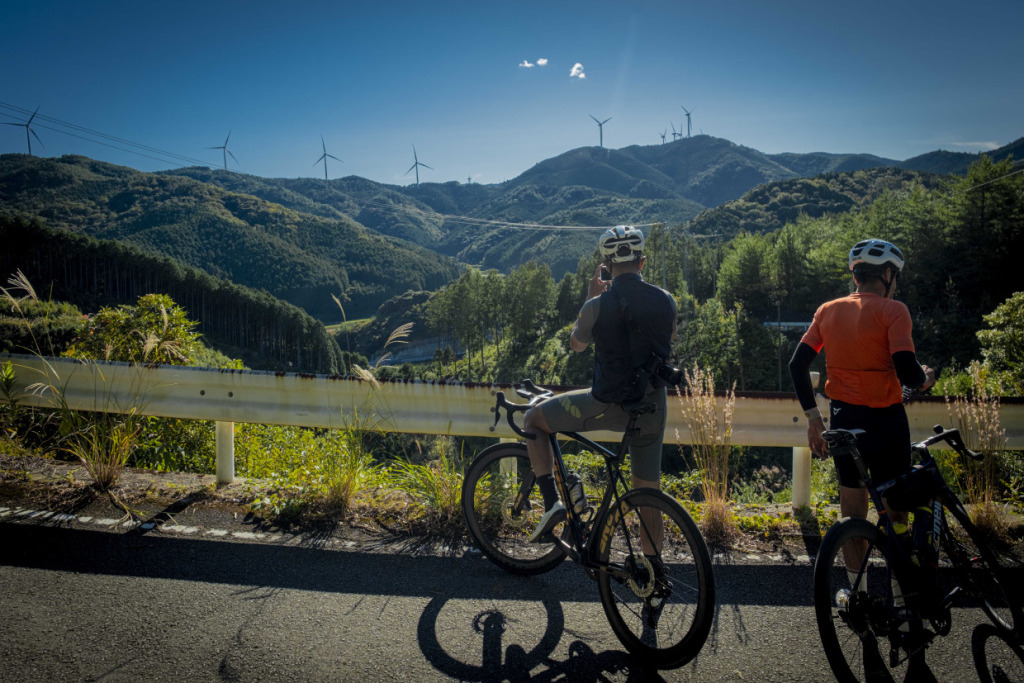
Still wrapped in the afterglow of the festival, our train pushed deeper inland, cutting steadily toward the Sasayama mountain range—perhaps even toward the tengu who might be waiting there. Yet in the warm southern reaches of Ehime, even in late autumn the satoyama hills remained richly green. Under clear blue skies, it was warm enough to make a wool jersey feel almost excessive. Linking together quiet rural roads at the foot of Mount Sasayama, we soon found that—once again—a climb awaited us. The road switchbacked upward toward the ridgeline. Along the crest, rows of white wind turbines turned briskly against the sky. The contrast was striking: deep blue above, lush green below, and the pure white of the turbines slicing through the air. A tricolor composition, vivid and uplifting. This third major climb of the journey was more modest than the passes we had conquered in previous days. Yet it carried its own quiet significance. The route connects to the historic Ōiwa-michi and Koiwa-michi—ancient pilgrimage paths once used by worshippers heading to Mount Sasayama. Here, the Shikoku henro trail and Shugendō mountain ascetic routes intersect, lending the pass a particular depth of atmosphere. A mountain crossing layered not only with gradient, but with history and faith.
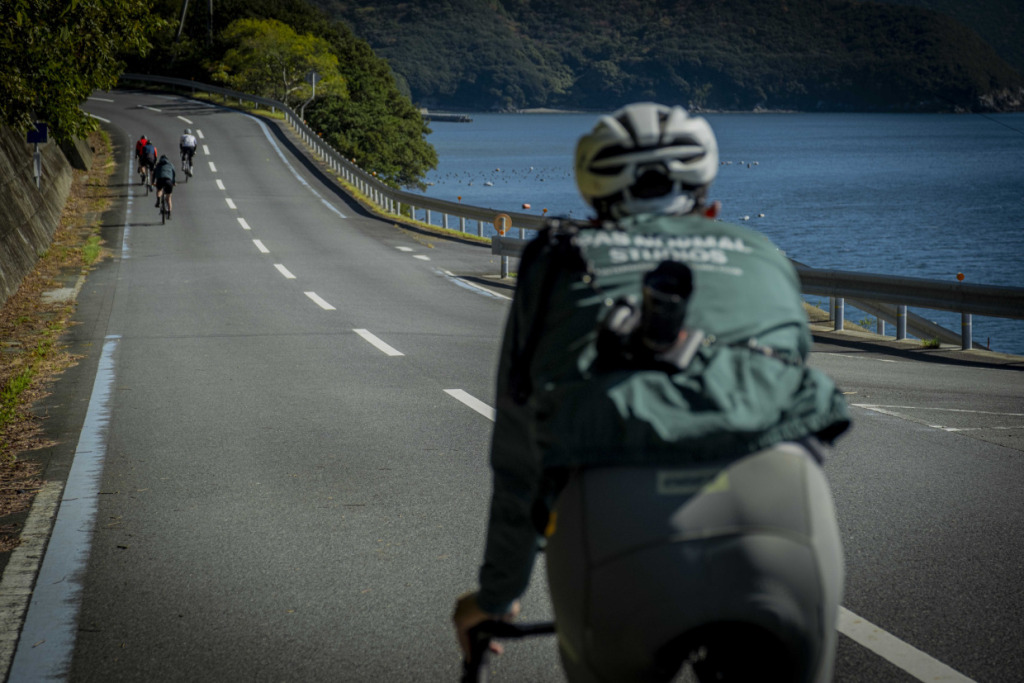
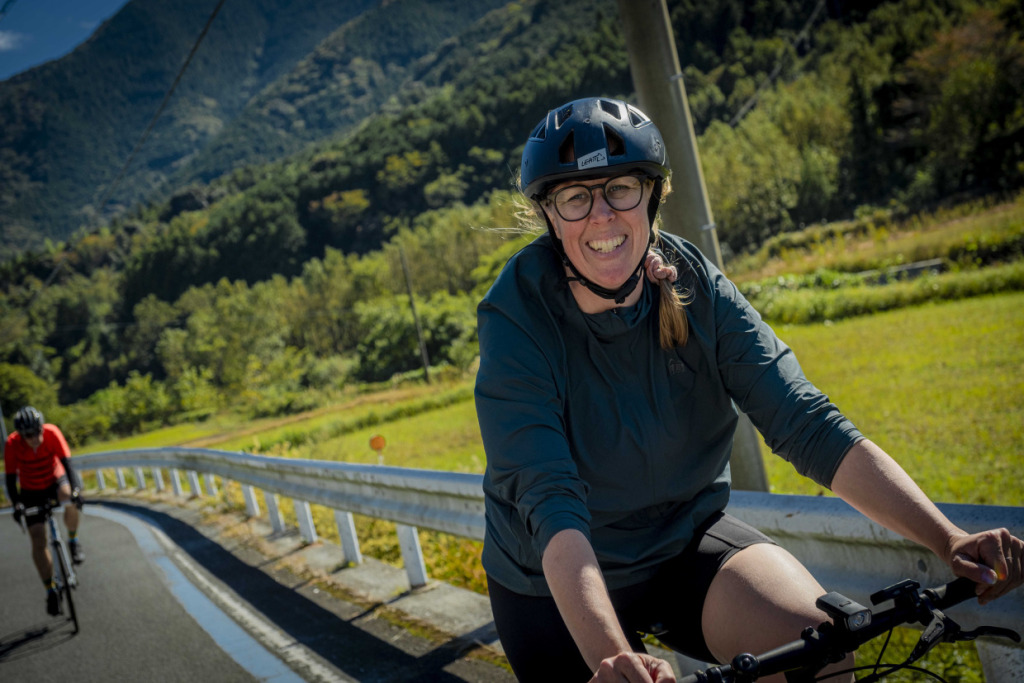
Climbing the pass in easy conversation, I found myself between two generations of cycling journalism—veteran journalist Rob and the younger Peeter. As we turned the pedals and traded saddle talk, Rob suddenly said: “I saw you during my coverage of the Tour de France!” I couldn’t quite recall the moment, though it seemed entirely possible. The global cycling world is smaller than we think, and I was struck by the improbability of such a crossing of paths. But Rob wasn’t finished. “Mountain or sea, remote or urban—how are the roads this good everywhere? Japanese roads are too good!” Peeter nodded vigorously in agreement. On that point, I could only agree completely. Having ridden extensively both in Japan and abroad, I genuinely believe this country’s road infrastructure is extraordinary. From dense urban centers to deep mountain forests, from winding coastal capes to the most unassuming rural hamlets, roads reach nearly everywhere—and, remarkably, they are consistently maintained. Such conditions are not accidental. They are the cumulative result of generations of effort and investment. And we cyclists are the fortunate beneficiaries. Whatever surface a rider could hope for—glass-smooth tarmac, technical switchbacks, rolling farm roads, dramatic ridgelines—Japan offers it. Even in Europe and North America, developed regions with rich cycling cultures, road networks rarely achieve this same combination of reach, quality, and upkeep. Rob, after all, has spent three decades traveling the globe to cover the sport; his astonishment was not casual praise. It was informed. Perhaps even tinged with envy. As I answered his question, I added: “Roads like these must be a kind of luxury—even for us Japanese cyclists.” I truly believe that. These roads are one of Japan’s great assets—something the country can be proud of, and something we ourselves should consciously recognize as precious.
Crossing the pass, we were led by our guide Sam down into the small hamlet of Kamimaki, arriving at the local community hall. Though the village was in the midst of its autumn festival, they had kindly arranged a special lunch and cultural experience for us. At a crossroads before the sacred grove of the local guardian shrine—festival banners fluttering overhead—we gathered with residents around a spread of celebratory dishes. It was intimate, generous, and utterly uncontrived. The kind of encounter no itinerary can manufacture. After lunch came our second mikoshi experience of the day. We were invited to take part in a ritual connected to Uwajima’s legendary Ushioni tradition—a fierce, “fighting” mikoshi ceremony rooted in local folklore. The massive, demon-like bovine figure, representing the mythical creature of Uwajima legend, was hoisted onto our shoulders—by none other than us, a pack of men in cycling jerseys. Facing us was another mikoshi borne by the village’s young men. The two shrines surged toward one another in dramatic, controlled collision, while the village elders deftly managed the intensity, ensuring the ritual remained spirited yet safe. It was raw, loud, physical—and deeply communal. Having now participated in two sacred rites in a single day, we joked that we could hardly be in a more spiritually purified state. Cleansed in both body and spirit, and profoundly grateful for such rare and generous encounters, we took our leave of the village and rolled onward.
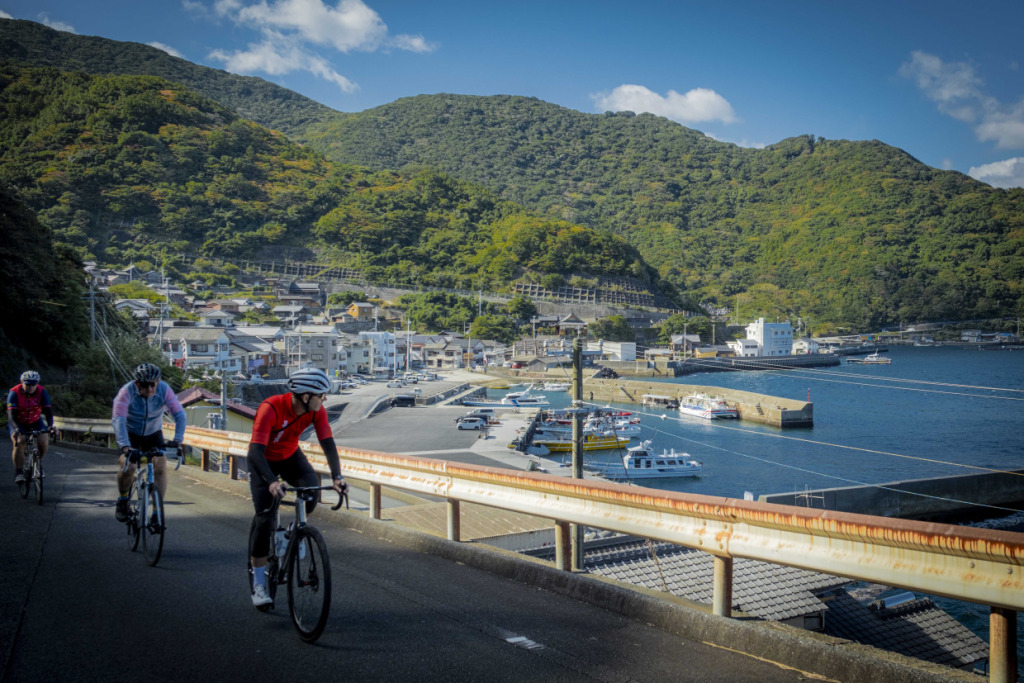
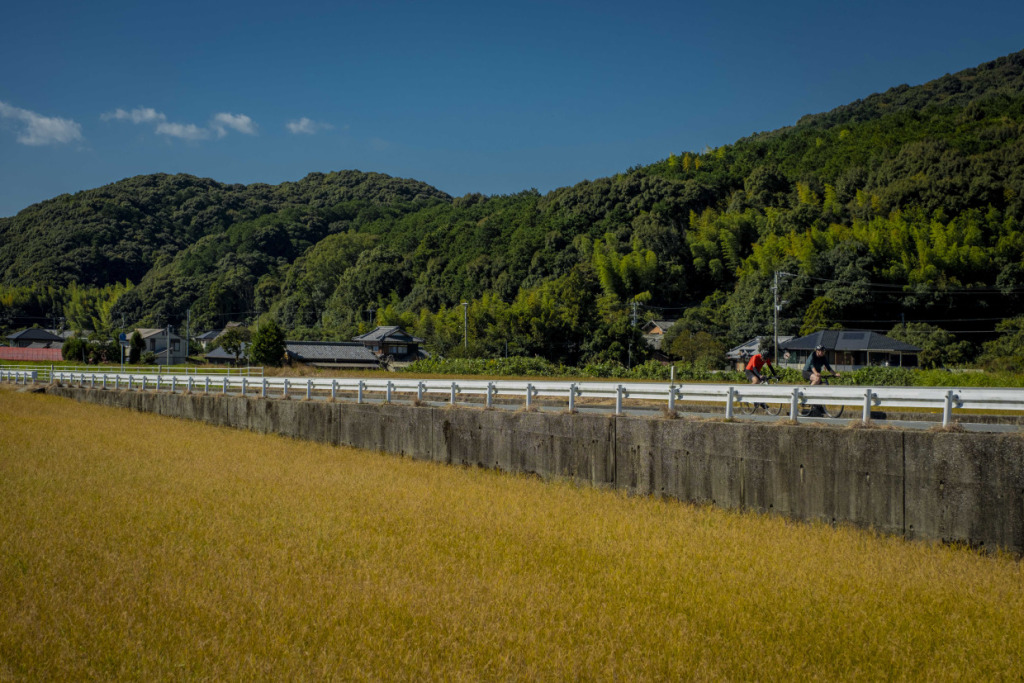
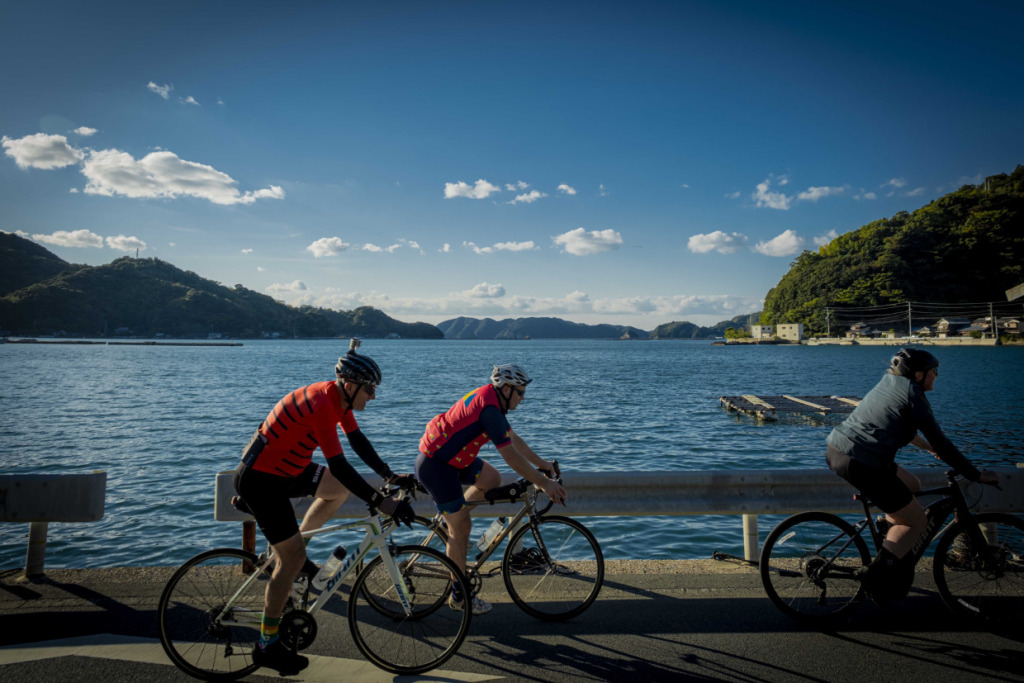
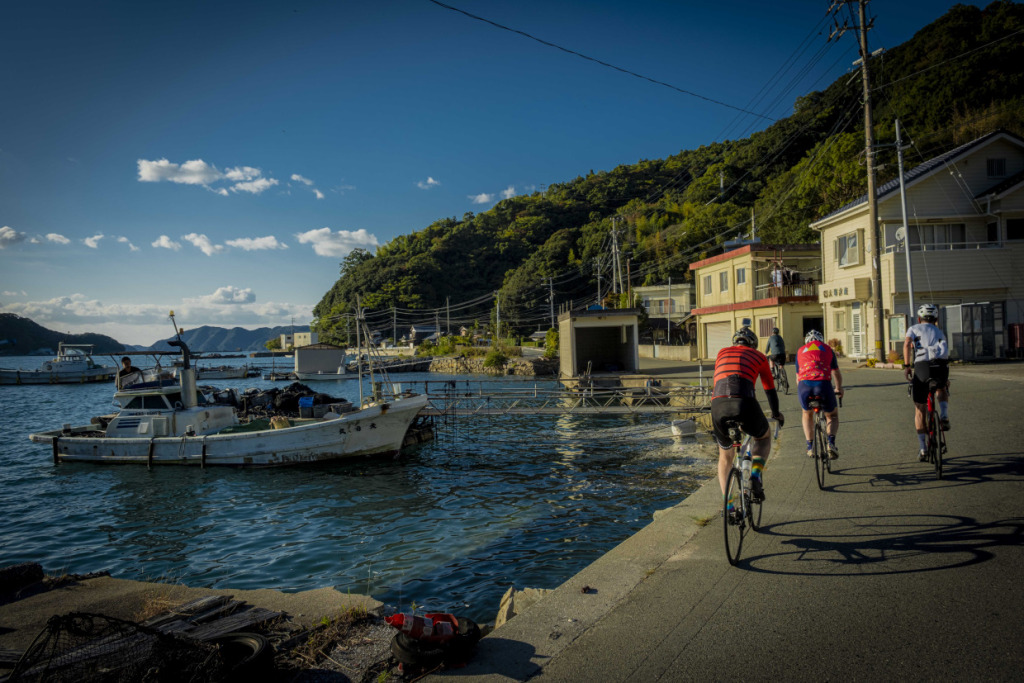
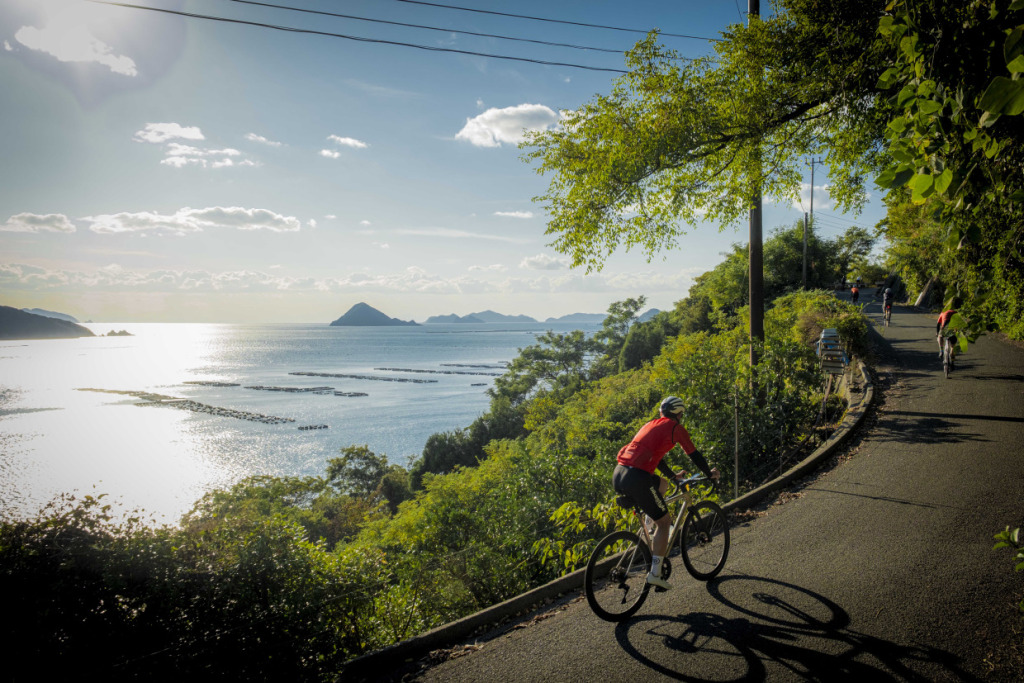
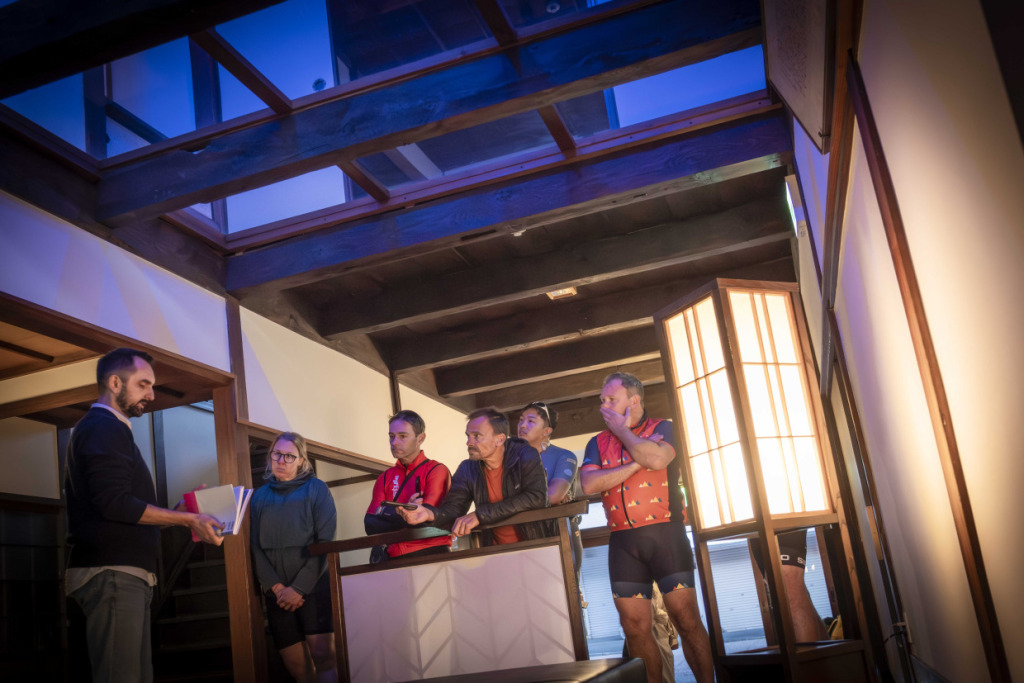
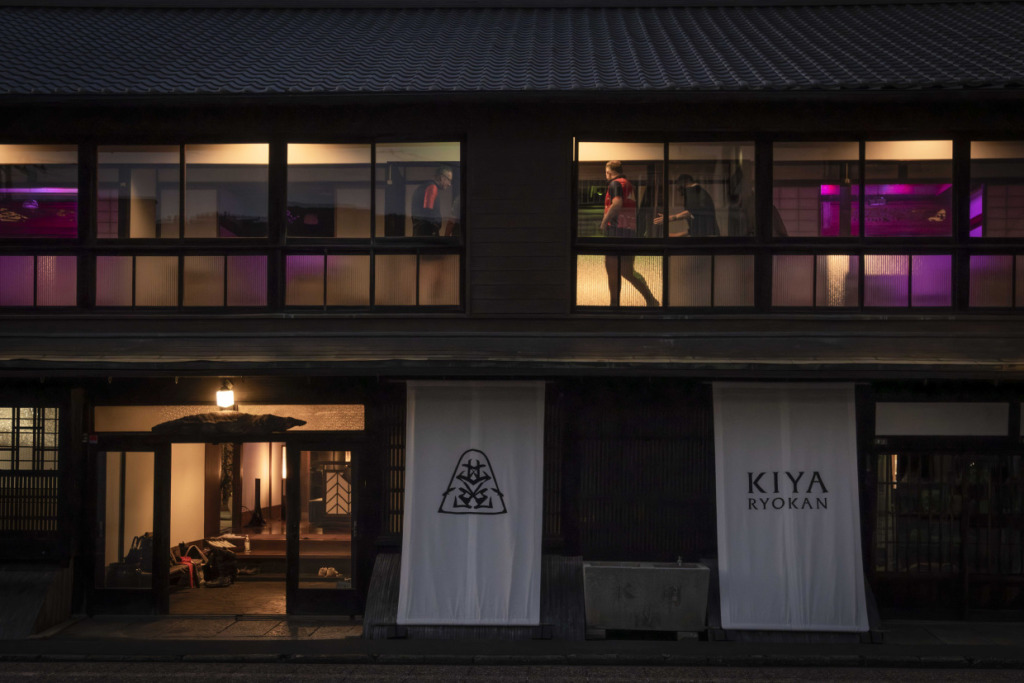
Leaving the mountains behind, we rode through inland rice fields where golden ears swayed gently in the breeze, and gradually returned to the coast. The sea, so vividly blue in the morning, had softened under the westering sun, now tinted with pale amber light. We traced the intricate ria coastline of the Uwa Sea, spinning from the Kitazada Peninsula toward the Shōen Peninsula. One weathered fishing village gave way to another; one approach to a cape-top vantage point followed the next. On the steep slopes above the shoreline, bright orange citrus groves glowed—an unmistakably Ehime scene. With barely any traffic, it felt like a private procession of capes. “Not just mountains—but the sea too?!” Rob groaned again in admiration. Yes. Even without spectacle, it is luxurious. Mountains, sea, festivals—an entire day immersed in the deep south of Ehime’s Nanyo region. From there we headed straight into Uwajima City. Our lodging was the historic Kiya Ryokan, a beautifully renovated wooden inn with more than 200 years of history. Within its timbered walls, we were granted a quiet, almost academic moment—reflecting on both the building itself and the long history of Uwajima, once the political and cultural heart of southern Ehime. The stillness of that evening formed a pleasing contrast to the day’s dynamic ride. Far removed from what one might call a “tourist destination,” we had traveled deep into the layered, lesser-known south of Ehime. The 120 kilometers passed in what felt like an instant.
And now, the tour report enters its final stage. From sea to mountain—and soon, to the city once more. Part Three (the final installment) is here.
Eigo Shimojo Born in Nagano Prefecture in 1974 Belongs to IPU Japan Photographers Union He became independent in 2000 as a freelancer and established Greenhouse Studio, which handles a wide range of photography and video production. His life’s work is pursuing underground HIPHOP and bicycle culture around the world.