Honolulu Century Ride 2025 Trip Notes from Five Riding Duos #05-1 4 Nights, 6 Days / Kamehameha Road on the Southern Isles — the Classic Route Was Even More Classic Than Imagined
This series brings you trip notes from riders taking part in the Honolulu Century Ride 2025. In this final fifth installment, we present a photo report by Eigo Shimojo, whose work—including The Japanese Odyssey and his Rhône River ride journals—has long connected him with cyclists and cycling routes around the world.
The collection is filled with quintessential “Hawaii” and “America” ride photos. We’d love to share even more, but page space is limited… or is it? That will have to wait for another occasion. This is a true gem of a photo report—perfect for fueling your daydreams of the 2026 Honolulu Century Ride.
Note by Eigo Shimojo
One sweltering midsummer day in 2025, a request arrived from the GR editorial team: they wanted me to cover the Honolulu Century Ride (HCR) by actually riding it and reporting from the road.
For someone who has long hovered at the very edge of the cycling world—wandering through the fringes of racing and cycling culture, poking into every corner—this felt like the moment at last. I couldn’t help but feel a quiet sense of emotion.
I was well aware of the tradition and prestige of the Honolulu Century Ride. A 100-mile event deeply rooted in the uniquely special setting of Hawaii, it can rightly be called the gold standard of its kind. Many of my cycling friends and colleagues had taken part countless times, and I’d heard their stories so often that it almost felt as if I’d already been there myself. To someone who has always ridden along the back roads rather than the main highway, its brilliance felt especially dazzling. But now that the baton had finally been passed to me, it was time to ride Hawaii’s classic route with my own legs—and overwrite those secondhand, virtual dreams with something real.
The assignment spanned four days. The plan: to distill the appeal of Hawaiian riding into a tightly packed, high-concentration diary—like a glass of Dole pineapple juice, straight and strong. Let’s go.
4 Nights, 6 Days / Kamehameha Road on the Southern Isles — the Classic Route Was Even More Classic Than Imagined Note by_Eigo Shimojo
Date
Itinerary
Day 1
Travel
Night: Depart from Japan
Shooting Preparation
AM: Arrive in Honolulu Meeting / Road Bike Assembly
Day 2
Photo Shooting
To the North Shore
Day 3
Course Reconnaissance
Course Reconnaissance / Packet pick up
Day 4
Event
Participate in Honolulu Century Ride 2025
Day 5
Travel
Packing the bike for travel / Boarding an evening flight
Day 6
Travel
Night: Arrival in Japan
DAY_1/September 25 (Thr)
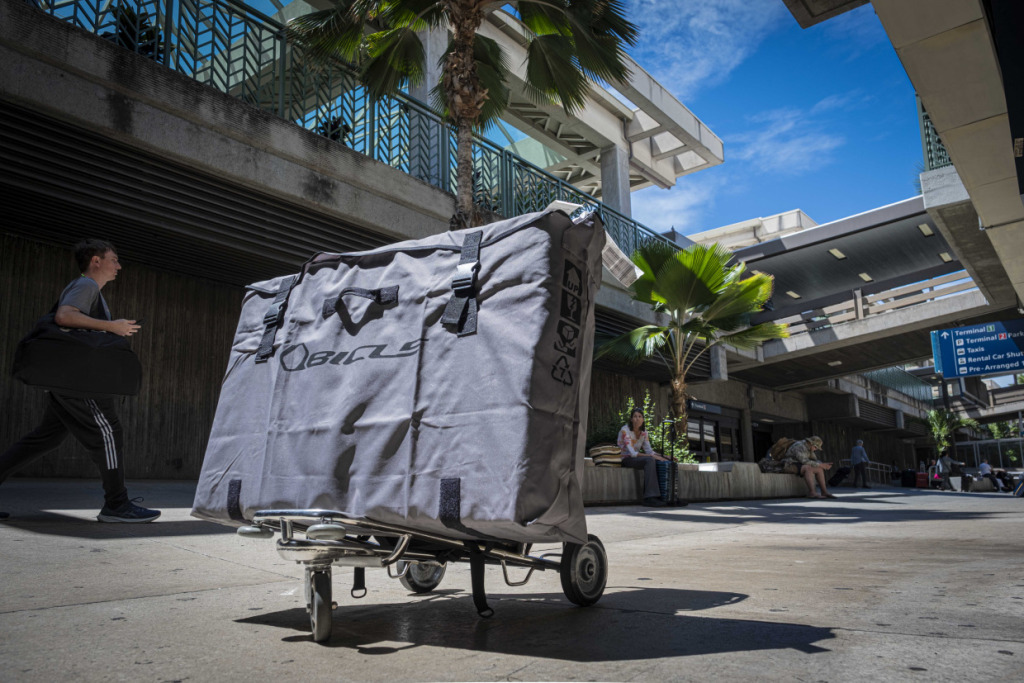
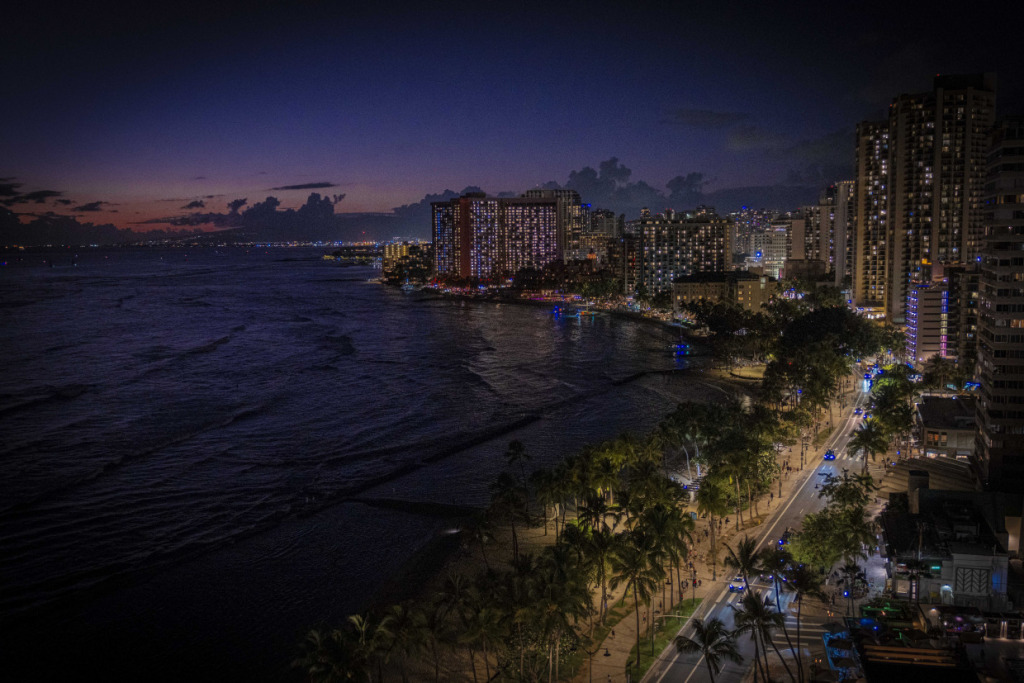
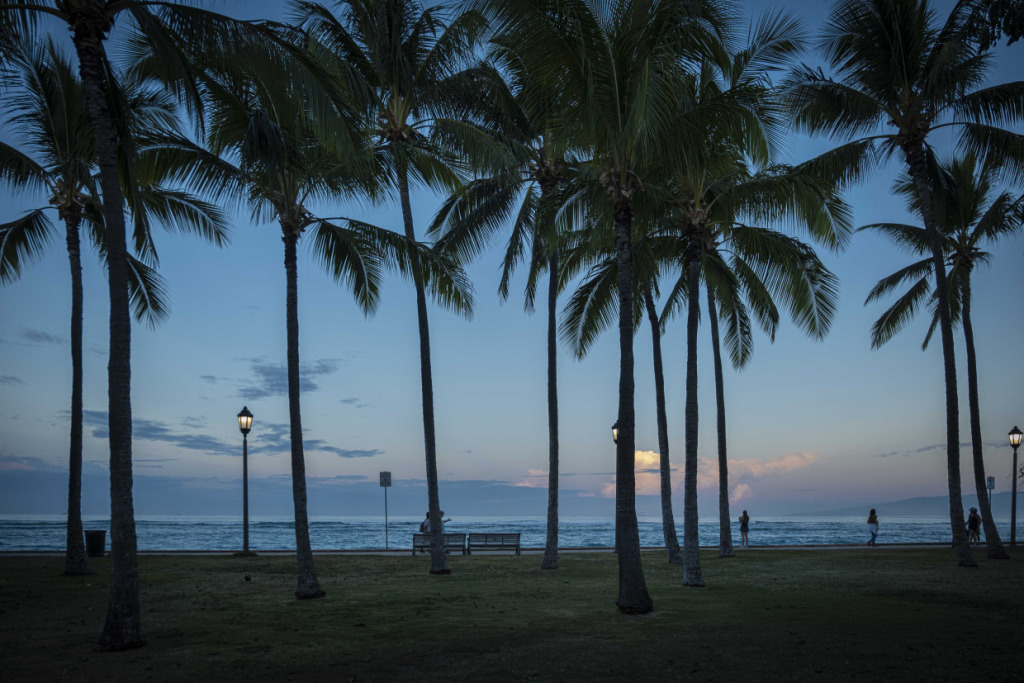
We arrived at Honolulu Airport in the morning. Today was a preparation day, so we headed straight to our hotel in Waikiki. Under picture-perfect blue skies, dazzling light danced like a waking dream, and tall palm trees swayed gently in the breeze wherever you looked. That same relaxed, unhurried island atmosphere seemed to drift right into the hotel room.
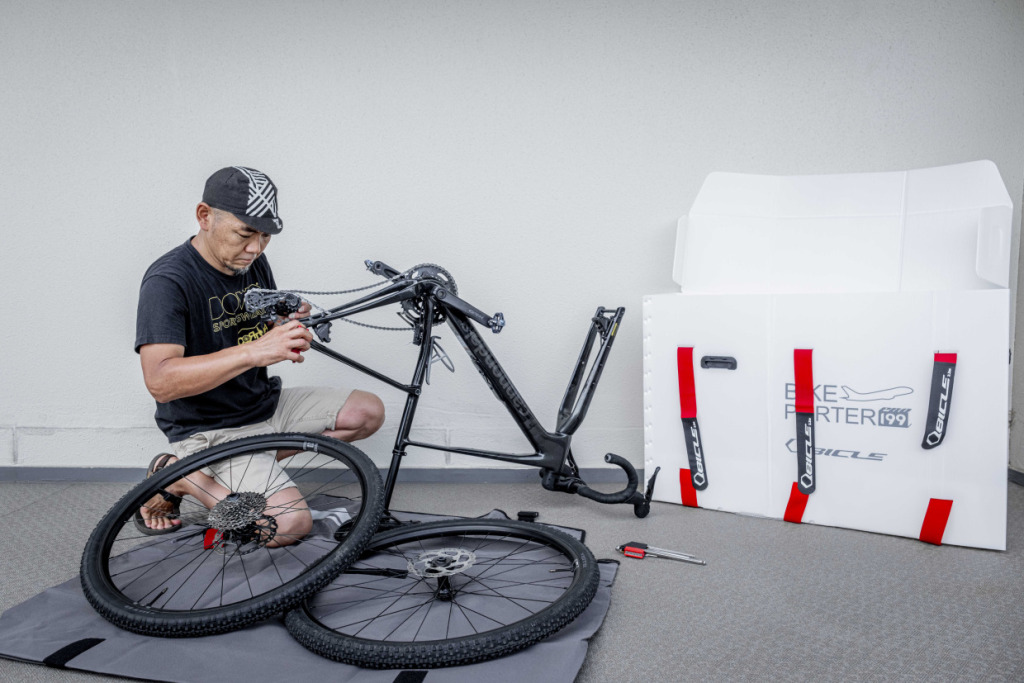
Holding back the urge to ride, we unpacked first—there was a bike to reassemble after its journey.
For this trip, I brought along one of my personal favorites: the American-made Cannondale gravel bike, the Topstone. Its distinctive frame geometry and the proprietary “Kingpin” suspension system showcase a uniquely American blend of innovation and playful design. It’s a truly multi-talented bike that effortlessly goes beyond the boundaries of the current gravel trend.
While the HCR course itself doesn’t include any gravel sections, the Topstone is perfectly suited to the island’s characteristically rough road surfaces and should really come into its own there.
As I continued assembling the bike, I found myself daydreaming about the days ahead. This is one of those luxurious moments unique to traveling overseas with a bike, filled with quiet excitement. With a hex wrench in hand, I glanced out the window at the vivid tropical hues of the sunset as evening slowly fell.
DAY_2/September 26 (Fri)
Since I’d gone to the trouble of bringing my bike all the way to Hawaii, I wanted to make the most of it. During my stay, I packed in as much riding and shooting as possible. The main HCR course runs through the southeastern part of Oahu, so today I decided to head north. The goal was a ride to the North Shore.
We’ll be sharing more about the North Shore ride in a dedicated feature—stay tuned!
DAY_3/September 27 (Sat)
With the HCR race day finally coming up tomorrow, this day was set aside for a pre-ride route check. I would be riding the longest HCR course—the 100-mile route, totaling about 160 km. The idea was to ride it thoroughly as a cyclist, while also capturing the event from the inside, from a participant’s perspective. Going in completely cold has its appeal, but careful preparation felt like the better choice this time. Two of us from the GR editorial team—editor M and myself—set off by car.
While this wasn’t my first time riding in Hawaii, it was my first time on the Waikiki–East Coast route that has served as the stage for HCR for many years. Checking the map once again, I felt my posture naturally straighten—this was a course that could truly be called the classic route of Hawaiian road cycling.
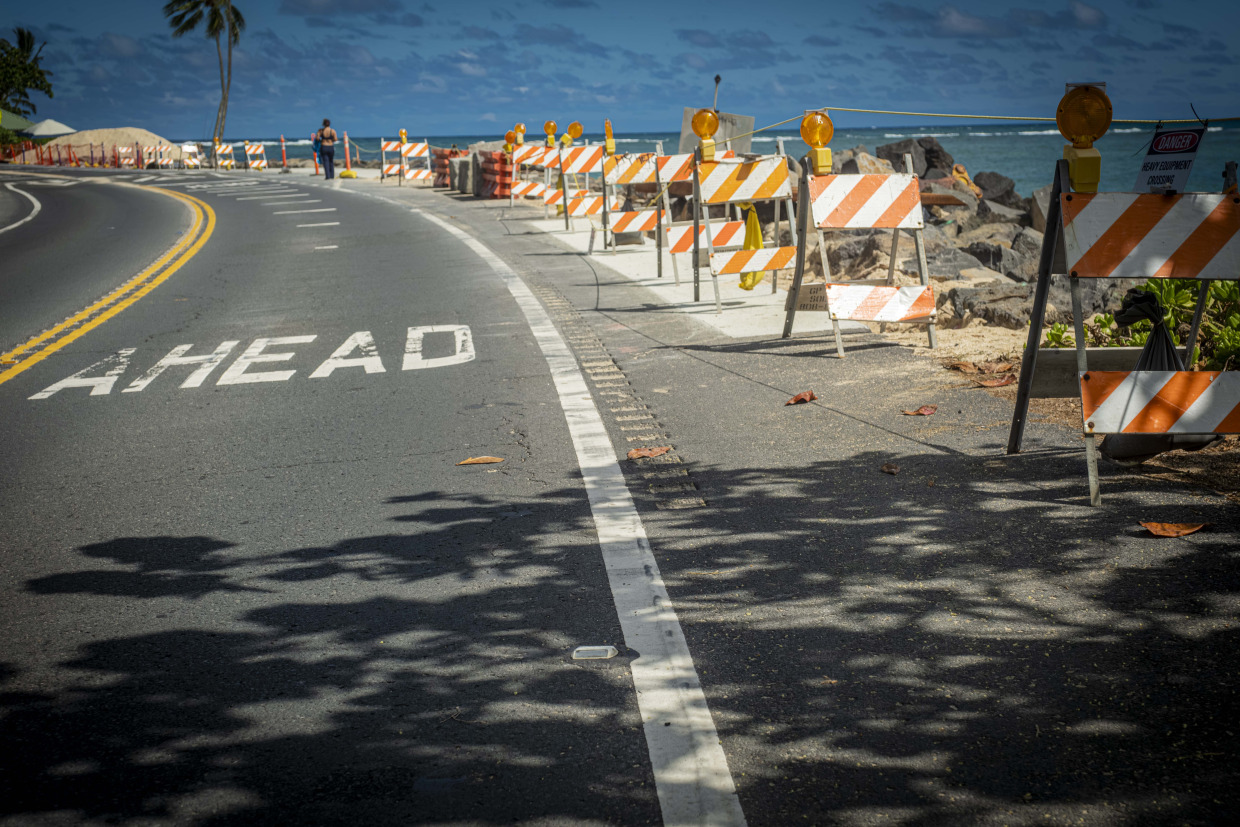
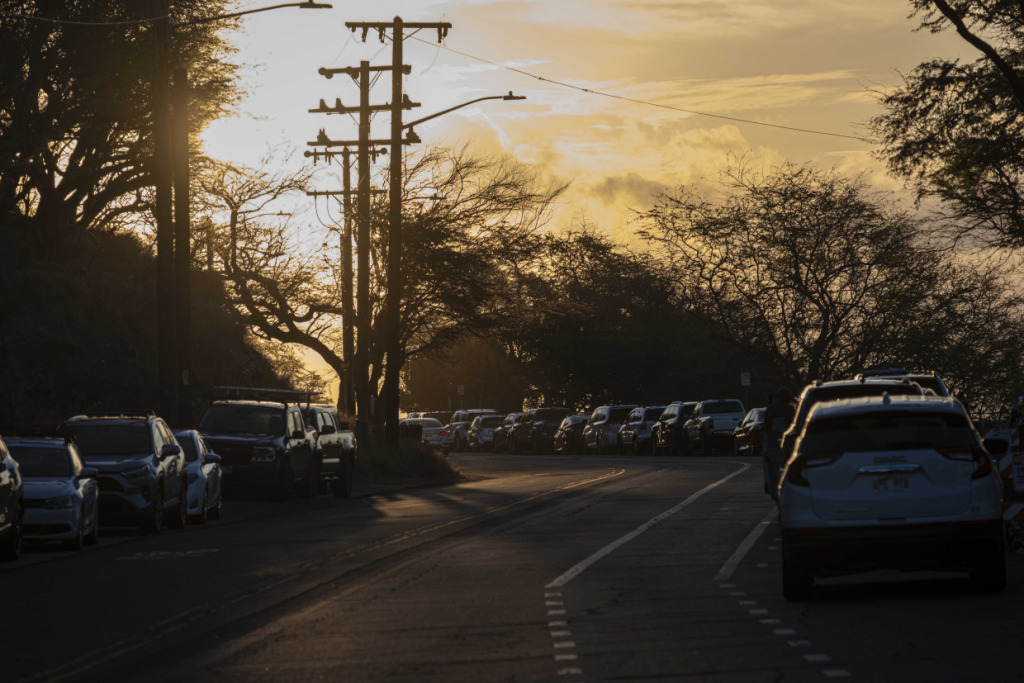
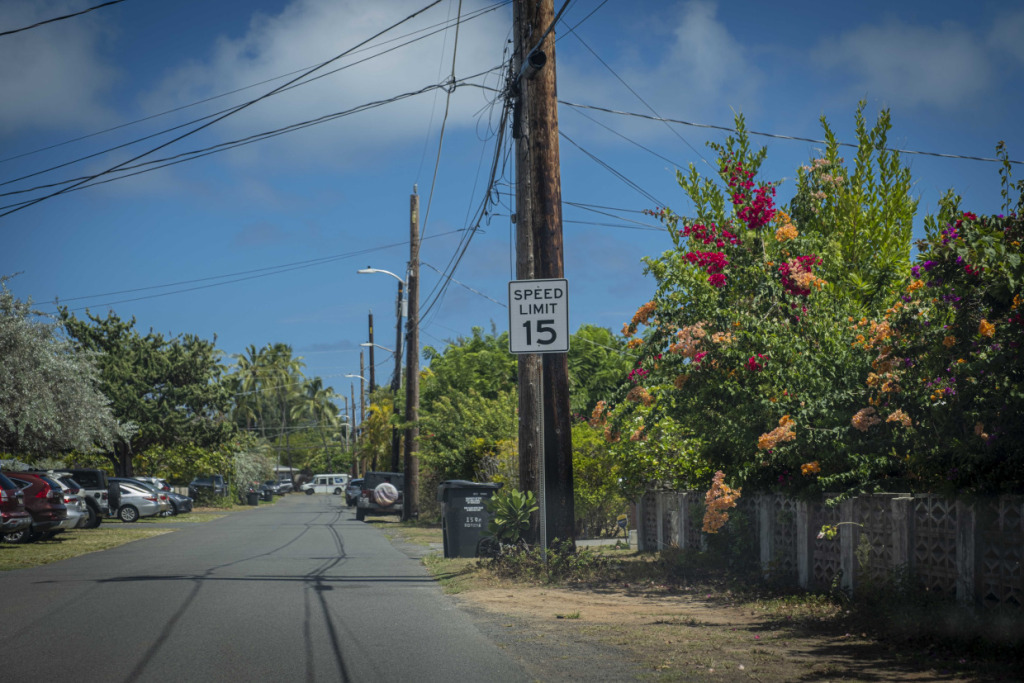
Early in the morning, just as on race day, we set off from the starting point at Kapiʻolani Park and followed the official route by car. From the coastline to the rolling hills visible through the windows, early-rising walkers, runners, surfers, and cyclists were already out enjoying the island in the faint light before dawn. Far offshore, silhouettes of people could be seen aboard small fishing boats bobbing among the waves.
Hawaii’s climate is mild year-round, but the daytime sun can be intense. That’s why mornings are the best time to be active here—and why waking up early feels perfectly natural.
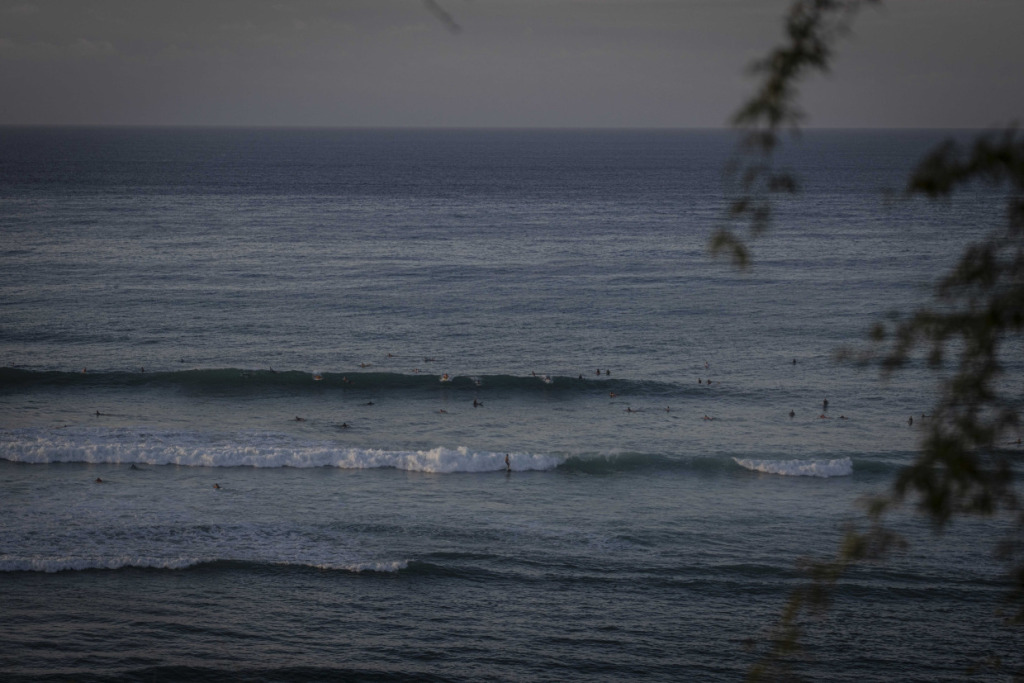
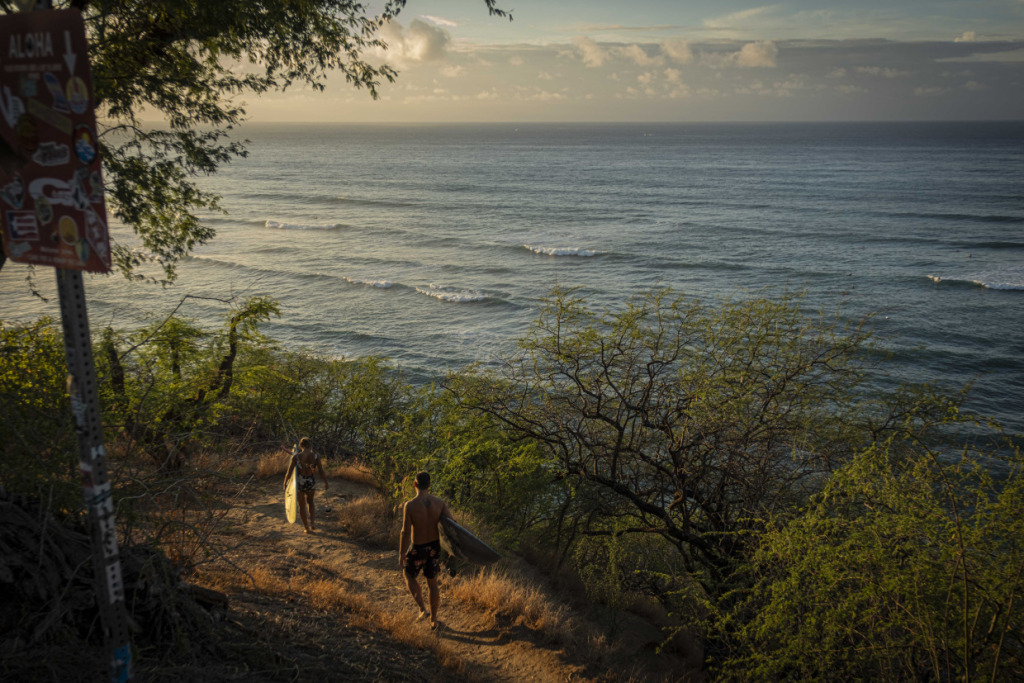
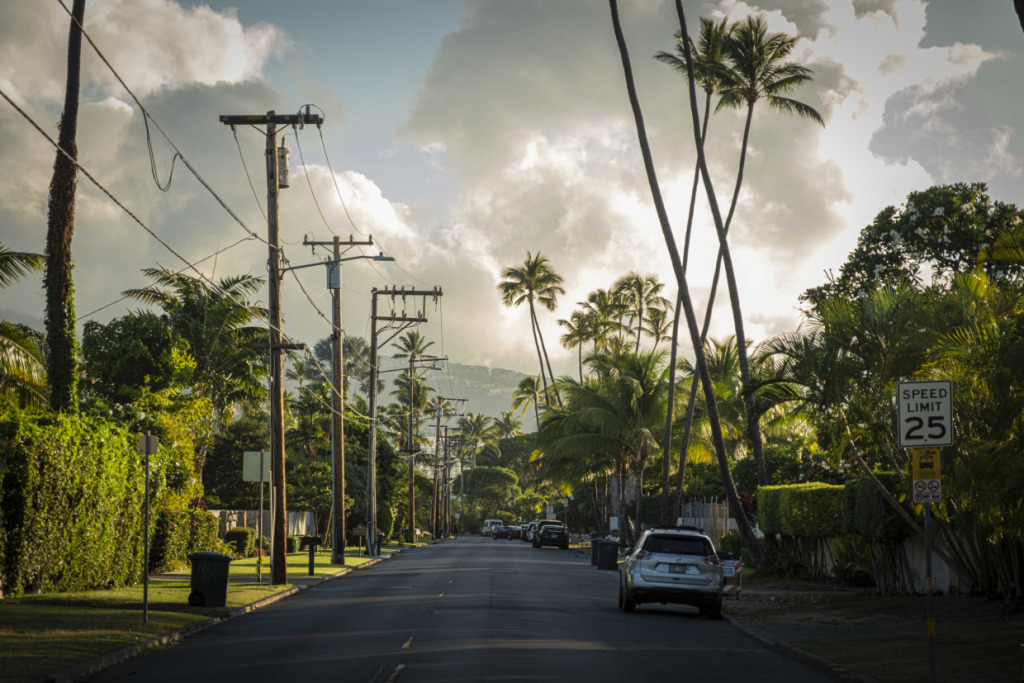
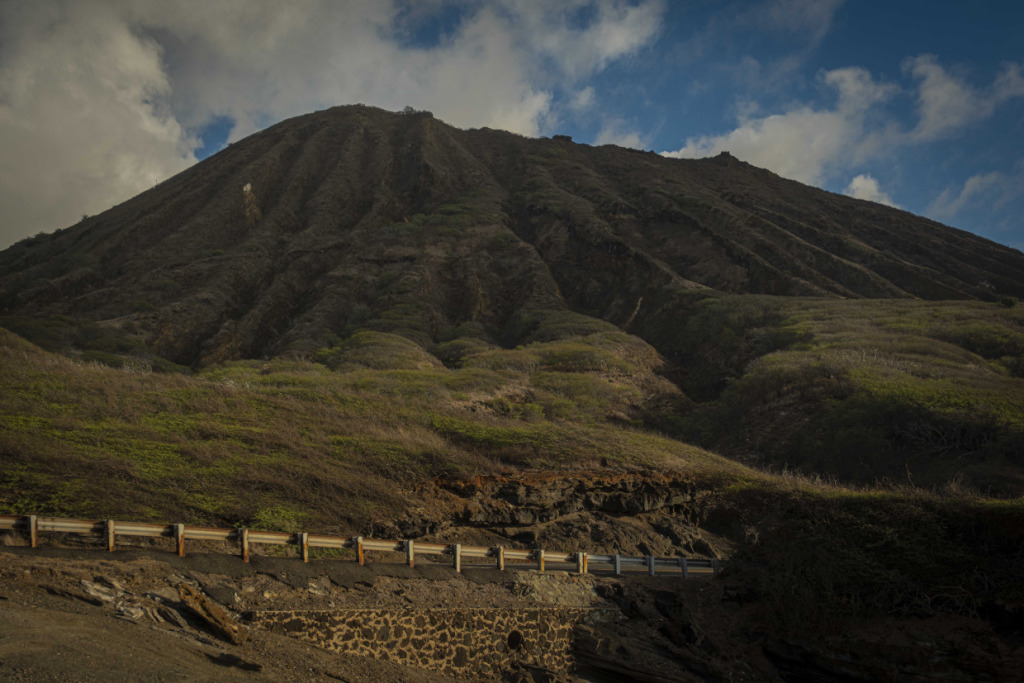
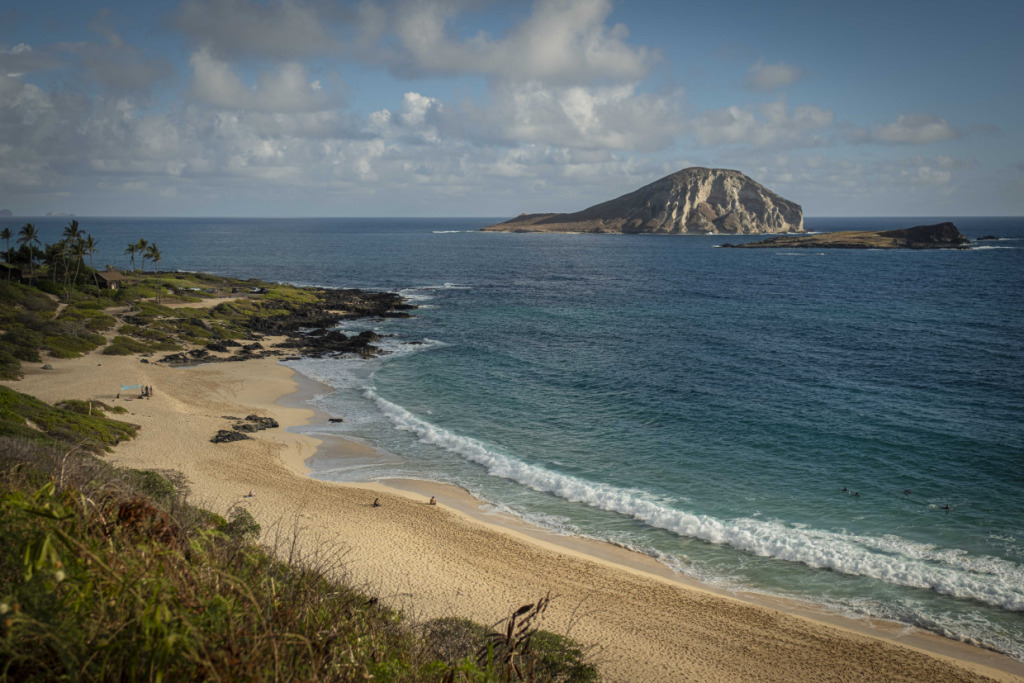
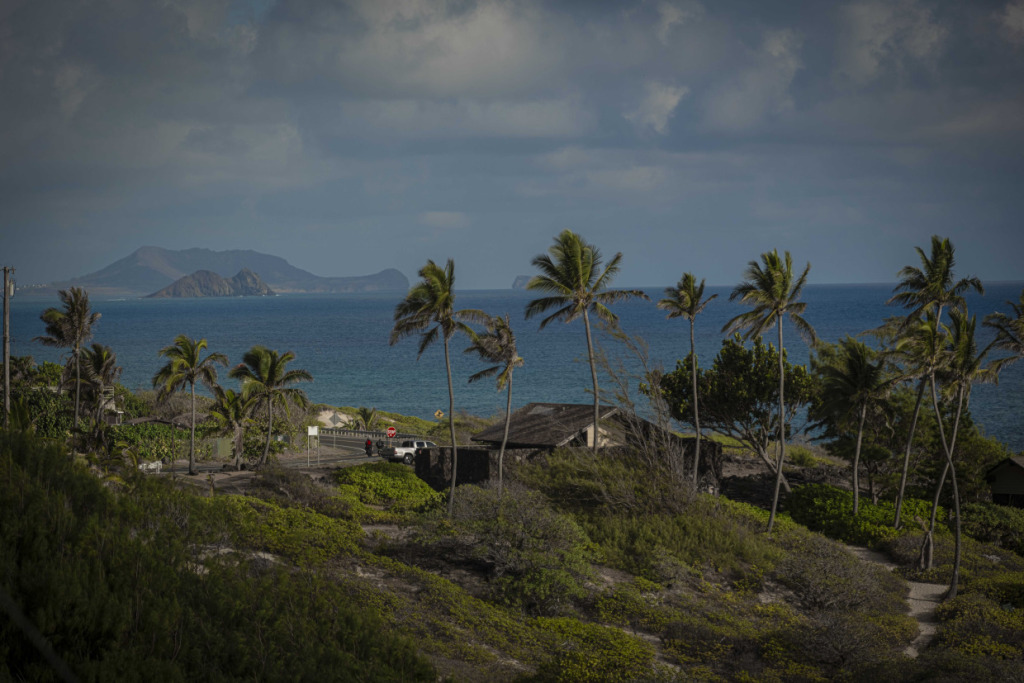
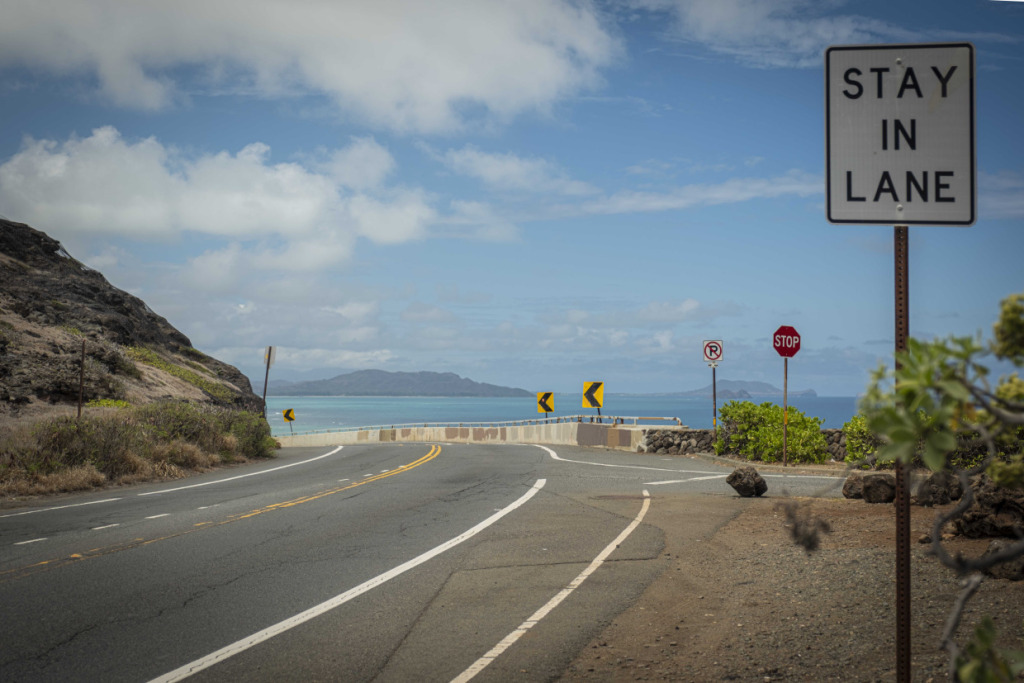
As we reached Diamond Head at daybreak, countless surfers were already waiting for waves at the breaks below the cliffs. The morning glow cast their silhouettes in shades of orange. We passed through the quiet residential area of Kahala and merged onto the highway, then continued along the magnificent coastline stretching from the Hanauma Bay Nature Preserve to the area around Koko Head—sections newly added to the route this year—checking potential photo spots as we went.
This stunning Pacific coastline feels like a must-ride for any cyclist. From the very start, the route is packed with highlights, making it impossible to narrow down shooting locations—a happy dilemma. In the end, I gave up trying to choose and decided simply to enjoy the scenery. On race day, too, I’ll trust my instincts over any half-baked sense of aesthetics, firing off the shutter quickly, catlike, whenever the moment feels right.
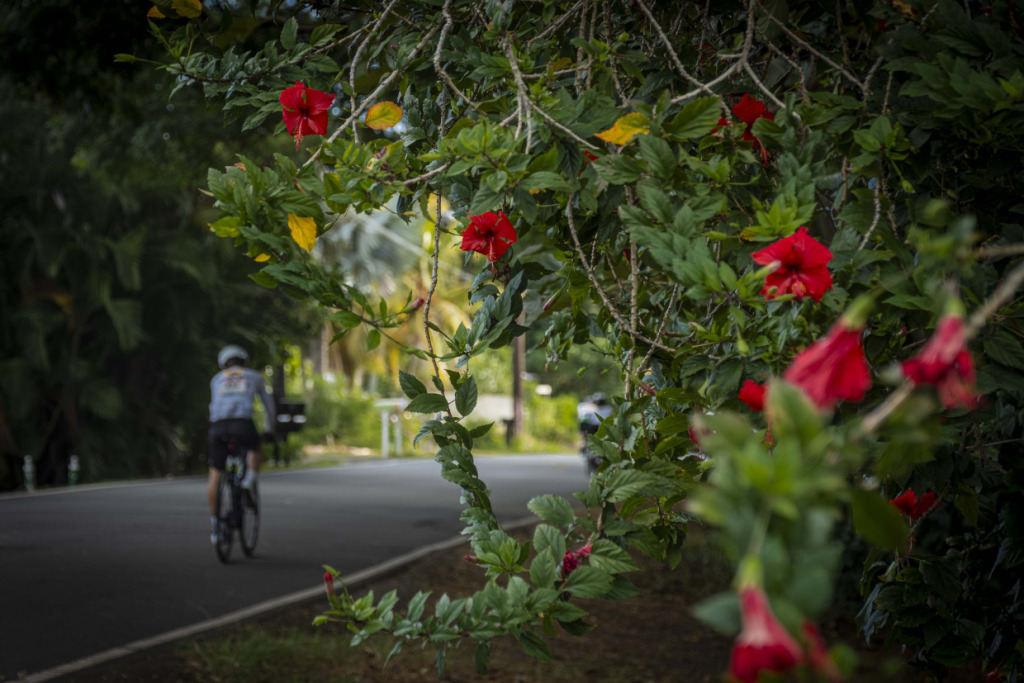
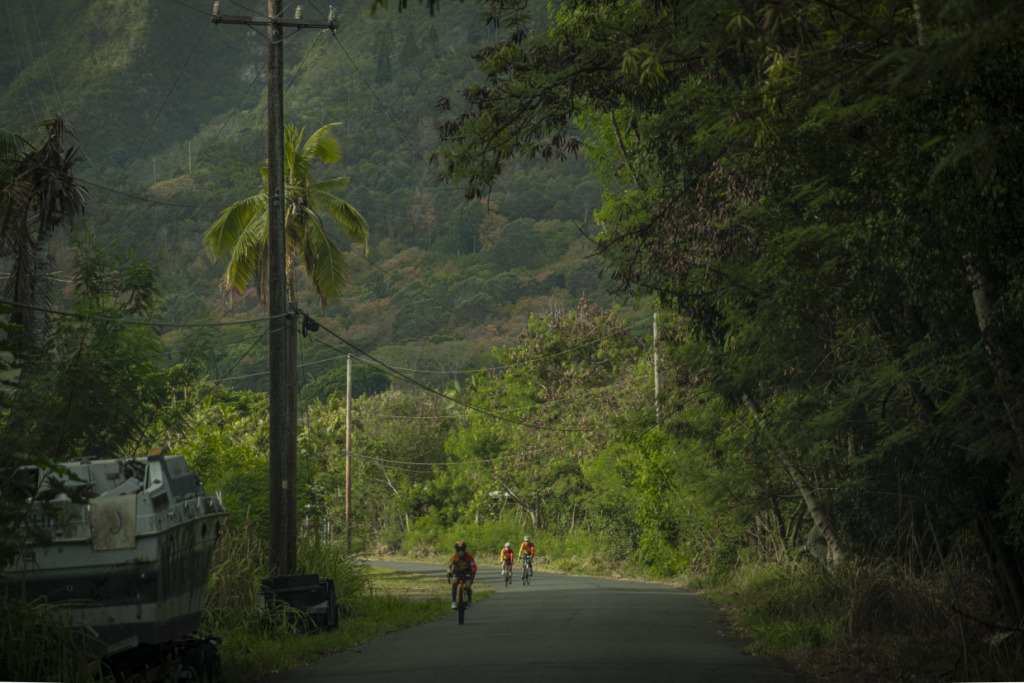
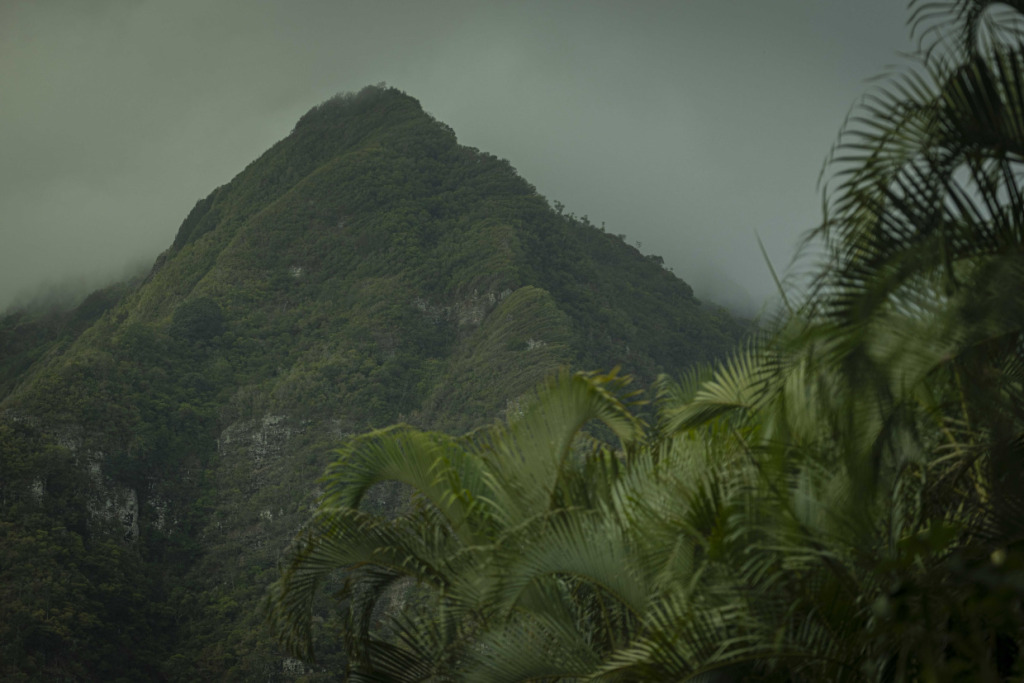
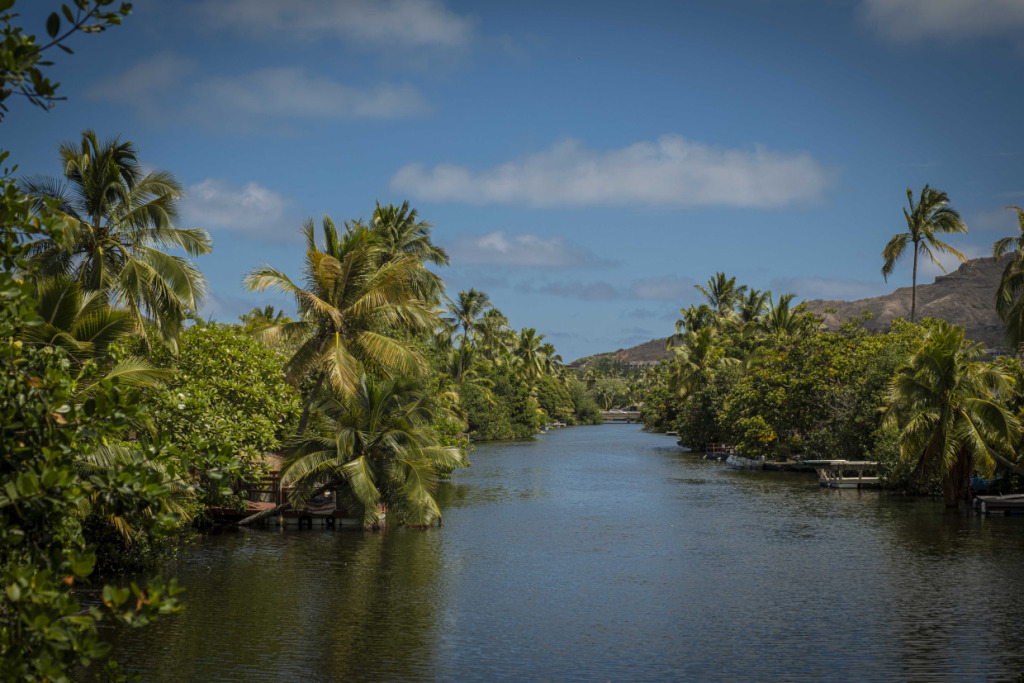
When you think of “Hawaii,” the ocean usually comes to mind—but the route also dips inland at just the right moments, revealing the volcanic hills and mountains that showcase another side of the islands’ beauty. Along quiet rural roads winding at the base of sheer rocky ridges, banana leaves sway gently in the breeze. Hawaii’s mountains are wonderful too, I found myself thinking, as one striking spot after another came into view. Checking these locations along the way, we completed the far-from-short round trip of 100 miles (160 km) without difficulty.
This year’s HCR weaves a sense of freshness into its long tradition, and the thoughtful route design truly stands out in this Hawaiian Century (100-mile) course. Tomorrow is race day at last—and I can hardly wait to ride.
Eigo Shimojo Born in Nagano Prefecture in 1974 Belongs to IPU Japan Photographers Union He became independent in 2000 as a freelancer and established Greenhouse Studio, which handles a wide range of photography and video production. His life’s work is pursuing underground HIPHOP and bicycle culture around the world.