Are you familiar with “Rail Trails”? A Rail Trail is a path developed on the former tracks of disused railways, designed for cycling, walking, jogging, horseback riding, and other recreational activities. There are said to be thousands of such trails worldwide, particularly in Europe and North America. In Japan, a few examples exist, such as the remnants of the Ioki Forest Railway that once ran between Tokushima and Kochi Prefectures. However, their number and length are nothing compared to those in Western countries, where railways played a major role in opening up the land.
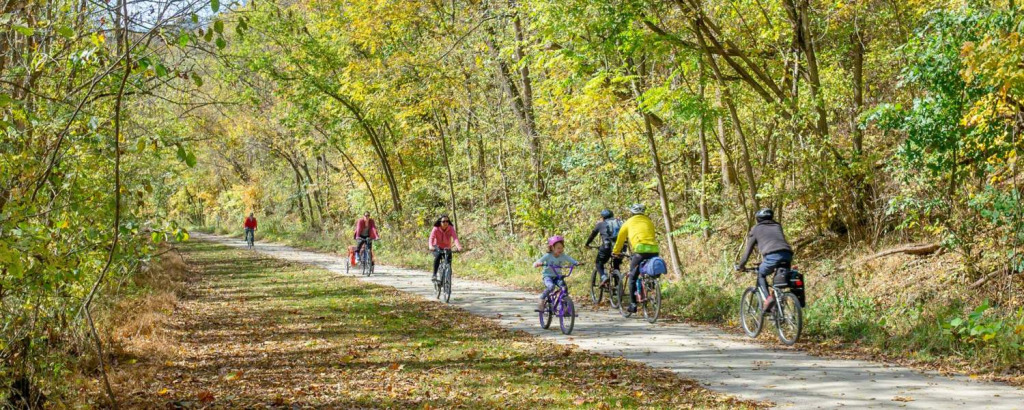
The concept of Rail Trails began in the United States in the 1960s and 1970s. Following World War II, as air travel expanded rapidly and railway transportation declined, many lines were abandoned. The movement to repurpose these routes as local resources then spread globally. Because they follow former railway tracks, Rail Trails are mostly flat, aside from small hills or mountainous sections. They are suitable not only for adult cyclists but also for children, and family use is common.
This time, we bring you fascinating trail information from Mr. Brelsford, the director of the Great Allegheny Passage—one of the premier long-distance rail trails in the eastern United States—whom our editorial team met at the FIVE BORO BIKE NEW YORK cycling event held every May.
The Great Allegheny Passage (commonly known as the GAP) is a bicycle trail stretching approximately 150 miles (about 240 km) from Pittsburgh, Pennsylvania, to Cumberland, Maryland. Built on the remnants of abandoned railway lines, this trail is recognized as one of the premier long-distance trails in the United States, attracting cyclists and tourists from around the world.
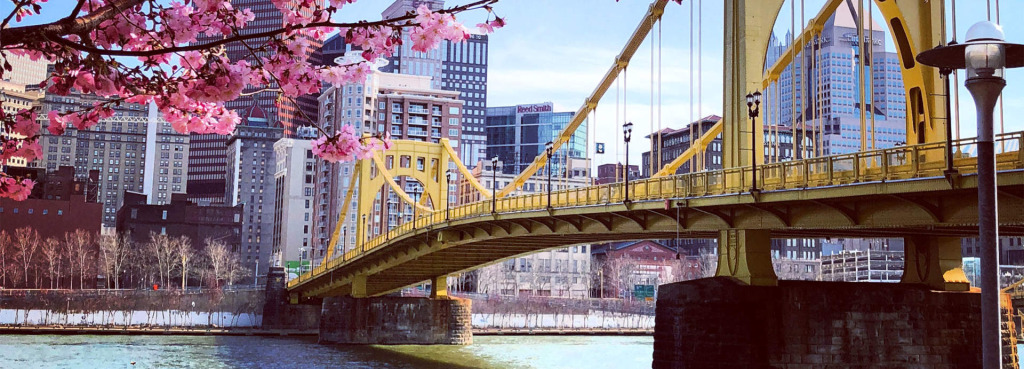
Downtown Pittsburgh
2. Course Overview
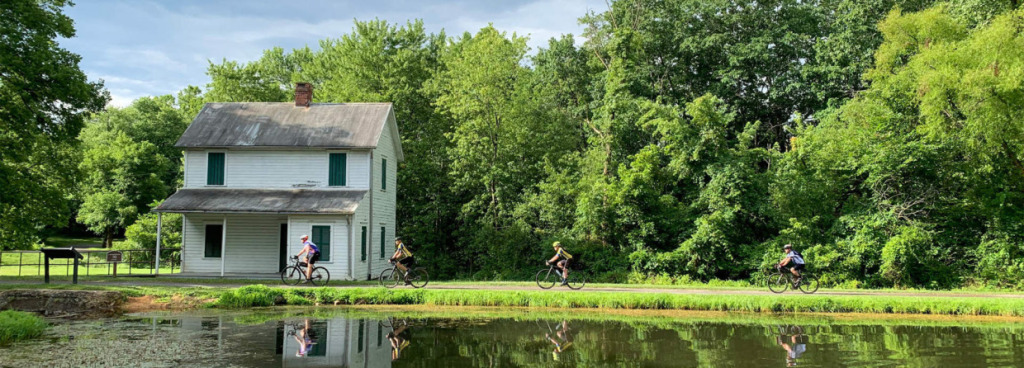
The GAP starts in downtown Pittsburgh and follows the former coal-transport railway lines, cutting through the natural landscapes of the Appalachian Mountains. While some sections are paved, much of the trail consists of well-maintained unpaved gravel surfaces. For riding, bikes with wider tires, gravel bikes, or touring bikes are recommended.
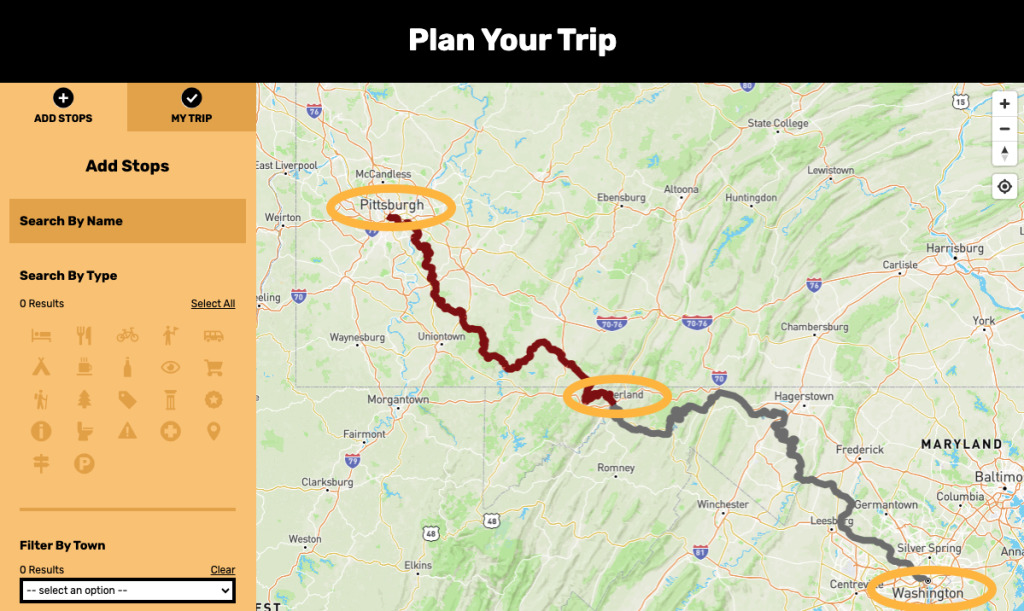
The trail reaches its endpoint in Cumberland, where it connects to the C&O Canal Towpath, allowing for an extended journey of approximately 330 miles (about 530 km) all the way to Washington, D.C. Combined, these two routes offer a cycling adventure of over 600 km from Pittsburgh to the nation’s capital. Along the way, there are accommodations and restaurants at key points, making it possible to travel either backpacking-style or staying in hotels.
From the Great Allegheny Passage website: accommodations, attractions, hospitals, and other facilities along the route are mapped out, allowing travelers to plan a safe and well-prepared trip in advance.By selecting icons for points of interest such as drink stops or rest areas, you can view them displayed along the Rail Trail.
3. History and Origins
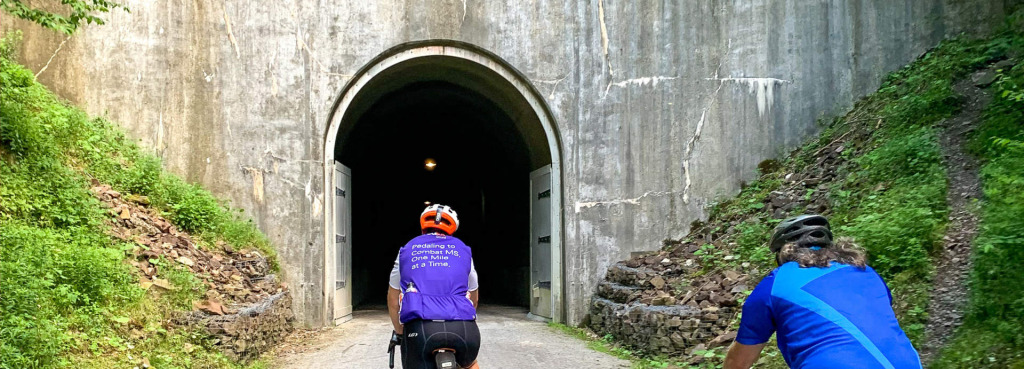
The GAP route is based on railway lines that transported coal and steel from the 19th to the 20th century. As these industries declined, the railways were abandoned, and through the efforts of local residents and enthusiasts, the tracks were removed and the route was transformed into a trail for cycling and hiking. The project took several decades to complete, with the entire trail finally opening in the 2000s—a truly monumental undertaking. Along the way, many historic bridges and tunnels remain, most notably the nearly 1,600-meter-long Big Savage Tunnel, which is particularly impressive. Riding through this pitch-dark tunnel with a light is a unique highlight that can only be experienced on a former railway trail.
4. Road Scenery
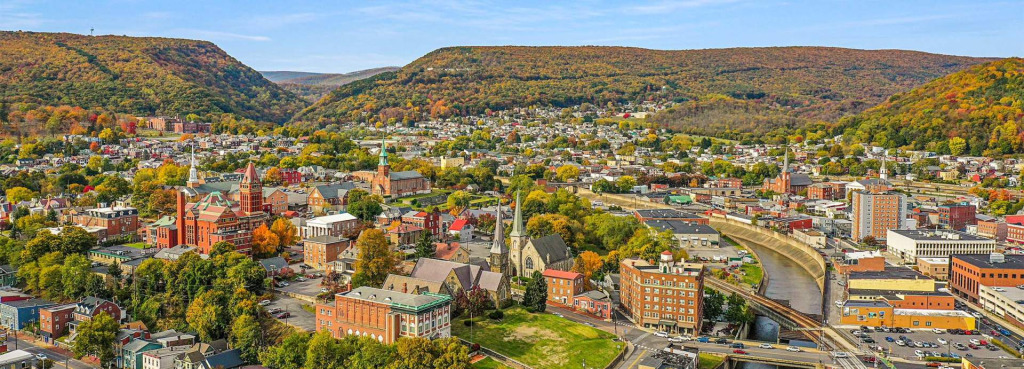
Riding the GAP, the remnants of the railway era alternate with the beauty of nature. Along the route, small towns that once thrived on coal mining are dotted throughout, now equipped with cafes and accommodations welcoming cyclists, breathing new life into the local economy. Among American cyclists, the trail is known as a “must-ride at least once in your life.” A long-distance journey along the GAP, sharing conversations with fellow riders while experiencing both nature and history, offers a unique charm distinct from traditional road cycling culture.
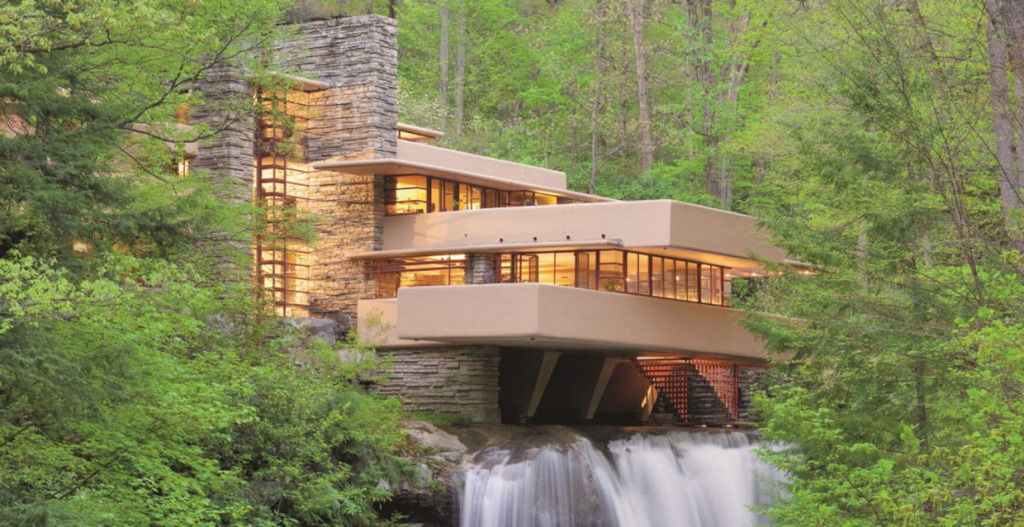
The route features various points of interest, including Fallingwater, the famous architectural masterpiece by Frank Lloyd Wright. Visitors can enjoy an architecture tour, strolls around the site, and meals at the café.
5. How to Experience It from Japan
For travelers coming from Japan, Pittsburgh International Airport serves as the gateway. Rental bikes and guided tours are available, making it possible to enjoy the trail without bringing your own bicycle. The best riding season is from spring to autumn, with autumn rides through the colorful fall foliage being particularly spectacular.
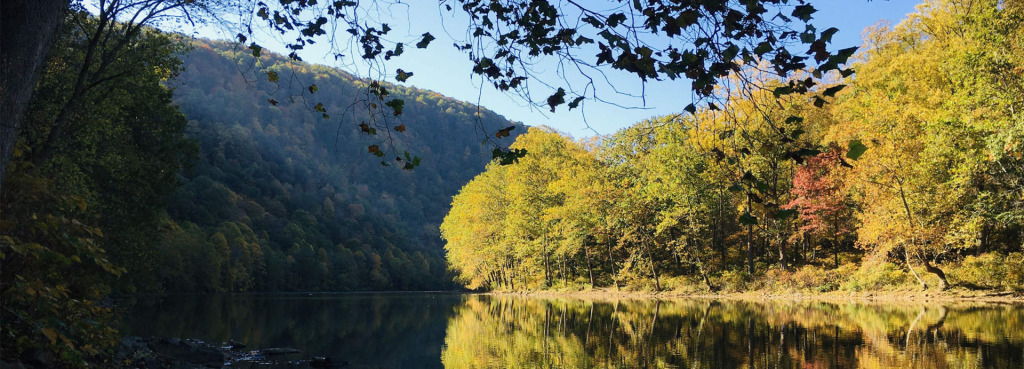
The Youghiogheny River in Pennsylvania
The GAP is not a “road to race on,” but a “road to savor history and nature.” Cycling it becomes a story in itself—a trail where you can fully immerse yourself in the remnants of the railway era and the landscapes of the eastern United States, letting yourself be carried along on a long journey. Consider adding it to your list of destinations for your next cycling adventure.